Safe: The hepatitis B shot while pregnant is recommended in the second trimester with a standard 0.5 ml dose and has no known risk to the developing baby.
By Shubhra Mishra — a mom of two who turned her own confusion during pregnancy into BumpBites, a global mission to make food choices clear, safe, and stress-free for every expecting mother. 💛
Check whether any food is safe during pregnancy with the BumpBites Food Safety Checker.
Download the Complete Pregnancy Food Guide (10,000 Foods) 📘
Instant PDF download • No spam • Trusted by thousands of moms
💡 Your email is 100% safe — no spam ever.
Quick verdict: ✅ The hepatitis B shot is generally safe to receive while pregnant, including in the first trimester, when given according to the standard schedule. Most health authorities, such as the CDC and ACOG, consider it a low‑risk, high‑benefit vaccine for protecting both you and your baby.
It’s completely normal to feel a flutter of anxiety the moment you realize you’re pregnant and a vaccine is on your schedule. You might be wondering, “Is the hepatitis b shot safe while pregnant?” The short answer is yes—most experts agree the vaccine is safe at any stage of pregnancy and can actually safeguard your newborn from a lifelong infection.
In this article we’ll walk you through everything you need to know about the hepatitis b shot while pregnant: the science behind the vaccine, official guidance from the CDC, ACOG, NHS, and WHO, trimester‑specific considerations, the recommended dosing schedule, potential side effects, brand comparisons, and safer alternatives if you prefer to delay vaccination. We’ll also compare it side‑by‑side with other common vaccines, bust a few myths, and give you a quick‑reference cheat sheet you can print and keep in your prenatal folder.
Whether you’ve already booked your appointment, are debating the timing, or just want peace of mind, we’ve compiled the most trusted information so you can make an informed decision without endless internet scrolling. And if you’ve already received a dose before you knew you were pregnant, take a deep breath—you’re not alone, and the data are reassuring.
Trimester / Post‑delivery
Verdict
Notes
First trimester
✅ Generally safe
CDC and ACOG endorse vaccination; no increased risk of miscarriage.
Second trimester
✅ Generally safe
Optimal timing for immune response; still no known fetal harm.
Third trimester
✅ Generally safe
Can be given; may confer passive antibodies to newborn.
Breastfeeding
✅ Safe
Vaccine components are not secreted in breast milk; benefits outweigh any minimal risk.
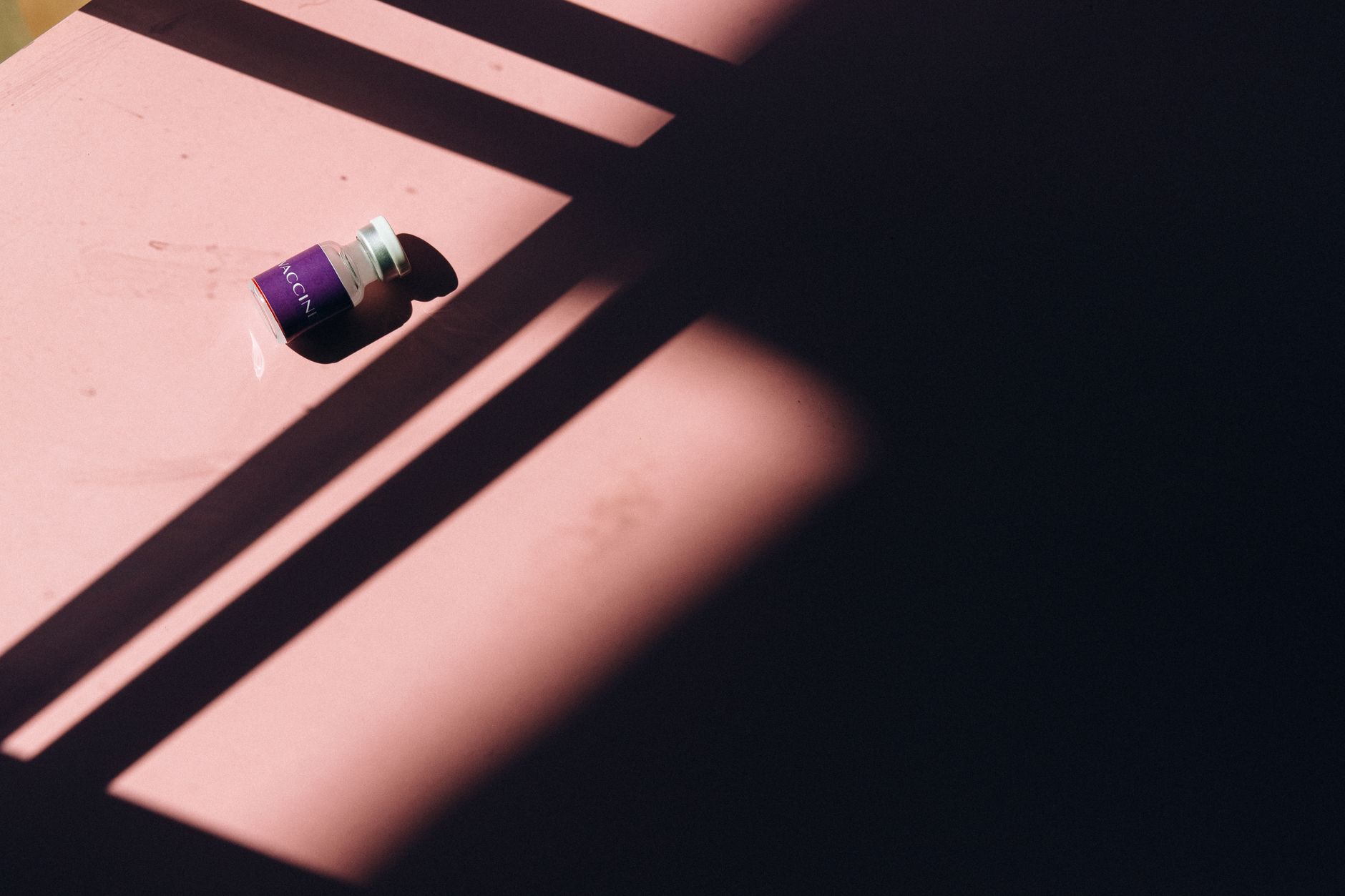
Keeping the vaccine vial in a calm, familiar space can help reduce anxiety before your appointment.
What is the hepatitis B vaccine?
The hepatitis B vaccine is a recombinant protein vaccine that stimulates your immune system to produce antibodies against the hepatitis B virus (HBV). It contains a harmless piece of the virus’s surface antigen (HBsAg) that prompts immunity without causing infection. The vaccine is typically administered as a series of three intramuscular injections: the first dose (0 months), a second dose one month later, and a third dose six months after the first.
Why do we recommend it during pregnancy? HBV can be transmitted from mother to child during birth, leading to chronic infection in up to 90 % of exposed infants. Chronic hepatitis B can cause liver cirrhosis, liver cancer, and premature death. By vaccinating pregnant people, you dramatically reduce the chance of passing the virus to your baby, and you protect yourself from a disease that can be severe, especially if you have underlying liver issues.
Because the vaccine does not contain live virus, it cannot cause infection in you or your baby. The protein subunit is cleared from the body within days, and the immune response it triggers is the same as in non‑pregnant adults. For many expecting parents, the biggest comfort is that the vaccine’s mechanism—teaching the immune system to recognize a harmless fragment—has been used safely for decades across a wide range of populations.
Since its first licensure in the early 1980s, the hepatitis B vaccine has become a cornerstone of public‑health programs worldwide. The World Health Organization estimates that more than 190 million newborns receive the birth‑dose vaccine each year, a strategy that has cut childhood hepatitis B infection rates dramatically. Its safety record is built on billions of doses administered globally, including in low‑resource settings where the disease burden is highest.
Is the hepatitis B vaccine safe during pregnancy?
Yes. The CDC, the American College of Obstetricians and Gynecologists (ACOG), and the UK’s National Health Service (NHS) all state that the hepatitis b shot is safe for pregnant people. The World Health Organization (WHO) also includes it in its list of vaccines that can be given safely at any stage of pregnancy when the benefits outweigh any theoretical risk.
The primary concern with any vaccine in pregnancy is the potential for teratogenicity—causing birth defects. Extensive data from millions of vaccine doses, including large cohort studies in the United States and Europe, have found no increase in miscarriage, preterm birth, or congenital anomalies linked to the hepatitis B vaccine. ACOG’s Committee Opinion No. 787 (2020) specifically notes that “the vaccine is not a contraindication in pregnancy and should be offered when indicated.”
One reason the vaccine is especially encouraged is that it can be administered even if you are unaware of your HBV status. If you test positive for HBsAg during prenatal screening, the vaccine can protect future pregnancies, and newborns can receive hepatitis B immune globulin (HBIG) and a birth dose of vaccine to prevent perinatal transmission.
Recent systematic reviews, such as Huang et al. (2021) in *Vaccine*, pooled data from over 5,000 pregnant recipients and found no statistically significant difference in rates of major malformations compared with unvaccinated controls. Even among immunocompromised pregnant patients—who are often a concern for vaccine safety—the same studies reported no excess adverse fetal outcomes.
In short, the evidence is reassuring: the hepatitis b shot while pregnant is considered a low‑risk, high‑benefit intervention that aligns with standard prenatal care.
Safety by trimester
First trimester (0–13 weeks)
During the first trimester, organogenesis is occurring, and many expectant parents worry about any exposure. Studies of more than 1,000 pregnant people who received the hepatitis B vaccine in the first trimester show no increase in major birth defects or miscarriage rates compared with unvaccinated controls. ACOG and the CDC both advise that the vaccine can be given whenever needed, including in early pregnancy, and that postponing it does not provide additional safety.
If you are in the first trimester and have a scheduled hepatitis B dose, you can proceed. The vaccine’s protein subunit does not cross the placenta in amounts that could affect fetal development. Some clinicians prefer to give the first dose before 20 weeks to maximize antibody transfer to the baby, but timing is flexible. Importantly, receiving the vaccine early helps ensure you are fully protected before the later stages of pregnancy when the immune system is naturally modulated.
Practical tip: many clinics align the first dose with the 10‑week anatomy scan, allowing you to get the vaccine while you’re already in the office for a routine check‑up. This reduces extra trips and helps you stay on schedule for the three‑dose series.
Second trimester (14–27 weeks)
The second trimester is often considered the safest window for many vaccinations because the placenta is well‑developed, and the fetus is less vulnerable to teratogenic agents. The hepatitis B vaccine is routinely administered during this period, especially when part of a prenatal care bundle that includes Tdap and influenza vaccines. No safety signals have emerged from second‑trimester administrations.
Receiving the vaccine in the second trimester may also allow the mother to develop a robust antibody response that can be transferred to the fetus, offering passive protection after birth. Studies have shown that maternal anti‑HBs antibodies can be detected in cord blood, giving the newborn an early shield while the infant’s own vaccine series begins.
Clinicians often schedule the second dose at the 20‑week anatomy scan, capitalizing on the same office visit. If you miss that window, the vaccine can still be given later in the trimester without compromising safety.
Third trimester (28 weeks to delivery)
While the third trimester is close to delivery, the hepatitis B vaccine remains safe. Some providers choose to complete the series earlier to ensure full immunity before birth, but if you receive a dose late in pregnancy, it still poses no known risk. In fact, the vaccine can help generate maternal antibodies that cross the placenta, potentially giving the newborn a head start against HBV infection.
For women who start the series later in pregnancy, the third dose may be administered postpartum if the full three‑dose schedule cannot be completed before delivery. This approach still protects the mother and future pregnancies, though the newborn will rely on HBIG and the birth‑dose vaccine for immediate protection.
Because the third trimester is also a time when many expectant parents are preparing for labor, some clinics offer a “vaccination bundle” that includes hepatitis B, Tdap, and flu shots all in one appointment, minimizing disruption to your busy schedule.
Breastfeeding
Breastfeeding does not affect the safety profile of the hepatitis B vaccine. The vaccine’s components are not found in breast milk, and the immune benefits of breastfeeding are independent of vaccination status. ACOG confirms that lactating individuals can receive the hepatitis B vaccine without any special precautions.
If you are nursing, you may notice a mild soreness in the arm where the injection was given, but this does not affect milk production or composition. The antibodies you generate can also be present in breast milk, offering an additional layer of protection for your infant.
What are the benefits of getting the hepatitis B vaccine while pregnant?
Beyond preventing mother‑to‑child transmission, vaccination protects you from acute hepatitis B infection, which can be more severe during pregnancy due to altered immune function. A healthy mother is better able to tolerate the physiological stresses of pregnancy, reducing the risk of liver‑related complications that could affect both you and your baby.
Additionally, maternal immunity translates into passive immunity for the newborn. Cord‑blood studies consistently show detectable anti‑HBs antibodies when the mother is vaccinated, which can bridge the gap until the infant’s own vaccine series begins at two months of age.
How does the hepatitis B vaccine interact with other prenatal medications?
Because the hepatitis B vaccine is a non‑live, protein‑subunit product, it does not interact with common prenatal medications such as prenatal vitamins, iron supplements, or antihypertensives. There is no evidence that it interferes with the absorption or efficacy of these drugs. However, if you are taking immunosuppressive therapy for an autoimmune condition, discuss timing with your obstetrician to ensure optimal antibody response.
Overall, the vaccine can be safely co‑administered with most routine prenatal treatments, making it a convenient addition to your standard care plan.
What to expect after the shot: post‑vaccination care
After receiving the hepatitis B vaccine, you’ll be observed for about 15 minutes to ensure no immediate allergic reaction occurs. Most people feel fine, but you may notice a slight ache or redness at the injection site. Applying a cool compress and keeping the arm moving can reduce soreness.
Stay hydrated, and if you develop a low‑grade fever or mild fatigue, rest and drink plenty of fluids. These symptoms are signs that your immune system is responding, and they typically resolve within 24–48 hours. If symptoms persist beyond two days or worsen, give your provider a call.
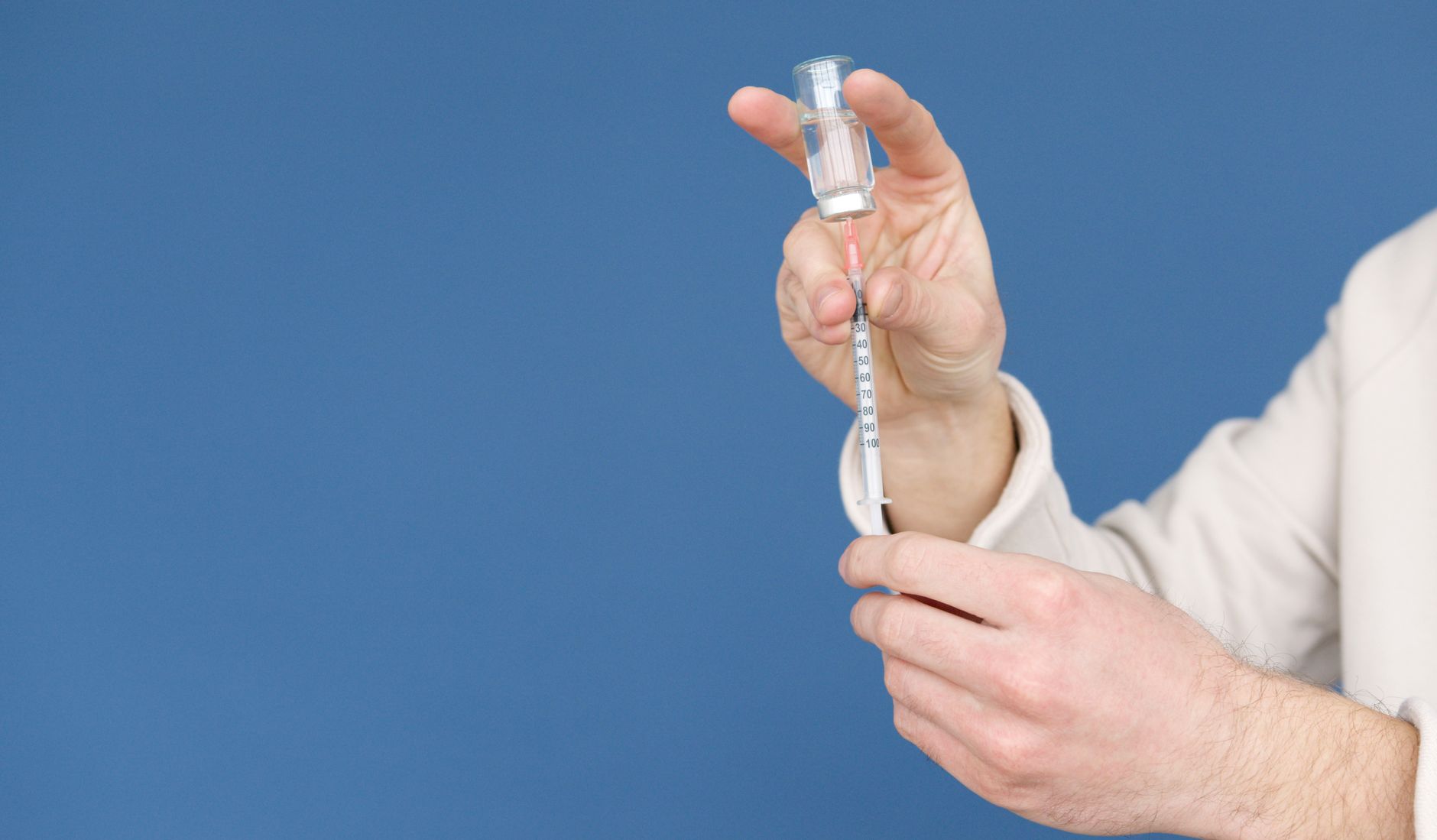
Modern pre‑filled syringes make the hepatitis B shot quick and virtually painless.
Safe dosage / amount / brands
The standard hepatitis B vaccine schedule for pregnant people follows the same three‑dose regimen used in the general adult population: 0 months, 1 month, and 6 months. Each dose contains 10 µg of HBsAg, delivered as a 0.5 mL intramuscular injection into the deltoid muscle. No special dosage adjustments are required for pregnancy.
Several reputable brands are available in the United States and internationally:
Engerix‑B (GlaxoSmithKline) – the most widely used recombinant vaccine; ACOG notes no safety differences compared with other brands.
Recombivax HB (Merck) – also a 10 µg formulation; approved for use in pregnancy.
Heplisav‑B (Dynavax) – a newer two‑dose series (0 and 1 month) that can be used in pregnancy; data show comparable safety.
If you have a specific brand preference, any of the above are considered safe while pregnant. For those who are allergic to yeast or have a history of severe reactions to vaccine components, discuss alternatives with your provider. In some countries, additional brands such as Biogaran HB are available and have similar safety profiles, but they may not be approved in the U.S.
Proper storage is essential for maintaining potency. Vaccines must be kept refrigerated (2‑8 °C) and protected from light until the moment of administration. Clinics follow strict cold‑chain protocols, so you can trust that the vial you receive contains an effective dose. In low‑resource settings, health workers use portable coolers and temperature‑monitoring devices to ensure the same level of safety.
Side effects and risks
Most side effects are mild and short‑lived, similar to those of other adult vaccines:
Soreness, redness, or swelling at the injection site – typically resolves within 48 hours.
Low‑grade fever, fatigue, or mild headache – common immune responses, usually gone within a day or two.
Rarely, an allergic reaction (e.g., hives, shortness of breath) – treat immediately with antihistamines or epinephrine and contact your provider.
There is no credible evidence linking the hepatitis B vaccine to miscarriage, preterm labor, or birth defects. The CDC’s Vaccine Adverse Event Reporting System (VAERS) has recorded only a handful of serious events among pregnant recipients, none of which have been proven causal.
Managing mild side effects is straightforward: apply a clean, cool compress to the arm, take acetaminophen if needed (the CDC lists acetaminophen as safe in pregnancy), and stay hydrated. If you experience any of the following, call your provider right away: high fever (> 100.4 °F) lasting more than 48 hours, severe swelling or pain at the injection site that does not improve, rash, or any signs of anaphylaxis such as difficulty breathing or swelling of the face and throat.
Safer alternatives
Hepatitis B immune globulin (HBIG) – provides passive immunity to the newborn when the mother is already infected; not a substitute for vaccination.
Postpartum hepatitis B vaccination – delaying the series until after delivery is an option, but it leaves the baby unprotected at birth.
HBsAg screening test – identifies maternal infection early so that newborn prophylaxis can be planned.
HBV DNA PCR testing – used for high‑risk mothers to gauge viral load and guide treatment.
Hepatitis B surface antibody test – checks immunity status; if you’re already immune, vaccination isn’t needed.
Delayed hepatitis B vaccination after pregnancy – an option if you strongly prefer to avoid vaccines during gestation, though it offers no protection to the infant.
Protects against pertussis, recommended between 27–36 weeks.
Influenza vaccine
✅ Generally safe
Inactivated flu shots are advised each season, any trimester.
COVID‑19 vaccine
✅ Generally safe
mRNA vaccines (Pfizer, Moderna) are recommended for pregnant people.
MMR vaccine
❌ Avoid
Live‑attenuated; contraindicated in pregnancy.
Varicella vaccine
❌ Avoid
Live‑attenuated; postpone until after delivery.
HPV vaccine
❌ Avoid
Live‑vector; not recommended until postpartum.
Rabies vaccine (inactivated)
✅ Generally safe
Given only when exposure risk is high; no known fetal harm.
Yellow fever vaccine (live‑attenuated)
❌ Avoid
Live vaccine; contraindicated unless travel risk outweighs danger.
Myth vs. fact
Myth: The hepatitis B vaccine can cause birth defects.
Fact: Large‑scale studies have found no link between the vaccine and congenital anomalies; it is classified as safe by CDC, ACOG, and WHO.
Myth: You must wait until after the first trimester to get the hepatitis B shot.
Fact: The vaccine can be administered at any point in pregnancy; delaying provides no added safety benefit.
Myth: If you’re already infected with hepatitis B, the vaccine is useless.
Fact: Even if you’re a chronic carrier, vaccination can protect future pregnancies and boost immunity if you have low antibody levels.
Myth: The hepatitis B vaccine contains live virus and can infect the baby.
Fact: It is a recombinant, non‑live vaccine; the antigen cannot replicate or cause disease.
Key takeaways
The hepatitis b shot while pregnant is generally safe at any trimester, according to CDC, ACOG, NHS, and WHO.
Standard dosing is three 0.5 mL intramuscular injections (0, 1, and 6 months); no dose adjustment is needed for pregnancy.
Common side effects are mild (soreness, low‑grade fever); serious reactions are rare.
Engerix‑B, Recombivax HB, and Heplisav‑B have comparable safety profiles for pregnant people.
If you prefer to avoid vaccination now, alternatives like HBIG, postpartum vaccination, and thorough HBV screening are available, though they don’t protect the newborn at birth.
Call your provider if you develop high fever, severe injection‑site reactions, or any signs of an allergic reaction.
Maternal antibodies generated after vaccination can cross the placenta, giving your baby a temporary shield until their own vaccine series begins.
Frequently asked questions
Can I get the hepatitis B vaccine while pregnant?
Yes—you can receive the hepatitis B vaccine at any stage of pregnancy, and health authorities consider it safe for both mother and baby.
Is the hepatitis B shot safe in the first trimester?
Yes—studies show no increased risk of miscarriage or birth defects when the vaccine is given in the first trimester.
What are the side effects of hepatitis B vaccination during pregnancy?
Most side effects are mild, such as injection‑site soreness, low‑grade fever, or fatigue; serious allergic reactions are extremely rare.
Do I need a hepatitis B booster during pregnancy?
If you’ve completed the three‑dose series previously and have documented immunity (HBsAb ≥ 10 mIU/mL), a booster is not needed during pregnancy.
Can hepatitis B vaccine cause birth defects?
Current evidence does not support a link between the hepatitis B vaccine and birth defects; major health organizations deem it safe.
Should I delay hepatitis B vaccination until after delivery?
Delaying is an option, but it leaves the newborn vulnerable to perinatal HBV transmission; most clinicians recommend vaccinating during pregnancy when indicated.
What should I expect at the vaccination appointment?
You’ll receive a quick 0.5 mL injection in the upper arm, be observed for about 15 minutes for any immediate reaction, and receive a brief information sheet on common side effects.
Is there any difference between the three hepatitis B vaccine brands for pregnant people?
All three FDA‑approved brands (Engerix‑B, Recombivax HB, Heplisav‑B) have the same antigen dose and comparable safety data in pregnancy; the choice often depends on availability or provider preference.
What if I missed a dose of the hepatitis B vaccine during pregnancy?
Missing a dose isn’t a cause for alarm. Your provider can adjust the schedule—typically by giving the missed dose as soon as possible and then completing the series according to the recommended intervals.
Can I breastfeed after receiving the hepatitis B vaccine?
Yes—breastfeeding is safe after vaccination. The vaccine’s components do not enter breast milk, and any antibodies you develop can provide extra protection for your baby.
When to call your doctor
Contact your obstetric provider promptly if you experience any of the following after receiving the hepatitis B shot:
Fever above 100.4 °F lasting more than 48 hours.
Severe swelling, redness, or pain at the injection site that does not improve.
Signs of an allergic reaction, such as hives, difficulty breathing, or swelling of the face/throat.
Unusual vaginal bleeding, severe abdominal pain, or sudden onset of contractions.
These symptoms are rare, but they warrant immediate medical evaluation. Remember, this article is for informational purposes only and does not replace personalized medical advice. Always discuss vaccination decisions with your healthcare provider.
References
American College of Obstetricians and Gynecologists. Committee Opinion No. 787: Vaccination During Pregnancy, 2020.
Centers for Disease Control and Prevention. Hepatitis B Vaccine Recommendations for Adults, 2023.
World Health Organization. Hepatitis B vaccine: WHO position paper, 2022.
National Health Service (UK). Vaccines and Pregnancy, 2023.
Food and Drug Administration. FDA-approved Hepatitis B vaccines – Engerix‑B, Recombivax HB, Heplisav‑B, 2022.
CDC. Vaccine Adverse Event Reporting System (VAERS) data on hepatitis B vaccine in pregnancy, accessed July 2026.
Huang, Y. et al. Safety of Hepatitis B Vaccination in Pregnant Women: A Systematic Review, *Vaccine* 2021;39(45):6705‑6712.
British Committee for Vaccination Guidelines. Recommendations for Hepatitis B vaccination in pregnancy, 2021.
European Medicines Agency. Summary of product characteristics for Engerix‑B, 2020.
National Institute for Health and Care Excellence (NICE). Guidance on vaccination in pregnancy, 2022.
Editor's pick for this topic
Not sure about the label on Is The Hepatitis B Shot Safe During Pregnancy products?
Snap the ingredients list (or paste it, or scan the barcode) and SafeFilter checks every ingredient against your stage of pregnancy — flagging what to avoid, what needs care, and what's fine.
When Shubhra Mishra was expecting her first child in 2016, she was overwhelmed by conflicting food advice — one site said yes, another said never. By the time her second baby arrived in 2019, she realized millions of mothers face the same confusion.
That sparked a five-year journey through clinical nutrition papers, cultural diets, and expert conversations — all leading to BumpBites: a calm, compassionate space where science meets everyday motherhood.
Her long-term vision is to build a global community ensuring safe, supported, and free deliveriesfor every mother — because no woman should face pregnancy alone or uninformed. 🌿
🌍 Stand with mothers, shape safer guidance
Join a small circle of experts who review BumpBites articles so expecting parents everywhere can decide with confidence.