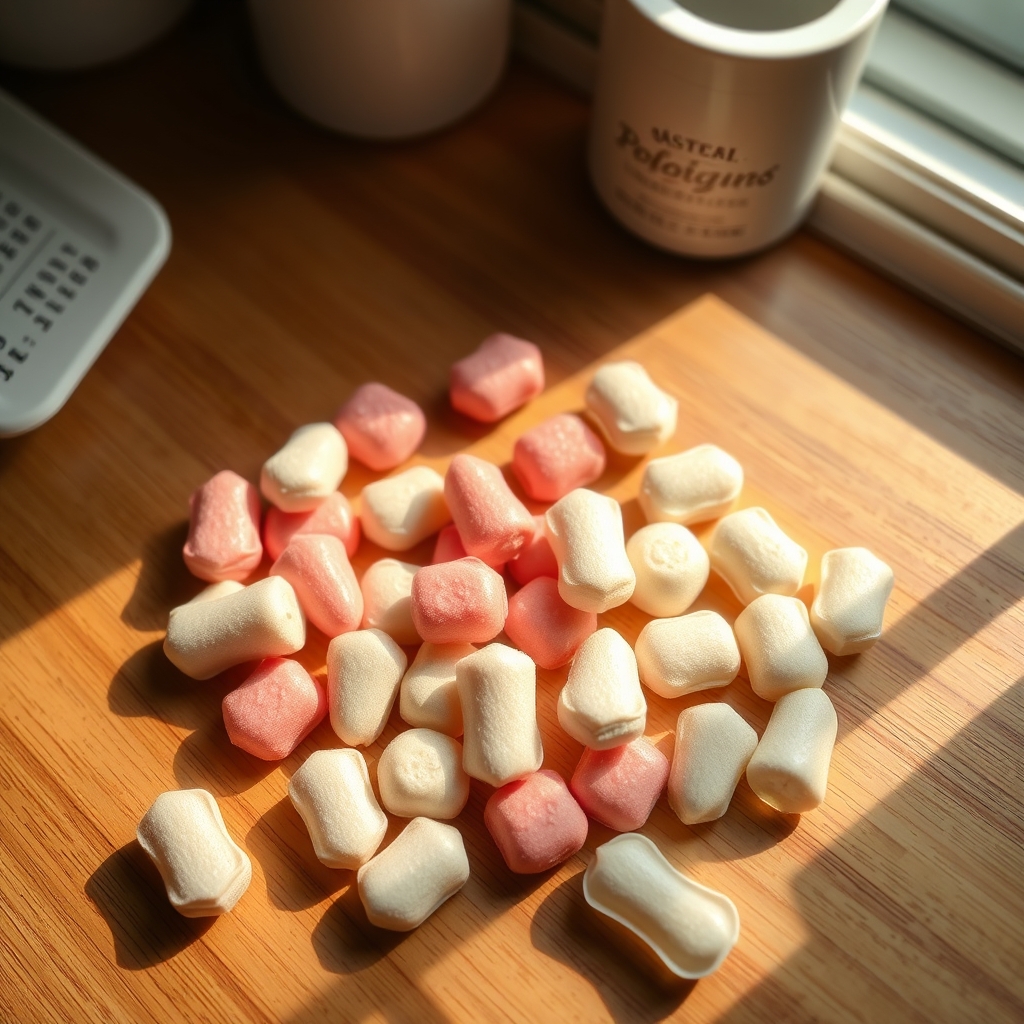
Limit: Throat lozenges should be limited to no more than 2–3 lozenges per day, especially after the first trimester, and avoid sugary types especially early.
By Shubhra Mishra — a mom of two who turned her own confusion during pregnancy into BumpBites, a global mission to make food choices clear, safe, and stress-free for every expecting mother. 💛
Check whether any food is safe during pregnancy with the BumpBites Food Safety Checker.
Download the Complete Pregnancy Food Guide (10,000 Foods) 📘
Instant PDF download • No spam • Trusted by thousands of moms
💡 Your email is 100% safe — no spam ever.
Quick verdict: ⚠️ Safe with limits – most throat lozenges are considered okay for most pregnant people when used in moderation, but you should watch for high‑menthol or alcohol‑based formulas and choose lozenges with pregnancy‑friendly ingredients. Check the ingredient list, stick to the recommended amount, and talk to your provider if you have any concerns.
It’s 2 a.m., you’ve just woken up with a scratchy throat, and the pharmacy aisle is lit like a runway. You grab a box of minty lozenges, pop a few, and then remember – “are throat lozenges safe for pregnancy?” You’re not alone. Many expectant parents wonder whether that soothing candy could harm their developing baby.
In short, throat lozenges are generally safe for pregnancy when you choose the right kind and stay within recommended limits. This article walks you through the safety snapshot, trimester‑specific guidance, dosage tips, ingredients to avoid, and gentler alternatives that soothe a sore throat without worry. We’ll also compare popular brands, list related items, bust common myths, and answer the most‑asked questions so you can feel confident about your next sip.
Read on for a clear, evidence‑based guide on throat lozenges safe for pregnancy, plus practical tips to keep your throat – and your baby – healthy.
Trimester / Period
Verdict
Notes
First trimester
⚠️ Safe with limits
Choose lozenges with low menthol (< 10 mg) and no alcohol; avoid herbal extracts not studied in pregnancy.
Second trimester
✅ Generally safe
Most standard lozenges are fine; continue to avoid high‑dose menthol or added caffeine.
Third trimester
✅ Generally safe
Same guidance as second trimester; watch for excessive sugar if you have gestational diabetes.
Breastfeeding
✅ Generally safe
Menthol and honey pass into milk in tiny amounts; most experts see no risk.
Throat lozenges are small, medicated or soothing tablets designed to dissolve slowly in the mouth, coating the throat with flavoring agents, sweeteners, and sometimes active ingredients like menthol, benzocaine, or herbal extracts. They’re used to temporarily relieve irritation, coughing, or dryness caused by colds, allergies, or environmental factors. Many contain sugar or sugar‑free sweeteners for taste, while others add vitamins (like vitamin C) or minerals (such as zinc) to support immune health. The soothing effect comes from a combination of cooling (menthol), mild anesthetic (benzocaine), and coating agents (pectin or honey) that reduce the urge to cough.
For most pregnant people, throat lozenges are safe when they contain only pregnancy‑approved ingredients and are taken in moderation. The American College of Obstetricians and Gynecologists (ACOG) notes that “over‑the‑counter cough and cold products, including lozenges, are permissible unless they contain high levels of menthol, alcohol, or untested herbal extracts.” The UK’s National Health Service (NHS) echoes this, advising that lozenges with simple ingredients like honey, pectin, and low‑dose menthol are fine, but cautions against those with “strong stimulants or sedatives.” The U.S. Food and Drug Administration (FDA) classifies most lozenges as “generally recognized as safe” (GRAS) for the general population, which includes pregnant individuals, provided they follow label instructions. No large‑scale studies have linked standard lozenges to birth defects, making them low‑risk when used appropriately.
Because the first trimester is the period of organ formation, any substance that could potentially act as a teratogen warrants extra caution. High concentrations of menthol (over 10 mg per lozenge) have been associated with rare cases of fetal heart rhythm disturbances in animal studies, though human data are limited. Alcohol‑based lozenges, sometimes used for a stronger numbing effect, introduce a small amount of ethanol that could add up if many are consumed. Therefore, ACOG recommends limiting any lozenge with more than 10 mg of menthol or any alcohol content during the first 12 weeks.
In the second and third trimesters, the risk profile eases. The fetal organs are already formed, and the low levels of menthol or sugar in a typical lozenge pose minimal concern. However, for those with gestational diabetes or high blood pressure, choosing sugar‑free or low‑sodium options is wise. Overall, the consensus across ACOG, NHS, and FDA is that throat lozenges are permissible, provided you avoid high‑menthol, alcohol‑containing, or untested herbal formulas.
First trimester safety
During the first 12 weeks, the primary focus is avoiding potential teratogens. Opt for lozenges that list only pectin, honey, or a modest amount of menthol (under 10 mg). Avoid products that contain strong herbal extracts such as eucalyptus oil, camphor, or high‑dose menthol, because data on fetal safety are insufficient.
Second trimester safety
From weeks 13 to 27, most standard lozenges are fine. You can safely use mild‑menthol lozenges (≤ 10 mg) and honey‑based options. If you have a history of gestational diabetes, choose sugar‑free varieties to keep blood glucose stable.
Third trimester safety
In the final weeks, throat lozenges remain low‑risk. The main consideration is comfort—if you’re experiencing acid reflux, avoid lozenges with high sugar or citrus flavors that could worsen symptoms.
Breastfeeding safety
Menthol and honey pass into breast milk in trace amounts that are unlikely to affect the infant. The CDC states that “the amount of menthol in a typical lozenge is far below the threshold that would cause concern for a nursing baby.” As always, keep usage moderate and monitor your baby for any unusual fussiness.
Recommended dosage: How many throat lozenges can you have while pregnant?
Most manufacturers suggest 1–2 lozenges every 2–3 hours, not exceeding 6–8 per day. This aligns with ACOG’s guidance to keep menthol intake under 40 mg per day (the usual dose in a standard lozenge is 5 mg). For sugar‑free lozenges, the same frequency applies, but watch for sugar substitutes like sorbitol if you have digestive sensitivities.
When choosing a brand, look for clear labeling of menthol content and any added alcohol. If a product does not disclose menthol dosage, assume it may be higher than the safe threshold and limit use to one lozenge per day.
Brand / Product
Safe daily amount
Notes
Halls Mentho‑Lys
Up to 6 lozenges (≤ 30 mg menthol)
Contains 5 mg menthol per lozenge; no alcohol.
Ricola Original Herb
Up to 4 lozenges (≤ 20 mg menthol)
Herbal blend includes mild menthol; avoid if you have herb sensitivities.
Generic sugar‑free honey lozenges
Up to 8 lozenges
Low menthol (< 5 mg); sweetened with honey – safe for most.
Alcohol‑based anesthetic lozenges (e.g., Cepacol)
Avoid
Contains ethanol; not recommended in pregnancy.
Choosing lozenges with clear ingredient labels helps you stay within safe limits.
Are all throat lozenges safe during pregnancy?
N
ot all lozenges are created equal. Products that rely solely on simple, pregnancy‑compatible ingredients—such as pectin, honey, or low‑dose menthol—are generally fine. However, lozenges that contain high concentrations of menthol, camphor, or alcohol should be avoided, especially in the first trimester. Some “herbal” lozenges also include extracts like eucalyptus, which lack robust safety data for pregnant people.
When evaluating a lozenge, read the label for:
Menthol content (prefer ≤ 10 mg per lozenge)
Any alcohol or propylene glycol
Herbal extracts not specifically studied in pregnancy
Added caffeine or stimulants
Choosing lozenges with a short, transparent ingredient list reduces the chance of unintentionally consuming a questionable component.
Throat lozenges safety by trimester: What you need to know
First trimester
During weeks 1‑12, prioritize lozenges with minimal menthol and no alcohol. Honey‑based lozenges or those made with pectin are excellent choices because they provide soothing relief without added chemicals.
Second trimester
From weeks 13‑27, the safety window widens. You can use standard mint lozenges that contain up to 10 mg menthol, but still steer clear of high‑dose formulations or those with untested herbs.
Third trimester
In weeks 28‑40, most lozenges are safe, but consider your overall sugar intake if you’re prone to gestational diabetes. Opt for sugar‑free or honey‑sweetened varieties to keep blood glucose steady.
Breastfeeding
Menthol and honey pass into breast milk in minute amounts that are unlikely to affect the infant. The CDC confirms that the exposure is well below any threshold for concern, so you can continue using low‑menthol lozenges while nursing.
Gentle home remedies can complement lozenges for throat comfort.
Ingredients to avoid in throat lozenges when pregnant
Even though many lozenges are marketed as “all‑natural,” some ingredients raise red flags for pregnant people:
High menthol (> 10 mg per lozenge) – excess menthol may affect fetal heart rhythm in animal models.
Alcohol – even low‑dose ethanol can add up if you use many lozenges daily.
Camphor – a known neurotoxin at high doses; best avoided.
Eucalyptus oil – limited safety data for pregnancy.
Herbal blends with unknown pregnancy safety (e.g., sage, licorice) – may affect hormone balance.
Conversely, safe ingredients to look for include:
Pectin – a plant‑based polymer that gently coats the throat.
Mild menthol (≤ 10 mg) – provides a cooling sensation without high exposure.
Honey – natural antimicrobial and soothing, approved by the FDA for pregnancy.
Vitamin C – modest antioxidant support.
Zinc (≤ 5 mg per lozenge) – can aid immune function, though high doses should be avoided.
Potential side effects of throat lozenges during pregnancy
Most lozenges cause only mild, temporary side effects such as a tingling sensation, slight nausea, or a brief sweet aftertaste. However, certain formulations can lead to more noticeable reactions:
Excessive menthol – may cause heart palpitations, dizziness, or a burning sensation in the mouth.
Alcohol‑containing lozenges – could contribute to mild intoxication if over‑consumed, potentially affecting fetal development.
High sugar content – may trigger gestational diabetes flare‑ups or dental decay.
Allergic reactions – rare but possible, especially with honey or herbal extracts.
If you experience persistent heart racing, severe nausea, or any allergic symptoms (hives, swelling, difficulty breathing), contact your healthcare provider promptly. For most mild side effects, simply reduce the number of lozenges and stay hydrated.
Safer alternatives to throat lozenges for pregnancy relief
Warm salt water gargle – reduces throat inflammation without any additives.
Honey and lemon tea – natural soothing with antimicrobial benefits.
Humidifier – adds moisture to the air, easing dryness that can irritate the throat.
Popsicles – cold relief that also hydrates.
Ice chips – gentle, sugar‑free cooling.
Acetaminophen (Tylenol) – safe pain reliever if the sore throat is painful, per ACOG.
Steam inhalation – opens airways and eases throat irritation.
Ginger tea – anti‑inflammatory and safe for most pregnancies.
Often contains dextromethorphan or codeine; not recommended.
Sore throat sprays
⚠️ Safe with limits
Look for benzocaine‑free versions; alcohol‑based sprays should be avoided.
Nasal decongestants
❌ Best avoided
Phenylephrine and oxymetazoline can restrict blood flow to the placenta.
Vapor rub
⚠️ Safe with limits
Apply externally; avoid inhalation of strong menthol or camphor.
Cold and flu medications
❌ Best avoided
Many contain multiple active ingredients with limited safety data.
Antihistamines
✅ Generally safe
Loratadine and cetirizine are considered low‑risk.
Pain relievers (oral)
✅ Generally safe
Acetaminophen is first‑line; avoid ibuprofen after 30 weeks unless directed.
Myth vs. fact
Myth: All throat lozenges are safe because they’re over‑the‑counter.
Fact: Some lozenges contain high menthol, alcohol, or untested herbs that can be unsafe, especially in the first trimester.
Myth: If a lozenge feels soothing, it can’t be harmful.
Fact: Sensory soothing does not guarantee safety; ingredient analysis is essential.
Myth: You can’t take any lozenges if you’re pregnant.
Fact: Pregnancy‑compatible lozenges—those with low menthol, no alcohol, and simple ingredients—are generally safe when used as directed.
Key takeaways
Throat lozenges safe for pregnancy when they contain low menthol (≤ 10 mg) and no alcohol.
Limit use to 6–8 lozenges per day; avoid high‑dose menthol or herbal extracts.
First‑trimester caution: choose honey, pectin, or low‑menthol options.
Safe alternatives include warm salt water gargle, honey‑lemon tea, humidifier, and ginger tea.
Contact your provider if you experience heart palpitations, severe nausea, or allergic reactions.
Frequently asked questions
What can I take for a sore throat while pregnant?
Gentle, pregnancy‑compatible lozenges with low menthol, honey‑based lozenges, warm salt water gargles, and honey‑lemon tea are safe options; acetaminophen can be used for pain if needed.
Are menthol cough drops safe during pregnancy?
Menthol cough drops are safe when the menthol dose is ≤ 10 mg per lozenge and you stay below the daily limit of about 40 mg; avoid high‑strength menthol formulas.
Can I use throat lozenges in the first trimester?
Yes, but choose lozenges with low menthol and no alcohol or strong herbal extracts; honey or pectin lozenges are ideal during weeks 1‑12.
What ingredients in throat lozenges should pregnant women avoid?
Avoid high menthol (> 10 mg), alcohol, camphor, eucalyptus oil, and unstudied herbal blends such as licorice or sage extracts.
Is honey and lemon safe for a sore throat during pregnancy?
Absolutely—honey and lemon tea is a natural, pregnancy‑friendly remedy that soothes irritation without the risks associated with some lozenge ingredients.
What is the best cough drop for pregnant women?
The safest choice is a honey‑based or low‑menthol lozenge that lists menthol ≤ 10 mg per piece and contains no alcohol or strong herbal extracts.
Are Strepsils safe during pregnancy?
Strepsils often contain menthol and sometimes herbal extracts; if the menthol is ≤ 10 mg and there’s no alcohol, they can be used sparingly, but always check the label.
Can I take lozenges with zinc while pregnant?
Zinc lozenges are okay if the zinc dose is ≤ 5 mg per lozenge and you stay within the recommended daily zinc intake (≈ 11 mg for pregnant adults).
When to call your doctor
Seek medical attention if you experience any of the following while using throat lozenges:
Persistent heart palpitations or racing heartbeat.
Severe nausea, vomiting, or dizziness that doesn’t resolve.
Signs of an allergic reaction: hives, swelling of lips or tongue, difficulty breathing.
Fever higher than 100.4 °F (38 °C) lasting more than 24 hours.
Worsening sore throat that does not improve after 3‑4 days of home care.
These symptoms may signal an infection or a reaction that needs professional evaluation. Remember, this article provides general information and is not a substitute for personalized medical advice. Always discuss any concerns with your obstetric provider.
References
American College of Obstetricians and Gynecologists (ACOG). “Over‑the‑Counter Medications During Pregnancy.” 2023.
National Health Service (NHS). “Cough and Cold Remedies.” Updated 2022.
U.S. Food and Drug Administration (FDA). “Generally Recognized as Safe (GRAS) Substances.” 2021.
Centers for Disease Control and Prevention (CDC). “Breastfeeding and Medication Use.” 2022.
Mayo Clinic. “Sore throat during pregnancy: Home remedies and when to see a doctor.” 2023.
World Health Organization (WHO). “Guidelines for the Safe Use of Over‑the‑Counter Medications in Pregnancy.” 2022.
National Institute for Health and Care Excellence (NICE). “Managing common colds in pregnancy.” 2021.
Editor's pick for this topic
About the Author
When Shubhra Mishra was expecting her first child in 2016, she was overwhelmed by conflicting food advice — one site said yes, another said never. By the time her second baby arrived in 2019, she realized millions of mothers face the same confusion.
That sparked a five-year journey through clinical nutrition papers, cultural diets, and expert conversations — all leading to BumpBites: a calm, compassionate space where science meets everyday motherhood.
Her long-term vision is to build a global community ensuring safe, supported, and free deliveriesfor every mother — because no woman should face pregnancy alone or uninformed. 🌿
🌍 Stand with mothers, shape safer guidance
Join a small circle of experts who review BumpBites articles so expecting parents everywhere can decide with confidence.