Is steak safe for pregnancy? Yes, but only if cooked to well-done to prevent foodborne illness. Learn about safe preparation, doneness levels, and risks during all trimesters.
By Shubhra Mishra — a mom of two who turned her own confusion during pregnancy into BumpBites, a global mission to make food choices clear, safe, and stress-free for every expecting mother. 💛
Check whether any food is safe during pregnancy with the BumpBites Food Safety Checker.
Quick verdict: ⚠️ Safe with limits. Well-done steak is generally safe during pregnancy, providing essential nutrients. However, undercooked steak (rare, medium-rare, or even medium) should be strictly avoided due to the risk of harmful foodborne illnesses.
Picture this: you're craving a juicy steak, the kind that melts in your mouth. But then, a wave of worry washes over you. "Is steak safe for pregnancy?" you wonder, remembering all the warnings about undercooked meats. You're not alone in this late-night Google search or the moment of hesitation at a restaurant. Many expecting parents grapple with these questions, wanting to nourish themselves and their growing baby without taking any risks.
At BumpBites, we understand that pregnancy brings a whole new level of scrutiny to everything you eat. When it comes to steak, the good news is that you don't have to give it up entirely. The key lies in how it's prepared. Well-done steak is a fantastic source of protein, iron, and B vitamins, all crucial for a healthy pregnancy. However, undercooked steak poses significant risks due to potential bacterial and parasitic contamination. We're here to walk you through everything you need to know about enjoying steak safely during pregnancy, from proper cooking temperatures to what to do if you've accidentally had a bite of something less than well-done.
When enjoying steak during pregnancy, ensure it is cooked to a safe internal temperature of 145°F (63°C) and rested properly, with no pink remaining inside.
Steak Safety Snapshot During Pregnancy
Here’s a quick overview of steak safety throughout your pregnancy and while breastfeeding, based on doneness:
Trimester/Period
Verdict
Notes
First Trimester
❌ Avoid undercooked; ✅ Well-done is safe
Highest risk window for birth defects from infections like Toxoplasmosis. Cook all steak to well-done.
Second Trimester
❌ Avoid undercooked; ✅ Well-done is safe
Risks of foodborne illness (Listeria, Salmonella, E. coli) remain significant. Ensure steak is thoroughly cooked.
Third Trimester
❌ Avoid undercooked; ✅ Well-done is safe
Foodborne illnesses can cause premature labor or severe illness in the pregnant person. Stick to well-done.
Breastfeeding
✅ Generally safe (any doneness)
The risk of passing pathogens through breast milk is very low. You can typically resume your preferred doneness, but always practice good food safety.
What is Steak?
Steak refers to a cut of meat, typically beef, sliced perpendicular to the muscle fibers, often including a bone. It's renowned for its rich flavor and tender texture, varying greatly depending on the cut (e.g., ribeye, sirloin, filet mignon, T-bone). Beyond its culinary appeal, steak is a nutritional powerhouse, especially beneficial during pregnancy. It's an excellent source of high-quality protein, essential for the growth and development of your baby's tissues and organs.
Moreover, steak provides significant amounts of heme iron, which is readily absorbed by the body. Iron is crucial for preventing iron-deficiency anemia, a common concern in pregnancy, as your blood volume increases dramatically to support both you and your baby. It also supplies vitamin B12, vital for nerve function and red blood cell formation, and zinc, important for immune function and cell division. While these nutrients are invaluable, the method of preparation is paramount to ensure steak is safe for pregnancy, as raw or undercooked meat can harbor harmful pathogens.
Is Steak Safe During Pregnancy?
The short answer is yes, steak can be safe during pregnancy, but only if it is cooked to a specific internal temperature to ensure it is well-done. This guidance is consistent across major health organizations like the American College of Obstetricians and Gynecologists (ACOG), the NHS (National Health Service) in the UK, and the FDA (U.S. Food and Drug Administration). The primary concern with undercooked meat during pregnancy is the risk of foodborne illnesses caused by bacteria (like Listeria, Salmonella, and E. coli) and parasites (specifically Toxoplasma gondii).
These pathogens can lead to serious health complications for both the pregnant person and the developing baby, ranging from severe illness in the mother to miscarriage, stillbirth, or severe birth defects in the baby. Cooking steak thoroughly destroys these harmful microorganisms, making it a safe and nutritious addition to your pregnancy diet. Therefore, while you might typically enjoy your steak rare or medium, during pregnancy, the recommendation is to opt for well-done, ensuring no pink remains and the juices run clear.
This isn't about shaming or restricting your food choices, but rather about informed decision-making to protect your pregnancy. We know it can be disappointing to forgo your preferred steak doneness for a while, but the temporary sacrifice is well worth the peace of mind. Always communicate your cooking preference clearly when ordering out, and use a meat thermometer when cooking at home to guarantee safety.
Using a meat thermometer is the most reliable way to ensure your steak reaches a safe internal temperature during pregnancy.
Is Rare Steak Safe During Pregnancy?
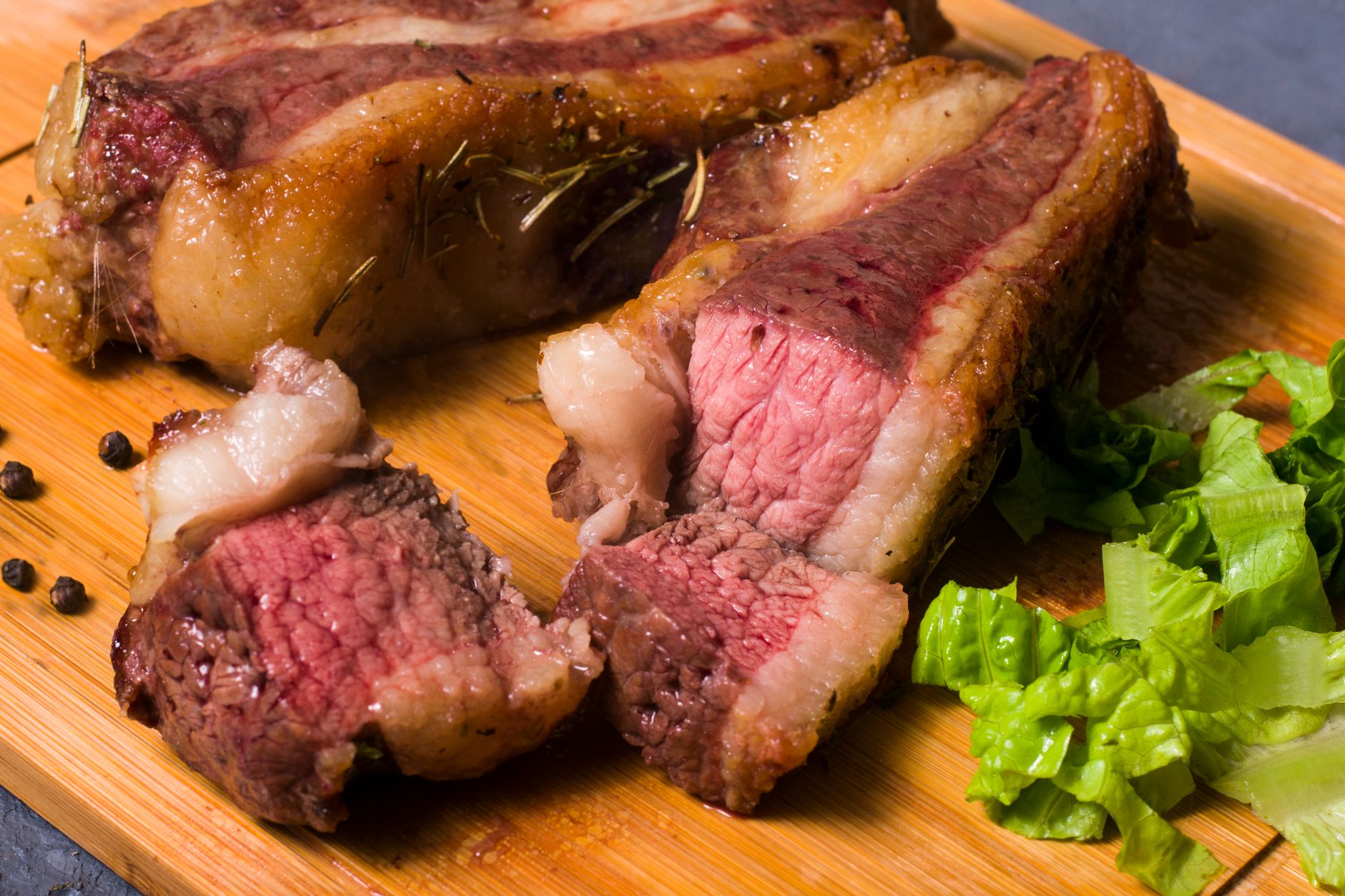
No, rare steak is not safe during pregnancy and should be strictly avoided. Rare steak is characterized by a cool red center and a very short cooking time, meaning it has not reached an internal temperature high enough to kill harmful bacteria and parasites. The risk of consuming Toxoplasma gondii, Listeria monocytogenes, Salmonella, or E. coli is significant with rare meat.
Toxoplasmosis, in particular, is a serious concern. If a pregnant person contracts toxoplasmosis, the parasite can cross the placenta and cause severe birth defects in the baby, including vision and hearing problems, intellectual disabilities, and brain damage. While rare steak might be a culinary delight outside of pregnancy, the potential consequences during this sensitive time far outweigh the enjoyment. Always ensure your steak is cooked to well-done to eliminate these risks.
Can Pregnant Women Eat Medium-Well Steak?
While medium-well steak has less pink than rare or medium, it still carries a risk during pregnancy and is generally not recommended by obstetricians and food safety experts. Medium-well steak typically has a thin line of pink in the center and is cooked to an internal temperature of around 135-140°F (57-60°C). While this is hotter than rare or medium, it may not be sufficient to kill all pathogens, especially Toxoplasma gondii, which requires a higher temperature.
To be completely safe and align with the recommendations from health authorities like the CDC (Centers for Disease Control and Prevention), steak for pregnant women must be cooked to a minimum internal temperature of 145°F (63°C) for whole cuts, followed by a three-minute rest, or 160°F (71°C) for ground beef, with no rest needed. This ensures no pink remains and the meat is thoroughly cooked throughout. Opting for well-done is the safest choice to avoid any potential harm to you or your baby.
Steak Safety in the First, Second, and Third Trimesters
The safety recommendations for steak remain consistent throughout all trimesters of pregnancy and into the breastfeeding period. The risk of foodborne illness from undercooked meat does not diminish as your pregnancy progresses.
First Trimester: This is a critical period for fetal development, including organ formation (organogenesis). Exposure to pathogens like Toxoplasma gondii or Listeria during this time can have the most severe consequences, including miscarriage or severe birth defects. Therefore, ensuring all steak is well-done is paramount.
Second Trimester: While organogenesis is largely complete, the baby continues to grow rapidly. Foodborne illnesses can still lead to serious complications such as preterm labor, fetal infection, or severe illness in the pregnant person. Continue to ensure your steak is cooked thoroughly.
Third Trimester: As you near your due date, foodborne illnesses can lead to premature delivery, fetal distress, or serious maternal illness that might complicate labor and delivery. The risk of Listeria, in particular, is higher in pregnant individuals and can lead to serious conditions like sepsis or meningitis in the newborn if contracted late in pregnancy.
Breastfeeding: Once your baby is born, the concerns regarding foodborne pathogens passing directly to your baby through breast milk are minimal. Most bacteria and parasites that cause food poisoning do not transfer into breast milk. Therefore, you can typically return to enjoying steak cooked to your preferred doneness. However, it's always wise to continue practicing good food safety habits to prevent personal illness, as being sick can make caring for a newborn much harder.
How Much Steak Can a Pregnant Woman Safely Eat?
When it comes to well-done steak, there isn't a specific "dosage" or amount limit for a pregnant woman beyond what's considered a healthy portion size within a balanced diet. The primary concern is the doneness, not the quantity. Once the steak is cooked thoroughly to a safe internal temperature, it becomes a beneficial source of nutrients.
A typical healthy portion of cooked meat is about 3-4 ounces (roughly the size of a deck of cards). Red meat like steak is rich in iron, protein, and B vitamins, which are all vital for pregnancy. The NHS recommends limiting red and processed meat to 70g (about 2.5 ounces) cooked weight per day, or 500g (about 17.5 ounces) per week, for general health, including pregnancy, due to potential links with certain health conditions. However, this is a general guideline for overall intake, not a strict safety limit for well-done steak related to foodborne illness.
Focus on making well-done steak part of a varied and nutritious diet. If you enjoy steak, having a safe portion a few times a week can certainly contribute to your nutrient intake. Listen to your body, and if you have any specific dietary concerns, always discuss them with your healthcare provider.
Risks of Eating Undercooked Steak While Pregnant
The risks associated with eating undercooked steak during pregnancy are significant and can affect both the pregnant person and the developing baby. These risks primarily stem from foodborne pathogens that are not destroyed by insufficient cooking temperatures. The main culprits include:
Toxoplasmosis: Caused by the parasite Toxoplasma gondii, found in undercooked meat and cat feces. Infection during pregnancy can lead to congenital toxoplasmosis in the baby, causing severe and potentially life-long problems such as vision loss, hearing loss, intellectual disabilities, seizures, and brain damage. The risk is highest if contracted in the first trimester.
Listeriosis: Caused by the bacterium Listeria monocytogenes. Pregnant individuals are particularly susceptible to listeriosis, with a risk 10-20 times higher than the general population. While the mother may experience mild, flu-like symptoms, listeriosis can lead to severe complications for the baby, including miscarriage, stillbirth, preterm birth, or life-threatening infections (sepsis, meningitis) in the newborn.
Salmonellosis: Caused by Salmonella bacteria. While less likely to directly harm the fetus than Listeria or Toxoplasma, severe salmonellosis in the pregnant person can lead to dehydration, high fever, and systemic infection, which can trigger preterm labor or fetal distress.
E. coli Infection: Certain strains of E. coli (like E. coli O157:H7) can cause severe gastrointestinal illness, including bloody diarrhea and kidney failure (hemolytic uremic syndrome). While direct fetal harm is rare, the severity of maternal illness can pose risks to the pregnancy, similar to Salmonella.
These infections can be particularly dangerous because the pregnant person's immune system is naturally suppressed, making them more vulnerable to severe illness. Always prioritize safety by ensuring all meat, including steak, is cooked to the recommended internal temperature.
Can Steak Cause Listeria or Toxoplasmosis in Pregnancy?
Yes, undercooked steak can absolutely be a source of both Listeria and Toxoplasmosis during pregnancy. This is why thorough cooking is so critical.
Listeria: While Listeria is more commonly associated with ready-to-eat deli meats, unpasteurized dairy, and certain raw produce, it can also be present in raw or undercooked meats. If a piece of steak is contaminated with Listeria monocytogenes and not cooked to a high enough temperature, it poses a risk. Pregnant women are at a significantly higher risk of contracting listeriosis, and the consequences for the baby can be severe, including miscarriage, stillbirth, or life-threatening infection in the newborn.
Toxoplasmosis: This parasitic infection is very commonly linked to undercooked meat, particularly beef, lamb, and pork, as well as exposure to cat feces. The parasite Toxoplasma gondii forms cysts within animal muscle tissue. If you eat meat containing these cysts that hasn't been cooked sufficiently to destroy them, you can become infected. As mentioned, toxoplasmosis during pregnancy can lead to serious and permanent birth defects in the baby.
To mitigate these risks, the USDA Food Safety and Inspection Service and other health bodies strongly advise cooking all whole cuts of meat to at least 145°F (63°C) with a three-minute rest, and ground meats to 160°F (71°C) with no rest. This heat effectively kills both Listeria bacteria and Toxoplasma cysts, making your steak safe for pregnancy.
What Temperature Should Steak Be Cooked To for Pregnant Women?
For pregnant women, steak must be cooked to a specific internal temperature to ensure safety and eliminate any harmful pathogens. The USDA's minimum safe cooking temperatures are the gold standard:
Whole cuts of beef (steaks, roasts, chops): Cook to a minimum internal temperature of 145°F (63°C). After reaching this temperature, allow the meat to rest for at least three minutes before carving or consuming. This resting period allows the temperature to stabilize and ensures more pathogens are destroyed. Visually, a steak cooked to 145°F and rested will have very little to no pinkness, and the juices will run clear.
Ground beef (e.g., for burgers or meatballs, which might be made from steak trimmings): Must be cooked to an internal temperature of 160°F (71°C). Ground meat poses a higher risk because bacteria can be mixed throughout the product during grinding. No resting time is needed for ground beef once it reaches 160°F.
The most reliable way to check the internal temperature is by using a food thermometer. Insert the thermometer into the thickest part of the steak, avoiding bone. Do not rely on color alone, as some steaks can brown prematurely even if not fully cooked. Always ensure no pink remains in the center and the juices run clear before consuming steak during pregnancy.
Safe Cooking & Sourcing for Steak During Pregnancy
Ensuring your steak is safe for pregnancy goes beyond just the final temperature; it also involves safe handling and preparation practices. Here's how to ensure your steak is safe, whether you're cooking at home or dining out:
Cooking Steak at Home
Use a Meat Thermometer: This is your best friend. Insert it into the thickest part of the steak. For whole cuts, aim for 145°F (63°C) and then let it rest for 3 minutes. For ground beef, aim for 160°F (71°C).
Avoid Cross-Contamination: Use separate cutting boards, utensils, and plates for raw meat and cooked meat or other foods. Wash your hands thoroughly with soap and warm water before and after handling raw meat.
Thaw Safely: Thaw frozen steak in the refrigerator, in cold water (changing water every 30 minutes), or in the microwave. Never thaw steak on the counter at room temperature.
Cook Immediately: Once thawed, cook steak promptly. Do not refreeze raw steak that has been thawed.
Refrigerate Leftovers Promptly: Any cooked steak leftovers should be refrigerated within two hours of cooking. Reheat leftovers thoroughly to 165°F (74°C) before eating.
Ordering Steak at a Restaurant
Dining out while pregnant requires extra vigilance, especially with steak:
Specify "Well-Done": Clearly state that you need your steak cooked "well-done" with no pink whatsoever. Don't be shy about emphasizing this for pregnancy safety.
Ask Questions: If you're unsure, ask the server about their cooking practices. Some restaurants may be more accommodating to specific requests.
Check Your Order: When your steak arrives, cut into the thickest part to visually confirm there is no pink and the juices run clear. If it appears undercooked, politely send it back to be cooked further.
Be Cautious with Ground Beef: While less common for steak, if you're ordering a burger, always ask for it well-done.
Sourcing Your Steak
While cooking is the most important factor, where you buy your steak can also play a role in peace of mind:
Reputable Butcher/Grocery Store: Purchase steak from stores with good hygiene practices and high turnover, ensuring freshness.
Consider Organic/Grass-Fed: While not a guarantee against all pathogens, some prefer these options for other health reasons. Always remember that proper cooking is still essential regardless of sourcing.
Side Effects and Risks of Undercooked Steak
The side effects and risks of eating undercooked steak during pregnancy are primarily related to the foodborne illnesses it can transmit. These can range from mild discomfort for the pregnant person to severe, life-threatening complications for both mother and baby.
For the Pregnant Person:
Gastrointestinal distress: Symptoms can include severe abdominal pain, nausea, vomiting, diarrhea (which may be bloody), and stomach cramps. This can lead to dehydration, which itself can be dangerous during pregnancy, potentially triggering contractions or preterm labor.
Flu-like symptoms: For infections like Listeria and Toxoplasmosis, initial symptoms can be mild and mimic the flu – fever, muscle aches, chills, headache. This can make diagnosis difficult, as these symptoms are common in pregnancy.
Severe illness: In rare but serious cases, infections can spread throughout the body, leading to more severe conditions like meningitis (inflammation of the brain and spinal cord) or sepsis (a life-threatening response to infection).
For the Baby:
Miscarriage or Stillbirth: Infections like Listeriosis and Toxoplasmosis can cross the placenta and lead to fetal death.
Premature Birth: Severe maternal illness or infection can induce early labor.
Congenital Infections: The baby can be born with the infection, leading to a range of severe and often lifelong health problems. For Toxoplasmosis, this can include brain damage, developmental delays, vision and hearing problems, and seizures. For Listeriosis, it can cause severe infections like pneumonia, meningitis, or blood infection (sepsis) in the newborn, often appearing within days of birth.
Low Birth Weight: Fetal infection can impair growth and development, leading to a baby born smaller than expected.
It's crucial to understand that even a small amount of undercooked steak can transmit these pathogens. If you suspect you've eaten undercooked meat or develop any concerning symptoms after eating steak, contact your doctor immediately.
Safer Alternatives to Steak During Pregnancy
If you're craving protein and iron but want to explore options beyond well-done steak, or simply want to vary your diet, there are many delicious and pregnancy-safe alternatives. These options provide similar nutritional benefits without the specific risks associated with undercooked red meat:
Well-cooked chicken breast: A lean source of protein and B vitamins, versatile for many dishes. Always cook to 165°F (74°C) with no pink.
Baked salmon: Rich in omega-3 fatty acids (DHA and EPA), essential for baby's brain and eye development, plus protein and Vitamin D. Ensure it's fully cooked, flaky, and opaque throughout.
Lean ground beef (well-done): If you enjoy the flavor of beef, ground beef cooked to 160°F (71°C) with no pink is a safe option for tacos, casseroles, or meatballs.
Turkey breast: Another excellent lean protein source, providing B vitamins and phosphorus. Cook to 165°F (74°C).
Lentils: A fantastic plant-based source of protein, iron, and fiber, great for soups, stews, and salads.
Black beans: High in protein, fiber, folate, and iron. Can be used in burritos, chili, or as a side dish.
Tofu: A versatile plant-based protein that can absorb flavors well, offering calcium and iron. Ensure it's cooked thoroughly in dishes.
Hard-boiled eggs: A complete protein source, providing choline (important for baby's brain development) and various vitamins and minerals. Ensure yolks and whites are firm.
Related Items – Safety at a Glance
Understanding the safety of steak naturally leads to questions about other meats and food items. Here's a quick guide to common related foods during pregnancy:
Item
Verdict
Note
Ground beef
✅ Safe (well-done)
Must be cooked to 160°F (71°C) with no pink, due to higher risk of bacterial contamination.
Pork chops
✅ Safe (well-done)
Cook whole cuts to 145°F (63°C) with a 3-minute rest, ensuring no pink.
Lamb
✅ Safe (well-done)
Similar to beef and pork, cook whole cuts to 145°F (63°C) with a 3-minute rest.
Deli meat
⚠️ Safe (reheated)
Best to avoid cold deli meats due to Listeria risk; if consumed, heat to steaming hot (165°F / 74°C).
Hot dogs
⚠️ Safe (reheated)
Similar to deli meat, always cook hot dogs to steaming hot (165°F / 74°C) to kill Listeria.
Sushi
⚠️ Safe (cooked) / ❌ Avoid (raw)
Only cooked sushi (e.g., California rolls with cooked crab, fully cooked fish) is safe. Avoid all raw fish sushi.
Raw oysters
❌ Best avoided
High risk of bacterial and viral infections (e.g., Vibrio, Norovirus) that can cause severe illness.
Liver
⚠️ Safe (limited amount)
Very high in Vitamin A (retinol), excessive amounts can be harmful; consult your doctor for safe limits if consuming.
Myth vs. Fact
There's a lot of information and misinformation floating around about what's safe to eat during pregnancy. Let's clear up some common myths about steak:
Myth: A little bit of pink in my steak is fine if it's from a good restaurant.
Fact: Regardless of the restaurant's reputation or how expensive the steak is, any pink in the middle means it hasn't reached the internal temperature required to kill all harmful bacteria and parasites. For pregnancy, "good restaurant" doesn't equate to "safe doneness." Always order well-done.
Myth: Freezing meat kills all the parasites, so I can eat it less cooked if it was frozen first.
Fact: While freezing can kill some parasites like Trichinella (found in pork), it is generally not reliable for killing Toxoplasma gondii cysts in beef or other harmful bacteria like Listeria, Salmonella, or E. coli. Freezing temperatures vary, and home freezers may not reach the sustained low temperatures required. Cooking to the recommended internal temperature is the only reliable way to ensure safety for pregnancy.
Myth: If the steak looks brown on the outside, it's safe.
Fact: The color of the outside of the steak, or even the overall browning, is not an indicator of its internal doneness or safety. Steak can appear cooked on the outside while still being dangerously undercooked in the center. A meat thermometer is the only accurate way to verify that your steak has reached a safe internal temperature.
Key Takeaways
Well-done steak is safe during pregnancy and provides essential nutrients like iron and protein.
Undercooked steak (rare, medium-rare, medium) should be strictly avoided due to risks of Toxoplasmosis, Listeria, Salmonella, and E. coli.
Cook whole cuts of steak to an internal temperature of 145°F (63°C) and allow a 3-minute rest.
Cook ground beef to 160°F (71°C). Always use a meat thermometer.
When dining out, clearly request your steak be cooked "well-done" with no pink, and check it before eating.
Symptoms of foodborne illness include nausea, vomiting, diarrhea, fever, and flu-like symptoms.
Many safe and nutritious alternatives exist, including well-cooked chicken, baked salmon, and various plant-based proteins.
Frequently Asked Questions
Can I eat steak medium rare when pregnant?
No, it's not safe to eat medium-rare steak when pregnant. Medium-rare steak has a cool red center and has not reached the internal temperature (145°F / 63°C) needed to kill harmful bacteria like Salmonella, E. coli, Listeria, or parasites like Toxoplasma gondii. Always opt for well-done steak during pregnancy.
What happens if a pregnant woman eats undercooked meat?
If a pregnant woman eats undercooked meat, she risks contracting foodborne illnesses such as Toxoplasmosis, Listeriosis, Salmonellosis, or E. coli infection. These can lead to severe symptoms for the mother (fever, vomiting, diarrhea) and potentially devastating consequences for the baby, including miscarriage, stillbirth, premature birth, or severe birth defects.
Can I eat steak from a restaurant while pregnant?
Yes, you can eat steak from a restaurant while pregnant, but you must ensure it is cooked thoroughly to well-done with no pink inside. Be very clear with your server about your pregnancy and your need for a well-done steak. If it arrives undercooked, do not hesitate to send it back.
Is it safe to eat steak in the first trimester?
Yes, well-done steak is safe to eat in the first trimester. However, this period is particularly critical for fetal development, making the risks of foodborne illness from undercooked meat even more severe. Therefore, strict adherence to well-done cooking (145°F / 63°C with a 3-minute rest) is essential throughout the first trimester.
Can pregnant women eat steak and eggs?
Yes, pregnant women can safely eat steak and eggs, provided both are cooked thoroughly. The steak must be well-done with no pink, and eggs should be cooked until both the yolk and white are firm to eliminate the risk of Salmonella. Avoid runny yolks or undercooked eggs.
What temperature should steak be for pregnancy?
For pregnancy, whole cuts of steak should be cooked to an internal temperature of 145°F (63°C) and then allowed to rest for at least three minutes. Ground beef, if consumed, must reach 160°F (71°C). Always use a food thermometer to confirm these temperatures.
Is well-done steak safe during pregnancy?
Yes, well-done steak is safe during pregnancy. When steak is cooked to an internal temperature of 145°F (63°C) and rested for three minutes (for whole cuts), or 160°F (71°C) for ground beef, it destroys harmful bacteria and parasites, making it a safe and nutritious food choice.
Can I eat steak if it's pink in the middle while pregnant?
No, you should not eat steak if it's pink in the middle while pregnant. Pinkness indicates that the steak has not reached the safe internal temperature required to kill pathogens like Toxoplasma gondii, Listeria, Salmonella, and E. coli. Always ensure your steak is cooked thoroughly with no pink remaining.
When to Call Your Doctor
While we hope you enjoy your well-done steak safely, it's important to know when to seek medical attention if you suspect you've consumed undercooked meat or are experiencing symptoms of foodborne illness. Contact your doctor or healthcare provider immediately if you experience any of the following after eating steak:
Fever (especially above 100.4°F or 38°C)
Severe headache or stiff neck
Muscle aches or chills
Persistent nausea, vomiting, or diarrhea (especially if bloody)
Signs of dehydration (decreased urination, dry mouth, dizziness)
Flu-like symptoms
Any unusual symptoms or concerns about your pregnancy
Don't hesitate to reach out to your healthcare provider, even if your symptoms seem mild. Early diagnosis and treatment are crucial for both your health and your baby's well-being. This information is for educational purposes and is not a substitute for professional medical advice, diagnosis, or treatment.
When Shubhra Mishra was expecting her first child in 2016, she was overwhelmed by conflicting food advice — one site said yes, another said never. By the time her second baby arrived in 2019, she realized millions of mothers face the same confusion.
That sparked a five-year journey through clinical nutrition papers, cultural diets, and expert conversations — all leading to BumpBites: a calm, compassionate space where science meets everyday motherhood.
Her long-term vision is to build a global community ensuring safe, supported, and free deliveriesfor every mother — because no woman should face pregnancy alone or uninformed. 🌿
🌍 Stand with mothers, shape safer guidance
Join a small circle of experts who review BumpBites articles so expecting parents everywhere can decide with confidence.