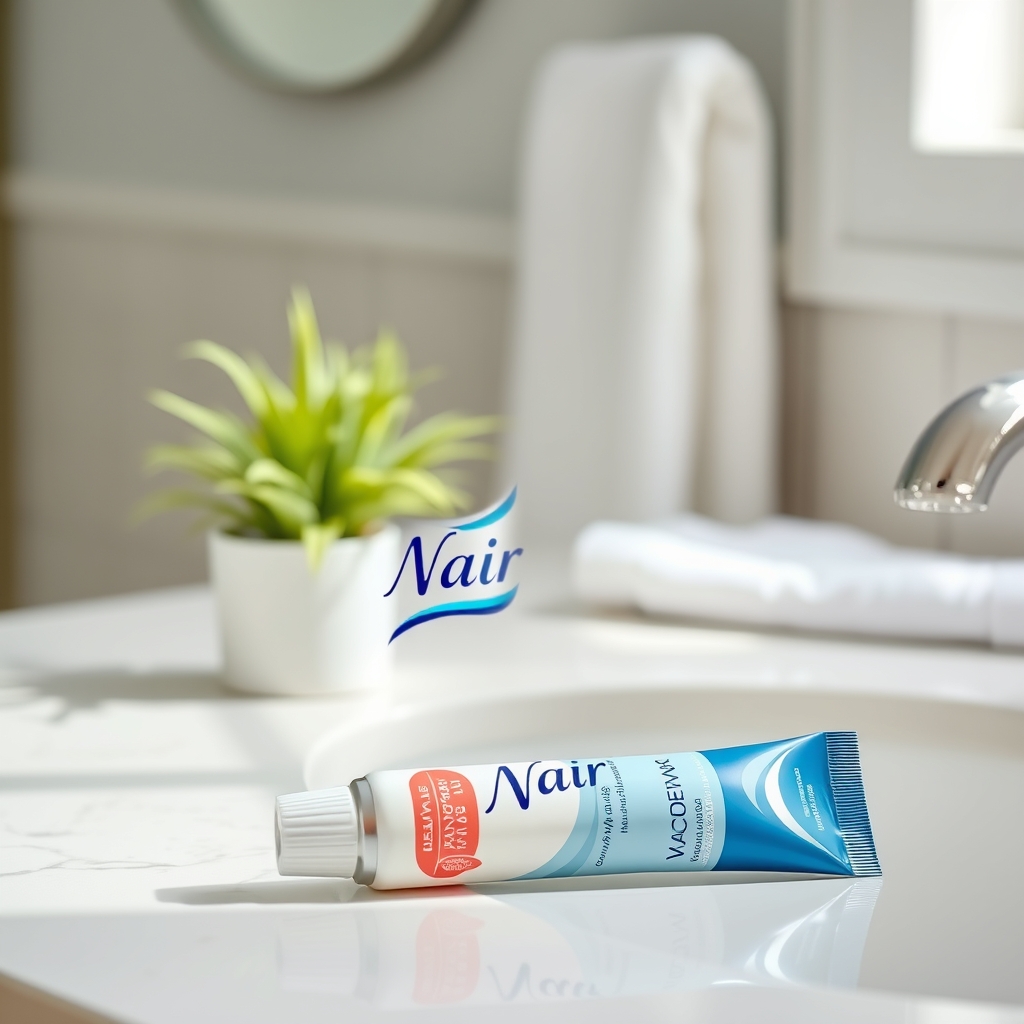
Can you use Nair while pregnant? Yes, it's generally safe, but hormonal changes can increase skin sensitivity. Always patch test and ensure good ventilation to avoid irritation.
By Shubhra Mishra — a mom of two who turned her own confusion during pregnancy into BumpBites, a global mission to make food choices clear, safe, and stress-free for every expecting mother. 💛
Check whether any food is safe during pregnancy with the BumpBites Food Safety Checker.
Download the Complete Pregnancy Food Guide (10,000 Foods) 📘
Instant PDF download • No spam • Trusted by thousands of moms
💡 Your email is 100% safe — no spam ever.
Quick verdict: ⚠️ Safe with limits. While there's no strong evidence that hair removal creams like Nair are harmful during pregnancy, most obstetricians recommend caution due to potential skin sensitivity and chemical exposure. It's generally considered safe for occasional use with proper precautions, especially after the first trimester.
The moment you see those two pink lines, a cascade of questions begins. Suddenly, everything you eat, drink, or put on your body comes under intense scrutiny. It's 11 PM, you're scrolling through forums, and you've just realized that your go-to hair removal method, Nair, might be a question mark. "Can you use Nair while pregnant?" you type into the search bar, a knot forming in your stomach. Perhaps you've already used it, or maybe you're just planning your next beauty routine. Take a deep breath. You're not alone in this worry, and we're here to help you navigate the information.
Hair removal creams like Nair are a popular choice for their convenience and effectiveness, but their chemical nature naturally raises concerns for expecting parents. While there isn't extensive research specifically on the use of depilatory creams during pregnancy, medical professionals generally lean towards a cautious approach. This article will break down what you need to know about using Nair while pregnant, including potential risks, safer alternatives, and when it's best to consult your healthcare provider. We'll delve into guidance from trusted bodies like the ACOG and NHS, ensuring you have the most up-to-date and reassuring information.
Always read the label and consider a patch test, especially when pregnant.
Safety Snapshot: Nair During Pregnancy
Trimester/Stage
Verdict
Notes
First Trimester
⚠️ Caution advised
Avoid if possible due to heightened skin sensitivity and fetal organ development. Consider alternatives.
Second Trimester
✅ Generally safe with precautions
Perform a patch test. Ensure good ventilation. Avoid broken or irritated skin.
Third Trimester
✅ Generally safe with precautions
Continue patch testing. Skin may be more sensitive or prone to irritation. Good ventilation is key.
Breastfeeding
✅ Generally safe
Topical application is unlikely to be absorbed in significant amounts into breast milk. Avoid applying to breasts.
What is Nair?
Nair is a brand of depilatory cream, which is a cosmetic product designed to remove unwanted body hair by dissolving it at the skin's surface. Unlike shaving, which cuts the hair, depilatory creams work chemically. The primary active ingredients in most depilatory creams, including Nair, are alkaline chemicals such as calcium thioglycolate or potassium thioglycolate. These compounds break down the disulfide bonds in the keratin protein structure of the hair shaft, weakening the hair until it can be easily wiped away.
People often choose Nair because it provides smoother results than shaving, with hair growing back softer and without razor stubble. It's a quick and relatively painless method compared to waxing. However, because it relies on strong chemicals, it's essential to follow the instructions carefully and be aware of potential skin reactions. The characteristic odor of these creams comes from the sulfur compounds released during the chemical reaction.
Different Nair formulations exist, tailored for specific body areas (e.g., face, bikini, legs) or skin types (e.g., sensitive skin). These variations often involve different concentrations of the active ingredients or additional soothing agents. Regardless of the specific product, the fundamental mechanism of action remains the same, which is why general precautions apply across the board, especially during pregnancy. Understanding these differences can help you make a more informed choice if you do decide to use a depilatory cream.
Is Nair Safe to Use While Pregnant?
The short answer is that there isn't extensive, specific research on whether depilatory creams like Nair are definitively safe or unsafe during pregnancy. Most medical organizations, including the American College of Obstetricians and Gynecologists (ACOG) and the UK's National Health Service (NHS), don't issue specific guidelines against the use of these products. However, they generally recommend caution due to a combination of factors, primarily related to skin sensitivity and chemical exposure.
The main concern with using Nair while pregnant revolves around its active ingredients, specifically the thioglycolates. These chemicals are designed to break down hair protein, and while they are applied topically, there's always a theoretical concern about systemic absorption into the bloodstream. However, the amount of chemical absorbed through the skin from depilatory creams is generally considered minimal and unlikely to pose a significant risk to a developing fetus. The skin acts as a barrier, and these chemicals are designed to act on the superficial layer of the skin, not to be absorbed deeply. The molecular size of these chemicals generally limits their ability to penetrate beyond the skin's outermost layers in significant concentrations, further reducing the likelihood of systemic effects.
A more common and immediate concern for pregnant individuals is increased skin sensitivity. Hormonal changes during pregnancy can make your skin more reactive, prone to irritation, dryness, or even allergic reactions, even if you've used Nair without issues before. This means a product that was once fine might now cause redness, itching, or a rash. Strong odors from the chemical reaction can also be a trigger for nausea, especially in the first trimester. Therefore, while there's no strong evidence of direct harm to the baby, the primary advice is to proceed with caution and prioritize your comfort and skin health. It's important to note that the lack of extensive studies is often due to ethical considerations of testing products on pregnant individuals, rather than definitive proof of harm.
Safety by Trimester
Understanding how your body changes throughout pregnancy can help you make informed decisions about using products like Nair.
Is Nair safe to use during the first trimester of pregnancy?
The first trimester (weeks 1-12) is a period of rapid and critical organ development for your baby. While there's no evidence directly linking depilatory creams to birth defects, many healthcare providers recommend erring on the side of caution and avoiding unnecessary chemical exposures during this time. Your body is undergoing significant hormonal shifts, which can also make your skin more sensitive and reactive, increasing the likelihood of irritation or an allergic response. The strong chemical odor of Nair might also exacerbate morning sickness or nausea, which is often at its peak during these early weeks. If you can, consider pausing your use of Nair during the first trimester and opting for simpler, non-chemical hair removal methods like shaving or trimming instead. If you do choose to use it, ensure excellent ventilation and perform a patch test, but remember that waiting might be the most comfortable option.
Can I use Nair in the second or third trimester?
By the second trimester (weeks 13-27), the critical period of organogenesis has passed, and many pregnant individuals find their energy levels improve. The third trimester (weeks 28-40+) brings its own set of challenges, including increased body size which can make reaching certain areas difficult. Generally, using Nair in the second or third trimester is considered safer than in the first, but precautions are still essential. Your skin may still be more sensitive than usual, so a patch test before each use is crucial, even if you've used the product previously. Always ensure the area is well-ventilated to minimize inhalation of fumes, and never apply to broken, irritated, or sunburned skin. As your bump grows, reaching lower legs or the bikini area might become challenging, potentially leading to awkward positions or uneven application, which could increase the risk of skin irritation. You might also find your balance is affected, making shower-based application trickier.
Nair and Breastfeeding
When it comes to breastfeeding, the concern about topical products absorbing into your bloodstream and then into breast milk is generally minimal for products like Nair. The amount of chemicals absorbed through the skin is very low, and even less is expected to transfer into breast milk. Therefore, using Nair while breastfeeding is generally considered safe. However, as a precaution, avoid applying the cream to your breasts or nipples to prevent any direct contact with your baby's mouth during feeding. Continue to be mindful of skin sensitivity, as hormonal fluctuations postpartum can still affect your skin's reaction to products. Always consider good hygiene practices to minimize any potential transfer to your baby.
How often can pregnant women safely use hair removal creams like Nair?
When you can use Nair while pregnant, the frequency and amount are just as important as the product itself. Given the increased skin sensitivity and theoretical absorption concerns, moderation is key. There's no official "safe dosage" or specific "Nair limit pregnancy" guideline, but we recommend the following:
Infrequent use: Limit your use of hair removal creams to occasional applications rather than frequent, regular use. If you can stretch the time between applications, that's preferable.
Patch test every time: Even if you've used Nair before pregnancy or earlier in your current pregnancy without issues, always perform a patch test on a small, inconspicuous area of your skin (like your inner arm) 24-48 hours before full application. Pregnancy hormones can drastically change your skin's reactivity.
Follow instructions precisely: Never leave the cream on longer than the package instructions recommend. Over-exposure increases the risk of skin irritation, chemical burns, and potential absorption.
Ensure good ventilation: Always use Nair in a well-ventilated area, such as a bathroom with an open window or an extractor fan running. This helps to minimize the inhalation of chemical fumes, which can be irritating to your respiratory system and potentially worsen nausea.
Avoid irritated skin: Never apply Nair to broken, irritated, sunburned, or recently shaved skin. Wait until your skin is fully healed and calm.
While there are no specific "pregnancy-safe" brands of Nair beyond their sensitive skin formulas, choosing products marketed for sensitive skin might be a good idea. Always check the ingredient list if you have known allergies or sensitivities.
Understanding Different Nair Formulations: What to Look For?
Nair offers various products, including creams, lotions, and sprays, often targeted for specific body parts or skin types. During pregnancy, opting for formulas designed for "sensitive skin" is generally a wise choice. These products typically contain lower concentrations of the active depilatory chemicals and may include soothing ingredients like aloe vera or baby oil. Always choose the formula that best suits your skin's current sensitivity, and avoid any products with added fragrances if you find strong smells trigger nausea. Remember, even a "sensitive skin" formula still requires a patch test when pregnant.
What are the potential risks and side effects of Nair for pregnant women?
While the risk of direct harm to your baby from using Nair is considered low, there are several potential side effects and risks for the pregnant person themselves:
Skin Irritation and Allergic Reactions: This is the most common risk. Pregnancy hormones can make your skin more sensitive and reactive, leading to redness, itching, burning, stinging, or a rash, even if you've used the product before. This heightened sensitivity means your skin might react differently to ingredients it previously tolerated, making a patch test crucial before each use to check for new sensitivities.
Chemical Burns: Leaving the cream on for too long, or applying it to overly sensitive or broken skin, can result in chemical burns, which can be painful and lead to skin damage. These burns can range from mild redness to blistering, emphasizing the importance of strictly adhering to the recommended application time.
Respiratory Irritation: The strong chemical odor of depilatory creams can be irritating to the respiratory tract. For pregnant individuals already prone to nausea or with heightened sense of smell, these fumes can worsen morning sickness or cause headaches and discomfort. Proper ventilation is essential to mitigate this risk, helping to disperse the strong smell.
Hyperpigmentation: In some cases, skin irritation or inflammation can lead to post-inflammatory hyperpigmentation (darkening of the skin), which might be more pronounced during pregnancy due to hormonal influences. This can manifest as dark spots that may take time to fade after pregnancy.
Folliculitis: While less common than with shaving, improper use or skin sensitivity can sometimes lead to inflammation of hair follicles, resulting in small, red, itchy bumps.
If you experience any severe irritation, pain, or difficulty breathing while using Nair, stop immediately and rinse the area thoroughly with cool water. If symptoms persist or worsen, contact your doctor.
Consider these gentler alternatives for hair removal during pregnancy.
What are the best safe hair removal alternatives during pregnancy?
If you're concerned about using Nair while pregnant, or if your skin has become too sensitive, there are many safe and effective alternatives to consider. These options typically pose no chemical exposure risks and can be gentler on your changing skin:
Shaving: A classic, quick, and chemical-free method. Use a sharp, clean razor and a moisturizing shaving cream or gel to prevent nicks and irritation. As your belly grows, you might need a mirror or assistance for hard-to-reach areas, especially in the third trimester.
Professional Waxing: While it can be painful, professional waxing (from a reputable salon) uses natural waxes and provides smooth, long-lasting results. Inform your aesthetician that you're pregnant, as your skin may be more sensitive to pain or prone to bruising. They might use gentler waxes, and ensure they follow strict hygiene protocols to prevent infection.
Sugaring: An ancient hair removal technique using a natural paste made from sugar, lemon, and water. It's often considered less painful than waxing and gentler on the skin, as it adheres only to the hair, not the skin. It's an excellent, all-natural alternative, and the ingredients are usually food-grade, minimizing chemical concerns.
Tweezing: Ideal for small areas like eyebrows, upper lip, or stray hairs. It's precise and carries no chemical risk. Ensure your tweezers are clean to prevent infection, and use good lighting to avoid skin nicks.
Epilation: Epilators are electric devices that mechanically pluck multiple hairs at the root. Like waxing, it can be uncomfortable, but it's chemical-free and offers long-lasting smoothness. Start on a small area to gauge your tolerance, as pregnancy can increase pain sensitivity, and clean the device regularly.
Trimming: For those who prefer to manage hair rather than remove it completely, trimming with electric trimmers or small scissors is a safe, pain-free, and chemical-free option. It's great for maintaining hygiene and comfort without skin irritation, especially for sensitive areas.
Considering Laser Hair Removal During Pregnancy?
While often considered a long-term solution, most dermatologists and obstetricians recommend postponing laser hair removal until after pregnancy. The primary reason is the lack of sufficient research on the effects of laser energy on a developing fetus. Although the laser targets hair follicles in the skin and isn't expected to penetrate deeply, the absence of safety data leads to a cautious approach. Additionally, hormonal fluctuations during pregnancy can affect hair growth patterns and skin pigmentation, potentially making treatments less effective or increasing the risk of hyperpigmentation or other skin reactions. It's best to wait until after you've given birth and ideally finished breastfeeding before resuming or starting laser treatments.
Related Items – Safety at a Glance
Understanding the safety of Nair can lead to questions about other beauty products. Here's a quick look at related items:
Item
Verdict
Notes
Veet Hair Removal Cream
⚠️ Safe with limits
Similar to Nair, uses depilatory chemicals. Apply with caution, patch test, ensure ventilation.
Sally Hansen Hair Remover
⚠️ Safe with limits
Another depilatory cream brand. Follow same precautions as Nair and Veet.
Neet Hair Removal Cream
⚠️ Safe with limits
Depilatory cream. General caution, patch test, and ventilation apply.
Hair Dye
✅ Generally safe with precautions
Minimal absorption. Consider highlights/balayage to avoid scalp contact. Good ventilation. Many prefer to wait until the second trimester.
Self-Tanner
✅ Generally safe
Active ingredient DHA only affects the top layer of skin. Minimal absorption. Avoid spray tans in enclosed spaces due to inhalation risk.
Some are safe in limited amounts (e.g., low-concentration salicylic acid, under 2%). Others like retinoids (tretinoin) are contraindicated. Always consult your provider.
Facial Bleaching Cream
⚠️ Caution advised
Often contain hydrogen peroxide or similar chemicals. Can cause irritation, especially with increased pregnancy sensitivity. Minimal absorption concern. Patch test is essential.
Permanent Hair Removal (Electrolysis)
⚠️ Talk to your doctor first
While generally considered safe as it works topically, some practitioners prefer to avoid it during pregnancy due to potential skin sensitivity or discomfort. Consult your provider.
Waxing Strips (at-home)
✅ Generally safe
Chemical-free, but may cause more pain or irritation due to increased skin sensitivity during pregnancy. Always patch test a small area first.
Myth vs. Fact
Let's clear up some common misconceptions about using Nair and similar products during pregnancy.
Myth: The chemicals in Nair are absorbed directly into your bloodstream and can harm the baby.
Fact: While some chemical absorption through the skin is possible, the amount from depilatory creams like Nair is generally considered very minimal. These products are designed to work on the superficial layer of the hair and skin. There is no scientific evidence to suggest that this minimal absorption causes harm to the developing fetus. The primary concern is localized skin irritation for the pregnant person, not systemic fetal toxicity.
Myth: If you used Nair before pregnancy without issues, it will be fine to use during pregnancy.
Fact: Pregnancy hormones can dramatically alter your skin's sensitivity, elasticity, and even its oil production. A product that was perfectly fine for you before pregnancy might now cause significant irritation, redness, or an allergic reaction. This is why a patch test before every use during pregnancy is highly recommended, even if you're a long-time user of the product.
Myth: You should avoid all chemical beauty products during pregnancy.
Fact: This is an overly broad generalization. While it's wise to be cautious about certain chemicals (like retinoids or high-dose salicylic acid), many beauty products, including most hair dyes, self-tanners, and even some nail polishes, are considered safe for use during pregnancy in moderation. The key is to understand the specific ingredients, potential absorption, and to always consult reliable sources or your healthcare provider. Focus on informed choices rather than blanket avoidance.
Key Takeaways
Using Nair while pregnant is generally considered low-risk, but caution is advised due to potential skin sensitivity.
Avoid using Nair in the first trimester if possible, opting for non-chemical methods instead.
Always perform a patch test before each use, even if you've used Nair before pregnancy.
Ensure adequate ventilation to minimize inhalation of fumes, especially if you're prone to nausea.
Never apply Nair to broken, irritated, or overly sensitive skin, and adhere strictly to package instructions regarding application time.
Safer alternatives like shaving, sugaring, or professional waxing are excellent options if you're concerned about chemical exposure or skin reactions.
Consider "sensitive skin" formulations of Nair if you choose to use it, and prioritize your comfort and skin health.
If you experience any adverse reactions, stop use immediately and contact your healthcare provider.
Frequently Asked Questions
Is it safe to use hair removal cream while pregnant?
Generally, using hair removal cream while pregnant is considered low-risk. The chemicals in these creams work on the surface of the skin and are absorbed in minimal amounts. However, pregnancy can increase skin sensitivity, so patch testing and proper ventilation are crucial to avoid irritation. Many healthcare providers advise caution, especially in the first trimester.
What hair removal is safe during pregnancy?
Many hair removal methods are safe during pregnancy. Shaving, tweezing, trimming, and sugaring are excellent chemical-free options. Professional waxing is also generally safe, though your skin may be more sensitive. Laser hair removal is usually recommended to be postponed until after pregnancy due to lack of research.
Can Nair harm my baby?
There is no strong scientific evidence to suggest that using Nair directly harms your baby. The chemicals are primarily topical and minimally absorbed into the bloodstream. The main concern is for the pregnant person, due to increased skin sensitivity and potential irritation or allergic reactions, rather than direct fetal harm.
Why can't you use hair removal cream when pregnant?
It's not that you "can't" use hair removal cream, but rather that caution is advised. The primary reasons are increased skin sensitivity during pregnancy, which can lead to irritation or allergic reactions, and the strong chemical odors that might trigger or worsen nausea, especially in the first trimester. Minimal absorption of chemicals is also a theoretical concern, though generally considered very low risk.
Does Nair absorb into bloodstream?
Yes, a very small amount of the chemicals in Nair can absorb into the bloodstream, as with most topical products. However, this absorption is generally considered negligible and unlikely to reach levels that would pose a risk to the developing fetus. The skin acts as an effective barrier, and the molecules are mostly too large for significant systemic absorption.
Can I use Veet while pregnant?
Yes, you can generally use Veet while pregnant with the same precautions as Nair. Veet is another brand of depilatory cream containing similar active ingredients. Always perform a patch test, ensure good ventilation, and avoid using it on irritated or broken skin due to increased pregnancy sensitivity. Opt for their sensitive skin formulas if available.
What are the side effects of Nair?
The most common side effects of Nair are skin irritation, redness, itching, stinging, or allergic reactions. Chemical burns can occur if left on too long or applied to sensitive skin. The strong odor can also cause respiratory irritation or worsen nausea, particularly for pregnant individuals. Hyperpigmentation in the irritated area is also a possibility.
Is laser hair removal safe during pregnancy?
Most dermatologists and obstetricians recommend postponing laser hair removal until after pregnancy. While there's no direct evidence of harm, the effects of laser energy on a developing fetus haven't been adequately studied, leading to a cautious approach. Hormonal changes can also affect hair growth patterns and skin pigmentation, making treatments less effective or increasing the risk of hyperpigmentation.
What if I accidentally used Nair on broken skin while pregnant?
If you accidentally used Nair on broken skin, immediately rinse the area thoroughly with cool water for several minutes. Watch for signs of irritation, redness, burning, or blistering. Broken skin allows for greater absorption and risk of chemical burns. If you experience any severe symptoms or are concerned, contact your healthcare provider promptly.
Can I use Nair on my bikini line during pregnancy?
You can generally use Nair on your bikini line during pregnancy, but extreme caution is advised. This area is often more sensitive, and hormonal changes can exacerbate this. Always perform a patch test on a small, discreet part of the bikini area first. Ensure good ventilation, and never apply to irritated or broken skin. As your belly grows, reaching this area might become challenging, increasing the risk of improper application.
When to Call Your Doctor
While using Nair during pregnancy is generally low risk with precautions, it's important to know when to seek medical advice. Call your doctor or healthcare provider if you experience any of the following:
Severe or persistent skin irritation, redness, itching, or burning after using Nair.
Signs of a chemical burn, such as blistering, intense pain, or deep redness.
A widespread rash or any signs of a severe allergic reaction (e.g., swelling, difficulty breathing – though this is rare with topical products).
If you develop any concerns about your baby's health after using Nair, even if you don't have physical symptoms.
If you have pre-existing skin conditions (like eczema or psoriasis) that seem to worsen after using the product.
If you experience prolonged nausea, headaches, or respiratory irritation after using the product, despite good ventilation.
This information is for educational purposes only and is not a substitute for professional medical advice, diagnosis, or treatment. Always seek the advice of your physician or other qualified health provider with any questions you may have regarding a medical condition.
References
American College of Obstetricians and Gynecologists (ACOG).
National Health Service (NHS) UK.
Food and Drug Administration (FDA).
Centers for Disease Control and Prevention (CDC).
Mayo Clinic.
What to Expect.
Editor's pick for this topic
Not sure about the label on Is Nair Safe To Use While Pregnant products?
Snap the ingredients list (or paste it, or scan the barcode) and SafeFilter checks every ingredient against your stage of pregnancy — flagging what to avoid, what needs care, and what's fine.
When Shubhra Mishra was expecting her first child in 2016, she was overwhelmed by conflicting food advice — one site said yes, another said never. By the time her second baby arrived in 2019, she realized millions of mothers face the same confusion.
That sparked a five-year journey through clinical nutrition papers, cultural diets, and expert conversations — all leading to BumpBites: a calm, compassionate space where science meets everyday motherhood.
Her long-term vision is to build a global community ensuring safe, supported, and free deliveriesfor every mother — because no woman should face pregnancy alone or uninformed. 🌿
🌍 Stand with mothers, shape safer guidance
Join a small circle of experts who review BumpBites articles so expecting parents everywhere can decide with confidence.