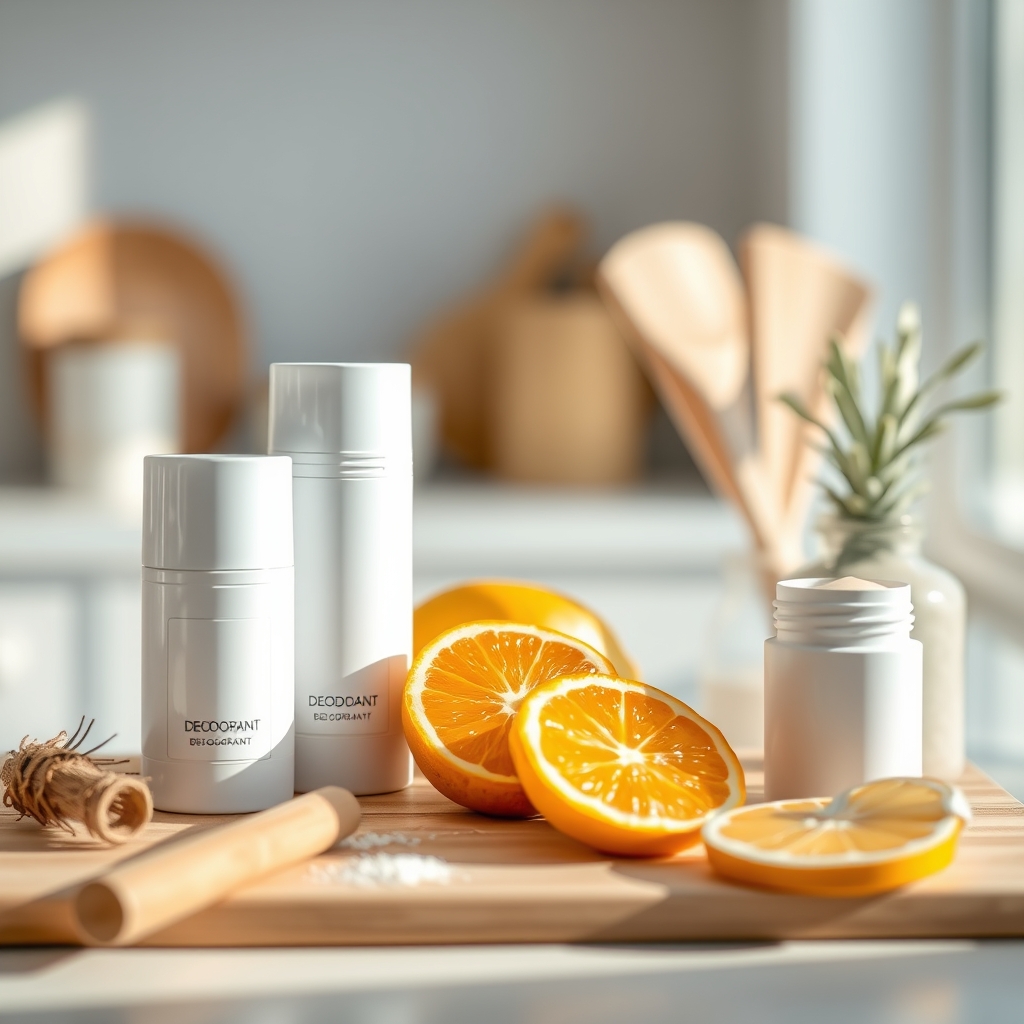
Deodorant is generally safe during pregnancy, but limit dosage in the first trimester to minimize chemical exposure
By Shubhra Mishra — a mom of two who turned her own confusion during pregnancy into BumpBites, a global mission to make food choices clear, safe, and stress-free for every expecting mother. 💛
Check whether any food is safe during pregnancy with the BumpBites Food Safety Checker.
Download the Complete Pregnancy Food Guide (10,000 Foods) 📘
Instant PDF download • No spam • Trusted by thousands of moms
💡 Your email is 100% safe — no spam ever.
Quick verdict: ⚠️ Talk to your doctor first. Deodorant is generally considered low‑risk, but because some formulations contain aluminum, parabens, or strong fragrances, it’s best to choose an aluminum‑free, fragrance‑free option and use only as needed.
It’s 2 a.m. and you’re standing in front of the bathroom mirror, wondering whether the roll‑on you just grabbed is safe for the baby growing inside you. You’re not alone—many expecting parents ask, “Is deodorant safe for pregnancy?” The short answer is that most deodorants pose minimal risk, but the ingredients and amount matter, especially in the first trimester.
In this article we’ll break down the current guidance from ACOG, the NHS, and the FDA on deodorant use during pregnancy, explain which ingredients to watch out for, and give you clear numbers on how much you can apply. We’ll also compare popular brands, suggest safer alternatives, and flag any red‑light signs that warrant a call to your provider.
Read on for a quick‑reference table, trimester‑specific advice, dosage tips, and a list of related products you might be wondering about, such as antiperspirants or body sprays.
Choosing a gentle, fragrance‑free deodorant can help you feel fresh without unnecessary chemicals.
Stage
Verdict
Notes
First trimester
⚠️ Use with caution
Prefer aluminum‑free, fragrance‑free formulas; limit to 1–2 applications per day.
Second trimester
✅ Generally safe
Same guidelines as first trimester; most experts see no added risk.
Third trimester
✅ Generally safe
Watch for skin irritation as skin stretches.
Breastfeeding
✅ Safe
Aluminum absorption is minimal; fragrance‑free options reduce infant exposure through skin contact.
What is deodorant?
Deodorant is a personal‑care product applied to the underarms (or occasionally other areas) to mask body odor and, in the case of antiperspirants, reduce sweating. The primary mechanisms differ: deodorants neutralize odor‑producing bacteria with antimicrobial agents like triclosan or zinc ricinate, while antiperspirants contain aluminum salts that temporarily block sweat glands. Modern formulations often combine both functions, adding fragrances, moisturizers, and sometimes skin‑conditioning ingredients. Because they sit on the skin’s surface, they are generally considered low‑risk, but certain chemicals—especially aluminum compounds, parabens, and strong fragrances—have raised questions for pregnant users.
Beyond the basic odor‑control role, many people use deodorant as a confidence boost in social or professional settings. During pregnancy, hormonal changes can amplify sweating and odor, making the choice of product feel more consequential. Understanding how each ingredient works helps you make an informed decision that balances comfort with safety.
Is deodorant safe during pregnancy?
Current guidance from the American College of Obstetricians and Gynecologists (ACOG) and the UK’s National Health Service (NHS) indicates that deodorant use is not prohibited during pregnancy, provided you choose products without potentially harmful additives. The FDA has not classified deodorant ingredients as teratogens, and the CDC does not list deodorant as a risk factor for adverse pregnancy outcomes. However, the ACOG notes that aluminum absorption through the skin is minimal, but recommends limiting exposure when possible, especially in the first trimester when organ development is most sensitive.
Most research on aluminum exposure comes from occupational studies rather than everyday consumer use, and the levels absorbed from a typical roll‑on are far below the safety thresholds set by the European Food Safety Authority (EFSA). Parabens, used as preservatives, have been detected in fetal tissues, but the amounts from topical use are considered negligible. Fragrances can cause irritation or allergic reactions, which may be more uncomfortable during pregnancy.
In short, deodorant is generally safe for most pregnant people, but opting for aluminum‑free and fragrance‑free formulas reduces any theoretical risk and can improve comfort.
Is deodorant safe to use during the first trimester of pregnancy?
The first trimester is the period of organogenesis, when the embryo’s major organs form. Because of this heightened sensitivity, many clinicians advise extra caution with any product that could be absorbed systemically. For deodorant, the consensus from ACOG and the NHS is to prefer aluminum‑free, fragrance‑free options and to apply only a thin layer (about the size of a pea) per underarm, no more than twice a day. This approach keeps exposure well below the limits set by regulatory bodies while still providing odor control.
If you have a history of skin sensitivity or have noticed irritation from scented products, the first trimester is an especially good time to switch to a gentle, natural deodorant. Even a small rash can be more bothersome when hormonal changes already make your skin feel tighter or more reactive.
While the scientific data do not show a direct link between deodorant use and fetal harm, the precautionary principle—choosing the lowest‑risk option when a safe alternative exists—remains a cornerstone of obstetric advice. That’s why many providers suggest using a product labeled “aluminum‑free” and “fragrance‑free” during these early weeks.
How much deodorant can pregnant women apply daily without risk?
M
ost experts agree that a “thin layer”—roughly one or two swipes of a roll‑on or a pea‑sized dab of stick deodorant—per underarm is sufficient. This translates to about 0.5 g per application, or roughly 1 g total per day for both arms. Applying more than this does not increase effectiveness and could raise the amount of aluminum or fragrance absorbed through the skin.
Because absorption is minimal, using deodorant up to twice daily (morning and evening) is generally considered safe throughout pregnancy, as long as the product is aluminum‑free or low‑aluminum (≤20 % aluminum chlorohydrate) and fragrance‑free. If you find you need more frequent applications because of increased sweating, consider a product that combines odor control with moisture‑absorbing powders rather than increasing the amount of antiperspirant.
For those who prefer a spray, limit use to a well‑ventilated area and avoid inhaling the mist. A quick 10‑second spray per underarm is typically enough, and you should avoid re‑spraying within a short interval to keep overall exposure low.
Are aluminum‑free deodorants safer for pregnant women?
Yes. Aluminum‑free deodorants eliminate the primary source of systemic aluminum exposure. While the FDA has not labeled aluminum in deodorant as a teratogen, eliminating it removes any theoretical concern about accumulation in fetal tissue. Many reputable brands now offer aluminum‑free options that rely on natural odor‑neutralizing ingredients such as baking soda, arrowroot powder, or magnesium hydroxide.
For pregnant users, especially in the first trimester, switching to an aluminum‑free formula is a simple way to stay on the safe side while still enjoying fresh‑scented confidence. In addition, aluminum‑free products often feel lighter on the skin, which can be a bonus as your skin stretches and becomes more sensitive.
It’s worth noting that some aluminum‑free deodorants use baking soda, which can be irritating for very sensitive skin. If you notice a tingling sensation, try a product that substitutes magnesium or zinc instead.
What are the risks of using scented deodorant while pregnant?
Scented deodorants contain fragrance compounds that can trigger skin irritation, contact dermatitis, or allergic reactions—symptoms that may be more uncomfortable during pregnancy due to hormonal skin changes. While there is no strong evidence linking fragrance to birth defects, the NHS advises pregnant people to avoid strong fragrances if they notice irritation, as the skin’s barrier can be more permeable.
Additionally, some fragrance chemicals are classified as “potentially endocrine‑disrupting,” though the levels in deodorant are far below those that cause measurable effects. Choosing fragrance‑free or lightly scented products reduces unnecessary exposure and keeps skin comfort high.
Beyond skin reactions, strong scents can sometimes cause nausea or headaches in early pregnancy, a condition known as “pregnancy‑related hyperosmia.” If you experience heightened sensitivity to smells, opting for an unscented deodorant may improve overall well‑being.
Which deodorant brands are considered safe for pregnancy?
Below is a short list of widely available brands that meet the criteria of being aluminum‑free (or low‑aluminum) and fragrance‑free, making them a solid choice for pregnant individuals:
Native Aluminum‑Free Deodorant – uses magnesium hydroxide and plant‑based powders.
Crystal Mineral Deodorant – a mineral salt crystal that works without any added chemicals.
Tom’s of Maine Natural Deodorant – offers aluminum‑free formulas with a light, natural scent.
Lume Invisible Solid Deodorant – fragrance‑free, using a blend of magnesium and zinc.
Vanicream Fragrance‑Free Deodorant – designed for sensitive skin, free of fragrance and aluminum.
Arm & Hammer Essentials Aluminum‑Free Deodorant – uses baking soda and natural moisturizers.
Burt’s Bees Natural Deodorant – offers a gentle, plant‑based option with minimal fragrance.
When selecting a brand, also check the ingredient list for parabens, triclosan, or other preservatives that could be irritating. Many of the products above have been vetted by dermatologists and are often recommended by obstetricians for their minimal additive profiles.
Can deodorant cause pregnancy complications such as preterm labor?
There is no credible evidence linking deodorant use to preterm labor, miscarriage, or other pregnancy complications. Large epidemiological studies have not identified deodorant as a risk factor for these outcomes. The most commonly reported concerns involve skin irritation or allergic reaction, which could cause discomfort but not trigger labor.
If you experience severe skin irritation, a rash, or systemic symptoms (fever, swelling), contact your provider, as these could be signs of an allergic reaction that may need medical attention.
In practice, obstetric providers focus on more established risk factors for preterm labor, such as infections, high blood pressure, and lifestyle factors. Deodorant use, when limited to low‑aluminum, fragrance‑free products, is not among the recognized contributors.
What natural deodorant alternatives are safe for pregnant women?
Natural alternatives rely on mineral salts, plant powders, or simple acids to neutralize odor without aluminum or synthetic fragrances. They are generally well‑tolerated, but patch‑testing is advisable if you have sensitive skin.
Many of these products also contain soothing ingredients like aloe or chamomile, which can be a bonus if you experience skin tightening or itching during pregnancy.
Do pregnancy hormones affect deodorant effectiveness?
Yes. Hormonal changes, especially the rise in estrogen and progesterone, increase sweat gland activity and alter the composition of sweat, often making body odor more noticeable. This can make deodorant feel less effective, prompting more frequent applications. The best strategy is to choose a product that controls both odor and moisture—either an aluminum‑free antiperspirant or a natural deodorant with high‑absorbency powders.
Some pregnant people find that switching from a spray to a stick or roll‑on reduces the feeling of stickiness, as the latter formulations tend to stay drier on the skin. Adjusting the timing of application (e.g., after a cool shower) can also improve performance without increasing exposure.
Aluminum‑free deodorants provide odor control without the metal salts that some pregnant people prefer to avoid.
Safe dosage / amount / brands
Because deodorant is a topical product, “dosage” refers to the amount applied per use. A thin, even layer—about the size of a pea—covers each underarm adequately. Most manufacturers recommend applying once in the morning; a second application in the evening is acceptable if you sweat heavily.
Product type
Recommended amount
Safe brand examples
Roll‑on (standard)
1–2 swipes per underarm, up to 2×/day
Native Aluminum‑Free, Lume Invisible Solid
Stick
Pea‑size dab per underarm, up to 2×/day
Schmidt’s Natural (fragrance‑free), Vanicream
Crystal mineral
1‑2 minutes of gentle rubbing per underarm
Crystal Mineral Deodorant
Side effects and risks
Most side effects are mild and skin‑related:
Skin irritation – redness, itching, or a rash can occur from fragrances or preservatives. Discontinue use and moisturize the area.
Allergic contact dermatitis – a more pronounced reaction that may include swelling or blistering. Seek medical advice if symptoms spread.
Staining – some aluminum‑based antiperspirants can leave yellow stains on clothing; this is a cosmetic issue, not a health risk.
Systemic absorption – studies show only trace amounts of aluminum are absorbed through intact skin; no evidence links this to fetal harm.
If you develop fever, hives, or difficulty breathing after applying deodorant, call your provider immediately—these could signal a severe allergic reaction.
During weeks 1–12, the embryo’s organs are forming, so minimizing any potential toxin exposure is a common precaution. Aluminum‑free, fragrance‑free deodorants are recommended, and limiting applications to one or two thin layers per day keeps systemic absorption well under safety thresholds. If you notice any skin irritation, switch to a mineral‑based crystal deodorant, which works by physically blocking bacterial growth rather than relying on chemicals.
Second trimester
The second trimester (weeks 13–27) is generally the most comfortable phase, with many pregnancy‑related symptoms easing. At this point, most obstetricians consider standard aluminum‑free deodorants safe, and you can maintain the same thin‑layer routine established earlier. Some people find that sweat production stabilizes, allowing them to reduce the frequency of applications to once daily.
Third trimester
In the final weeks (weeks 28–40), skin stretches and may become more prone to irritation. Continue using fragrance‑free, low‑aluminum products, but pay extra attention to any itching or redness. If you experience increased sweating due to heat or discomfort, consider a deodorant that incorporates absorbent powders (e.g., magnesium or zinc) rather than increasing antiperspirant usage.
Breastfeeding
Post‑delivery, the concern shifts to potential transfer of ingredients through skin contact with the infant. Aluminum absorption remains minimal, and most fragrance‑free deodorants pose no risk to a nursing baby. Nonetheless, using a product without strong scents can reduce the chance of the infant being exposed to volatile fragrance compounds, which can occasionally cause mild respiratory irritation in very sensitive infants.
How to choose a pregnancy‑safe deodorant
When you’re scanning the pharmacy aisle, look for these key labels: “aluminum‑free,” “paraben‑free,” and “fragrance‑free” or “unscented.” Check the ingredient list for known irritants such as triclosan, propylene glycol, and synthetic fragrance mixes. If a product lists “natural” or “organic,” verify that it still meets the low‑irritant criteria, as “natural” does not always equal “safe.”
Reading reviews from other pregnant users can also be helpful. Many forums highlight which brands cause minimal skin reactions, offering a real‑world safety gauge that complements official guidelines.
Can I use deodorant patches or wipes?
Deodorant patches and wipes are convenient but often contain higher concentrations of fragrance and preservatives to compensate for the short contact time. Because they sit directly on the skin without the buffering effect of a cream or stick, they can be more irritating, especially on sensitized skin. If you prefer a quick‑apply format, opt for fragrance‑free wipes and test a small area first.
Pregnant users should treat patches like any other topical product: apply a thin layer, avoid overlapping applications, and discontinue if any redness or itching appears.
Deodorant and skin changes during pregnancy
Hormonal fluctuations can make your skin more reactive, leading to conditions such as melasma, linea nigra, or increased dryness. These changes can amplify the sensation of a deodorant’s texture or scent. Selecting a product with added moisturizers like glycerin or aloe can help keep the underarm skin hydrated, reducing the likelihood of irritation.
Additionally, the increased blood flow to the skin can make it feel warmer, which may enhance sweating. Pairing a deodorant with breathable clothing (cotton or moisture‑wicking fabrics) supports overall comfort and reduces reliance on heavy antiperspirant formulas.
Fragrance‑free sticks can be gentler on the sensitive skin many pregnant people experience.
Myth vs. fact
Myth: All deodorants cause birth defects because of aluminum.
Fact: The amount of aluminum absorbed from typical deodorant use is far below safety thresholds, and no studies have linked it to birth defects.
Myth: Natural or “organic” deodorants are automatically safe for pregnancy.
Fact: Some natural deodorants contain baking soda, which can irritate sensitive skin; always check for fragrance‑free, low‑irritant formulas.
Myth: You must stop using any deodorant once you’re pregnant.
Fact: Continuing to use a gentle, aluminum‑free, fragrance‑free deodorant is considered safe by both ACOG and the NHS.
Key takeaways
Deodorant is generally safe for pregnancy when you choose aluminum‑free and fragrance‑free options.
Apply a thin layer (pea‑size) per underarm, up to twice daily; more does not increase effectiveness.
First‑trimester caution: prefer low‑aluminum, fragrance‑free formulas and avoid strong scents.
If you notice skin irritation, switch to a mineral‑based or fragrance‑free product.
Contact your provider if you develop a rash, swelling, or breathing difficulty after use.
After delivery, continue with low‑irritant deodorants while breastfeeding; they pose minimal risk to the infant.
Frequently asked questions
Can I use deodorant while pregnant?
Yes—you can use deodorant during pregnancy, but it’s safest to choose an aluminum‑free, fragrance‑free product and apply only a thin layer per underarm.
Is aluminum in deodorant harmful during pregnancy?
Current evidence suggests that the small amount of aluminum absorbed from typical deodorant use is well below safety limits, so it is not considered harmful when used sparingly.
Are natural deodorants safe for pregnant women?
Many natural deodorants are safe, especially those that are aluminum‑free and fragrance‑free, but always check for irritants like baking soda or essential oils that could cause skin reactions.
How often should I apply deodorant during pregnancy?
Applying once in the morning and, if needed, a second time in the evening (no more than two applications per day) is generally recommended.
Do pregnancy hormones cause more sweating?
Yes—rising estrogen and progesterone levels increase sweat gland activity, which can make body odor more noticeable and may require more frequent deodorant use.
What ingredients should I avoid in deodorant while pregnant?
Prefer to avoid aluminum salts, parabens, and strong fragrances; opt for products labeled “aluminum‑free” and “fragrance‑free” to minimize any theoretical risk.
Can deodorant cause birth defects?
There is no credible scientific evidence linking deodorant use to birth defects; the trace amount of aluminum absorbed is far below any level associated with fetal harm.
Is it safe to use spray deodorant in the first trimester?
Spray deodorants are best avoided in the first trimester because inhalation of aerosolized particles can irritate the respiratory tract; choose a roll‑on or stick instead.
What should I do if I already used a regular deodorant before I knew I was pregnant?
Take a breath—most occasional use of a standard deodorant does not pose a risk to the baby; continue with a pregnancy‑safe product moving forward and monitor for any skin irritation.
Is deodorant safe while breastfeeding?
Yes—most deodorants, especially aluminum‑free and fragrance‑free versions, are considered safe for breastfeeding parents, as only trace amounts could be transferred through skin contact.
When to call your doctor
If you experience any of the following after using deodorant, contact your provider promptly:
Severe itching, redness, or swelling that spreads beyond the underarm area.
Hives, wheezing, or difficulty breathing (possible anaphylaxis).
Fever or chills accompanied by a rash.
Persistent skin breakdown or infection at the application site.
These symptoms are rare but warrant medical evaluation. Remember, this article provides general information and does not replace personalized medical advice.
References
American College of Obstetricians and Gynecologists (ACOG). “Guidelines for Use of Personal Care Products During Pregnancy.” 2022.
National Health Service (NHS). “Personal hygiene products in pregnancy.” Updated 2023.
U.S. Food and Drug Administration (FDA). “Aluminum in Antiperspirants and Deodorants.” 2021.
Centers for Disease Control and Prevention (CDC). “Pregnancy and Environmental Exposures.” 2020.
World Health Organization (WHO). “Guidelines for Safe Use of Cosmetic Ingredients.” 2019.
European Food Safety Authority (EFSA). “Safety assessment of aluminum exposure.” 2020.
Mayo Clinic. “Deodorant safety and pregnancy.” Accessed July 2024.
British Columbia Centre for Disease Control. “Pregnancy and Personal Care Products.” 2022.
National Institute for Health and Care Excellence (NICE). “Skin care in pregnancy.” 2021.
Dermatology Research and Practice. “Contact dermatitis from topical cosmetics during pregnancy.” 2020.
Editor's pick for this topic
About the Author
When Shubhra Mishra was expecting her first child in 2016, she was overwhelmed by conflicting food advice — one site said yes, another said never. By the time her second baby arrived in 2019, she realized millions of mothers face the same confusion.
That sparked a five-year journey through clinical nutrition papers, cultural diets, and expert conversations — all leading to BumpBites: a calm, compassionate space where science meets everyday motherhood.
Her long-term vision is to build a global community ensuring safe, supported, and free deliveriesfor every mother — because no woman should face pregnancy alone or uninformed. 🌿
🌍 Stand with mothers, shape safer guidance
Join a small circle of experts who review BumpBites articles so expecting parents everywhere can decide with confidence.