Limit hot tub use during pregnancy, especially in the first trimester, to avoid risks.
By Shubhra Mishra — a mom of two who turned her own confusion during pregnancy into BumpBites, a global mission to make food choices clear, safe, and stress-free for every expecting mother. 💛
Check whether any food is safe during pregnancy with the BumpBites Food Safety Checker.
Download the Complete Pregnancy Food Guide (10,000 Foods) 📘
Instant PDF download • No spam • Trusted by thousands of moms
💡 Your email is 100% safe — no spam ever.
Quick verdict: ⚠️ Talk to your doctor first. A hot tub can be used during pregnancy if the water is kept at a safe temperature, exposure is limited, and you have no pregnancy complications, but it’s best to get personalized guidance.
It’s 3 a.m., your phone buzzes with a text from a friend: “I’m thinking about hitting the hot tub tonight—any idea if it’s okay while I’m pregnant?” You stare at the water‑bubbling tub, heart racing, wondering if a few minutes of warmth could harm your baby. This is a common worry, and you’re not alone. The short answer is that a hot tub can be safe for pregnancy when you follow specific temperature and time limits, but the details matter.
In this article we’ll answer the question “is hot tub safe for pregnancy?” head‑on. You’ll learn the current guidance from organizations like ACOG and the NHS, the safest temperature range, how long you can stay in the water, trimester‑specific recommendations, and what signs should prompt you to get medical help. We’ll also compare hot tubs to similar relaxation options, suggest safer alternatives, and give you a quick‑reference table for related spa‑type products.
Whether you’ve already slipped into a warm whirlpool or you’re planning your next prenatal self‑care routine, keep reading. By the end you’ll have a clear, evidence‑based plan and the confidence to enjoy relaxation without unnecessary worry.
Stage of pregnancy
Verdict + notes
First trimester
⚠️ Caution – limit water to ≤ 98.6 °F (37 °C) and stay ≤ 10 minutes; avoid if you have a history of miscarriage or fever.
Second trimester
✅ Generally safe at ≤ 100 °F (38 °C) for ≤ 15 minutes if you’re otherwise healthy.
Third trimester
⚠️ Safe at ≤ 100 °F (38 °C) for ≤ 10 minutes; monitor for dizziness or swelling.
Breastfeeding
✅ Safe with same temperature limits; stay hydrated and avoid overheating.
Hot tubs are large, heated tubs that circulate water through jets to create a soothing, buoyant environment. They are often found in home spas, gyms, or hotels and can be set to temperatures between 100 °F (38 °C) and 104 °F (40 °C). The jets create gentle massage‑like pressure, which many people use to relieve muscle tension, improve circulation, and reduce stress. For pregnant people, the appeal is understandable: a warm soak can ease back pain, reduce swelling, and provide a moment of calm amid the hormonal roller coaster of pregnancy.
When it comes to safety, the consensus among major health bodies is that hot tubs are not outright prohibited, but they do carry specific risks that need to be managed. The American College of Obstetricians and Gynecologists (ACOG) advises that pregnant individuals avoid hyperthermia—body temperatures above 102.2 °F (39 °C)—because it can interfere with fetal neural development, especially during the first trimester. The UK’s NHS echoes this, noting that prolonged exposure to hot water can raise maternal core temperature and increase dehydration risk. The CDC also highlights the potential for bacterial infections (such as Legionella) in poorly maintained hot tubs, which can be more severe in pregnancy. In short, a hot tub can be safe for pregnancy when you keep the water temperature moderate, limit soak time, stay hydrated, and ensure the tub is clean.
Is it safe to use a hot tub during the first trimester of pregnancy?
During the first trimester, the embryo undergoes organogenesis—the formation of vital organs. Because this stage is especially sensitive to temperature spikes, ACOG recommends keeping maternal core temperature below 102.2 °F (39 °C). A hot tub set at typical spa temperatures (100–104 °F) can quickly raise your body temperature, especially if you stay longer than 10 minutes. The safest approach is to limit the water to ≤ 98.6 °F (37 °C) and keep sessions short. If you have a history of miscarriage, unexplained fever, or are experiencing early pregnancy symptoms like severe nausea, it’s wise to avoid hot tubs altogether until after the first trimester.
Even with a temperature set at the lower end of the range, remember that personal factors—such as a fever, high ambient humidity, or vigorous circulation from the jets—can push core temperature higher than the water reading suggests. Many obstetricians recommend checking your own temperature with a waterproof thermometer after a short (5‑minute) soak to confirm you’re staying within safe limits.
What temperature is safe for a hot tub when pregnant?
Most experts agree that a water temperature of 100 °F (38 °C) or lower is the upper safe limit for pregnant users. The ACOG and NHS both state that staying below this threshold reduces the risk of raising core body temperature into the hyperthermic range. If your tub has a precise thermostat, set it to 99 °F (37.2 °C) for an extra safety margin. Remember that the water may feel hotter once you’re immersed, so err on the cooler side. Avoid “high‑heat” settings that push the temperature above 102 °F (38.9 °C).
Temperature control isn’t the only factor; the duration of exposure matters just as much. A slightly higher temperature for a very brief soak (under five minutes) is generally less risky than a lower temperature for a prolonged session. The key is to keep both variables within the recommended limits.
How long can a pregnant woman stay in a hot tub without risk?
Time limits are tied directly to temperature. At ≤ 100 °F (38 °C), most guidelines suggest a maximum of 15 minutes for healthy second‑trimester pregnancies and 10 minutes for the first and third trimesters. Shorter stays help keep your core temperature stable and reduce dehydration. If you feel light‑headed, sweaty, or notice your skin turning red, exit the tub immediately, cool down, and drink water.
Some providers also recommend spacing hot‑tub sessions at least 24 hours apart, especially if you’re prone to overheating or have a history of urinary tract infections, which can be aggravated by prolonged moisture exposure.
Can hot tubs increase the risk of birth defects?
Current evidence does not link moderate hot‑tub use to birth defects when temperature and duration limits are respected. The primary concern is hyperthermia, which, if sustained above 102.2 °F (39 °C) during the first trimester, could theoretically affect neural tube development. However, large epidemiological studies have not found a statistically significant increase in birth defects among women who used hot tubs within recommended limits. The CDC emphasizes that the risk is minimal when the water is kept below the safe temperature and exposure is brief.
Are there specific hot tub brands that are safer for pregnant women?
Safety is more about temperature control and water quality than brand name. Look for tubs with precise thermostatic controls, automatic shut‑off features, and built‑in filtration systems that meet FDA standards for water safety. Brands such as Cal Spas and Jacuzzi® offer models with digital temperature displays and low‑heat settings, which can make it easier to stay within the safe range. Always verify that the unit meets local health‑department regulations and that the water is regularly disinfected.
What are safe alternatives to hot tubs for pregnant relaxation?
Warm shower – provides soothing heat without the risk of whole‑body hyperthermia.
Prenatal yoga class – gentle stretches and breathing reduce stress and improve circulation safely.
Pregnancy massage – targeted muscle relief without overheating.
Heated pool at low temperature – water is typically ≤ 86 °F (30 °C), keeping core temperature safe.
Warm compress – can be applied to the lower back for comfort without raising overall body temperature.
Light stretching routine – improves flexibility and reduces tension without any heat.
Gentle swimming – cool water and buoyancy relieve joint pressure safely.
Does using a hot tub affect pregnancy complications like hypertension?
Women with gestational hypertension or preeclampsia should avoid hot tubs. The heat can cause vasodilation, leading to sudden drops in blood pressure, followed by compensatory spikes that may exacerbate hypertension. ACOG advises that anyone diagnosed with high‑blood‑pressure disorders during pregnancy should stick to lukewarm showers and avoid any prolonged heat exposure, including hot tubs and saunas. If you have a history of blood‑pressure issues, discuss any hot‑tub plans with your provider before use.
Hot tub safety guidelines for each trimester of pregnancy
First trimester
The embryo’s organs are forming, making temperature control crucial. Keep the water at ≤ 98.6 °F (37 °C) and limit exposure to no more than 10 minutes. Stay well‑hydrated, and exit the tub if you feel any signs of overheating (flushed skin, rapid heartbeat, dizziness). If you’ve experienced a miscarriage or have a fever, it’s safest to skip the hot tub altogether until after the first trimester.
Second trimester
Many pregnant people feel a surge of energy and reduced nausea, making relaxation appealing. At this stage, a water temperature of ≤ 100 °F (38 °C) for up to 15 minutes is generally considered safe, provided you have no complications like diabetes or hypertension. Monitor your body temperature with a waterproof thermometer if possible, and keep a glass of water nearby.
Third trimester
Swelling and balance issues become more pronounced late in pregnancy. Limit hot‑tub sessions to 10 minutes at ≤ 100 °F (38 °C) and be extra cautious of dizziness. Some providers suggest avoiding hot tubs entirely after 36 weeks because of the increased risk of preterm labor from sudden temperature changes.
Breastfeeding
Post‑delivery, the same temperature guidelines apply. Warm water can help with postpartum muscle tension, but keep sessions short and stay hydrated. There’s no evidence that moderate hot‑tub use while breastfeeding harms the infant, as long as you avoid overheating.
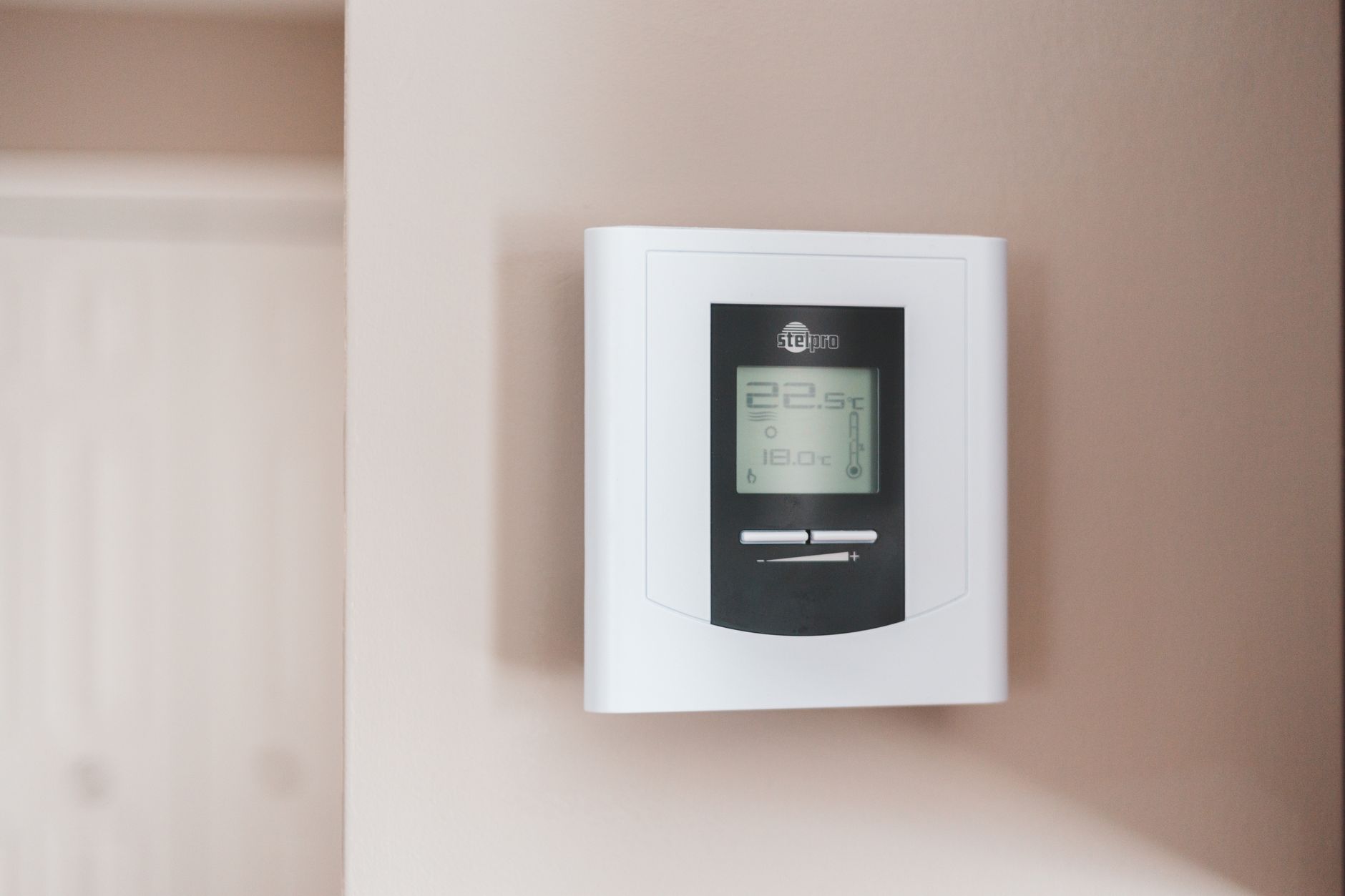
Set the thermostat to a safe temperature and double‑check before you soak.
Safe dosage / amount / brands
Because a hot tub isn’t a medication, “dosage” translates to water temperature, duration, and frequency. Here are the widely accepted limits:
Parameter
Safe limit
Water temperature
≤ 100 °F (38 °C) for most pregnancies; ≤ 98.6 °F (37 °C) in the first trimester.
Session length
10 minutes (first & third trimesters) or 15 minutes (second trimester).
Frequency
2–3 times per week is generally acceptable if each session follows the temperature and time rules.
Recommended brands
Models with precise digital thermostats and automatic shut‑off, e.g., Cal Spas, Jacuzzi® ProSeries, and Sundance Spas with “Low‑Heat” settings.
Brands to avoid
Older analog models lacking accurate temperature control or filtration systems that do not meet current FDA water‑quality standards.
What to check before entering a hot tub
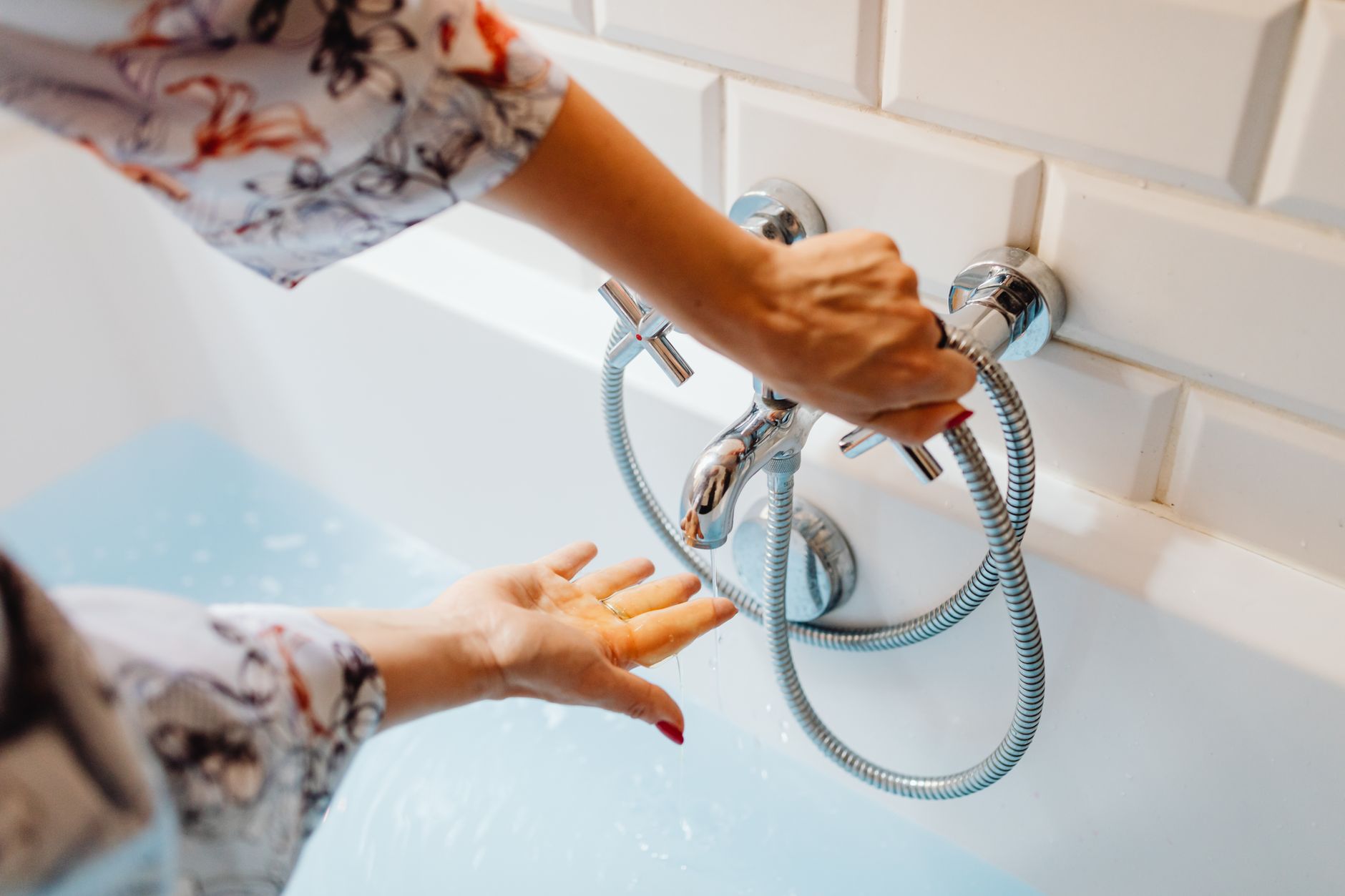
Even if you’ve read the guidelines, a quick pre‑soak checklist can keep you on the safe side. Verify the thermostat reading on the control panel and, if possible, use a separate waterproof thermometer to double‑check the water temperature. Inspect the water for clarity and any strange odors—both can signal bacterial growth. Make sure the jets are set to a gentle flow; high‑pressure jets can increase circulation and raise core temperature faster.
Ask yourself these three questions: (1) Is the water at or below 100 °F (38 °C)? (2) Have I had a good bottle of water in the last hour? (3) Do I feel well‑rested and free of fever or infection symptoms? If you answer “yes” to all, you’re likely ready for a short, soothing soak.
How to monitor your temperature while soaking
Keeping an eye on your core temperature is the most reliable way to avoid hyperthermia. A waterproof digital thermometer can be clipped to the arm or placed in a waterproof pouch. Aim to keep your core temperature below 100.4 °F (38 °C). If you notice a steady rise, exit the tub immediately, splash cool water on your skin, and sip water. Some pregnant people find that placing a cool, damp towel on the forehead or neck while soaking helps maintain a comfortable body temperature.
Remember that the feeling of “hot” can be subjective. Even if the water reads 99 °F, you might still feel overheated if the room is humid or if you’ve been exercising earlier in the day. Trust your body’s signals above any thermometer reading.
Hot tub hygiene and infection prevention
Pregnancy can make you more susceptible to certain infections, so maintaining a clean hot tub is essential. The CDC recommends that hot tubs be disinfected with at least 3 ppm (parts per million) of chlorine or 1 ppm of bromine, and that the pH be kept between 7.2 and 7.8. Change the water at least every three months, and run the filtration system for a minimum of eight hours per day.
If you’re using a public hot tub (at a gym or hotel), ask the staff about their cleaning schedule. Look for visible signs of cloudiness, strong chemical smells, or algae growth—any of these indicate a potential bacterial problem. For home owners, consider adding a UV‑light system or an ozone generator, both of which can reduce reliance on harsh chemicals while keeping the water safe.
Regular water testing helps keep bacterial risks low for you and your baby.
Side effects and risks
Most side effects are related to overheating and dehydration:
Hyperthermia – Elevated core temperature can cause dizziness, nausea, and in rare cases, affect fetal brain development.
Dehydration – Warm water can lead to fluid loss; always drink water before and after soaking.
Leg cramps – Prolonged immersion can cause muscle cramps, especially in the calves.
Infection – If the tub isn’t properly disinfected, bacterial infections like Legionella can develop, posing a higher risk for pregnant women.
Falls – Slippery surfaces increase the risk of falls, which can be dangerous in late pregnancy.
If you experience any of the following, stop the soak and contact your provider: persistent fever (> 100.4 °F/38 °C), severe headache, rapid heartbeat (> 120 bpm), uterine contractions, severe dizziness, or signs of infection such as unusual discharge or fever. Also reach out if you have a diagnosed condition like hypertension, preeclampsia, or a history of miscarriage and are unsure about hot‑tub safety. This information is for educational purposes only and does not replace personalized medical advice.
Safer alternatives
Warm shower – Provides soothing heat without the risk of whole‑body hyperthermia.
Prenatal yoga class – Gentle stretches and breathing reduce stress and improve circulation safely.
Pregnancy massage – Targeted muscle relief without overheating.
Heated pool at low temperature – Water is usually cooler than a hot tub, keeping core temperature stable.
Warm compress – Can be applied to the lower back for comfort without raising overall body temperature.
Light stretching routine – Improves flexibility and reduces tension without any heat.
Gentle swimming – Cool water and buoyancy relieve joint pressure safely.
Related items — safety at a glance
Item
Verdict
Spa
⚠️ Safe if temperature ≤ 100 °F and duration ≤ 15 minutes; monitor for overheating.
Jacuzzi
✅ Generally safe with precise thermostat control and clean water; follow same limits.
Hydrotherapy pool
✅ Safe; water is usually cooler than hot tubs, making temperature less of a concern.
Whirlpool bathtub
⚠️ Safe when set to low heat and used briefly; avoid high‑heat settings.
Bubble bath
✅ Safe; water temperature can be controlled precisely, similar to a shower.
Steam room
❌ Best avoided; ambient heat often exceeds safe core temperature limits.
Sauna
❌ Best avoided; high temperatures raise core body temperature quickly.
Thermal bath
⚠️ Safe only if water is kept ≤ 100 °F and exposure is short.
Myth vs. fact
Myth: Any warm water is automatically dangerous for a pregnant person. Fact: Warm water is safe when kept at or below 100 °F (38 °C) and used for short periods; the danger lies in excessive heat that raises core temperature.
Myth: Hot tubs cause miscarriage in all cases. Fact: Research shows that only prolonged exposure to high temperatures (above 102 °F/39 °C) in early pregnancy may increase miscarriage risk; brief, moderate‑temperature soaks are not proven to cause miscarriage.
Myth: All hot tubs are the same, so brand doesn’t matter. Fact: Brands with precise digital thermostats and certified filtration systems make it easier to stay within safe limits and reduce infection risk.
Key takeaways
Hot tub can be safe for pregnancy if water ≤ 100 °F (38 °C) and sessions are ≤ 15 minutes (≤ 10 minutes in 1st/3rd trimesters).
Stay hydrated, monitor your core temperature, and exit the tub if you feel overheated.
Women with hypertension, a history of miscarriage, or infection concerns should avoid hot tubs.
Choose tubs with accurate thermostats and reliable filtration; older analog models may pose higher risks.
Consider safer alternatives like warm showers, prenatal yoga, or low‑temperature heated pools for relaxation.
Frequently asked questions
Can I soak in a hot tub while pregnant?
Yes, you can soak in a hot tub while pregnant if you keep the water temperature at or below 100 °F (38 °C), limit the soak to 10–15 minutes, stay hydrated, and have no pregnancy complications.
What temperature is safe for a hot tub during pregnancy?
The safest temperature is 100 °F (38 °C) or lower; during the first trimester, many providers recommend staying at or below 98.6 °F (37 °C) to avoid any risk of hyperthermia.
How long should a pregnant woman stay in a hot tub?
Limit your soak to 10 minutes in the first and third trimesters and up to 15 minutes in the second trimester, provided the water stays within the safe temperature range.
Are hot tubs linked to birth defects?
When used within recommended temperature and time limits, hot tubs are not linked to an increased risk of birth defects; the primary concern is hyperthermia, which can be avoided by following guidelines.
Is it safe to use a hot tub in the second trimester?
Yes, the second trimester is the most forgiving; a water temperature ≤ 100 °F (38 °C) for up to 15 minutes is generally considered safe for most pregnant individuals.
What are the risks of hot tubs for pregnant women?
Risks include hyperthermia, dehydration, bacterial infection, leg cramps, and falls; these can be mitigated by controlling temperature, limiting time, staying hydrated, and ensuring the tub is clean.
Can hot tubs cause miscarriage?
Only prolonged exposure to high temperatures (above 102 °F/39 °C) in early pregnancy may increase miscarriage risk; short, moderate‑temperature soaks have not been shown to cause miscarriage.
What are safe alternatives to hot tubs during pregnancy?
Safe alternatives include warm showers, prenatal yoga, pregnancy massage, low‑temperature heated pools, foot spas, warm compresses, light stretching, and gentle swimming—all provide relaxation without overheating.
What should I do if I develop a fever after using a hot tub?
If you notice a fever (temperature > 100.4 °F/38 °C) after a soak, step out, cool down with a lukewarm shower, drink plenty of fluids, and contact your obstetric provider right away to rule out infection or hyperthermia.
Can I use a portable inflatable hot tub while pregnant?
Portable inflatable hot tubs can be safe if they have a reliable thermostat, maintain water at ≤ 100 °F (38 °C), and you follow the same time limits as a permanent tub; however, be extra vigilant about water cleanliness because these units can be harder to disinfect.
When to call your doctor
If you develop any of the following after a hot‑tub session, contact your obstetric provider promptly: fever higher than 100.4 °F (38 °C), persistent headache, rapid heartbeat (> 120 bpm), uterine contractions, severe dizziness, or signs of infection such as unusual discharge or fever. Also reach out if you have a diagnosed condition like hypertension, preeclampsia, or a history of miscarriage and are unsure about hot‑tub safety. This information is for educational purposes only and does not replace personalized medical advice.
References
American College of Obstetricians and Gynecologists (ACOG). “Guidelines for Managing Hyperthermia in Pregnancy.” 2022.
National Health Service (NHS). “Pregnancy and Hot Baths.” Updated 2023.
Centers for Disease Control and Prevention (CDC). “Legionella and Pregnancy.” 2021.
Food and Drug Administration (FDA). “Guidance on Hot Tub Water Quality and Safety.” 2020.
Mayo Clinic. “Hyperthermia in pregnancy: Risks and recommendations.” 2022.
World Health Organization (WHO). “Maternal health and environmental exposures.” 2021.
Editor's pick for this topic
About the Author
When Shubhra Mishra was expecting her first child in 2016, she was overwhelmed by conflicting food advice — one site said yes, another said never. By the time her second baby arrived in 2019, she realized millions of mothers face the same confusion.
That sparked a five-year journey through clinical nutrition papers, cultural diets, and expert conversations — all leading to BumpBites: a calm, compassionate space where science meets everyday motherhood.
Her long-term vision is to build a global community ensuring safe, supported, and free deliveriesfor every mother — because no woman should face pregnancy alone or uninformed. 🌿
🌍 Stand with mothers, shape safer guidance
Join a small circle of experts who review BumpBites articles so expecting parents everywhere can decide with confidence.