Pregnant women need about 70‑75 g of protein daily for fetal growth and maternal health. Learn why protein for pregnant women matters and ways to meet it.
By Shubhra Mishra — a mom of two who turned her own confusion during pregnancy into BumpBites, a global mission to make food choices clear, safe, and stress-free for every expecting mother. 💛
Check whether any food is safe during pregnancy with the BumpBites Food Safety Checker.
Download the Complete Pregnancy Food Guide (10,000 Foods) 📘
Instant PDF download • No spam • Trusted by thousands of moms
💡 Your email is 100% safe — no spam ever.
Quick take: Most pregnant people need about 70–100 g of protein each day, with the amount rising each trimester and staying higher while breastfeeding. Good sources include lean meat, dairy, eggs, beans, tofu, and nuts, and a balanced diet usually meets the need—supplements are only necessary with a medical recommendation.
Imagine it’s 2 a.m., you’ve just felt the first flutter of your baby and you’re scrolling through your phone, wondering whether the chicken salad you just ate will give your growing little one enough protein. You’re not alone. The question “how much protein do I need?” pops up for countless expecting parents, and the answers can feel scattered across nutrition charts, blog posts, and textbook pages.
Here’s the bottom line: protein is a building block for every cell in your body and for your baby’s development, and the amount you need changes as pregnancy progresses and after birth. In this guide, we’ll break down the exact grams you should aim for, explore the safest protein‑rich foods, address vegetarian and vegan concerns, and give you practical tips—from snack ideas to supplement guidance—so you can feel confident that you and your baby are getting the nourishment you both deserve.
We’ll also cover what happens if protein intake is too low or too high, how protein interacts with conditions like gestational diabetes, and what adjustments look like while you’re nursing. By the end, you’ll have a clear, science‑backed roadmap for protein for pregnant women, ready to share with your provider at the next prenatal visit.
How many grams of protein should a pregnant woman eat per day, and how does it vary by trimester?
The recommended daily protein intake for most pregnant adults is roughly 1.1 g per kilogram of pre‑pregnancy body weight, which translates to about 71 g per day for a 140‑lb (63 kg) woman. However, as the baby grows, the body’s demand rises. Below is a concise breakdown of the typical recommendations:
Trimester
Average daily protein (g)
Reason for increase
First (0‑13 weeks)
71 g
Supports early organ formation and maternal tissue expansion.
Second (14‑27 weeks)
84 g
Rapid fetal growth, placenta development, and increased blood volume.
Third (28‑40 weeks)
100 g
Maximum fetal weight gain, preparation for labor, and maternal tissue repair.
Post‑partum (breastfeeding)
100‑115 g
Milk production adds roughly 20 g of protein demand daily.
These numbers are averages. Individual needs can differ based on pre‑pregnancy weight, activity level, and health conditions. For teenage mothers, the daily protein intake recommendation for pregnant teens is slightly higher—about 75–95 g per day—because teens are still growing themselves.
To calculate your personal target, multiply your pre‑pregnancy weight in kilograms by 1.1, then add 10 g for each trimester after the first. For example, a 70‑kg woman would aim for 77 g in the first trimester, 87 g in the second, and 97 g in the third. Adding a small buffer (5‑10 g) helps account for day‑to‑day variations and ensures you’re consistently meeting the goal.
Best protein sources for pregnant women
Choosing high‑quality protein means picking foods that provide all essential amino acids and are low in harmful contaminants. Below are the top options, grouped by animal and plant categories, with quick serving ideas.
Lean meats – chicken breast, turkey, and lean cuts of beef or pork. A 3‑oz (85 g) serving offers 20‑30 g of protein.
Fish – low‑mercury varieties such as salmon, sardines, and trout provide 22‑25 g per 3‑oz portion and add omega‑3 fatty acids.
Dairy – Greek yogurt, cottage cheese, and fortified milk deliver 10‑20 g per cup.
Eggs – one large egg supplies about 6 g of protein; most clinicians say up to two eggs a day are safe for most pregnant patients.
Legumes – lentils, chickpeas, and black beans provide 15‑18 g per cooked cup.
Tofu & tempeh – soy‑derived products give 10‑20 g per half‑cup, and they absorb flavors well for stir‑fries or soups.
Nuts & seeds – almonds, pumpkin seeds, and chia add 5‑7 g per ounce, plus healthy fats and fiber.
Whole grains – quinoa and amaranth contain all essential amino acids, offering 8‑9 g per cooked cup.
When you’re battling morning sickness, high‑protein snacks for morning sickness such as a slice of whole‑grain toast with almond butter, a hard‑boiled egg, or a small Greek yogurt parfait can keep blood sugar stable and reduce nausea.
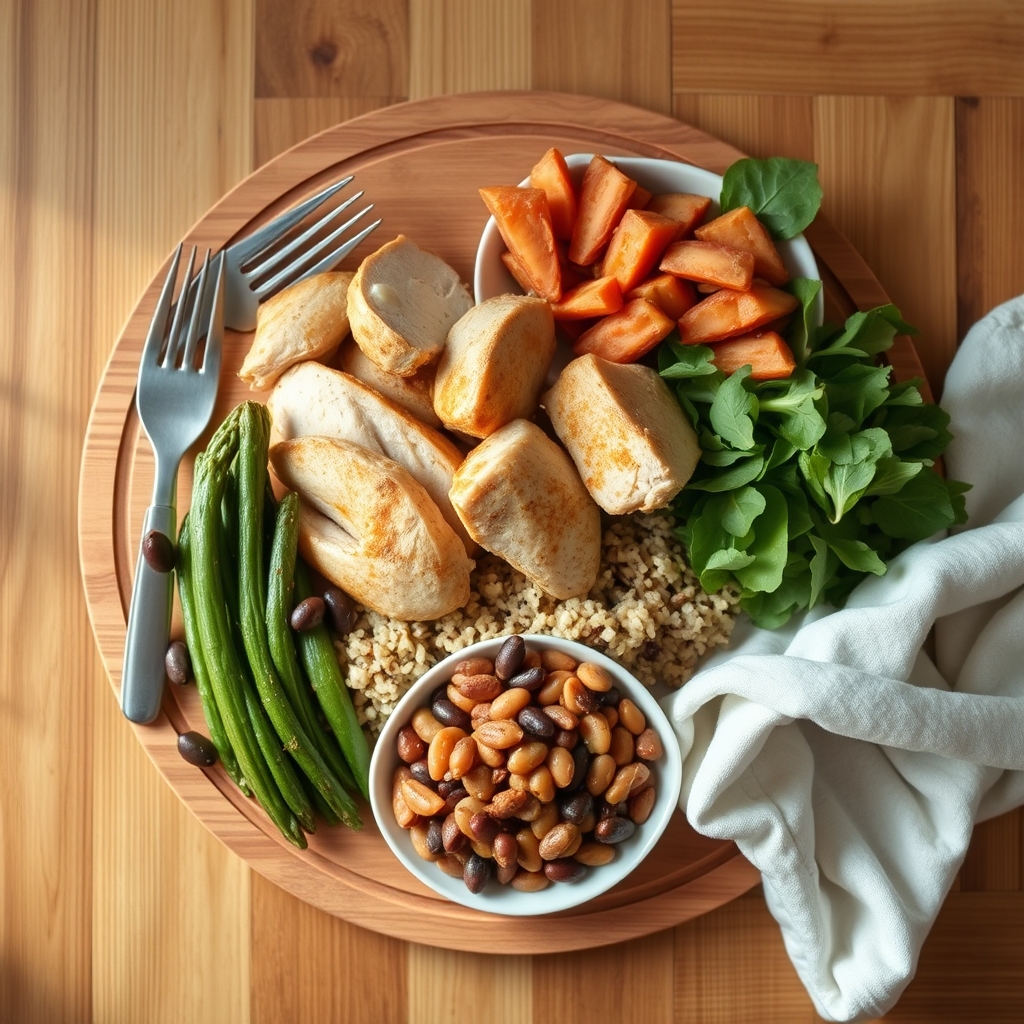
Below is a quick visual guide you might keep on your fridge:
Combine animal and plant proteins for a complete amino‑acid profile.
Remember to choose low‑mercury fish, avoid raw or undercooked seafood, and wash beans thoroughly to eliminate any risk of bacterial contamination. If you have a dairy allergy, fortified soy or almond milks can fill the gap, but check that they contain added calcium and vitamin D.
Can I get enough protein on a vegetarian diet during pregnancy?
Yes—provided you plan wisely. Vegetarian (including lacto‑ovo) diets can meet protein needs when you combine complementary foods that together provide the full set of essential amino acids. Here are key strategies:
Pair legumes with whole grains (e.g., lentil soup with brown rice) to create a complete protein profile.
Include dairy or eggs daily if you’re lacto‑ovo; a cup of Greek yogurt (≈20 g) and two eggs (≈12 g) cover a large portion of the daily target.
Snack on nuts, seeds, or nut‑butter on whole‑grain crackers—each ounce adds 5‑7 g.
Consider fortified soy products like tempeh or soy‑protein isolates, which can deliver 15‑20 g per serving.
For those following a fully vegan plan, aim for 2–3 servings of soy (tofu, tempeh, edamame) and a variety of pulses, nuts, and seeds. A sample day might look like:
Breakfast: Smoothie with fortified soy milk, a scoop of pea‑protein powder, and a handful of berries (≈20 g).
Lunch: Quinoa‑black‑bean salad with avocado and pumpkin seeds (≈25 g).
Snack: Almond butter on whole‑grain toast (≈7 g).
Dinner: Stir‑fried tofu with broccoli, carrots, and brown rice (≈30 g).
If you’re concerned about hitting the target, a protein shake recipe for pregnancy can be a helpful boost. Blend 1 cup fortified soy milk, ½ cup frozen mango, 2 tablespoons peanut butter, and 1 scoop (≈15 g) of certified‑pregnancy‑safe pea protein. This provides roughly 35 g of protein in a single, easy‑to‑digest drink.
It’s also wise to have your iron and vitamin B12 levels checked, as plant‑based diets can lack these nutrients, which are essential for both you and the baby.
Effects of low protein intake on fetal development
Protein deficiency during pregnancy is associated with several adverse outcomes, though severe deficiency is rare in developed countries. The most common concerns include:
Reduced fetal growth – Low protein can contribute to intra‑uterine growth restriction (IUGR), leading to a baby who is smaller than expected for gestational age.
Preterm birth – Studies from the CDC indicate that inadequate protein correlates with a modest increase in preterm delivery risk.
Neurodevelopmental impacts – Amino acids are building blocks for neurotransmitters; insufficient intake may affect brain development and later cognitive performance.
Maternal complications – Mothers may experience muscle loss, weakened immunity, and slower wound healing after delivery.
Symptoms of protein deficiency in pregnant women can include persistent fatigue, hair loss, swelling of the feet (edema), and a feeling of weakness after exercise. If you notice any of these, especially combined with poor weight gain, discuss them with your provider promptly.
On the flip side, how much protein is too much during pregnancy is also a question many ask. While there is no strict upper limit, most health authorities advise staying below 2.0 g per kilogram of body weight per day (about 140 g for a 150‑lb woman). Consistently exceeding this amount may strain the kidneys and increase the risk of gestational diabetes, especially if the excess comes from processed meats high in saturated fat.
Protein supplements safe for pregnant women
When whole foods fall short—perhaps due to severe morning sickness, a restrictive diet, or a medical condition—protein supplements can fill the gap. The key is choosing products that are third‑party tested for purity and free of harmful additives.
Whey protein isolate – Generally safe, low in lactose, and quickly absorbed. A single serving (≈20 g) fits well into a snack or shake.
Pea‑protein powder – Plant‑based, hypoallergenic, and often fortified with iron and B12. Ideal for vegans.
Collagen peptides – While they provide amino acids, they lack a complete amino‑acid profile and are not a primary protein source.
Guidelines from the FDA and ACOG suggest limiting supplemental protein to no more than 30 g per day unless a clinician advises otherwise. Always check the label for added sugars, artificial sweeteners, or herbal extracts that could be contraindicated.
Here’s how to incorporate a supplement safely:
Choose a certified brand that lists the protein source and amount clearly.
Mix the powder into a balanced snack—like a banana with almond butter—to avoid a sudden protein spike.
Track total daily protein to stay within the recommended range.
Consult your obstetrician or a registered dietitian before starting any new supplement.
How does protein need change after giving birth while breastfeeding?
Breastfeeding adds roughly 20 g of protein demand daily because milk contains about 1 g of protein per 100 ml, and most lactating mothers produce 750–800 ml per day. Therefore, the postpartum protein target often sits at 100‑115 g for most women, and up to 120 g for those who are highly active or have twins.
Meeting this need supports:
Milk production quality and volume.
Maternal tissue repair after delivery (especially after C‑section).
Recovery of iron stores lost during birth.
Practical ways to boost protein while nursing include:
Adding a boiled egg or a slice of cheese to your morning oatmeal.
Enjoying a mid‑day snack of hummus with whole‑grain pita.
Preparing a lean‑protein dinner such as grilled salmon with quinoa.
Including a small protein shake (20 g) if you’re struggling to meet the target through meals alone.
If you’re managing gestational diabetes, the protein intake guidelines for gestational diabetes recommend spreading protein evenly across meals (about 20‑30 g per meal) and favoring lean, low‑fat options to avoid excess saturated fat that could affect glucose control.
Difference in protein needs for active vs sedentary pregnant women
Physical activity raises muscle turnover, which modestly increases protein requirements. For a sedentary pregnant woman, the baseline recommendation (≈71 g in the first trimester) is sufficient. For those who engage in regular moderate‑intensity exercise—such as brisk walking, prenatal yoga, or light strength training—adding 10‑15 g of protein per day helps repair muscle fibers and sustain energy.
Key points for active moms:
Consume a protein‑rich snack within 30 minutes after exercise (e.g., a smoothie with Greek yogurt).
Target 1.2 g of protein per kilogram of body weight if exercising more than 150 minutes per week, as suggested by the American College of Sports Medicine (ACSM).
Avoid high‑protein diets that rely heavily on processed meats; choose lean meats, fish, dairy, beans, and nuts instead.
Conversely, extremely vigorous activity (e.g., marathon training) should be discussed with a provider, as it may warrant a personalized nutrition plan that could exceed 115 g per day.
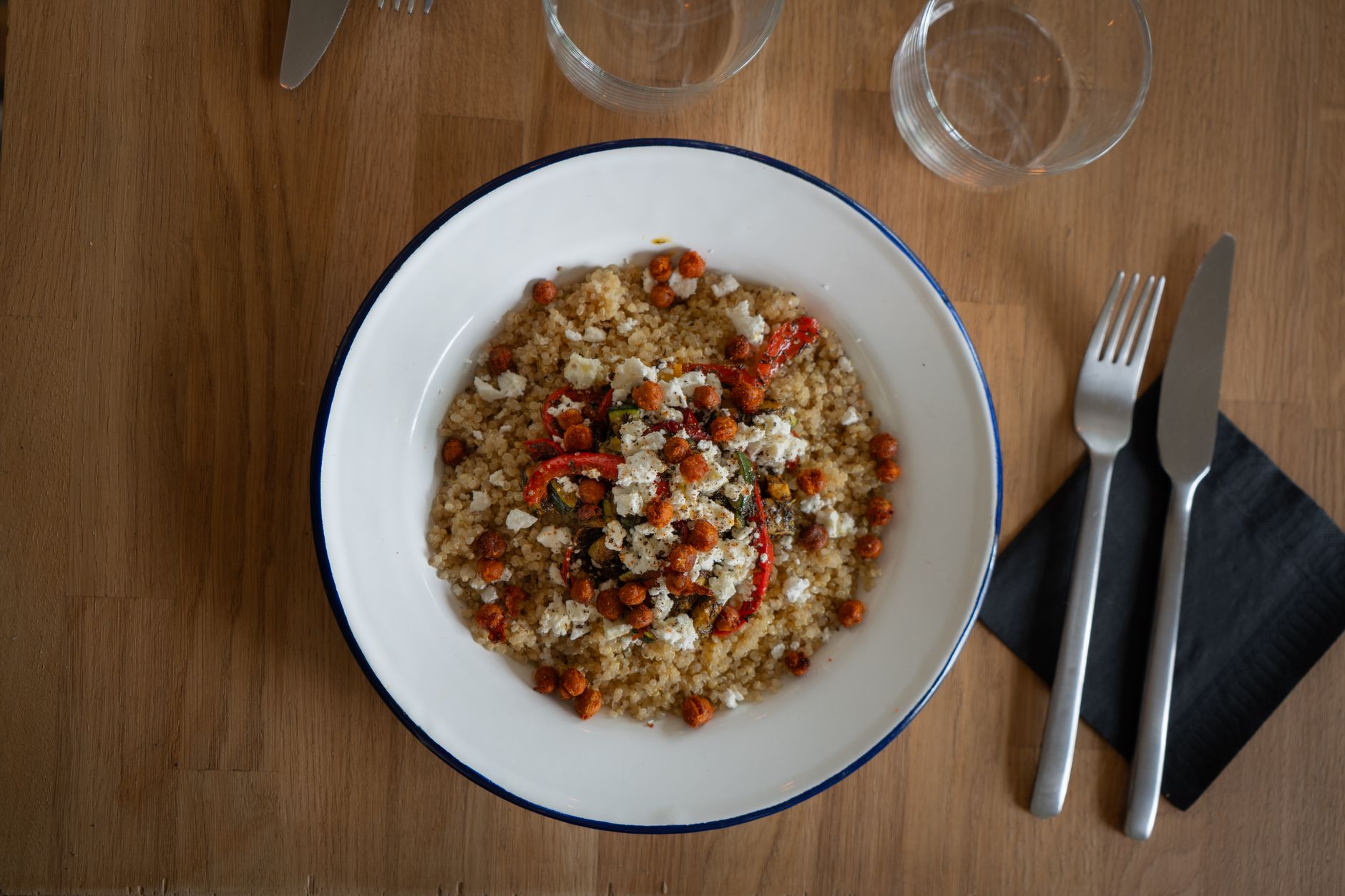
Cooking a protein‑rich meal can be a soothing ritual during pregnancy.
From our medical team: Protein needs evolve throughout pregnancy and after delivery, but most people can meet them through a varied diet that includes both animal and plant sources. Supplements are only necessary when dietary intake is insufficient or when a specific medical condition (like severe nausea) limits food consumption. Always discuss any supplement with your OB‑GYN or a registered dietitian to ensure safety and appropriate dosing.
Myth vs. fact
Myth: You need to eat massive amounts of meat to get enough protein.
Fact: A balanced mix of lean meats, dairy, eggs, beans, and nuts easily meets protein goals without excessive meat consumption.
Myth: Vegetarian or vegan diets cannot provide enough protein for a growing baby.
Fact: Well‑planned plant‑based diets, especially when they include soy products and complementary grains, can fully satisfy protein requirements.
Myth: More protein always means a healthier pregnancy.
Fact: Excessive protein—especially from processed meats—can increase risks like gestational diabetes; aim for the recommended range and prioritize quality sources.
Key takeaways
Aim for 71 g of protein in the first trimester, rising to about 100 g by the third trimester and while breastfeeding.
Include a mix of animal and plant proteins daily; dairy, eggs, lean meats, fish, legumes, tofu, nuts, and whole grains all count.
Vegetarian and vegan diets can meet needs when you combine complementary foods and consider fortified products.
Protein supplements are safe when they’re third‑party tested and used within 20‑30 g per day, but whole foods are preferred.
Low protein intake can lead to reduced fetal growth and preterm birth; excessive intake may stress kidneys and affect glucose control.
Active pregnant women should add 10‑15 g of protein daily and time a snack after workouts for optimal recovery.
Frequently asked questions
How much protein do I need in the first trimester?
Most guidelines suggest about 71 g per day, which is roughly the amount in three eggs, a cup of Greek yogurt, and a serving of beans.
Is it safe to take protein powder while pregnant?
Yes, if the powder is a certified, low‑additive whey or pea protein and you stay within 20‑30 g daily; always check with your provider first.
What are the best protein foods for pregnancy?
Lean chicken, low‑mercury fish, Greek yogurt, eggs, lentils, tofu, and almonds provide high‑quality protein and essential nutrients.
Can a vegetarian diet provide enough protein during pregnancy?
Absolutely—by pairing legumes with grains, using dairy or eggs, and adding soy products, most vegetarians can meet or exceed the recommended intake.
What happens if I don’t get enough protein while pregnant?
Insufficient protein can contribute to slower fetal growth, higher risk of preterm birth, and maternal fatigue or muscle loss.
How many eggs can I eat safely during pregnancy for protein?
Two eggs per day are generally considered safe and provide about 12 g of protein, along with choline important for brain development.
When to call your doctor
If you experience any of the following, contact your obstetrician or midwife right away: persistent nausea or vomiting that prevents you from eating, sudden swelling in your hands or face, severe fatigue accompanied by muscle loss, or any signs of infection after consuming protein‑rich foods. This article is for informational purposes only and does not replace personalized medical advice.
References
American College of Obstetricians and Gynecologists (ACOG). “Nutrition During Pregnancy.” Clinical Guidance, 2023.
National Health Service (NHS). “Protein and Pregnancy.” UK Health Guidance, 2022.
U.S. Department of Agriculture (USDA). “Dietary Guidelines for Americans 2020‑2025.” Protein Recommendations Section.
World Health Organization (WHO). “Protein Requirements for Pregnant and Lactating Women.” 2021.
American Diabetes Association (ADA). “Gestational Diabetes Nutrition Therapy.” Standards of Care, 2023.
Centers for Disease Control and Prevention (CDC). “Maternal Nutrition and Birth Outcomes.” 2022.
International Society of Sports Nutrition (ISSN). “Position Stand: Exercise and Protein Needs.” 2022.
Food Standards Agency (FSA). “Safe Levels of Mercury in Fish.” 2023.
When Shubhra Mishra was expecting her first child in 2016, she was overwhelmed by conflicting food advice — one site said yes, another said never. By the time her second baby arrived in 2019, she realized millions of mothers face the same confusion.
That sparked a five-year journey through clinical nutrition papers, cultural diets, and expert conversations — all leading to BumpBites: a calm, compassionate space where science meets everyday motherhood.
Her long-term vision is to build a global community ensuring safe, supported, and free deliveriesfor every mother — because no woman should face pregnancy alone or uninformed. 🌿
🌍 Stand with mothers, shape safer guidance
Join a small circle of experts who review BumpBites articles so expecting parents everywhere can decide with confidence.