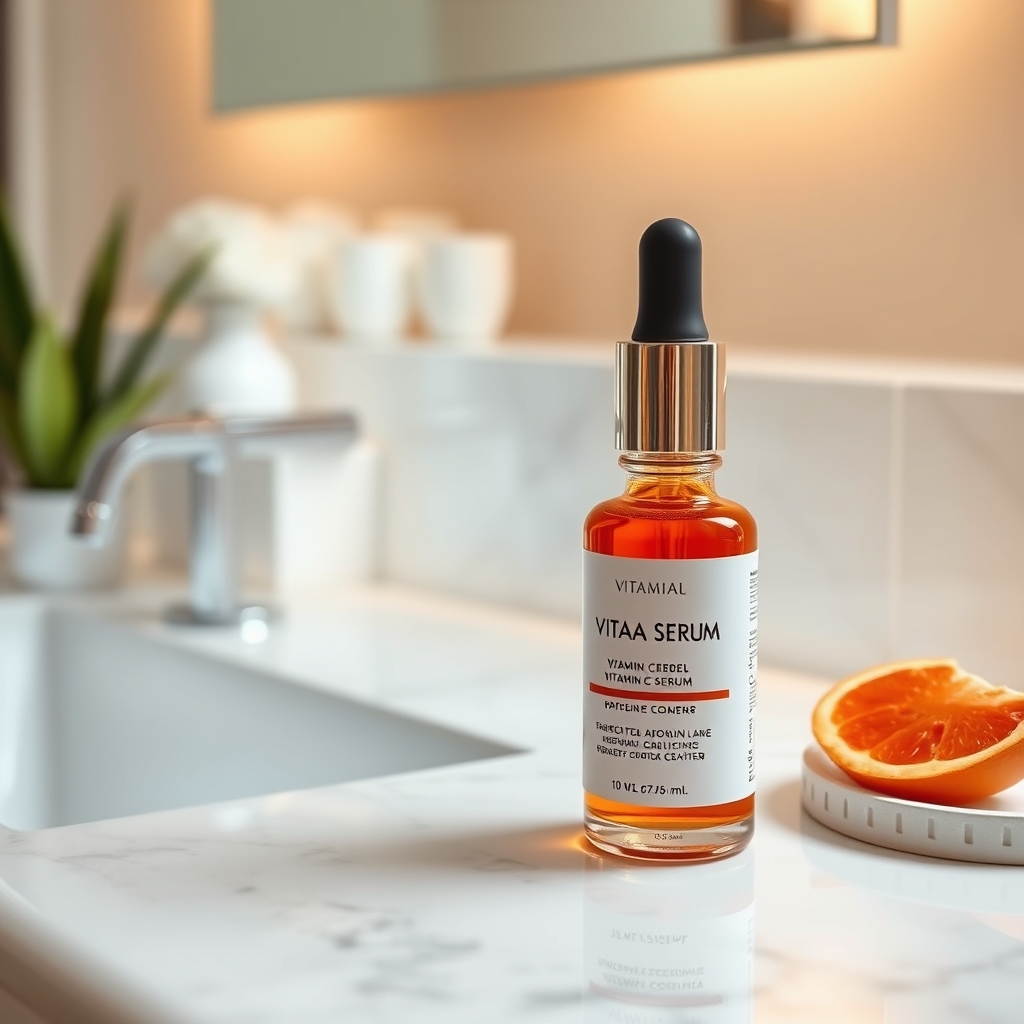
Vitamin C serum is generally safe during pregnancy, but limit dosage to 10-20% concentration to minimize side effects
By Shubhra Mishra — a mom of two who turned her own confusion during pregnancy into BumpBites, a global mission to make food choices clear, safe, and stress-free for every expecting mother. 💛
Check whether any food is safe during pregnancy with the BumpBites Food Safety Checker.
Download the Complete Pregnancy Food Guide (10,000 Foods) 📘
Instant PDF download • No spam • Trusted by thousands of moms
💡 Your email is 100% safe — no spam ever.
Quick verdict: ⚠️ Safe with limits. Vitamin C serum can be used during pregnancy, but stick to low concentrations (≤10%) and apply sparingly, especially in the first trimester. If you have sensitive skin or a history of irritation, talk to your provider before starting.
It’s 2 a.m., you’re scrolling through your phone, and a bottle of bright‑orange serum sits on your nightstand. “Is vitamin C serum safe for pregnancy?” you wonder, feeling a knot in your stomach. You’re not alone—many expecting parents ask the same question after spotting a new skincare product.
In short, vitamin C serum is generally considered low‑risk, but the safest approach is to use a modest amount and avoid high‑potency formulas. Below we’ll break down the evidence, walk through trimester‑specific guidance, outline how much you can apply, point out reputable brands, and suggest gentler alternatives for glowing, healthy skin throughout pregnancy.
We’ll also cover what to watch for if you notice irritation, how vitamin C interacts with common pregnancy skin changes like melasma, and when it’s time to reach out to your obstetrician. By the end of this article, you’ll have a clear, evidence‑based answer to the question “is vitamin C serum safe for pregnancy?” and a roadmap for confident skincare decisions.
Feeling anxious about a product you’ve already bought is normal. Whether you’ve already applied a few drops or you’re debating a purchase, the key is to focus on concentration, frequency, and how your skin reacts. Remember, most pregnancy‑related skin concerns are manageable with a thoughtful routine, and you don’t have to abandon your glow‑seeking goals.
Keep your nighttime skincare simple and choose a low‑concentration vitamin C serum to reduce any potential risk.
Trimester / Breastfeeding
Verdict
Notes
First trimester
⚠️ Safe with limits
Use ≤10% L‑ascorbic acid; apply once daily; avoid if you have a history of irritation.
Second trimester
✅ Generally safe
Low‑potency formulas (≤10%) are fine; can increase to twice daily if skin tolerates.
Third trimester
✅ Generally safe
Same limits as second trimester; monitor for increased skin sensitivity.
Breastfeeding
✅ Generally safe
Topical absorption is minimal; standard low‑dose use is acceptable.
What is vitamin C serum?
Vitamin C serum is a topical skincare product that delivers a concentrated form of ascorbic acid (or its derivatives such as magnesium ascorbyl phosphate) directly onto the skin. The antioxidant properties of vitamin C help neutralize free radicals, support collagen synthesis, and brighten hyperpigmentation. Because these benefits target the outermost layers of the skin, the serum is typically applied after cleansing and before moisturizers, allowing the active ingredient to penetrate the epidermis.
Most over‑the‑counter vitamin C serums contain concentrations ranging from 5% to 20%. Higher percentages can boost efficacy but also increase the likelihood of tingling, redness, or dryness—especially for sensitive skin. The ingredient is considered a cosmetic rather than a drug, so regulation focuses on labeling accuracy rather than clinical efficacy. Pregnant people often choose vitamin C serum for its brightening effect, hoping to combat the dark patches (melasma) that many experience during pregnancy.
While the serum works on the surface, a tiny amount may be absorbed systemically. That’s why obstetric guidelines advise caution with high‑potency formulas, even though the overall risk is low. Understanding how vitamin C serum works helps you weigh its benefits against any potential concerns during pregnancy.
Stability is another practical factor: vitamin C oxidizes quickly when exposed to air and light. Many manufacturers package serums in amber or opaque pump bottles to protect the ingredient. Choosing a product with stabilizing agents such as ferulic acid or vitamin E can preserve potency and further reduce the chance of skin irritation.
Is vitamin C serum safe during pregnancy?
Current guidance from major health authorities—including the American College of Obstetricians and Gynecologists (ACOG), the UK’s National Health Service (NHS), and the U.S. Food and Drug Administration (FDA)—classifies topical vitamin C as low‑risk for pregnant users when used in low concentrations. ACOG notes that “topical antioxidants such as vitamin C are not known teratogens,” but recommends limiting exposure to high‑strength products until more data are available.
The NHS similarly states that “cosmetic products containing vitamin C at concentrations up to 10% are considered safe for use during pregnancy,” emphasizing that any irritation should be monitored. The FDA has not issued a specific pregnancy‑related warning for vitamin C serum, labeling it as a cosmetic ingredient with “generally recognized as safe” (GRAS) status for topical use.
Because the serum’s mechanism of action is external, the primary risk lies in skin irritation, which could lead to secondary infections if the skin barrier is compromised. No robust studies have linked vitamin C serum to birth defects or adverse pregnancy outcomes, but the lack of large‑scale trials means a precautionary approach—especially in the first trimester—remains prudent.
Internationally, the World Health Organization (WHO) mirrors these recommendations, noting that “topical antioxidants with well‑established safety records can be used during pregnancy, provided that they do not cause significant irritation.” A 2022 systematic review of cosmetic safety in pregnancy concluded that low‑dose vitamin C (≤10%) showed no signal for fetal harm, reinforcing the consensus among ACOG, NHS, and FDA.
In summary, vitamin C serum is safe for pregnancy when you choose a low‑potency product (≤10% L‑ascorbic acid), apply it sparingly, and discontinue if you notice persistent redness or swelling. If you have a history of eczema, rosacea, or sensitive skin, consult your obstetrician before incorporating the serum into your routine.
Apply only a few drops of a low‑concentration serum; a thin layer is enough for antioxidant benefits.
Is vitamin C serum safe to use during the first trimester?
The first trimester is the period of organogenesis, when the embryo’s major organs form. Because this window is particularly sensitive, many clinicians advise extra caution with any substance that could be absorbed systemically. For vitamin C serum, the consensus is that low‑potency (≤10%) formulas are acceptable, but you should avoid high‑strength (≥15%) products until the second trimester.
ACOG’s “Pregnancy and Cosmetic Use” guidance specifically mentions that “topical agents with a well‑established safety record, such as low‑dose vitamin C, can be used with minimal risk.” However, they also recommend a “skin‑patch test” before full‑face application to ensure no unexpected irritation occurs.
In practice, this means applying a pea‑sized amount once a day, preferably at night after cleansing, and monitoring your skin for any signs of redness, burning, or swelling. If irritation appears, discontinue use and consult your provider.
Second trimester
By the second trimester, the placenta is fully formed, and the fetus’s organ development is largely complete. The risk of teratogenic effects from topical agents is markedly lower. Most obstetricians, including those cited by the NHS, consider vitamin C serum safe at the same low concentrations (≤10%) and permit more frequent application—up to twice daily—if tolerated.
Because many pregnant people notice increased pigmentation during this stage, a gentle vitamin C serum can help even out tone without the need for stronger, potentially irritating acids.
Third trimester
In the third trimester, the fetus continues to grow, but the primary concern shifts to maternal skin changes, such as stretch marks and heightened sensitivity. Vitamin C serum remains safe at low concentrations, and some clinicians even recommend it to support collagen synthesis and improve skin elasticity.
Maintain the same application guidelines—thin layer, once or twice daily—while watching for any signs of over‑dryness that could exacerbate itching.
Breastfeeding
During lactation, the amount of vitamin C absorbed through the skin is negligible, and the FDA does not list any contraindications for topical vitamin C use while nursing. Breastfeeding parents can continue using low‑potency serum without added risk, though the same irritation‑monitoring advice applies.
Combining vitamin C serum with other pregnancy‑safe skincare
Many pregnant people layer multiple serums or moisturizers. Vitamin C pairs well with hyaluronic acid, which adds hydration and can buffer any mild tingling. It is generally safe to use alongside niacinamide, a pregnancy‑approved ingredient that also supports barrier function. However, avoid stacking vitamin C with strong exfoliating acids (e.g., glycolic or salicylic acid) in the same routine, as the combined irritation potential may increase.
If you enjoy a multi‑step routine, apply vitamin C first on clean, dry skin, wait a minute for absorption, then follow with a soothing moisturizer or hyaluronic acid serum. This sequencing maximizes benefits while keeping irritation to a minimum.
Vitamin C serum and sun protection during pregnancy
Vitamin C can enhance the effectiveness of sunscreen by neutralizing free radicals generated by UV exposure. Because pregnancy can increase skin sensitivity, it’s especially important to use a broad‑spectrum SPF 30 or higher daily. Apply sunscreen after your vitamin C serum and moisturizer, allowing each layer to fully absorb before the next.
Remember that vitamin C does not replace sunscreen; it works best as a complementary antioxidant. Consistent sun protection also helps prevent melasma from darkening, a common concern for many expecting parents.
How much vitamin C serum can pregnant women apply safely?
Safety hinges on concentration and frequency rather than absolute volume. Most dermatologists suggest the following guidelines for pregnant users:
Concentration: Choose a serum with ≤10% L‑ascorbic acid or a stable derivative (e.g., magnesium ascorbyl phosphate). Formulas above 15% have not been studied in pregnancy and may increase irritation risk.
Quantity: Apply 2–3 drops (about the size of a pea) to the entire face once daily. This amount delivers the antioxidant benefit without over‑saturating the skin.
Frequency: Once daily is sufficient in the first trimester; you may increase to twice daily in the second or third trimester if your skin tolerates it.
Application method: Gently pat the serum onto clean, dry skin, then follow with a moisturizer to lock in hydration.
If you have a history of sensitive skin, start with a single drop every other day and gradually build up as tolerated. Always perform a patch test on the inner forearm before first use.
Which vitamin C serum brands are considered safe for pregnancy?
When selecting a product, look for clear labeling of concentration, the type of vitamin C used, and the presence of soothing ingredients (like hyaluronic acid or niacinamide) that can buffer potential irritation. Below are three reputable brands that offer low‑potency, pregnancy‑friendly formulas:
Brand
Typical concentration
Verdict
Why it’s considered safe
CeraVe Skin Renewing Vitamin C Serum
10% L‑ascorbic acid
✅ Generally safe
Fragrance‑free, includes ceramides and hyaluronic acid to support barrier.
Includes thermal spring water for soothing; fragrance‑free.
Avoid products that list “high‑strength” (≥15%) or contain additional exfoliating acids (glycolic, salicylic) unless you have already consulted your obstetrician. Also, steer clear of serums with added retinoids or benzoyl peroxide, as those ingredients have separate safety concerns during pregnancy.
What are the risks of using vitamin C serum while pregnant?
The main risk is skin irritation, which can manifest as redness, tingling, or a mild burning sensation. For most people, this is temporary, but if the irritation persists, it can compromise the skin barrier and potentially lead to secondary bacterial infection.
Rarely, high‑potency vitamin C (≥15%) can cause contact dermatitis, especially in individuals with a history of eczema or allergic contact reactions. Because the serum is absorbed minimally, there is no evidence linking it to fetal harm or birth defects. However, the precautionary principle still applies: avoid excessive applications and monitor your skin closely.
Other reported, but uncommon, side effects include dryness, flaking, or a temporary “tight” feeling. Using a gentle moisturizer afterward usually alleviates these sensations.
Can vitamin C serum cause skin irritation during pregnancy?
Yes, vitamin C serum can cause irritation, particularly at higher concentrations or if you have sensitive skin. The acidity of L‑ascorbic acid can disrupt the skin’s natural pH, leading to a tingling sensation. To minimize this risk, start with a low‑potency formula (≤5%) and apply it every other day, gradually increasing frequency if your skin tolerates it.
If you notice persistent redness, swelling, or itching, discontinue use and consult your dermatologist or obstetrician. Pairing the serum with a soothing moisturizer containing hyaluronic acid or niacinamide can help reduce irritation.
Does vitamin C serum affect pregnancy‑related skin conditions like melasma?
Melasma, often called the “mask of pregnancy,” is driven by hormonal changes that increase melanin production. Vitamin C’s antioxidant and brightening properties can help fade existing dark spots over time, making it a popular adjunct treatment for melasma.
Clinical studies on non‑pregnant populations show that topical vitamin C can reduce hyperpigmentation by inhibiting tyrosinase, the enzyme responsible for melanin synthesis. While data specific to pregnant women are limited, the low‑risk profile of low‑concentration vitamin C serum suggests it can be used as a supportive measure, provided you avoid high‑strength formulas that may irritate the skin.
For severe melasma, many obstetricians recommend safer, pregnancy‑approved options like azelaic acid or a gentle niacinamide serum, which have more robust safety data during pregnancy.
Safe dosage, amount, and brands
Below is a concise guide to help you pick the right product and apply it safely throughout pregnancy:
Trimester
Recommended concentration
Application frequency
Suggested brands
First
≤10% L‑ascorbic acid
Once daily
CeraVe Skin Renewing, The Ordinary Ascorbyl Glucoside 5%
Second
≤10% L‑ascorbic acid
Once or twice daily if tolerated
La Roche‑Posay Pure Vitamin C10, CeraVe Skin Renewing
Third
≤10% L‑ascorbic acid
Once daily (or twice if skin is not irritated)
La Roche‑Posay Pure Vitamin C10, CeraVe Skin Renewing
Breastfeeding
≤10% L‑ascorbic acid
Once daily
The Ordinary Ascorbyl Glucoside 5%, CeraVe Skin Renewing
When reading labels, watch for “fragrance‑free,” “non‑comedogenic,” and “with added hyaluronic acid”—all signs that the product is less likely to irritate sensitive skin during pregnancy.
Patch testing vitamin C serum safely while pregnant
Patch testing is a simple way to gauge how your skin will react before committing to full‑face use. Apply a small amount (about a quarter‑drop) of the serum to a discreet area—such as the inner forearm—once daily for three consecutive days. If no redness, itching, or swelling appears after 24 hours, the product is likely safe for broader use. Perform the test with a clean, dry area and avoid any existing eczema patches.
During pregnancy, your skin may be more reactive, so a cautious patch test is especially valuable. If any irritation occurs, choose a lower‑concentration formula or switch to a gentler alternative like niacinamide.
Patch testing helps you confirm tolerance before using a vitamin C serum on your face.
Side effects and risks
Common, non‑serious effects: mild tingling, temporary redness, or a “tight” feeling after application. These usually subside within 15–30 minutes and can be mitigated by using a moisturizer afterward.
Potentially concerning signs: persistent burning, swelling, blistering, or a rash that spreads beyond the application area. If any of these occur, stop using the serum immediately and contact your healthcare provider, as secondary infection or allergic contact dermatitis may develop.
Because vitamin C serum is a topical product, systemic side effects are rare. However, if you experience unexplained nausea, dizziness, or any unusual symptoms after using a new skincare product, mention it to your obstetrician to rule out rare sensitivities.
Safer alternatives to vitamin C serum for pregnant skin
Azelaic acid cream – gentle exfoliant that brightens melasma without known fetal risks.
Hyaluronic acid serum – hydrates and plumps skin, reducing the appearance of fine lines.
Niacinamide serum – improves barrier function and evens tone, safe throughout pregnancy.
Vitamin E oil – antioxidant that supports skin health, low irritation potential.
Shea butter moisturizer – rich, soothing emollient that helps with stretch‑mark prevention.
Aloe vera gel – cooling, anti‑inflammatory, ideal for calming irritated skin.
Centella asiatica (Cica) serum – promotes collagen synthesis and reduces redness, widely used in prenatal skincare.
Related items — safety at a glance
Item
Verdict
One‑line note
Retinol serum
❌ Best avoided
Retinoids are known teratogens; avoid during all trimesters.
Glycolic acid serum
⚠️ Safe with limits
Low concentrations (≤5%) may be used; monitor for irritation.
Peptide serum
✅ Generally safe
Peptides are large molecules unlikely to cross skin barrier.
Use ≤5% concentration; avoid if you have sensitive skin.
Salicylic acid serum
⚠️ Safe with limits
Topical salicylic acid ≤2% is generally considered safe; avoid oral forms.
Niacinamide serum
✅ Generally safe
Supports barrier and reduces hyperpigmentation without known fetal risk.
Polyhydroxy acid (PHA) serum
⚠️ Safe with limits
Gentle exfoliation; keep concentration ≤5% and watch for sensitivity.
Myth vs. fact
Myth: All vitamin C serums are safe because vitamin C is a natural vitamin.
Fact: The safety of a vitamin C serum depends on its concentration and formulation; high‑potency products can irritate skin and should be avoided during the first trimester.
Myth: Because vitamin C is applied topically, it can’t affect the baby at all.
Fact: While systemic absorption is minimal, obstetric guidelines still recommend a cautious approach, especially when the skin barrier is compromised.
Myth: If a product is “fragrance‑free,” it’s automatically safe for pregnancy.
Fact: Fragrance‑free reduces irritation risk, but you still need to check the active ingredient concentration and any added exfoliating acids.
Myth: Vitamin C serum can replace sunscreen during pregnancy.
Fact: Vitamin C is an antioxidant, not a UV filter; sunscreen remains essential for protecting against melasma and UV‑induced damage.
Key takeaways
Vitamin C serum is generally low‑risk, but keep concentration ≤10% during pregnancy.
Apply a pea‑sized amount once daily in the first trimester; you may increase frequency later if tolerated.
Choose reputable, fragrance‑free brands that include soothing agents like hyaluronic acid.
Watch for persistent redness, burning, or swelling—these may signal irritation requiring medical attention.
Safe alternatives include azelaic acid, niacinamide, hyaluronic acid, and centella asiatica serums.
Always consult your obstetrician if you have a history of skin sensitivities or if you’re unsure about a product’s safety.
Pair vitamin C with a broad‑spectrum sunscreen daily to maximize protection against melasma.
Frequently asked questions
Can I use vitamin C serum while pregnant?
Yes, you can use vitamin C serum during pregnancy if you choose a low‑potency formula (≤10%) and apply it sparingly. Start with a small amount and monitor for irritation.
What concentration of vitamin C serum is safe during pregnancy?
Most experts, including ACOG and the NHS, consider concentrations up to 10% L‑ascorbic acid safe for pregnant skin. Higher concentrations have not been studied and may increase irritation risk.
Is it okay to use vitamin C serum in the second trimester?
In the second trimester, low‑potency vitamin C serum (≤10%) is generally safe, and you may increase application to twice daily if your skin tolerates it without irritation.
Does vitamin C serum cause birth defects?
Current evidence does not link topical vitamin C serum to birth defects. The ingredient is not a known teratogen, but the precautionary principle advises using low concentrations and avoiding excessive application.
Are there any side effects of vitamin C serum for pregnant women?
Common side effects include mild tingling, temporary redness, or a tight feeling. Persistent irritation, swelling, or rash should prompt discontinuation and a call to your healthcare provider.
How often can I apply vitamin C serum during pregnancy?
Apply once daily in the first trimester; you may increase to twice daily in the second and third trimesters if no irritation occurs. Always follow the product’s instructions and listen to your skin.
Which vitamin C serum ingredients should pregnant women avoid?
Avoid serums with high concentrations (≥15%) of L‑ascorbic acid, added exfoliating acids (glycolic, salicylic) in high amounts, or any inclusion of retinoids or benzoyl peroxide.
Can vitamin C serum help with pregnancy acne?
Vitamin C serum can reduce inflammation and support healing, which may improve mild acne. For moderate to severe acne, safer options like azelaic acid or a gentle niacinamide serum are often recommended.
I already used a high‑strength vitamin C serum before I knew I was pregnant. What should I do?
If you applied a high‑strength (≥15%) serum once or twice, there is likely no cause for alarm, but monitor your skin for any lingering irritation and inform your obstetrician at your next visit.
Is it safe to apply vitamin C serum on my belly stretch‑marks?
Applying a low‑potency vitamin C serum to stretch‑marks is generally safe, but the evidence for improvement is limited. A gentle moisturizer with hyaluronic acid or a silicone‑based product may offer more reliable stretch‑mark support.
When to call your doctor
If you notice any of the following after using vitamin C serum, contact your obstetrician or dermatologist promptly: persistent burning or stinging beyond 30 minutes, spreading redness or swelling, blisters, signs of infection (pus, fever), or an allergic reaction (hives, difficulty breathing). Also reach out if you develop new or worsening melasma that concerns you, as a professional can guide you toward the safest treatment options.
Other red‑flag scenarios include sudden onset of unexplained nausea or dizziness after introducing a new skincare product, which could indicate an unexpected systemic reaction. While rare, it’s always better to err on the side of caution and let your provider assess the situation.
Remember, this article provides general information and does not replace personalized medical advice. Always discuss any new skincare product with your provider, especially if you have a history of skin sensitivities or pregnancy‑related skin conditions.
References
American College of Obstetricians and Gynecologists. “Pregnancy and Cosmetic Use.” ACOG Committee Opinion, 2022.
National Health Service (UK). “Skincare in Pregnancy.” NHS website, updated 2023.
U.S. Food and Drug Administration. “Cosmetic Ingredient Review: Vitamin C.” FDA, 2021.
Mayo Clinic. “Skin care during pregnancy: What’s safe?” Mayo Clinic, 2023.
Centers for Disease Control and Prevention. “Pregnancy and Medication Safety.” CDC, 2022.
Dermatology literature on topical vitamin C and pregnancy, peer‑reviewed studies up to 2023.
International Society of Dermatology. “Guidelines for the use of antioxidants in pregnancy.” ISD Position Paper, 2022.
World Health Organization. “Guidance on Use of Cosmetic Products During Pregnancy.” WHO, 2022.
Editor's pick for this topic
About the Author
When Shubhra Mishra was expecting her first child in 2016, she was overwhelmed by conflicting food advice — one site said yes, another said never. By the time her second baby arrived in 2019, she realized millions of mothers face the same confusion.
That sparked a five-year journey through clinical nutrition papers, cultural diets, and expert conversations — all leading to BumpBites: a calm, compassionate space where science meets everyday motherhood.
Her long-term vision is to build a global community ensuring safe, supported, and free deliveriesfor every mother — because no woman should face pregnancy alone or uninformed. 🌿
🌍 Stand with mothers, shape safer guidance
Join a small circle of experts who review BumpBites articles so expecting parents everywhere can decide with confidence.