Is vitamin C safe while pregnant? Yes, it's generally safe and essential. Learn the recommended daily amount (85 mg for pregnant women) and best food sources to support a healthy pregnancy.
By Shubhra Mishra — a mom of two who turned her own confusion during pregnancy into BumpBites, a global mission to make food choices clear, safe, and stress-free for every expecting mother. 💛
Check whether any food is safe during pregnancy with the BumpBites Food Safety Checker.
Download the Complete Pregnancy Food Guide (10,000 Foods) 📘
Instant PDF download • No spam • Trusted by thousands of moms
💡 Your email is 100% safe — no spam ever.
Quick verdict: ✅ Generally safe within recommended daily amounts. Vitamin C is an essential nutrient during pregnancy, crucial for both you and your baby's health. However, it's important to stay within recommended daily allowances, as excessively high doses from supplements can lead to side effects.
That familiar pharmacy aisle stare, scrolling through endless Google results at 3 AM – "is this safe for my baby?" If you're pregnant, it's a scene you know well. And when it comes to essential nutrients like vitamin C, the questions can feel even more pressing. Maybe you're concerned about getting enough, or perhaps you've heard whispers about high doses and now you're wondering if that extra glass of orange juice or your daily prenatal vitamin could be too much.
Take a deep breath. We understand the worry. When it comes to vitamin c while pregnant, the good news is that it's not only safe but vital for a healthy pregnancy. It plays a crucial role in your immune function, tissue repair, and your baby's development. The key, as with many things during pregnancy, is balance and moderation, primarily ensuring you meet your daily needs without going overboard on high-dose supplements.
Here at BumpBites, we're dedicated to bringing you clear, evidence-based answers reviewed by obstetric doctors. In this comprehensive guide, we'll break down everything you need to know about vitamin C during pregnancy: the recommended daily amounts, the best food sources, when supplements are appropriate, and what to watch out for. Our goal is to empower you with confidence, so you can focus on the joy of your pregnancy, not the panic of a late-night search.
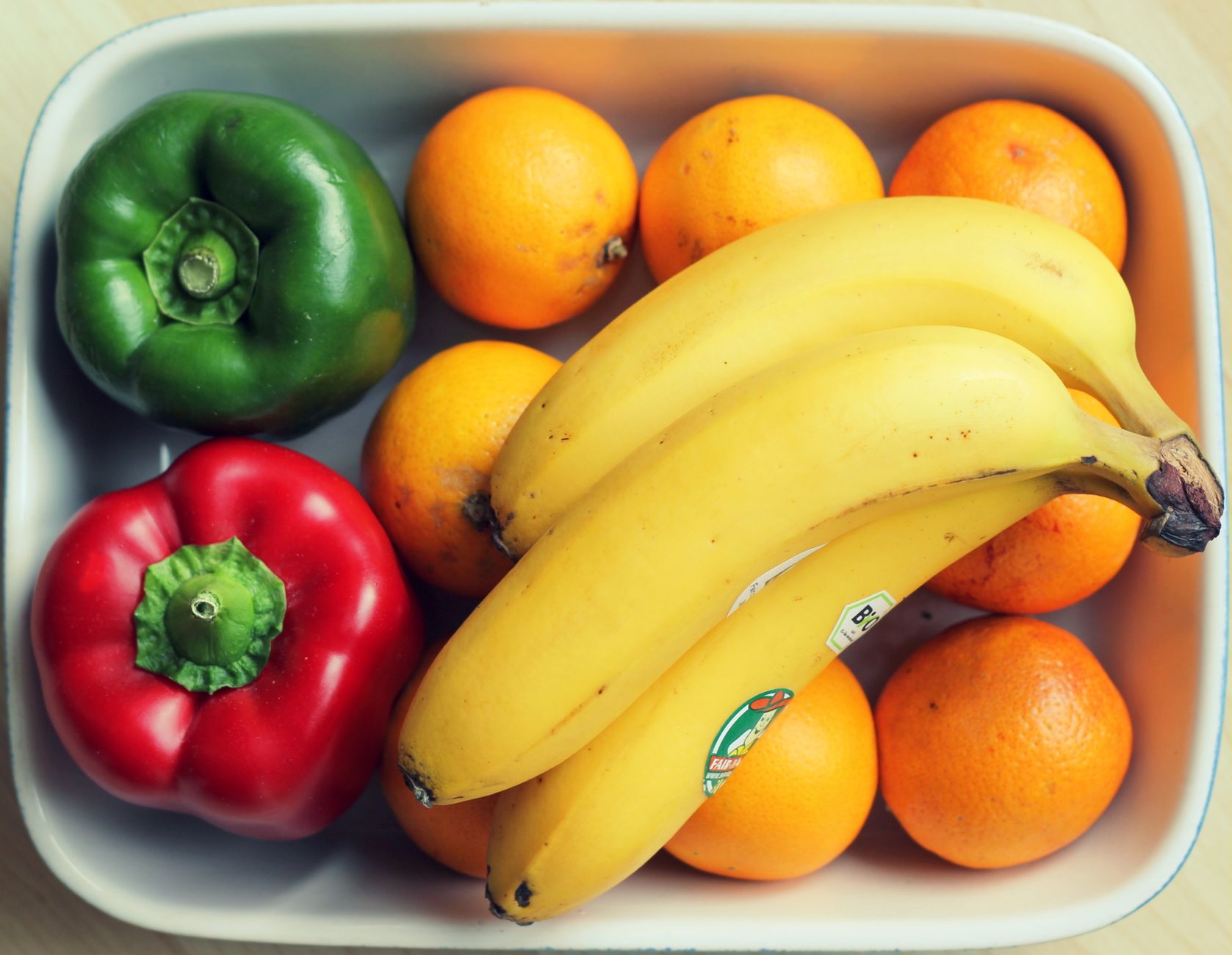
Vitamin C is a vital nutrient, often included in prenatal vitamins and abundant in many fruits and vegetables.
Safety Snapshot: Vitamin C During Pregnancy
Here's a quick overview of vitamin C safety throughout your pregnancy journey and into breastfeeding:
Stage
Verdict
Notes
First Trimester
✅ Generally Safe
Essential for early fetal development, immune support. Aim for recommended daily intake from food and prenatal vitamins.
Second Trimester
✅ Generally Safe
Continues to support fetal growth, collagen formation, and maternal health. Maintain recommended intake.
Third Trimester
✅ Generally Safe
Important for iron absorption, fetal tissue development, and preparing for birth. Adhere to daily recommendations.
Breastfeeding
✅ Generally Safe
Crucial for maternal recovery and transferred to breast milk to support infant immune health. Higher recommended intake during this period.
What is Vitamin C?
Vitamin C, also known as ascorbic acid, is an essential nutrient that your body can't produce on its own. This means you need to get it from your diet or supplements. It's a water-soluble vitamin, which means any excess that your body doesn't need is typically flushed out through your urine, making it less likely to accumulate to toxic levels compared to fat-soluble vitamins.
But what exactly does this powerhouse nutrient do? Vitamin C plays a critical role in numerous bodily functions. It's a powerful antioxidant, protecting your cells from damage caused by free radicals. It's vital for the growth, development, and repair of all body tissues. This includes the formation of collagen, a protein essential for healthy skin, tendons, ligaments, and blood vessels. It also helps your body absorb iron, an incredibly important mineral during pregnancy, and supports your immune system, helping you ward off infections.
Because of these wide-ranging benefits, maintaining adequate levels of vitamin c while pregnant is not just recommended, it's crucial for both your health and your developing baby's well-being.
Is Vitamin C Safe During Pregnancy?
Yes, absolutely. Vitamin C is not only safe but essential during pregnancy. Leading health organizations worldwide, including the American College of Obstetricians and Gynecologists (ACOG) and the UK's National Health Service (NHS), emphasize the importance of adequate vitamin C intake for expectant mothers.
During pregnancy, your body's need for many nutrients increases, and vitamin C is no exception. It's vital for the healthy development of your baby's bones, teeth, and collagen. Collagen is the main structural protein in connective tissues, and it's essential for your baby's growing body. For you, vitamin c while pregnant supports tissue repair, helps maintain a healthy immune system, and significantly aids in the absorption of iron, a mineral many pregnant people struggle to get enough of. Iron deficiency anemia is common in pregnancy, and vitamin C's role in enhancing iron absorption is a major benefit.
The primary concern regarding vitamin C safety during pregnancy isn't usually about getting enough from food, but rather the potential for side effects from excessively high doses, often found in mega-dose supplements. While your body will excrete much of the excess, consistently taking very high amounts can sometimes lead to gastrointestinal upset or, rarely, other issues. The current evidence suggests that meeting your daily needs through a balanced diet and a standard prenatal vitamin is the safest and most effective approach, ensuring you reap all the benefits without unnecessary risks.
Is Vitamin C Safe in Early Pregnancy, Second, or Third Trimester?
Vitamin C is crucial throughout all stages of pregnancy, with its importance evolving slightly as your baby grows. The good news is that the general safety guidelines for vitamin c while pregnant remain consistent across all trimesters: aim for the recommended daily intake, primarily from food, and use supplements cautiously.
First Trimester
During the first trimester, your baby is undergoing rapid organogenesis – the formation of all major organs. Vitamin C is vital for this intricate process, supporting cell growth and differentiation. It also aids in the formation of collagen, which is the building block for your baby's developing skin, blood vessels, bones, and cartilage. For you, it helps bolster your immune system during a time when your body is undergoing significant changes. Staying within the recommended daily allowance (RDA) is key to supporting these foundational developments without risk.
Second Trimester
As you move into the second trimester, your baby continues to grow and mature. Vitamin C remains essential for the continued development of your baby’s bones and teeth. It also plays a role in the formation of red blood cells, which are critical for oxygen transport to both you and your baby. Maintaining adequate vitamin c while pregnant also continues to support your immune health and helps prevent iron deficiency, which can become more prevalent as your blood volume expands.
Third Trimester
In the third trimester, your baby is gaining weight rapidly and finishing its development in preparation for birth. Vitamin C continues to be important for the final stages of growth, including the development of your baby’s lungs and connective tissues. Its role in iron absorption is particularly critical now, as your baby stores iron for the first few months of life. Ensuring you have enough vitamin C can help prevent anemia in both you and your baby, contributing to a smoother delivery and postpartum recovery.
Breastfeeding
After birth, vitamin C remains a crucial nutrient. The recommended daily intake for breastfeeding individuals is actually higher than during pregnancy, as some of the vitamin C you consume is transferred to your breast milk. This provides your baby with essential immune support and aids in their continued growth and development. For you, it supports postpartum healing and energy levels. As always, focus on a diet rich in vitamin C, and discuss any supplement needs with your healthcare provider.
What is the Recommended Daily Amount of Vitamin C for Pregnant Women?
Getting the right amount of vitamin c while pregnant is about meeting your body's increased needs without overdoing it. Health authorities have established specific guidelines to ensure both you and your baby receive adequate amounts of this vital nutrient.
According to the American College of Obstetricians and Gynecologists (ACOG) and the Institute of Medicine (now the National Academies of Sciences, Engineering, and Medicine), the recommended daily allowance (RDA) for vitamin C for pregnant individuals aged 19 and older is **85 mg per day**. For pregnant individuals aged 18 or younger, it's slightly higher at **80 mg per day**.
During breastfeeding, the RDA increases to **120 mg per day** for those 19 and older, and **115 mg per day** for those 18 or younger, to ensure sufficient transfer through breast milk to the infant.
It's important to also be aware of the Tolerable Upper Intake Level (UL) for vitamin C, which is the maximum amount unlikely to cause adverse health effects. For pregnant and breastfeeding individuals aged 19 and older, the UL is **2,000 mg (2 grams) per day**. For those 18 or younger, it's **1,800 mg per day**. While your body can excrete excess water-soluble vitamins, consistently exceeding this upper limit, especially through high-dose supplements, can lead to uncomfortable side effects.
Most standard prenatal vitamins contain around 60-100 mg of vitamin C, which typically covers the RDA when combined with a healthy diet. Always check the label of your prenatal vitamin and discuss any additional supplementation with your healthcare provider.
What Are the Best Food Sources of Vitamin C During Pregnancy?
The best and safest way to get your daily dose of vitamin c while pregnant is through a diverse diet rich in fruits and vegetables. Not only do these foods provide ample vitamin C, but they also offer a wealth of other essential vitamins, minerals, and fiber crucial for a healthy pregnancy. Here are some excellent sources:
Citrus Fruits: Oranges, grapefruits, lemons, and limes are classic vitamin C powerhouses. A single medium orange can provide over 70 mg.
Bell Peppers: Surprisingly, bell peppers (especially red and yellow ones) often contain more vitamin C than citrus fruits. One cup of chopped red bell pepper can offer nearly 200 mg.
Strawberries: These delicious berries are packed with vitamin C. A cup of strawberries provides around 89 mg.
Broccoli: This cruciferous vegetable is not only a good source of vitamin C (about 81 mg per cup, chopped) but also provides folate and fiber.
Kiwi: A small but mighty fruit, one kiwi contains around 64 mg of vitamin C.
Tomatoes: Whether fresh, canned, or in sauce, tomatoes contribute to your vitamin C intake (about 20 mg in a medium tomato).
Potatoes: While often overlooked, a medium baked potato with skin contains about 27 mg of vitamin C.
Spinach: Though not as high as some fruits, spinach still offers some vitamin C (about 8 mg per cup) along with iron and folate.
Cantaloupe: A refreshing choice, one cup of cantaloupe provides about 58 mg of vitamin C.
Including a variety of these foods in your daily meals and snacks will easily help you meet your recommended intake of vitamin c while pregnant. Aim for at least 5 servings of fruits and vegetables daily.
Can Too Much Vitamin C Harm a Developing Baby?
When you're pregnant, every choice feels like it carries immense weight, and the thought of accidentally harming your baby is terrifying. The good news is that for most pregnant individuals, consuming vitamin c while pregnant within the recommended daily allowance (RDA) and even up to the Tolerable Upper Intake Level (UL) is considered safe and beneficial. Harm to a developing baby from vitamin C is extremely rare and primarily associated with consistently *excessive* doses, typically from mega-dose supplements far exceeding the UL.
Because vitamin C is water-soluble, your body is generally efficient at excreting any excess through urine. This makes it challenging to reach truly harmful levels just from food sources alone. Most concerns arise from supplement misuse.
While definitive evidence of direct teratogenic effects (causing birth defects) from high-dose vitamin C in humans is lacking, some theoretical concerns have been raised historically. One debated theory is "rebound scurvy" in infants. This hypothesis suggests that if a mother consumes extremely high doses of vitamin C throughout pregnancy, the baby's system might adapt to these high levels. After birth, when the baby is no longer exposed to these high doses, their system might experience a relative deficiency, leading to temporary scurvy-like symptoms. However, this phenomenon is not widely proven or commonly observed in clinical practice, and it would require truly massive and sustained maternal intake.
The primary risks of excessive vitamin c while pregnant are generally to the mother, not the baby, and typically involve gastrointestinal discomfort. Always discuss any high-dose supplements with your doctor to ensure they are necessary and safe for your specific pregnancy.
Fruits and vegetables are the best way to ensure you're getting enough vitamin C during pregnancy.
Are There Specific Vitamin C Supplements Recommended for Pregnancy?
For most pregnant individuals, a standard prenatal vitamin will provide a sufficient amount of vitamin c while pregnant, meeting the recommended daily allowance (RDA) of 85 mg. These prenatal supplements are formulated to offer a balanced spectrum of essential nutrients, including vitamin C, often in amounts ranging from 60-100 mg per dose.
Generally, additional standalone vitamin C supplements are not necessary unless specifically recommended by your healthcare provider. Your doctor might suggest a separate vitamin C supplement if you have a diagnosed deficiency, a condition that impairs vitamin C absorption, or if your dietary intake is consistently very low. In such cases, they will advise on an appropriate dosage that stays well within the Tolerable Upper Intake Level (UL) of 2,000 mg per day.
When choosing any supplement, including prenatal vitamins or standalone vitamin C, look for products that are:
Third-party tested: This indicates that an independent organization has verified the product's contents and purity. Look for seals from USP (United States Pharmacopeia), NSF International, or ConsumerLab.
Free from unnecessary additives: Avoid supplements with excessive fillers, artificial colors, or flavors.
Reputable brands: Stick to well-known brands that have a history of quality and transparency.
Always bring any supplements you are considering to your prenatal appointments to discuss with your doctor or midwife. They can help you determine if an additional vitamin C supplement is right for you and recommend a safe dosage, ensuring you get the benefits of vitamin c while pregnant without any undue risk.
Does Vitamin C Help Prevent or Treat Colds During Pregnancy?
It's a common belief that popping a high-dose vitamin C supplement can ward off colds or shorten their duration. When you're pregnant and trying to avoid any illness, this idea can be particularly appealing. However, the evidence regarding vitamin C's effectiveness in preventing or treating colds, especially during pregnancy, is more nuanced.
For the general population, studies have shown that regular vitamin C supplementation (typically around 200 mg/day or more) might slightly reduce the duration and severity of colds in some individuals, particularly those under extreme physical stress (like marathon runners). For the average person, the effect is modest at best, and it doesn't typically prevent colds altogether.
During pregnancy, the situation is similar. While maintaining adequate levels of vitamin c while pregnant is crucial for a healthy immune system, mega-dosing with vitamin C specifically to prevent or treat a cold is generally not recommended. There isn't strong evidence to suggest that high doses offer significant additional protection, and they can lead to the side effects mentioned earlier (like gastrointestinal upset).
Instead of relying on high-dose supplements, focus on getting your recommended daily intake of vitamin C from food sources and your prenatal vitamin. This foundational level of vitamin C will support your immune system effectively. If you do catch a cold during pregnancy, focus on safe, supportive measures like rest, hydration, and discussing safe over-the-counter remedies with your doctor. Always prioritize a balanced approach to immune health rather than relying on unproven mega-dosing strategies.
What Are the Potential Side Effects of High-Dose Vitamin C in Pregnancy?
While vitamin c while pregnant is essential, consistently exceeding the Tolerable Upper Intake Level (UL) of 2,000 mg (2 grams) per day, particularly through supplements, can lead to several uncomfortable side effects. These risks are generally to the pregnant person, rather than directly to the baby, but they can certainly make you feel unwell.
The most common side effects associated with high-dose vitamin C intake are gastrointestinal issues:
Diarrhea: This is perhaps the most frequent side effect, as large amounts of unabsorbed vitamin C can draw water into the intestines.
Nausea: Feeling queasy is another common complaint.
Abdominal Cramps: Discomfort and cramping in the stomach area can occur.
Heartburn: Some individuals may experience increased heartburn due to the acidic nature of vitamin C.
Beyond digestive upset, other potential, though less common, risks include:
Kidney Stones: In individuals prone to kidney stones, very high doses of vitamin C might increase the risk of oxalate stone formation.
Iron Overload: Since vitamin C enhances iron absorption, individuals with conditions like hemochromatosis (a genetic disorder causing excessive iron accumulation) should be particularly cautious with high doses, as it could exacerbate their condition. This is generally not a concern for most pregnant individuals who are often at risk for iron deficiency.
It's important to reiterate that these side effects are typically linked to doses far above the recommended daily amount and often exceeding the UL. Getting your vitamin C from a balanced diet and a standard prenatal vitamin is highly unlikely to cause these issues. Always consult your healthcare provider before taking any high-dose supplements during pregnancy.
What Are the Symptoms of Vitamin C Deficiency While Pregnant?
While severe vitamin c while pregnant deficiency (scurvy) is rare in developed countries, mild to moderate deficiencies can occur, especially if your diet lacks fruits and vegetables. Recognizing the symptoms can help you address the issue early with your healthcare provider.
Symptoms of vitamin C deficiency can include:
Fatigue and Weakness: Feeling unusually tired, even with adequate rest, can be a sign.
Irritability: Unexplained mood changes or increased irritability.
Joint and Muscle Pain: Aches and pains that aren't related to injury or typical pregnancy discomforts.
Easy Bruising: Noticing bruises appearing without significant trauma.
Poor Wound Healing: Cuts, scrapes, or surgical wounds taking an unusually long time to heal.
Swollen, Bleeding Gums: Gums that are tender, swollen, and bleed easily, even with gentle brushing.
Dry Skin and Hair: Skin can become rough, dry, and scaly, and hair may become brittle.
Petechiae: Tiny red or purple spots on the skin, resembling a rash, caused by bleeding under the skin.
During pregnancy, a deficiency can also impact your baby's development, as vitamin C is crucial for collagen formation, which is vital for bones, cartilage, and connective tissues. If you suspect you might be deficient in vitamin C or are experiencing any of these symptoms, it's important to speak with your doctor. They can assess your diet, perform any necessary tests, and recommend safe and appropriate ways to increase your intake, whether through dietary changes or targeted supplementation.
Safer Alternatives: Getting Your Vitamin C Naturally
When we talk about "safer alternatives" for vitamin c while pregnant, we're really focusing on the safest and most effective way to ensure you're getting enough: through whole foods. These natural sources provide not only vitamin C but also a symphony of other beneficial nutrients, antioxidants, and fiber that work synergistically to support your health and your baby's development. Here are excellent food sources to prioritize:
Oranges: A classic source, providing a significant boost of vitamin C, plus folate and potassium.
Strawberries: Delicious and versatile, these berries are packed with vitamin C and other antioxidants.
Bell Peppers: Especially red and yellow varieties, they are surprisingly high in vitamin C and add a vibrant crunch to meals.
Broccoli: A superfood providing vitamin C, folate, fiber, and vitamin K. Great steamed or roasted.
Kiwi: A small fruit with a big impact, offering vitamin C, vitamin K, and dietary fiber.
Tomatoes: Whether fresh, cooked, or in sauces, tomatoes contribute vitamin C and lycopene.
Grapefruit: Another citrus winner, providing vitamin C and aiding hydration (check for medication interactions).
Spinach: While not the highest in vitamin C, it contributes along with iron, folate, and vitamin K.
Potatoes: Especially baked with the skin, potatoes offer a modest but consistent amount of vitamin C and potassium.
By incorporating a colorful variety of these fruits and vegetables into your daily diet, you can confidently meet your vitamin C needs without needing to rely on high-dose supplements.
Related Items – Safety at a Glance
Understanding the safety of various vitamins and minerals during pregnancy can be overwhelming. Here's a quick guide to other common nutrients and their general safety status for expectant mothers:
Nutrient
Verdict
Note
Folic Acid
✅ Essential
Crucial for preventing neural tube defects; recommended 400-800 mcg daily before and during early pregnancy.
Iron
✅ Essential
Supports increased blood volume and prevents anemia; often supplemented in prenatal vitamins or separately if deficient.
Vitamin D
✅ Essential
Supports bone health for mother and baby; often included in prenatal vitamins, sometimes needing additional supplementation.
Calcium
✅ Essential
Vital for baby's bone development and maternal bone health; aim for 1,000 mg daily from diet/supplements.
Omega-3 Fatty Acids (DHA)
✅ Beneficial
Supports fetal brain and eye development; often included in prenatals or taken as a separate fish oil supplement.
Prenatal Vitamins
✅ Essential
Comprehensive blend of vitamins and minerals; recommended for all pregnant individuals to fill nutritional gaps.
Vitamin A
⚠️ Safe with limits
Essential but high doses (especially retinoids) are teratogenic; avoid liver and high-dose supplements. Beta-carotene is safe.
Zinc
✅ Essential
Supports immune function and cell growth; typically included in prenatal vitamins at safe levels.
Magnesium
✅ Generally Safe
Supports muscle and nerve function, can help with leg cramps; often included in prenatals or taken separately if needed.
Myth vs. Fact
Myth vs. Fact: Vitamin C and Pregnancy
Navigating pregnancy advice can feel like sifting through a mountain of information, and vitamin C is no stranger to common misconceptions. Let's clear up some myths about vitamin c while pregnant.
Myth: Taking very high doses of vitamin C will prevent you from getting colds during pregnancy.
Fact: While vitamin C is important for immune function, mega-dosing has not been consistently shown to prevent colds in the general population, and especially not during pregnancy. Focus on meeting your daily needs through food and your prenatal vitamin for optimal immune support, rather than relying on unproven high-dose strategies.
Myth: You can't get enough vitamin C from food alone during pregnancy, so supplements are always necessary.
Fact: For most pregnant individuals following a balanced diet rich in fruits and vegetables, it's entirely possible to meet the recommended daily allowance of vitamin C. Prenatal vitamins often bridge any small gaps, but a standalone high-dose supplement isn't usually required unless there's a specific deficiency or medical reason.
Myth: Vitamin C can cause miscarriage or induce labor.
Fact: There is no scientific evidence to support the claim that normal or even moderately high doses of vitamin c while pregnant cause miscarriage or induce labor. This is a persistent myth, but it's not backed by obstetric or medical research. Vitamin C is a vital nutrient for a healthy pregnancy, not a risk factor for pregnancy loss.
Key Takeaways
Vitamin C is Essential: It's a crucial nutrient for both you and your developing baby, supporting immune health, collagen formation, and iron absorption.
Aim for RDA: The recommended daily intake for pregnant individuals is 85 mg (19+ years) or 80 mg (18 or younger).
Food First: Prioritize getting vitamin C from a diverse diet of fruits and vegetables like oranges, bell peppers, strawberries, and broccoli.
Prenatal Vitamins Help: Most standard prenatal vitamins contain adequate vitamin C to help meet your daily needs.
Avoid High Doses: Consistently exceeding the Tolerable Upper Intake Level (UL) of 2,000 mg (2 grams) can lead to gastrointestinal side effects.
Consult Your Doctor: Always discuss any additional vitamin C supplements or concerns about vitamin c while pregnant with your healthcare provider.
Frequently Asked Questions
Is it safe to take 1000mg of vitamin C while pregnant?
Taking 1000mg of vitamin c while pregnant is generally considered to be within the Tolerable Upper Intake Level (UL) of 2000mg per day. However, it's significantly higher than the recommended daily allowance (RDA) of 80-85mg. While unlikely to cause harm, such a high dose is often unnecessary if you're eating a balanced diet and taking a prenatal vitamin, which typically contains sufficient vitamin C. Always discuss high-dose supplements with your doctor.
Can vitamin C cause miscarriage?
No, there is no scientific evidence or medical consensus to suggest that vitamin C, at normal or even moderately high doses, causes miscarriage. This is a common misconception. Vitamin C is a vital nutrient for a healthy pregnancy, supporting fetal development and maternal health. If you have concerns about miscarriage, please speak with your healthcare provider.
What vitamins should I avoid during pregnancy?
The main vitamin to be cautious with is Vitamin A, particularly in its preformed state (retinoids) at high doses, as it can be teratogenic (cause birth defects). Avoid liver and high-dose Vitamin A supplements. Beta-carotene, a precursor to Vitamin A found in plants, is generally safe. Also, avoid mega-doses of any single vitamin or mineral unless specifically prescribed by your doctor due to a diagnosed deficiency, as excessive amounts can sometimes be harmful.
Can I take Emergen-C while pregnant?
Emergen-C often contains very high doses of vitamin c while pregnant (typically 1,000 mg) along with other vitamins and minerals. While 1,000 mg is below the UL for vitamin C, it's significantly more than the RDA. Combining this with a prenatal vitamin could push your overall intake of certain nutrients higher than recommended. It's best to consult your doctor before taking Emergen-C or similar high-dose immune support supplements during pregnancy.
Does vitamin C help with morning sickness?
While vitamin C is important for overall health, there is no strong scientific evidence to suggest it directly helps alleviate morning sickness. Common and more effective remedies for morning sickness often include ginger, Vitamin B6, frequent small meals, and avoiding trigger foods. If you're struggling with severe morning sickness, speak to your doctor about safe and effective treatment options.
What are the benefits of vitamin C during pregnancy?
The benefits of vitamin c while pregnant are numerous. It's crucial for your baby's growth and development, including the formation of healthy bones, teeth, and collagen (a vital protein for skin, blood vessels, and connective tissues). For you, it boosts your immune system, helps repair tissues, and significantly enhances the absorption of iron, helping to prevent iron-deficiency anemia, which is common in pregnancy.
Is too much vitamin C bad for you?
Yes, consistently taking too much vitamin C, especially from high-dose supplements exceeding the Tolerable Upper Intake Level (UL) of 2,000 mg per day, can lead to adverse effects. The most common side effects are gastrointestinal issues like diarrhea, nausea, and abdominal cramps. In rare cases, it could contribute to kidney stone formation in susceptible individuals. It's always best to stay within recommended limits.
Can I take Airborne while pregnant?
Similar to Emergen-C, Airborne products contain high doses of vitamin C (often 1,000 mg) and a blend of other vitamins, minerals, and herbal extracts. The high vitamin C dose, combined with other ingredients whose safety in pregnancy may not be well-established or studied, means it's generally best to avoid Airborne during pregnancy unless specifically advised and approved by your healthcare provider. Stick to your prenatal vitamin and food sources for immune support.
When to Call Your Doctor
While vitamin C is generally safe and essential during pregnancy, there are times when you should consult your healthcare provider:
If you are considering taking any high-dose vitamin C supplement beyond what is in your prenatal vitamin.
If you experience persistent gastrointestinal upset, severe diarrhea, or abdominal pain after taking a vitamin C supplement.
If you suspect you may have a vitamin C deficiency, exhibiting symptoms like easy bruising, swollen or bleeding gums, or unusually slow wound healing.
If you have a pre-existing medical condition, such as kidney disease or hemochromatosis, as this may affect your safe vitamin C intake.
For any concerns about your diet, nutrient intake, or the safety of any food, supplement, or medication during pregnancy.
Remember, this information is for educational purposes only and is not a substitute for professional medical advice. Always consult with your doctor, midwife, or a registered dietitian for personalized guidance regarding your pregnancy health and nutrition.
References
American College of Obstetricians and Gynecologists (ACOG). (2020). Nutrition During Pregnancy.
National Health Service (NHS). (2023). Vitamins, supplements and nutrition in pregnancy.
Institute of Medicine (US) Standing Committee on the Scientific Evaluation of Dietary Reference Intakes. (2000). Dietary Reference Intakes for Vitamin C, Vitamin E, Selenium, and Carotenoids. Washington (DC): National Academies Press (US).
Mayo Clinic. (2023). Vitamin C.
Centers for Disease Control and Prevention (CDC). (2022). Vitamins and Other Nutrients During Pregnancy.
World Health Organization (WHO). (2016). WHO recommendations on antenatal care for a positive pregnancy experience.
Editor's pick for this topic
Not sure about the label on Is Vitamin C Safe During Pregnancy Daily Amount Sources products?
Snap the ingredients list (or paste it, or scan the barcode) and SafeFilter checks every ingredient against your stage of pregnancy — flagging what to avoid, what needs care, and what's fine.
When Shubhra Mishra was expecting her first child in 2016, she was overwhelmed by conflicting food advice — one site said yes, another said never. By the time her second baby arrived in 2019, she realized millions of mothers face the same confusion.
That sparked a five-year journey through clinical nutrition papers, cultural diets, and expert conversations — all leading to BumpBites: a calm, compassionate space where science meets everyday motherhood.
Her long-term vision is to build a global community ensuring safe, supported, and free deliveriesfor every mother — because no woman should face pregnancy alone or uninformed. 🌿
🌍 Stand with mothers, shape safer guidance
Join a small circle of experts who review BumpBites articles so expecting parents everywhere can decide with confidence.