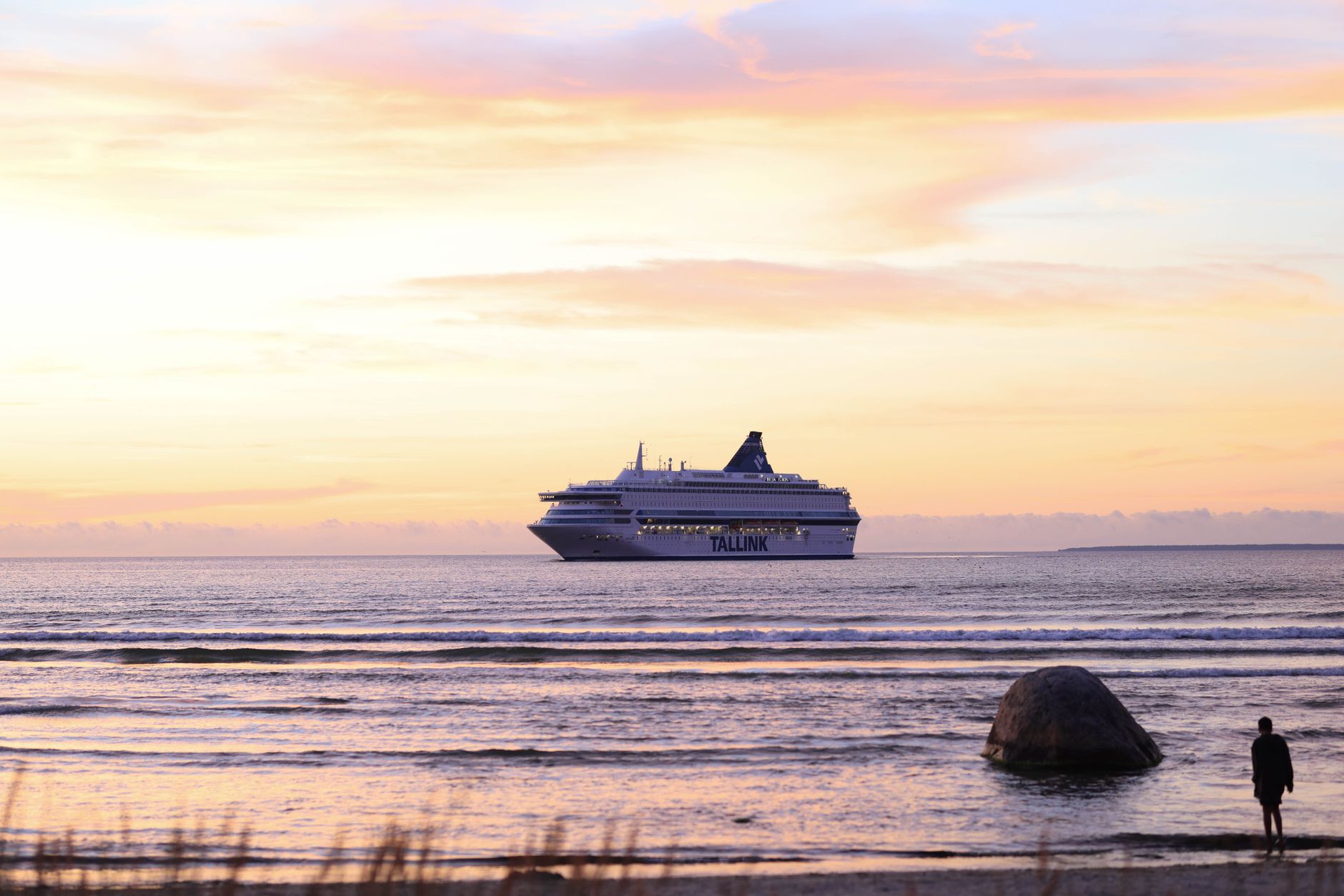
Can you go on a cruise pregnant? It's generally safe with conditions, especially in the second trimester. Learn essential rules, health considerations, and what to avoid for a smooth trip.
By Shubhra Mishra — a mom of two who turned her own confusion during pregnancy into BumpBites, a global mission to make food choices clear, safe, and stress-free for every expecting mother. 💛
Check whether any food is safe during pregnancy with the BumpBites Food Safety Checker.
Download the Complete Pregnancy Food Guide (10,000 Foods) 📘
Instant PDF download • No spam • Trusted by thousands of moms
💡 Your email is 100% safe — no spam ever.
Quick verdict: ⚠️ Talk to your doctor first. In most cases, cruising can be safe during pregnancy, but you’ll need medical clearance, a sensible itinerary, and an awareness of trimester‑specific risks.
It’s 2 a.m., the bathroom light flickers on, and you’re scrolling through a sea of travel forums wondering, “can you go on a cruise pregnant?” The answer isn’t a simple yes or no, because every pregnancy is different, and cruise ships vary in medical resources, itinerary length, and motion. In this article we’ll break down the overall safety of cruising while pregnant, dive into trimester‑by‑trimester recommendations, explain cruise‑line policies, and give you concrete numbers on how many days at sea are reasonable. We’ll also compare cruise travel to other popular vacation styles so you can choose the option that feels safest for you and your baby.
First, take a deep breath. If you’ve already booked a cabin, you’re not alone—many expectant travelers face the same question after discovering they’re pregnant mid‑booking. We’ll walk you through what the American College of Obstetricians and Gynecologists (ACOG) and the UK’s National Health Service (NHS) say about cruising, highlight the most common health concerns (motion sickness, infection, limited on‑board medical care), and point you toward safer alternatives if you’d rather stay on solid ground.
Beyond the medical facts, we’ll also share practical tips for packing, staying comfortable, and handling unexpected hiccups on the high seas. By the end of this guide you’ll know exactly what to ask your provider, how to choose a cruise line that matches your health needs, and which alternatives might give you a similar vacation vibe with even less risk.
Trimester / Phase
Verdict
Notes
First trimester (0‑13 weeks)
⚠️ Talk to your doctor
Higher risk of miscarriage; consider limited motion and access to prenatal care.
Second trimester (14‑27 weeks)
✅ Generally safe
Best window for travel; ensure medical clearance and avoid long voyages (>14 days).
Third trimester (28‑40 weeks)
⚠️ Talk to your doctor
Increased risk of preterm labor; many lines restrict travel after 28 weeks.
Breastfeeding (post‑delivery)
✅ Generally safe
Check ship’s infant‑care policies; maintain hydration and safe food handling.
What is a cruise vacation?
A cruise vacation is a multi‑day journey on a passenger ship that sails to several ports of call, often with on‑board accommodations, dining, entertainment, and shore excursions. Modern cruise ships resemble floating resorts, offering everything from fine dining and spas to fitness centers and medical clinics. The ship’s motion—caused by waves, wind, and engine vibrations—creates a unique travel experience that many find relaxing, but it can also trigger motion sickness and affect circulation. For pregnant travelers, the key variables are the length of the voyage, the ship’s medical capabilities, and the itinerary’s proximity to reputable shore‑based hospitals.
Because cruise lines must meet international maritime safety regulations, they are equipped with basic medical facilities staffed by at least one licensed medical professional. However, these clinics are designed for routine ailments and minor injuries; they cannot provide advanced obstetric care, imaging, or emergency cesarean delivery. Therefore, the decision to embark hinges on how far you are from a mainland hospital, the expected duration of the trip, and whether you have any pregnancy complications that could require immediate attention.
Most large vessels also carry a pharmacy stocked with common over‑the‑counter medicines, which can be a convenience for treating minor nausea or headaches. Yet the limited inventory means you should bring any prescription or specialty prenatal meds with you, as well as a copy of your prenatal records in case the ship’s staff needs to share information with a shore‑based provider.
Is going on a cruise safe during pregnancy?
Current guidance from ACOG states that “travel is generally permissible for healthy pregnant women, provided that the destination has adequate medical facilities and the traveler has obtained appropriate medical clearance.”1 The NHS echoes this, recommending that pregnant people discuss any cruise plans with their midwife, especially if they are in the first or third trimester or have a high‑risk pregnancy.2 The CDC adds that cruise ships can pose a higher exposure risk to gastrointestinal infections such as norovirus, which may be more severe in pregnancy.3
Overall, cruising is not a teratogen (a substance that causes birth defects) and does not inherently increase the risk of fetal anomalies. The primary concerns are indirect: motion‑induced nausea, dehydration, limited access to obstetric specialists, and the possibility of a sudden medical emergency far from a tertiary care center. For uncomplicated pregnancies, a well‑planned cruise—especially during the second trimester—can be a pleasant way to relax.
Misconceptions abound. Some expectant mothers assume that all cruise lines ban pregnant travelers; in reality, policies vary, and many allow travel up to 28 weeks gestation with a physician’s note. Others worry that the ship’s motion will cause preterm labor; while severe motion sickness can increase stress hormones, there is no solid evidence linking cruise motion to early labor in otherwise healthy pregnancies.
When weighing the decision, consider the destination’s healthcare infrastructure. A cruise that spends most of its time in highly developed ports (e.g., the Mediterranean, Caribbean islands with modern hospitals) will feel safer than one that visits remote locations with limited medical services. Additionally, the presence of a qualified ship‑board doctor who can stabilize you while arranging a shore evacuation is an essential safety net.
Is it safe to go on a cruise during the first trimester of pregnancy?
The first trimester is the period of organogenesis, when the fetus’s major organs are forming. Because the risk of miscarriage is highest during these early weeks, ACOG advises that pregnant travelers in the first trimester discuss cruise plans with their provider, especially if the itinerary includes long sea days or remote ports.1 If you have a stable pregnancy and no history of recurrent miscarriage, a short cruise (3‑5 days) with easy access to a port with a hospital is usually permissible. However, many obstetricians recommend postponing travel until after the 12‑week mark to avoid unnecessary stress.
Common concerns include motion sickness, which can exacerbate morning sickness. Over‑the‑counter remedies such as dimenhydrinate (Dramamine) are considered safe in pregnancy when used at standard adult doses, but you should confirm with your provider before taking any medication on board.4
First‑trimester travelers should also be mindful of dietary changes. Cruise buffets often feature rich, salty, or heavily spiced foods that can trigger nausea. Opt for bland, protein‑rich options and stay well‑hydrated. If you’re prone to severe nausea, consider bringing a small supply of ginger chews or prenatal vitamin gummies that can double as a soothing snack.
Can I travel on a cruise ship in my second trimester without restrictions?
The second trimester is widely regarded as the “golden window” for travel. Energy levels are higher, nausea often subsides, and the uterus is still low enough to avoid discomfort on a moving deck. ACOG notes that, for uncomplicated pregnancies, travel is generally safe after 14 weeks, provided you have a medical clearance letter and the cruise itinerary includes ports with reputable medical facilities.1 The CDC’s travel guidelines also list the second trimester as the optimal time for international travel, including cruise vacations.
During this stage, you can comfortably enjoy longer itineraries—up to 10‑14 days—so long as you stay hydrated, limit alcohol consumption, and avoid excessive sun exposure. If you are prone to motion sickness, choose a cabin in the middle of the ship on a lower deck, where movement is least noticeable.
Second‑trimester travelers should also consider the impact of onboard activities. Many ships offer high‑intensity fitness classes, water slides, and dance venues. While most of these are safe, it’s wise to avoid anything that involves sudden jolts or heavy lifting. Gentle yoga, stretching, and low‑impact water aerobics are excellent ways to stay active without risking injury.
What are the risks of taking a cruise in the third trimester?
In the third trimester, the risk of preterm labor and uterine irritability rises, making extended travel less advisable. Many cruise lines set a cut‑off at 28 weeks gestation, and some require a physician’s note confirming that the passenger is cleared for travel.5 Even if your provider gives clearance, you should consider a shorter cruise (no more than 7 days) and stay close to a major port with a Level II or Level III obstetric facility.
Additional concerns include deep‑vein thrombosis (DVT) due to prolonged periods of sitting, especially on larger vessels where walking distances are longer. To mitigate DVT risk, take regular walks, wear compression stockings, and stay hydrated. If you develop any signs of preterm labor (regular contractions, pelvic pressure, vaginal bleeding), you should seek immediate medical attention on shore.
Third‑trimester travelers should also be aware of the limited space for emergency medical equipment. While ship infirmaries can monitor vitals and administer IV fluids, they cannot perform emergency C‑sections. Therefore, a contingency plan that includes the nearest hospital’s contact information and a clear evacuation route is essential.
Do cruise lines have specific policies for pregnant passengers?
Most major cruise operators—such as Carnival, Royal Caribbean, and Norwegian—require a medical clearance letter after 24 weeks gestation and may restrict travel after 28 weeks. The letter typically must state the expected due date, confirm an uncomplicated pregnancy, and note any conditions that would warrant early medical evacuation.5 Some lines also ask passengers to disclose pregnancy at the time of booking, while others allow private disclosure at check‑in. It’s advisable to read the specific line’s policy before purchasing tickets.
In addition to medical clearance, cruise lines often ask pregnant guests to sign a waiver acknowledging that the ship’s medical facilities are limited. This waiver is not a legal barrier but a reminder that prompt evacuation to a shore‑based hospital may be necessary in an emergency.
Policies can differ dramatically between ocean‑going and river cruise operators. River cruises, which tend to have smaller vessels and more frequent docking, often have more relaxed gestational limits and may allow travel up to 32 weeks. Always verify the most current policy directly with the line, as requirements can change year to year.
How many days at sea is safe for a pregnant traveler?
Pregnancy stage
Maximum continuous days at sea
Notes
First trimester (0‑13 weeks)
3‑5 days
Prefer ports with hospitals; avoid long‑haul itineraries.
Second trimester (14‑27 weeks)
7‑14 days
Stay near major ports; keep cabin on lower, mid‑ship decks.
Third trimester (28‑40 weeks)
≤ 7 days
Only if cleared by provider; prioritize quick disembarkation.
The above numbers are practical guidelines rather than hard limits. Always align your itinerary with your provider’s advice and the cruise line’s policy. Shorter sea legs reduce the chance of an unexpected medical event occurring far from shore.
For travelers who love longer voyages, consider breaking a 21‑day itinerary into two shorter segments with a land‑based rest day in between. This approach gives you a chance to reset, see a terrestrial doctor if needed, and reduce the continuous exposure time on the water.
Choosing a calm sea itinerary can help reduce motion‑related discomfort.
Safe dosage / amount / brands
Unlike medication, cruising doesn’t have a “dosage,” but you can think of “exposure” in terms of days at sea, cabin location, and activity level. Here are the primary variables to manage:
Duration: Follow the table above; keep sea days within recommended limits for your trimester.
Cabin selection: Choose a mid‑ship, lower‑deck cabin to minimize motion. Upper‑deck or forward cabins experience more sway.
Medical clearance: Obtain a physician’s letter stating your due date and confirming an uncomplicated pregnancy. Most lines require this after 24 weeks.
Hydration & nutrition: Drink at least 2‑3 L of water daily; avoid excessive salty or processed foods that could increase swelling.
Activity pacing: Limit strenuous activities (e.g., high‑impact aerobics) and opt for gentle walks, prenatal yoga, or swimming in the ship’s pool.
When it comes to brands, the “brand” you’re choosing is the cruise line. Among the most pregnancy‑friendly operators, Royal Caribbean, Disney Cruise Line, and Holland America have clear medical policies and well‑stocked infirmaries. If you prefer a smaller vessel, consider a river cruise line such as Viking River Cruises, which offers smoother motion and more frequent port calls.
Remember that the ship’s pharmacy may not carry your specific prenatal vitamin brand, so bring a sufficient supply of any supplements you rely on, along with a copy of the label in case customs or ship staff request verification.
Side effects and risks
While most pregnant travelers experience no serious issues, a few risks deserve attention:
Motion sickness: Can worsen nausea already common in early pregnancy. Over‑the‑counter antihistamines (e.g., dimenhydrinate) are generally safe, but always confirm with your provider.
Dehydration: The ship’s air can be dry, and salty buffet foods increase fluid loss. Dehydration can trigger uterine contractions, so sip water regularly.
Infection: Cruise ships have higher rates of gastrointestinal viruses (norovirus). Hand hygiene and avoiding raw or undercooked seafood are key preventive steps.
Limited obstetric care: On‑board clinics can handle minor ailments but cannot perform ultrasounds, blood work, or emergency deliveries. Plan for a shore‑based hospital within a few hours’ travel.
Deep‑vein thrombosis (DVT): Prolonged sitting and reduced circulation increase clot risk. Walk the decks daily, stretch your legs, and consider compression stockings.
Preterm labor: Rare but possible; any signs of regular contractions, pelvic pressure, or bleeding should prompt immediate medical evaluation.
Most of these issues are manageable with preparation and awareness. If you experience severe vomiting, fever, or any sign of infection, seek medical care on the nearest port.
Another subtle risk is the impact of high‑altitude shore excursions (e.g., mountain tours). While brief, these can affect oxygenation in late pregnancy, so limit altitude exposure and stay well‑hydrated.
Having a clear itinerary and medical plan helps keep you and your baby safe.
What alternatives to a cruise are safer for pregnant women?
All‑inclusive beach resort vacation – Minimal motion, easy access to on‑site medical staff.
Guided land‑based tour – Structured schedule with frequent stops at reputable hospitals.
River cruise with limited motion – Smaller vessels experience far less sway than ocean liners.
Staycation at a local hotel – No travel, full control over diet and activity.
Luxury yacht charter with a private crew – Tailored itinerary, direct control over medical supplies.
Family‑friendly theme park trip – Predictable environment, on‑site first‑aid stations.
Mountain cabin retreat – Fresh air, low altitude, and a calm setting.
If the idea of a cruise still calls to you, consider a short, regional cruise that stays within a single country’s waters, where language barriers are minimal and medical standards are consistent. This can give you the “vacation on a ship” feeling while keeping you close to familiar healthcare systems.
Vaccinations for pregnant cruise travelers
Vaccinations are a cornerstone of safe travel, and pregnancy adds a few extra considerations. Inactivated vaccines—such as the seasonal flu shot, Tdap (tetanus, diphtheria, pertussis), and COVID‑19 boosters—are all recommended for pregnant people because they protect both mother and baby.6 Live vaccines (e.g., yellow fever) are generally avoided unless travel to an endemic area is unavoidable and the benefits outweigh the risks.
Before you set sail, check the cruise line’s itinerary for any destinations that require specific vaccines. If a required vaccine is live, discuss alternatives with your OB‑GYN; sometimes a different itinerary or a delayed travel date is the safer choice. Keep a copy of your vaccination records in a waterproof pouch, and consider a travel health kit that includes a digital thermometer and a basic first‑aid guide.
Managing seasickness safely during pregnancy
Motion sickness is common on the high seas, and pregnant travelers may experience it more intensely due to hormonal changes. Non‑pharmacologic strategies—such as focusing on the horizon, staying in well‑ventilated areas, and consuming ginger (tea, capsules, or chews)—can provide relief without medication.
If you need medication, antihistamines like dimenhydrinate or meclizine are classified as Category B by the FDA and are considered safe for short‑term use in pregnancy when taken at the recommended adult dose.4 Always keep the medication in your carry‑on bag, and limit use to the first few days of the cruise when motion is most pronounced. Discuss any chronic nausea issues with your provider before departure.
What to pack for a safe cruise while pregnant
Packing wisely can prevent many of the common discomforts. Essentials include:
Prescription prenatal vitamins and any other medications, plus a copy of the prescription.
Compression stockings and a pair of comfortable, supportive shoes for walking the decks.
A small cooler bag with water, electrolyte tablets, and low‑sugar snacks to stay hydrated.
Hand sanitizer and disinfectant wipes for frequent surface cleaning.
Sun protection—broad‑spectrum SPF 30+ sunscreen, a wide‑brimmed hat, and UV‑protective clothing.
A printed copy of your medical clearance letter and a list of emergency contacts.
Don’t forget a portable prenatal record (or a digital copy on your phone) that lists your due date, blood type, and any allergies. This information can be crucial if you need to be transferred to a shore hospital.
Related items — safety at a glance
Travel activity
Verdict
One‑line note
Air travel while pregnant
✅ Generally safe
Most airlines allow travel up to 36 weeks; stay hydrated.
Road trips during pregnancy
✅ Generally safe
Take frequent breaks; wear seatbelt correctly.
Scuba diving while pregnant
❌ Best avoided
Risk of fetal gas embolism and decompression sickness.
Hot tub use in pregnancy
⚠️ Safe with limits
Keep water below 100 °F; limit sessions to 10 minutes.
Skiing while pregnant
⚠️ Safe with limits
Avoid high‑speed runs; use a properly fitted helmet.
Theme park visits while pregnant
✅ Generally safe
Stay hydrated; skip rides with high acceleration.
Pregnancy and long‑distance bus travel
✅ Generally safe
Move legs every hour to reduce DVT risk.
Vaccinations for pregnant travelers
✅ Generally safe
Inactivated vaccines (e.g., flu, Tdap) are recommended.
These quick comparisons can help you decide which type of travel best fits your health profile and comfort level.
Myth vs. fact
Myth: All cruise lines forbid pregnant passengers.
Fact: Most major cruise operators allow travel up to 24‑28 weeks with a physician’s note; policies vary, so always check the specific line.
Myth: Motion on a ship will cause preterm labor.
Fact: There is no solid evidence linking normal cruise motion to early labor; severe motion sickness can increase stress, which is why managing nausea is important.
Myth: You cannot get any medical care on a cruise ship.
Fact: All large cruise ships have an infirmary staffed by a licensed medical professional, though they cannot perform advanced obstetric procedures.
Myth: You have to stop all physical activity once you’re pregnant.
Fact: Light to moderate exercise, such as walking the decks or prenatal yoga, is encouraged and can improve circulation and mood during a cruise.
Key takeaways
Discuss cruise plans with your obstetrician early; obtain a written medical clearance if you’re past 24 weeks.
The second trimester is the safest window for cruise travel; aim for voyages no longer than 10‑14 days.
Choose a mid‑ship, lower‑deck cabin to reduce motion; stay hydrated and practice good hand hygiene.
Know the ship’s medical capabilities and the nearest shore‑based hospital; keep emergency contact numbers handy.
If you experience severe nausea, fever, abdominal pain, or any signs of preterm labor, seek medical care immediately.
Consider alternatives—such as a beach resort or river cruise—if you prefer minimal motion or have a high‑risk pregnancy.
Frequently asked questions
Can I go on a cruise if I'm pregnant?
Yes, you can go on a cruise if you’re pregnant, but you should first obtain medical clearance and be aware of trimester‑specific limits. Most cruise lines allow travel up to about 24‑28 weeks, provided you have a doctor’s note confirming an uncomplicated pregnancy.
Are there any trimester restrictions for cruise travel?
Trimester restrictions do exist: the first trimester warrants caution due to miscarriage risk; the second trimester is generally safe for trips up to 14 days; the third trimester often requires a shorter itinerary (≤ 7 days) and may be restricted by the cruise line after 28 weeks.
What medical documents do cruise lines require from pregnant passengers?
Cruise lines typically require a physician’s letter stating your expected due date, confirming an uncomplicated pregnancy, and noting any conditions that could necessitate early evacuation. Some lines also ask for recent prenatal test results if you’re beyond 24 weeks.
Is motion sickness more severe for pregnant women on a cruise?
Pregnant women can be more prone to motion sickness, especially in the first trimester when nausea is common. However, choosing a cabin in the middle of the ship on a lower deck, using safe anti‑nausea medications, and staying hydrated can mitigate symptoms.
Can I get emergency medical care on a cruise ship while pregnant?
Cruise ships have an infirmary staffed by a licensed medical professional who can handle minor ailments and stabilize emergencies. For serious obstetric issues, the ship will arrange evacuation to the nearest shore‑based hospital with appropriate facilities.
Do cruise ships have maternity wards?
No, cruise ships do not have dedicated maternity wards. Their medical facilities are equipped for basic care and stabilization but cannot perform deliveries or advanced obstetric procedures.
Should I buy travel insurance for a cruise while pregnant?
Yes, purchasing travel insurance that covers pregnancy‑related medical evacuation is strongly recommended. Look for policies that include coverage for premature birth, emergency transport, and trip cancellation due to obstetric complications.
What if I go into labor while on a cruise?
If labor starts on board, the ship’s medical team will assess the situation, provide initial care, and coordinate an emergency evacuation to the nearest hospital equipped for obstetric emergencies. Having your doctor’s contact info and a clear evacuation plan in advance can expedite this process.
Are there dietary restrictions I should follow on a cruise buffet?
Pregnant travelers should avoid raw or undercooked seafood, unpasteurized cheeses, and deli meats that haven’t been heated to safe temperatures. Opt for well‑cooked proteins, fresh fruits, and plenty of water to stay hydrated.
When to call your doctor
If you experience any of the following while on a cruise, contact your obstetrician or seek immediate medical attention on shore:
Regular uterine contractions (more than one every 10 minutes) or tightening that does not subside.
Vaginal bleeding, spotting, or fluid leakage.
Severe abdominal pain, cramping, or sudden swelling of the hands, face, or legs.
Persistent high fever (above 100.4 °F / 38 °C) or signs of infection.
Shortness of breath, chest pain, or sudden dizziness.
Signs of deep‑vein thrombosis: calf pain, swelling, or redness.
These symptoms warrant prompt evaluation, as they could indicate complications that require urgent care. Always keep your provider’s contact information and the ship’s medical office number handy.
This article provides general information and does not replace personalized medical advice. Consult your healthcare provider before making travel decisions.
References
American College of Obstetricians and Gynecologists. “Travel During Pregnancy.” ACOG Committee Opinion No. 804, 2020.
National Health Service (NHS). “Travel advice for pregnant women.” Updated 2022.
Centers for Disease Control and Prevention (CDC). “Travelers’ Health – Cruise Ship Guidance.” 2023.
U.S. Food and Drug Administration (FDA). “Pregnancy and Medication Safety.” 2021.
Royal Caribbean International. “Pregnancy Policy.” Accessed July 2026.
World Health Organization (WHO). “Guidelines on health‑related travel for pregnant women.” 2022.
National Institute for Health and Care Excellence (NICE). “Pregnancy and travel health.” 2023.
Editor's pick for this topic
Not sure about the label on Can You Go On A Cruise While Pregnant Rules Trimester Guide products?
Snap the ingredients list (or paste it, or scan the barcode) and SafeFilter checks every ingredient against your stage of pregnancy — flagging what to avoid, what needs care, and what's fine.
When Shubhra Mishra was expecting her first child in 2016, she was overwhelmed by conflicting food advice — one site said yes, another said never. By the time her second baby arrived in 2019, she realized millions of mothers face the same confusion.
That sparked a five-year journey through clinical nutrition papers, cultural diets, and expert conversations — all leading to BumpBites: a calm, compassionate space where science meets everyday motherhood.
Her long-term vision is to build a global community ensuring safe, supported, and free deliveriesfor every mother — because no woman should face pregnancy alone or uninformed. 🌿
🌍 Stand with mothers, shape safer guidance
Join a small circle of experts who review BumpBites articles so expecting parents everywhere can decide with confidence.