Safe: Non‑invasive prenatal DNA testing is available after week 9, while invasive methods like amniocentesis should be avoided unless medically necessary.
By Shubhra Mishra — a mom of two who turned her own confusion during pregnancy into BumpBites, a global mission to make food choices clear, safe, and stress-free for every expecting mother. 💛
Check whether any food is safe during pregnancy with the BumpBites Food Safety Checker.
Download the Complete Pregnancy Food Guide (10,000 Foods) 📘
Instant PDF download • No spam • Trusted by thousands of moms
💡 Your email is 100% safe — no spam ever.
Quick verdict: ⚠️ Talk to your doctor first. DNA testing can be performed during pregnancy, but the safest approaches depend on the type of test and the trimester, and some methods carry a small risk of miscarriage.
It’s completely normal to feel a flutter of anxiety the moment you wonder, can you get a DNA test when you're pregnant. Whether you’re trying to confirm paternity, learn about genetic conditions, or simply satisfy curiosity, the answer isn’t a simple “yes” or “no.” The safety of DNA testing during pregnancy hinges on the method you choose, the stage of gestation, and the reason for testing. In this guide we’ll break down the science, outline the risks, compare costs, and suggest safer alternatives so you can make an informed decision without the sleepless nights.
We’ll walk through the most common questions you might type into a search engine at 2 a.m.: Is it safe in the first trimester? How much does a test cost while pregnant? Which kits are reputable? And what options exist if you want to avoid invasive testing altogether? By the end, you’ll have a clear picture of what’s possible, what’s recommended, and when you should call your provider.
Trimester / Stage
Verdict
Notes
First trimester (0‑13 weeks)
⚠️ Caution
Non‑invasive tests (cell‑free DNA) are low‑risk; invasive tests (CVS) carry a 0.5‑1 % miscarriage risk.
Second trimester (14‑27 weeks)
⚠️ Caution
Amniocentesis (15‑20 weeks) is an option but still carries a 0.1‑0.3 % miscarriage risk; NIPT remains safe.
Third trimester (28‑40 weeks)
✅ Generally safe
Only non‑invasive testing is recommended; invasive procedures are rarely performed this late.
Breastfeeding
✅ Generally safe
Non‑invasive tests do not affect breastmilk; invasive tests are not indicated postpartum.
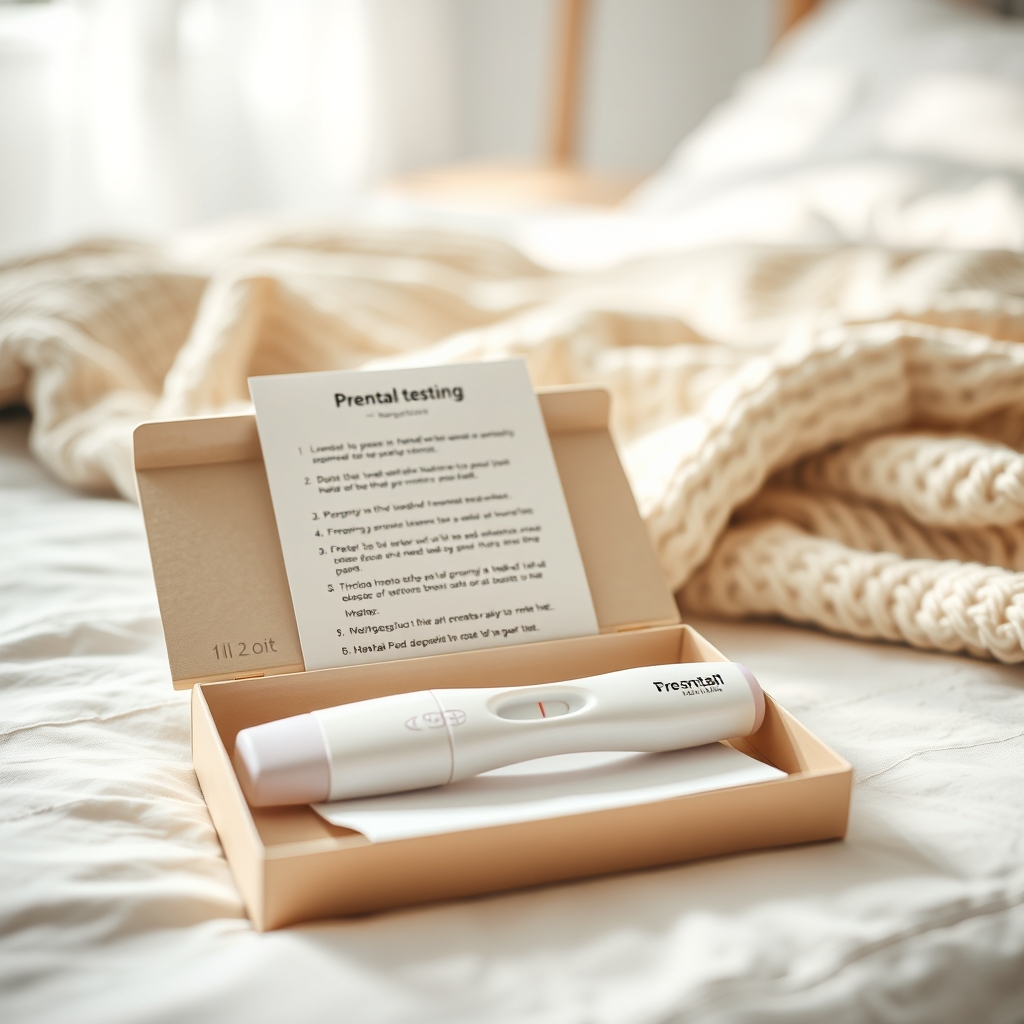
Non‑invasive prenatal testing kits are designed for home use and require only a small blood draw.
Can you get a DNA test when you're pregnant?
Yes, you can, but the answer depends on the type of DNA test you need. The American College of Obstetricians and Gynecologists (ACOG) states that non‑invasive prenatal testing (NIPT) is a safe option for most pregnant people after 10 weeks gestation because it only requires a standard blood draw. The UK’s NHS similarly recommends cfDNA screening for chromosomal abnormalities as a first‑line test when there is a known risk.
In contrast, invasive tests such as chorionic villus sampling (CVS) or amniocentesis are typically reserved for situations where a more detailed genetic diagnosis is required—such as confirming a suspected chromosomal disorder. The FDA categorizes these procedures as “diagnostic” rather than “screening,” and they carry a small but measurable risk of miscarriage, which the CDC notes in its prenatal care guidelines.
Because the risk profile changes with gestational age, the safest method for most expecting parents is a non‑invasive test. If you need definitive results for a medical condition, your provider will discuss the risk‑benefit balance and may recommend an invasive test after thorough counseling.
It’s also worth noting that many labs now offer combined screening—pairing cfDNA with standard serum markers—to improve detection rates while still avoiding invasive procedures. This hybrid approach can be especially helpful if you have a family history of genetic disease but wish to keep risk to a minimum. Beyond medical reasons, some individuals also seek DNA testing for curiosity about fetal sex or to establish paternity, which can often be safely done with non-invasive methods after careful consideration of the implications.
Is it safe to take a DNA test during first trimester?
The first trimester is the period of organogenesis, when the baby’s major organs form. This is also the window when invasive procedures pose the highest risk of causing a miscarriage. According to ACOG, non‑invasive cfDNA testing can be safely performed after 10 weeks, which falls in the latter part of the first trimester, and it does not increase miscarriage risk.
However, if a clinician suggests chorionic villus sampling (usually performed between 10‑13 weeks), the miscarriage risk is estimated at about 0.5‑1 % according to the NHS. This is considered low but not negligible, so the decision should be guided by the severity of the suspected condition and the patient’s values.
In summary, a non‑invasive DNA test is generally safe in the first trimester, while invasive testing should only be pursued after thorough counseling and when the potential benefit outweighs the small risk.
For many families, the first trimester is also a time of heightened emotional sensitivity. If you’re feeling pressured to make a fast decision, remember that you can often wait a few weeks for a more definitive result from a non‑invasive screen, giving you both time and peace of mind.
DNA testing during second trimester of pregnancy
During the second trimester, many parents opt for amniocentesis if detailed genetic information is required. Amniocentesis is typically performed between 15‑20 weeks and carries a miscarriage risk of about 0.1‑0.3 % (CDC). Non‑invasive NIPT remains an option throughout the second trimester and continues to have virtually no risk to the pregnancy.
Some labs also offer expanded cfDNA panels that can detect a wider range of genetic conditions beyond the common trisomies. These tests are still considered screening tools, and a positive result usually leads to a confirmatory invasive test.
Because the second trimester provides a larger window for sampling amniotic fluid, many clinicians feel more comfortable recommending amniocentesis for high‑risk cases, but they still emphasize that the decision rests on a careful discussion of risks, benefits, and personal preferences.
If you’re considering an invasive test in the second trimester, ask your provider about the option of “ultrasound‑guided” amniocentesis, which can further reduce the already low risk of complications. Additionally, many centers now offer rapid‑turnaround genetic sequencing, allowing results within a week rather than several weeks.
How much does a DNA test cost while pregnant?
The cost of DNA testing during pregnancy varies widely based on the technology, the depth of analysis, and whether insurance covers it. A basic NIPT panel (screening for trisomy 21, 18, and 13) typically ranges from $800 to $1,500 in the United States. Expanded panels that include microdeletions or single‑gene disorders can cost $2,000‑$3,500.
In the United Kingdom, the NHS offers cfDNA screening free of charge for women with identified risk factors, but private options can cost £600‑£1,200. Invasive tests such as CVS or amniocentesis have procedural fees ranging from $1,200 to $2,500, plus laboratory analysis that can add another $500‑$1,000.
Insurance coverage is increasingly common for high‑risk pregnancies, especially when a test is ordered by a physician. Always verify with your insurer and ask your provider whether the test is medically necessary, as this can affect out‑of‑pocket costs. Some laboratories also offer payment plans or financial assistance programs, so don't hesitate to inquire about these options if cost is a barrier to necessary testing.
Alternatives to DNA testing while pregnant
When considering DNA testing during pregnancy, it's helpful to understand the full spectrum of available options, including those that might offer different insights or carry varying levels of risk. Your healthcare provider can help you navigate these choices based on your individual needs and concerns.
Non‑Invasive Prenatal Testing (NIPT) – Uses maternal blood to screen for chromosomal abnormalities with >99 % sensitivity for trisomy 21 and minimal risk.
Chorionic Villus Sampling (CVS) – Invasive but provides a definitive diagnosis earlier (10‑13 weeks) for a wide range of genetic conditions; recommended only after counseling.
Amniocentesis – Performed at 15‑20 weeks, offers comprehensive genetic information with a lower miscarriage risk than CVS.
Ultrasound anomaly scanning – Detects structural issues and can hint at genetic syndromes without any DNA analysis.
Pre‑conception carrier screening – If you haven’t yet become pregnant, testing both partners before conception can avoid the need for invasive prenatal testing later.
Maternal serum screening – Traditional blood tests that assess risk for certain conditions; less sensitive than NIPT but widely available and inexpensive.
Best DNA testing kits for pregnant women
When choosing a kit, look for those that are specifically marketed for prenatal use and have FDA clearance or CE marking. These certifications indicate that the test has met rigorous standards for accuracy and reliability in a clinical context. Some of the most reputable options include:
Natera Harmony Prenatal Test – FDA‑cleared, requires a single blood draw after 10 weeks, screens for 24 conditions.
Myriad Pre‑Natal Test – CE‑marked in Europe, provides detailed chromosome and microdeletion analysis.
Roche Panorama Plus – Offers both screening and diagnostic capabilities, widely used in clinical settings.
Direct‑to‑consumer kits that are not specifically designed for pregnancy, such as 23andMe or AncestryDNA, should be avoided for prenatal decision‑making because they do not meet the clinical sensitivity required for fetal DNA detection. Always prioritize kits that are physician-ordered and processed by CLIA-certified (Clinical Laboratory Improvement Amendments) laboratories, which ensures quality and accuracy in diagnostic testing.
Choosing a clinically validated prenatal kit helps ensure accurate results and peace of mind.
First trimester (0‑13 weeks)
Non‑invasive cfDNA testing can be performed after 10 weeks and is considered safe because it only requires a routine blood draw. The test looks for fragments of fetal DNA that cross the placenta into the mother’s bloodstream. Because there is no direct contact with the fetus, the miscarriage risk is essentially zero.
If a definitive diagnosis is needed, CVS may be offered between 10‑13 weeks. The procedure involves inserting a thin catheter through the cervix or a small needle through the abdomen to collect placental tissue. While the diagnostic yield is high, the miscarriage risk (0.5‑1 %) means it should be reserved for cases where the potential benefit outweighs the risk.
Women who are uncertain about the need for a genetic diagnosis often opt first for NIPT and reserve invasive testing for a positive screen. This staged approach lets you gather information while keeping the procedure‑related risk as low as possible.
Second trimester (14‑27 weeks)
Amniocentesis is the most common invasive test in the second trimester. It samples amniotic fluid, which contains fetal cells, and provides a comprehensive genetic profile. The miscarriage risk drops to about 0.1‑0.3 % (CDC), making it a reasonable option for high‑risk pregnancies.
NIPT remains a safe screening alternative throughout this period. Many labs expand their panels after 15 weeks, allowing detection of rarer conditions without increasing risk.
If you have already had a positive NIPT result, your provider may schedule amniocentesis to confirm the findings before making any clinical decisions. This two‑step strategy balances the desire for certainty with the principle of “do no harm.”
Third trimester (28‑40 weeks)
By the third trimester, invasive testing is rarely indicated because most structural anomalies have already been identified via ultrasound. Non‑invasive cfDNA testing can still be performed, but its incremental benefit diminishes as the pregnancy progresses.
Any decision to perform an invasive test at this stage would be for specific medical indications, such as assessing fetal lung maturity before early delivery. In such cases, the risks are weighed against the immediate need for information.
For parents who simply want to know the baby’s sex, many non‑invasive tests already provide accurate results after 10 weeks, eliminating the need for any later invasive procedure.
Breastfeeding
Non‑invasive DNA tests have no impact on breast milk because they involve a simple blood draw. Invasive procedures are not recommended during the postpartum period unless there is a compelling medical reason, and they are unrelated to breastfeeding safety.
If you are breastfeeding and need a diagnostic test for your newborn, the recommended approach is to use buccal swabs from the baby after birth. This avoids any risk to the infant while still providing definitive paternity or genetic information.
DNA testing for fetal sex determination
Determining the baby’s sex is a common reason people consider early DNA testing. Cell‑free fetal DNA analysis can reliably identify Y‑chromosome fragments after about 10 weeks, giving a >99 % accuracy rate. This is the same technology used in broader NIPT panels, so there’s no extra risk beyond the standard blood draw.
If you prefer to wait, an ultrasound at 18‑20 weeks can also reveal sex with high confidence. Choosing between the two methods often comes down to personal timing preferences rather than safety concerns.
Legal considerations for paternity testing during pregnancy
In many jurisdictions, paternity testing that involves fetal tissue (e.g., CVS or amniocentesis for DNA) requires a court order or the consent of all parties involved. Non‑invasive buccal‑swab tests performed after birth are generally less legally restrictive.
Before pursuing any prenatal paternity test, check local laws and discuss the process with your healthcare provider and, if needed, a legal professional. This helps ensure the test’s results will be admissible if you ever need them for custody or support matters.
What to expect after an invasive test
After CVS or amniocentesis, most patients spend a short period under observation for signs of bleeding or cramping. You’ll be advised to avoid strenuous activity for 24‑48 hours and to monitor for any unusual symptoms.
Typical post‑procedure instructions include staying hydrated, using a supportive belly band if recommended, and contacting your provider if you notice heavy bleeding, fever, or persistent pain. Most complications, when they occur, present within the first 24 hours, so prompt communication is key.
Genetic counseling: Why it's crucial for prenatal DNA testing
Genetic counseling plays a vital role in prenatal DNA testing, offering personalized guidance before, during, and after the testing process. A genetic counselor is a healthcare professional with specialized training in medical genetics and counseling. They can help you understand the purpose of different tests, interpret complex results, and evaluate the risks and benefits based on your family history and personal values. Their support is invaluable in making informed decisions, especially when facing difficult news or uncertain outcomes.
Understanding your DNA test results: What do they mean?
Interpreting DNA test results can be complex, especially with the nuances between screening and diagnostic tests. Screening tests, like NIPT, provide a risk assessment, indicating a higher or lower probability of certain conditions. A "positive screen" means there's an increased risk, but it does not confirm a diagnosis. Diagnostic tests, such as CVS or amniocentesis, analyze fetal cells directly and provide a definitive "yes" or "no" answer for the conditions they test for. Understanding these distinctions is crucial for managing expectations and planning next steps, as a positive screen often requires a diagnostic test for confirmation.
Safe dosage / amount / brands
DNA testing does not involve a “dosage” in the traditional sense, but there are practical considerations that affect safety and accuracy:
Aspect
Recommended practice
Notes
Sample volume
5‑10 mL of maternal blood
Standard venipuncture; no special preparation needed.
Timing
After 10 weeks gestation for cfDNA screening
Earlier draws may not contain enough fetal DNA for reliable results.
Brands (non‑invasive)
Natera Harmony, Myriad Pre‑Natal, Roche Panorama Plus
All have FDA clearance or CE marking for prenatal use.
Brands (invasive)
Procedures performed by certified obstetric clinics
Choose a center with board‑certified maternal‑fetal medicine specialists.
Sample handling
Ship within 24‑48 hours, keep refrigerated if required
Delays can degrade DNA quality and lead to inconclusive results.
If you opt for a home‑collection kit, follow the manufacturer’s instructions precisely and ship the sample within the recommended window (usually 24‑48 hours). Delays can degrade DNA quality and lead to inconclusive results. The reliability of any DNA test also heavily depends on the laboratory's accreditation and quality control. Always ensure the lab processing your sample is CLIA-certified or equivalent, as this ensures they meet federal standards for accuracy and proficiency.
For invasive procedures, ask your clinic about their infection‑prevention protocol—many administer a single dose of antibiotics prophylactically to further lower the already small infection risk.
Side effects and risks
Non‑invasive testing has virtually no physical side effects. The most common reaction is mild bruising or discomfort at the venipuncture site, which resolves quickly. False‑positive or false‑negative results can cause emotional distress, so it’s important to discuss any abnormal findings with a genetic counselor.
Invasive procedures carry the following risks, as outlined by ACOG and the CDC:
Miscarriage – 0.5‑1 % for CVS; 0.1‑0.3 % for amniocentesis.
Infection – Rare (<0.1 %) but possible; prophylactic antibiotics are sometimes given.
Bleeding or cramping – Usually mild and self‑limited.
Psychological impacts, such as anxiety after an unexpected result, are also a real concern. The waiting period for results can be incredibly stressful, and receiving difficult news can lead to significant emotional distress, including grief, depression, or anxiety. If you experience overwhelming worry, speak with your provider or a mental‑health professional. Many hospitals now offer integrated counseling services as part of the prenatal testing pathway, providing emotional support alongside medical guidance.
Finally, keep in mind that the emotional weight of a positive screen can linger for weeks. Having a support network and a clear plan for follow‑up testing can help you stay grounded while you await confirmatory results.
Safer alternatives
Non‑Invasive Prenatal Testing (NIPT) – Screens for common chromosomal abnormalities using a simple blood draw, with no miscarriage risk.
Chorionic Villus Sampling (CVS) – Provides a definitive diagnosis early (10‑13 weeks) but should be considered only after thorough counseling.
Amniocentesis – Offers comprehensive genetic information later in pregnancy with a lower miscarriage risk than CVS.
Ultrasound anomaly scan – Detects structural issues without any DNA analysis.
Pre‑conception carrier screening – Identifies parental carrier status before pregnancy, eliminating the need for invasive testing later.
Maternal serum screening – A traditional blood test that evaluates risk for certain conditions; less sensitive than NIPT but widely accessible.
Related items — safety at a glance
Item
Verdict
One‑line note
Paternity testing
⚠️ Caution
Invasive sampling (e.g., fetal tissue) carries miscarriage risk; non‑invasive buccal swabs are safe after birth.
Genetic testing
⚠️ Caution
Depends on method; non‑invasive screening is safe, invasive diagnostics have small risk.
Prenatal testing
✅ Generally safe
Includes NIPT and ultrasound, both low‑risk.
Baby gender testing
✅ Generally safe
Often done via cfDNA analysis; safe after 10 weeks.
Cell‑Free DNA testing
✅ Generally safe
Standard NIPT; no direct fetal contact.
Myth vs. fact
Myth: A home DNA kit can reliably determine the baby’s gender at any stage of pregnancy. Fact: Gender determination via cfDNA is accurate after about 10 weeks, and home kits not cleared for prenatal use may give unreliable results.
Myth: All DNA tests are safe because they only use a cheek swab. Fact: Invasive prenatal DNA testing (e.g., CVS) involves sampling fetal tissue, which does carry a small miscarriage risk.
Myth: If a DNA test is “free” through insurance, it must be safe. Fact: Coverage does not change the inherent risk profile; discuss the test’s purpose and safety with your provider.
Myth: A negative NIPT result guarantees a healthy baby. Fact: NIPT is a screening tool; a negative result reduces risk but does not eliminate the possibility of other conditions that may require ultrasound or diagnostic testing.
Myth: Prenatal DNA tests can detect all possible birth defects. Fact: While DNA tests can identify chromosomal abnormalities that often lead to birth defects, they do not detect structural defects (like heart conditions or spina bifida), which are usually found through detailed ultrasound scans.
Key takeaways
Non‑invasive prenatal DNA testing (NIPT) is safe after 10 weeks and carries no miscarriage risk.
Invasive tests (CVS, amniocentesis) provide definitive results but have a small risk of miscarriage; use only when medically indicated.
Cost varies from $800 to $3,500; insurance may cover high‑risk indications, and financial assistance options may be available.
Choose FDA‑cleared or CE‑marked kits specifically designed for pregnancy and processed by accredited laboratories.
If you’ve already taken a test, stay calm—most results are reliable, and any concerns can be addressed with a genetic counselor.
Always discuss your options with a qualified provider; they can tailor testing based on your personal and family medical history.
Genetic counseling is a crucial step for understanding test options, interpreting results, and making informed decisions.
Remember the distinction between screening tests (risk assessment) and diagnostic tests (definitive results) when reviewing your outcomes.
Frequently asked questions
Can I get a DNA test at 8 weeks pregnant?
Yes, you can obtain a non‑invasive cfDNA test at 8 weeks, but most labs require a minimum of 10 weeks to ensure enough fetal DNA is present for accurate results. Testing too early can lead to inconclusive results, requiring a repeat blood draw later.
How accurate are DNA tests during pregnancy?
For common trisomies (21, 18, 13), NIPT has >99 % sensitivity and specificity; invasive tests like CVS or amniocentesis provide near‑100 % diagnostic accuracy because they analyze fetal cells directly.
Can a DNA test detect birth defects?
Screening tests can identify chromosomal abnormalities that often lead to birth defects, but they do not detect most structural defects, which are best evaluated by detailed ultrasound.
What is the cost of a DNA test while pregnant?
Typical costs range from $800‑$1,500 for basic NIPT panels to $2,000‑$3,500 for expanded screens; invasive procedures add $1,200‑$2,500 for the procedure plus lab fees. Insurance coverage varies.
Can I do a DNA test at home while pregnant?
Yes, several home‑collection kits are FDA‑cleared for prenatal use (e.g., Natera Harmony); however, kits not specifically labeled for pregnancy should be avoided as they lack clinical validation for fetal DNA detection.
Is DNA testing safe during pregnancy?
Non‑invasive tests are considered safe throughout pregnancy, while invasive tests carry a small miscarriage risk and should only be done after counseling and when medically indicated.
What are the legal requirements for paternity testing during pregnancy?
In many regions, prenatal paternity testing that uses fetal tissue requires consent from both parents or a court order; post‑birth buccal‑swab tests are generally less restricted and are often preferred for legal purposes.
Can I combine DNA testing with other prenatal screenings?
Yes, many providers offer combined screening protocols—pairing NIPT with maternal serum markers and detailed ultrasound—to improve detection rates while keeping risk low and providing a comprehensive assessment of fetal health.
What is the difference between NIPT and diagnostic tests?
NIPT (Non-Invasive Prenatal Testing) is a screening test that estimates the risk of certain chromosomal conditions by analyzing cell-free fetal DNA in maternal blood. Diagnostic tests, such as CVS or amniocentesis, directly sample fetal cells or tissue to provide a definitive diagnosis of genetic conditions, often used to confirm a positive NIPT result.
Can a DNA test tell me about my baby's health risks beyond genetic conditions?
Prenatal DNA tests primarily focus on identifying chromosomal abnormalities and specific genetic disorders. They do not typically screen for all health risks, such as infections, environmental exposures, or structural birth defects that are better detected through other prenatal screenings like detailed ultrasounds.
When to call your doctor
If you experience any of the following after a DNA test, contact your obstetric provider promptly:
Persistent vaginal bleeding or spotting after an invasive procedure.
Severe abdominal pain or cramping that does not subside within a few hours.
Fever, chills, or signs of infection following CVS or amniocentesis.
Unexpectedly high anxiety, depression, or emotional distress that interferes with daily life.
Any confusing or contradictory test result that you cannot interpret.
These symptoms may indicate a complication or the need for further counseling. Remember, this article is for informational purposes only and does not replace personalized medical advice. Always discuss testing options and results with your healthcare provider.
References
American College of Obstetricians and Gynecologists. “Non‑Invasive Prenatal Testing (NIPT).” ACOG Practice Bulletin, 2023.
National Health Service (NHS). “Prenatal screening and diagnostic tests.” Updated 2022.
U.S. Food and Drug Administration (FDA). “Cell‑free DNA Prenatal Tests.” FDA Database, accessed July 2026.
Centers for Disease Control and Prevention (CDC). “Prenatal Care Guidelines.” 2023.
World Health Organization (WHO). “Recommendations on genetic screening in pregnancy.” 2022.
Mayo Clinic. “Amniocentesis: Risks and benefits.” Patient Education, 2024.
Royal College of Obstetricians and Gynaecologists (RCOG). “Guidelines on chorionic villus sampling.” 2023.
Editor's pick for this topic
Not sure about the label on Can You Do A Dna Paternity Test While Pregnant Options Explained products?
Snap the ingredients list (or paste it, or scan the barcode) and SafeFilter checks every ingredient against your stage of pregnancy — flagging what to avoid, what needs care, and what's fine.
When Shubhra Mishra was expecting her first child in 2016, she was overwhelmed by conflicting food advice — one site said yes, another said never. By the time her second baby arrived in 2019, she realized millions of mothers face the same confusion.
That sparked a five-year journey through clinical nutrition papers, cultural diets, and expert conversations — all leading to BumpBites: a calm, compassionate space where science meets everyday motherhood.
Her long-term vision is to build a global community ensuring safe, supported, and free deliveriesfor every mother — because no woman should face pregnancy alone or uninformed. 🌿
🌍 Stand with mothers, shape safer guidance
Join a small circle of experts who review BumpBites articles so expecting parents everywhere can decide with confidence.