Yes, you can get pregnant on your period, though the chance is low. Learn how cycle timing, sperm survival, and ovulation affect fertility in our guide.
By Shubhra Mishra — a mom of two who turned her own confusion during pregnancy into BumpBites, a global mission to make food choices clear, safe, and stress-free for every expecting mother. 💛
Check whether any food is safe during pregnancy with the BumpBites Food Safety Checker.
Download the Complete Pregnancy Food Guide (10,000 Foods) 📘
Instant PDF download • No spam • Trusted by thousands of moms
💡 Your email is 100% safe — no spam ever.
Quick take: Yes, you can become pregnant during your period, especially if you have a short or irregular cycle, because sperm can survive for up to five days and ovulation may occur soon after bleeding stops. The overall chance is low but not zero, so using contraception whenever you have sex is the safest approach.
It’s 2 a.m., you’re curled up in bed, and a sudden cramp makes you wonder whether that night‑time intimacy could lead to a pregnancy—while you’re still on your period. You’re not alone. Many people ask, “Can you get pregnant on your period?” The answer isn’t a simple yes or no; it depends on where you are in your menstrual rhythm, how long your cycle lasts, and what birth control you’re using.
In this guide we’ll untangle the science behind the menstrual cycle, explain how the fertile window can overlap with bleeding, and break down the odds of conception during menstruation. We’ll also cover how short or irregular cycles, birth‑control pills, and emergency contraception play into the equation, plus the early signs that might signal a pregnancy that started during your period.
By the end you’ll know exactly when you’re most at risk, what signs to watch for, and how to protect yourself if you’re not trying to conceive. Let’s dive in.
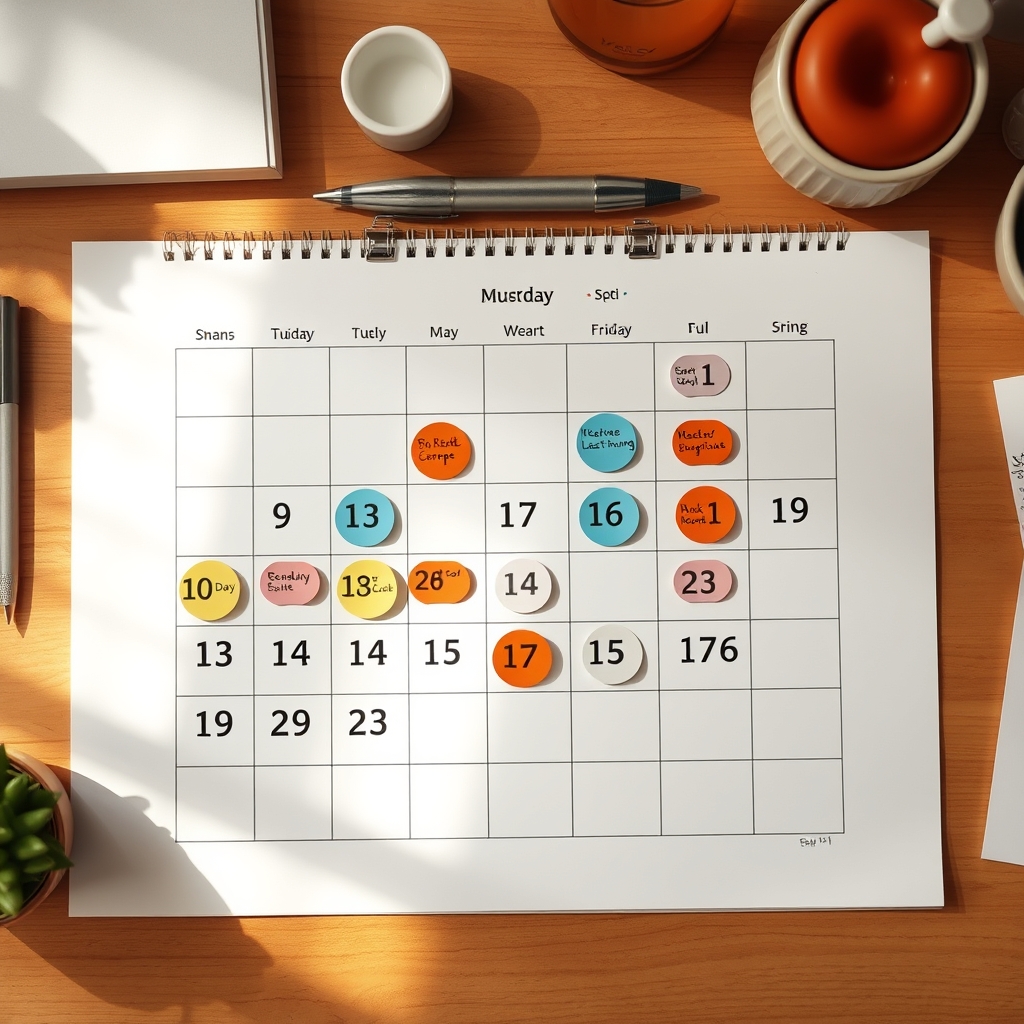
Tracking your cycle on a calendar helps you see where period days and fertile windows may overlap.
How the menstrual cycle works and why timing matters
The menstrual cycle is a series of hormonal changes that prepares the body for pregnancy. It starts on the first day of bleeding (day 1) and ends the day before the next period. A typical “textbook” cycle lasts about 28 days, but anywhere from 21 to 35 days is normal.
Key phases:
Menstrual phase (days 1‑5): The uterine lining sheds, causing bleeding.
Follicular phase (days 1‑13): The pituitary gland releases follicle‑stimulating hormone (FSH), prompting an egg to mature.
Ovulation (around day 14 in a 28‑day cycle): A surge of luteinizing hormone (LH) releases the mature egg.
Luteal phase (days 15‑28): The corpus luteum secretes progesterone, preparing the uterus for implantation.
Sperm can live inside the female reproductive tract for up to five days, while an egg remains viable for about 24 hours after ovulation. This overlap creates a “fertile window” that typically spans five days before ovulation and the day of ovulation itself.
Because the start of the cycle is counted from the first day of bleeding, a short cycle can push ovulation closer to the period. For example, women with a 21‑day cycle may ovulate as early as day 7, meaning the fertile window can begin while bleeding is still occurring. Understanding these timelines is crucial for answering the many “Can you get pregnant on your period?” questions that follow.
Another factor that influences timing is the quality of cervical mucus. Around ovulation, mucus becomes clear, stretchy, and “egg‑white” in texture, which helps sperm travel. During menstruation, mucus is usually thicker and more acidic, which can impede sperm, but it does not completely block them. This nuance explains why pregnancy during a period is possible but less common.
Beyond cycle length, individual variations in hormone levels can also influence the precise timing of ovulation. Factors such as stress, diet, and even travel can subtly shift when ovulation occurs, making it even harder to predict without consistent tracking. This variability is why relying solely on calendar methods during your period is not foolproof if you're trying to avoid pregnancy.
Can you get pregnant during your period if you have a short menstrual cycle?
If your cycle is on the shorter side—say 21 days or less—ovulation can happen just a few days after your period ends. In such cases, the fertile window may overlap with the tail end of menstrual bleeding.
Consider a 21‑day cycle:
Period lasts 4‑5 days (days 1‑5).
Ovulation may occur around day 7‑8.
The five‑day sperm survival window means intercourse on day 5 (the last day of bleeding) could still result in fertilization.
For a 24‑day cycle, ovulation typically lands on day 10‑11, so the risk is a bit lower but still present if you have sex on the last day of bleeding and sperm survive until ovulation.
Women with very short cycles (≤ 20 days) are the ones for whom period‑related pregnancy is most plausible. If you’re trying to avoid pregnancy, it’s safest to use contraception throughout the entire cycle, not just after your period stops.
What about day 1? Conception on the very first day of your cycle is rare but not impossible. Sperm would need to survive the full five‑day window until ovulation, which in a short cycle could be as early as day 7. The odds are low—studies from the CDC estimate less than 1 % chance for a 28‑day cycle—but they rise as cycle length shortens.
It’s also worth noting that hormonal fluctuations during a short cycle can affect cervical mucus quality earlier than usual, potentially making the environment a little more sperm‑friendly even while you’re still bleeding.
Does ovulation ever occur while you are bleeding?
Bleeding that isn’t a typical period can sometimes be mistaken for “menstrual” bleeding. In rare cases, women experience spotting during ovulation (known as “mid‑cycle spotting”), but true ovulation during active menstrual bleeding is uncommon.
However, some women have irregular cycles where the timing of ovulation shifts. For example, a woman with a 19‑day cycle may ovulate on day 6, while her period might still be ongoing if it lasts four days. In such scenarios, the bleed you’re experiencing is still part of the menstrual phase, not implantation bleeding.
Implantation bleeding—light spotting that can occur 6‑12 days after conception—often looks like a short, pinkish period. It’s usually much lighter than a true period and occurs after the uterus has prepared for a potential pregnancy. Distinguishing the two can be tricky, but if you notice spotting a week after intercourse and it’s much lighter than usual, you might be seeing implantation rather than a regular period.
Overall, genuine ovulation while you’re still having a full‑flow period is rare, but short cycles and irregular bleeding patterns can blur the lines, making it appear as though they overlap.
Medical guidelines from ACOG emphasize that any bleeding that deviates from a woman’s usual pattern should prompt a brief discussion with a provider, especially if she is trying to conceive or avoid pregnancy.
How likely is pregnancy from having sex on your period?
Statistical models from the National Institutes of Health (NIH) suggest that the overall chance of becoming pregnant from intercourse during a typical 28‑day cycle’s period is about 2‑3 % per act. This figure rises to roughly 5‑6 % for women with a 21‑day cycle because ovulation occurs sooner after the period ends.
Key factors that influence the risk:
Cycle length: Shorter cycles compress the fertile window.
Sperm lifespan: Up to five days inside cervical mucus.
Bleeding intensity: Light spotting may indicate that the uterine lining is already starting to rebuild, providing a more hospitable environment for sperm.
Age: Fertility naturally declines after the early 30s, slightly lowering the odds.
Let’s compare typical scenarios:
Cycle length
Typical ovulation day
Risk of pregnancy from period intercourse
28 days
Day 14
≈ 2 % per act
24 days
Day 10‑11
≈ 4 % per act
21 days
Day 7‑8
≈ 6 % per act
Even though the percentages look small, they add up with repeated acts. If you have regular intercourse during your period, the cumulative risk can become meaningful.
Another nuance: some women experience “post‑menstrual” bleeding that lasts a day or two after their period officially ends. Because the uterine lining is still shedding, the environment may be less hostile to sperm, subtly increasing the chance of fertilization if ovulation is imminent.
Research from the CDC’s National Survey of Family Growth underscores that couples who rely on “natural” timing alone without contraception see a higher pregnancy rate than those who use barrier methods consistently, even during the menstrual phase.
Can birth control pills affect the chance of getting pregnant on period?
Combined oral contraceptives (COCs) contain estrogen and progestin, which suppress ovulation, thicken cervical mucus, and thin the uterine lining. When taken correctly, they lower the overall pregnancy risk to less than 1 % per year, regardless of when you have sex.
However, missed pills, delayed starts, or taking the pill at the wrong time in your cycle can create a window where ovulation might slip through. For example, if you start a pack during a heavy bleed and miss a pill on day 7, the hormone levels may dip enough to allow an egg to mature earlier than usual.
Other hormonal methods—such as the contraceptive patch, vaginal ring, or hormonal IUD—work similarly by preventing ovulation. Non‑hormonal options (e.g., condoms, copper IUD) rely on barrier or spermicidal mechanisms. A copper IUD is over 99 % effective and works even if you have sex during your period.
If you’re on the pill and experience breakthrough bleeding (spotting between periods), it doesn’t mean you’re fertile, but it does signal that hormone levels are fluctuating. In such cases, using a backup method (e.g., condoms) for that cycle is a prudent extra layer of protection.
Guidelines from the NHS recommend that anyone who experiences irregular bleeding while on hormonal contraception should discuss the pattern with their provider to rule out underlying issues like thyroid dysfunction.
What are the signs of pregnancy when conception occurs during menstruation?
Early pregnancy symptoms often overlap with period‑related discomforts, making it easy to miss the first clues. If conception happens during your period, you might notice the following within a few weeks:
Light spotting or “implantation bleeding”: A faint pink or brown discharge about 6‑12 days after intercourse.
Breast changes: Tingling, swelling, or darkening of the areola.
Fatigue: Unexplained tiredness that feels different from the usual period‑related slump.
Nausea or “morning sickness”: Can start as early as 4‑6 weeks gestation.
Increased urination: More frequent trips to the bathroom, even if you’re still on your period.
Because these signs are subtle, a home pregnancy test taken after a missed period is the most reliable way to confirm. Tests detect the hormone hCG, which typically rises enough to be measurable about 10‑12 days after implantation.
If you suspect pregnancy but are still bleeding, it’s worth scheduling a visit with your provider. They can perform an ultrasound to distinguish between ongoing menstrual flow and early pregnancy tissue.
According to the American College of Obstetricians and Gynecologists (ACOG), the presence of both bleeding and a positive hCG test warrants a prompt evaluation to rule out ectopic pregnancy or miscarriage, especially in the first trimester.
Does having irregular periods increase the risk of getting pregnant on period?
Irregular cycles—where the length varies by more than five days from month to month—make it harder to predict ovulation. In such cases, the fertile window can shift unpredictably, sometimes landing right after or even during bleeding.
Women with polycystic ovary syndrome (PCOS) or thyroid disorders often experience irregular periods. Tracking fertility in these contexts requires more than a calendar; you may need basal body temperature (BBT) charts, ovulation predictor kits (OPKs), or apps that integrate hormone data.
Strategies to monitor fertility when periods are irregular:
Record the first day of each bleed in a dedicated journal or app.
Use an OPK daily once you notice a pattern of longer cycles (e.g., after a 30‑day bleed).
Measure basal body temperature each morning; a sustained rise of about 0.5 °F indicates ovulation.
Consider a luteal phase progesterone test with your provider to confirm ovulation timing.
By pinpointing ovulation, you can better plan contraception or, conversely, time intercourse if you’re trying to conceive. Until you have a reliable pattern, treating any bleeding as potentially fertile—and using protection—remains the safest route.
Research published by the Royal College of Obstetricians and Gynaecologists (RCOG) emphasizes that women with irregular cycles should discuss long‑acting reversible contraception (LARC) options, as these methods bypass the need for precise timing.
Can emergency contraception be used after having sex on your period?
Yes. Emergency contraception (EC) works by delaying or inhibiting ovulation and is effective up to 120 hours (five days) after unprotected sex. If you’ve had intercourse during your period and are concerned about pregnancy, you can still take EC, provided you’re within the time window.
Two main types of EC are available:
Levonorgestrel pills (e.g., Plan B One‑Step): Most effective within 72 hours, but still offers some protection up to 120 hours.
Ulipristal acetate (ella®): A prescription‑only option that maintains high efficacy through the full 120‑hour window.
EC does not terminate an existing pregnancy, so it won’t affect a fertilized egg that has already implanted. If you suspect you might already be pregnant, a regular pregnancy test after two weeks is the appropriate next step.
Using EC does not replace regular contraception. It’s a backup for occasional unprotected sex, not a primary birth‑control method. If you find yourself needing EC frequently, discuss longer‑term options with your provider.
The FDA’s labeling for ulipristal acetate notes that it remains effective regardless of menstrual phase, making it a reliable choice even if you’re still bleeding.
Emergency contraception can be used up to five days after period intercourse, but it’s not a substitute for regular birth control.
From our medical team: “If you’re having sex during your period and you’re not ready for pregnancy, use a reliable contraceptive method every time. Emergency contraception is safe and effective, but it’s best used as a one‑time backup, not a regular strategy.”
How to track your fertile window when you have irregular periods
When cycles vary, relying on a simple calendar can leave you guessing. Combining multiple tracking methods gives a clearer picture of when ovulation is likely to occur. Many apps now let you log bleeding, cervical mucus, basal body temperature, and even LH surge results in one place, producing a personalized fertility graph.
For example, the combination of a rising basal temperature (approximately 0.5 °F higher than your pre‑ovulation baseline) and a clear, stretchy mucus pattern typically signals that ovulation has just happened. Once you see these signs, you know the next few days are the “post‑ovulatory” phase, during which pregnancy risk drops sharply.
The NHS advises that women using fertility awareness methods should confirm at least two cycles with consistent patterns before relying on them for contraception. Until then, pairing these methods with a backup barrier (like condoms) is prudent.
Understanding cervical position and firmness during your period
For those tracking fertility, observing cervical changes can provide additional clues about your cycle phase. During menstruation, the cervix typically sits low and feels firm, much like the tip of your nose. It may also be slightly open to allow menstrual blood to pass.
As you approach ovulation, the cervix tends to rise higher, become softer (like your lips), and open slightly more to allow sperm entry. While blood can make this harder to assess during your period, a noticeable shift towards a higher, softer, and more open cervix towards the end of your period could signal rising estrogen and impending ovulation, increasing the risk of pregnancy from unprotected sex.
Can a copper IUD protect you during period intercourse?
The copper intrauterine device (IUD) is the most effective reversible contraceptive, with a failure rate of less than 1 % per year. It works by releasing copper ions that are toxic to sperm, creating a hostile environment for fertilization. Because its mechanism is independent of hormone cycles, the copper IUD protects you even if you have sex during your period.
Women often wonder whether inserting a copper IUD during menstruation is safe. Clinical guidance from ACOG confirms that placement can be performed at any point in the cycle, including during active bleeding, though some providers prefer a lighter flow for comfort.
One advantage of the copper IUD is that it also serves as emergency contraception if inserted within five days after unprotected intercourse, making it a versatile option for those who want both long‑term protection and a safety net.
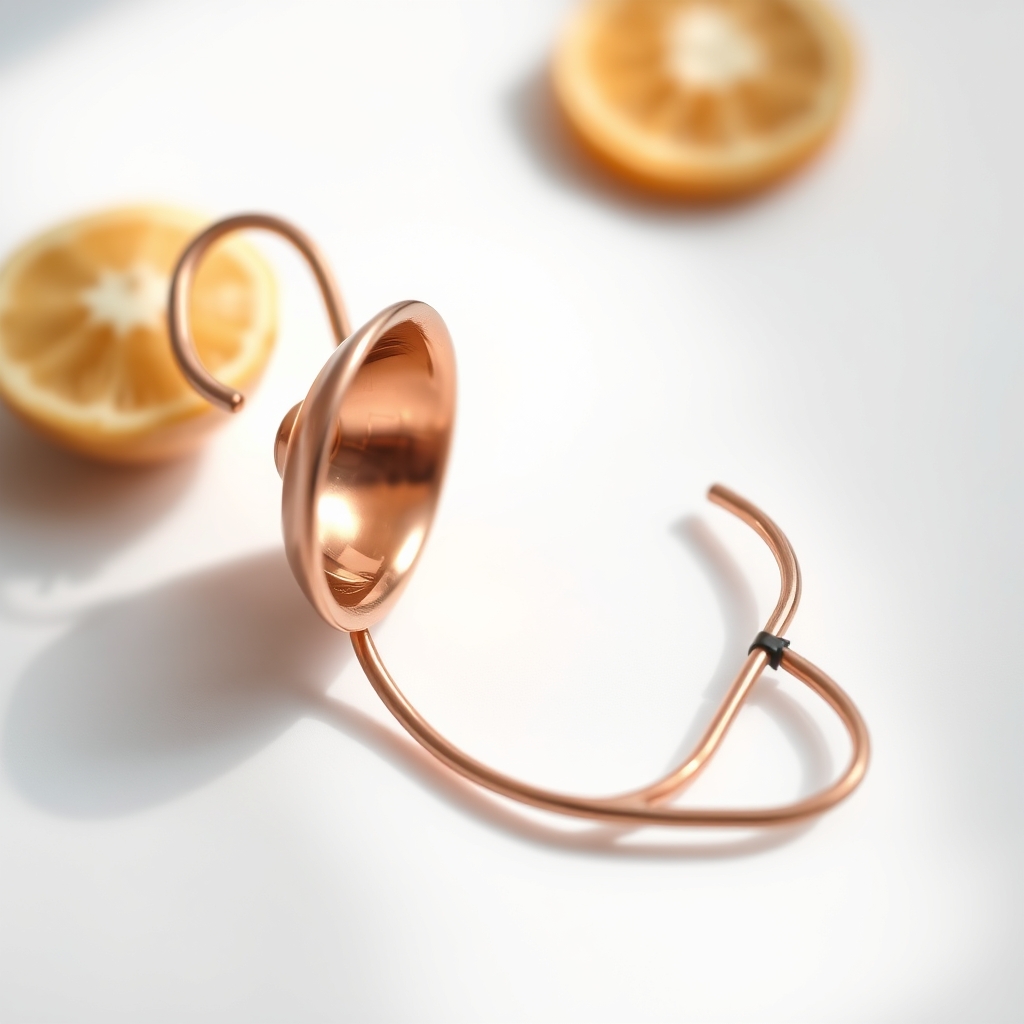
The copper IUD provides continuous protection, even if you have intercourse while bleeding.
The role of cervical mucus during menstruation
Cervical mucus changes throughout the cycle under the influence of estrogen and progesterone. During the early follicular phase (including most of the period), mucus is usually thick and less hospitable to sperm. However, some women produce “fertile‑type” mucus earlier than expected, especially if they have a short cycle.
Observing mucus can help you gauge fertility even when you’re bleeding. If you notice a clear, stretchy consistency on the last day of your period, it may indicate that estrogen is rising and ovulation is approaching. In that case, the risk of pregnancy from period intercourse rises.
Medical literature from the Mayo Clinic notes that mucus quality is a more reliable predictor of fertility than calendar calculations alone, particularly for women with irregular cycles.
Beyond pregnancy: Other considerations for period sex
While the risk of pregnancy during your period is a primary concern for many, it's also important to consider other health aspects of period sex. The presence of blood doesn't offer protection against sexually transmitted infections (STIs), and in some cases, it might even increase the risk of transmission for certain infections like HIV, as blood can facilitate viral spread.
Hygiene and comfort are also key. Many couples find it helpful to place a towel down or shower together to manage the mess. Some women might experience increased sensitivity or discomfort during their period, while others find sex more pleasurable due to natural lubrication. Open communication with your partner about comfort, preferences, and STI prevention is essential for a safe and enjoyable experience at any time of the month.
Myth vs. fact
Myth: You can’t get pregnant while you’re bleeding because the uterus is “cleaning out.”
Fact: Sperm can survive for up to five days, and ovulation can occur shortly after a short period, so fertilization is possible even during bleeding.
Myth: Birth‑control pills make period bleeding “safe” for pregnancy.
Fact: When taken correctly, pills prevent ovulation regardless of when you have sex; missed doses can create a fertile window.
Myth: If you have a light period, you’re not fertile.
Fact: Light spotting can still coincide with the start of the fertile window, especially in irregular cycles.
Key takeaways
Pregnancy during a period is possible, especially with short (< 21‑day) or irregular cycles.
Sperm can survive up to five days; ovulation may occur soon after bleeding stops.
Combined oral contraceptives remain highly effective, but missed pills can increase risk.
Emergency contraception works up to five days after intercourse, even if it occurred during a period.
Track your cycle with calendars, OPKs, or BBT to better understand your fertile window.
The copper IUD offers continuous protection and can be used as emergency contraception if needed.
Consider cervical position and mucus changes as additional fertility indicators.
Period sex does not protect against STIs; consistent barrier methods are still necessary.
Frequently asked questions
Can you get pregnant if you have sex during your period?
Yes. While the overall risk is low, sperm can survive long enough to meet an egg that ovulates shortly after your period ends; the chance rises with shorter cycles.
How many days after period can you get pregnant?
In a typical 28‑day cycle, fertility begins about 10‑14 days after the first day of bleeding; however, with shorter cycles, fertile days can start as early as day 6‑7.
Can a woman get pregnant on her period if she has a 21‑day cycle?
She can. Ovulation may occur around day 7, so intercourse on the last day of a four‑day period could result in pregnancy if sperm survive until ovulation.
Does having sex on your period increase risk of pregnancy?
It modestly increases risk compared with having sex during the early follicular phase of a longer cycle, because the fertile window may be closer to the period.
Can you get pregnant during ovulation if you bleed?
Mid‑cycle spotting can happen, but true heavy menstrual bleeding during ovulation is rare. If bleeding is light and coincides with ovulation, pregnancy is still possible.
What are the chances of getting pregnant on the first day of your period?
For a standard 28‑day cycle, the chance is under 1 % per act; it rises to about 3‑5 % in a 21‑day cycle because ovulation follows sooner.
Is emergency contraception effective if taken after period intercourse?
Yes. Both levonorgestrel and ulipristal acetate remain effective up to five days after unprotected sex, regardless of whether you were bleeding at the time.
Can a copper IUD be used as emergency contraception after period sex?
Yes. If a copper IUD is inserted within five days of unprotected intercourse, it can prevent pregnancy, offering an alternative to pills.
Is it safe to have sex during your period?
Yes, it is generally safe, but remember that period blood does not protect against STIs. Use barrier methods like condoms to prevent transmission, and discuss any discomfort or hygiene concerns with your partner.
Can stress or diet affect my cycle length and period pregnancy risk?
Yes, significant stress, changes in diet, or intense exercise can all influence cycle length and ovulation timing, making your fertile window less predictable and potentially increasing the risk of period pregnancy if not using contraception.
When to call your doctor
If you experience any of the following after period intercourse, seek medical attention promptly: heavy or prolonged bleeding, severe abdominal pain, fever, sudden dizziness, or a positive pregnancy test with ongoing bleeding. This information is for educational purposes only and does not replace personalized medical advice.
References
American College of Obstetricians and Gynecologists (ACOG). “Practice Bulletin: Fertility Awareness-Based Methods of Family Planning,” 2023.
World Health Organization (WHO). “Emergency Contraception: Guidelines,” 2022.
Centers for Disease Control and Prevention (CDC). “National Survey of Family Growth,” 2021.
National Institutes of Health (NIH). “Sperm Longevity in the Female Reproductive Tract,” 2020.
British National Health Service (NHS). “Menstrual Cycle and Fertility,” 2022.
Mayo Clinic. “Ovulation and Fertile Window,” 2023.
Food and Drug Administration (FDA). “Ulipristal Acetate (ella®) Prescribing Information,” 2021.
Royal College of Obstetricians and Gynaecologists (RCOG). “Management of Irregular Menstrual Cycles,” 2022.
American College of Obstetricians and Gynecologists (ACOG). “Guidelines for Copper IUD Insertion Timing,” 2023.
Editor's pick for this topic
Not sure about the label on Can You Get Pregnant On Your Period Complete Fertility Guide products?
Snap the ingredients list (or paste it, or scan the barcode) and SafeFilter checks every ingredient against your stage of pregnancy — flagging what to avoid, what needs care, and what's fine.
When Shubhra Mishra was expecting her first child in 2016, she was overwhelmed by conflicting food advice — one site said yes, another said never. By the time her second baby arrived in 2019, she realized millions of mothers face the same confusion.
That sparked a five-year journey through clinical nutrition papers, cultural diets, and expert conversations — all leading to BumpBites: a calm, compassionate space where science meets everyday motherhood.
Her long-term vision is to build a global community ensuring safe, supported, and free deliveriesfor every mother — because no woman should face pregnancy alone or uninformed. 🌿
🌍 Stand with mothers, shape safer guidance
Join a small circle of experts who review BumpBites articles so expecting parents everywhere can decide with confidence.