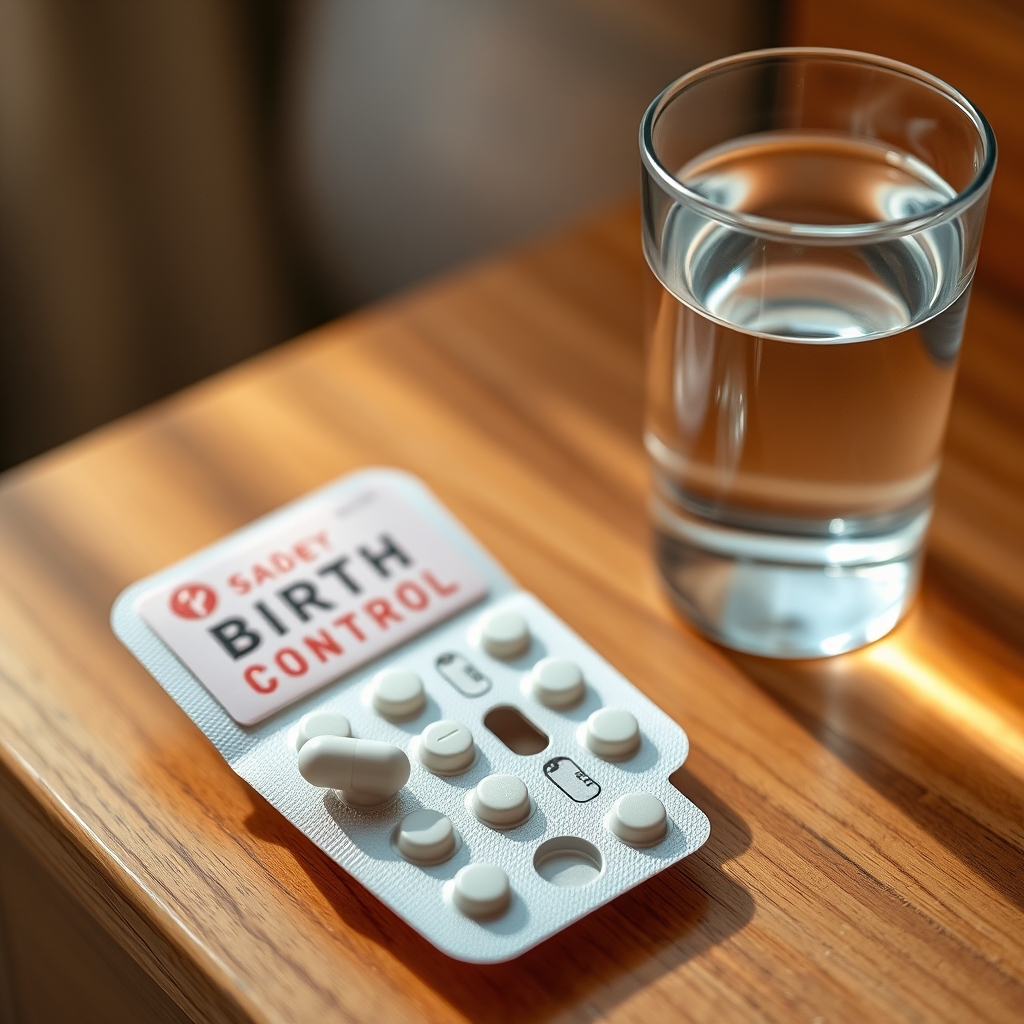
Yes, you can become pregnant while taking birth control pills, though the risk is very low. Learn the real odds, why failures happen, and how to stay protected.
By Shubhra Mishra — a mom of two who turned her own confusion during pregnancy into BumpBites, a global mission to make food choices clear, safe, and stress-free for every expecting mother. 💛
Check whether any food is safe during pregnancy with the BumpBites Food Safety Checker.
Download the Complete Pregnancy Food Guide (10,000 Foods) 📘
Instant PDF download • No spam • Trusted by thousands of moms
💡 Your email is 100% safe — no spam ever.
Quick take: Yes, you can get pregnant on birth control pills—but it’s rare if you take them perfectly. With typical use (the way most people take them), about 7 in 100 women may get pregnant in a year. Missing pills, taking certain medications, or vomiting can lower effectiveness. If you suspect pregnancy, take a test and call your provider. The most effective birth control methods are IUDs and implants, which fail less than 1% of the time.
It’s 3 a.m., and you’re staring at the ceiling, replaying the last few weeks in your head. You’ve been taking your pill every morning—mostly. But that one weekend you forgot, and then there was that stomach bug… Could you be pregnant? The thought sends a jolt of panic through you. If you’re on birth control, how worried should you really be?
Here’s the truth: no birth control method is 100% foolproof. But the odds are in your favor—if you use it correctly. In this guide, we’ll break down the real chances of getting pregnant on birth control, what can make it fail, and what to do if you’re worried. We’ll also compare the most effective methods, so you can make the best choice for your body and your plans.
Even one missed pill can lower your protection—but the risk depends on when you missed it.
What Are the Real Odds of Getting Pregnant on Birth Control Pills?
If you’re on the pill, you’re probably counting on it to do its job. But how often does it actually fail? The answer depends on how you take it—and whether life gets in the way.
With perfect use (taking the pill at the same time every day, without missing any), the failure rate is 0.3%. That means fewer than 1 in 100 women will get pregnant in a year. But in real life, most people don’t take it perfectly. With typical use (the way most people actually take it, with occasional missed pills or delays), the failure rate jumps to 7%. That’s about 7 in 100 women per year.
Why the big difference? Because the pill relies on consistency. Missing just one pill can lower your hormone levels enough to allow ovulation—the process where an egg is released and can be fertilized. And if you miss more than one, the risk goes up even more.
One reader, Sarah, shared her story: “I was so careful—until I wasn’t. I missed a pill on vacation, then another when I was sick. A few weeks later, I had sore breasts and was exhausted. I took a test, and it was positive. I couldn’t believe it.” Sarah’s experience isn’t rare, but it’s also not the norm. Most women who miss a pill or two don’t get pregnant—but it’s a reminder that the pill isn’t a set-it-and-forget-it method.
How Effective Is Birth Control If Taken Perfectly vs. Typical Use?
When it comes to birth control, there’s a big gap between “perfect” and “typical” use. Perfect use means following the instructions exactly—no missed pills, no delays, no interactions with other medications. Typical use accounts for the real-life slip-ups that happen to everyone: forgetting a pill, taking it late, or dealing with stomach issues that might affect absorption.
Here’s how the numbers break down for common birth control methods:
Method
Perfect Use Failure Rate
Typical Use Failure Rate
Birth control pills
0.3%
7%
Birth control patch
0.3%
7%
Birth control ring
0.3%
7%
Birth control shot (Depo-Provera)
0.2%
4%
IUD (hormonal or copper)
0.1–0.8%
0.1–0.8%
Birth control implant
0.05%
0.05%
Condoms (male)
2%
13%
Withdrawal (pulling out)
4%
22%
Fertility awareness (tracking ovulation)
0.4–5%
24%
Notice that methods like the IUD and implant have the same failure rate for perfect and typical use. That’s because they don’t rely on you remembering to do something every day. Once they’re in place, they work—no user error involved. On the other hand, methods like the pill, patch, and ring require daily, weekly, or monthly attention, which is where mistakes can happen.
If you’re someone who struggles with consistency, you might want to consider a “set-and-forget” method. But if you’re comfortable with the routine, the pill can be a great option—as long as you’re diligent.
Can You Get Pregnant on Birth Control If You Miss a Pill?
Let’s say you missed a pill. Now what? The answer depends on which pill you missed and when you missed it in your pack.
Most birth control pills come in packs of 21, 24, or 28 pills. The first 21–24 pills contain hormones (estrogen and progestin), while the last 4–7 pills are placebo or “reminder” pills (they don’t contain hormones). If you miss a pill during the hormone phase, your risk of pregnancy goes up. If you miss a placebo pill, you’re still protected—so don’t stress.
Here’s what to do if you miss a pill:
Missed 1 pill: Take the missed pill as soon as you remember, even if it means taking two pills in one day. Then continue taking the rest of your pills at the usual time. You don’t need backup birth control (like condoms) unless you missed the pill in the first week of your pack and had unprotected sex in the last 5 days.
Missed 2 or more pills in a row: Take the most recent missed pill as soon as you remember, and throw away the other missed pills. Continue taking the rest of your pills at the usual time. Use backup birth control (like condoms) for the next 7 days. If you missed pills in the first week of your pack and had unprotected sex in the last 5 days, you may need emergency contraception (like Plan B).
Missed pills in the third week of your pack: Skip the placebo pills and start a new pack right away. Use backup birth control for the next 7 days.
If you’re ever unsure, call your provider or pharmacist. They can walk you through what to do based on your specific pill and where you are in your pack.
One mom, Lisa, shared her experience: “I missed two pills in a row because I was traveling and forgot my pack. I didn’t realize until I was already home. I called my doctor, and she told me to take the most recent missed pill and use condoms for a week. I was so relieved—I didn’t even need Plan B.”
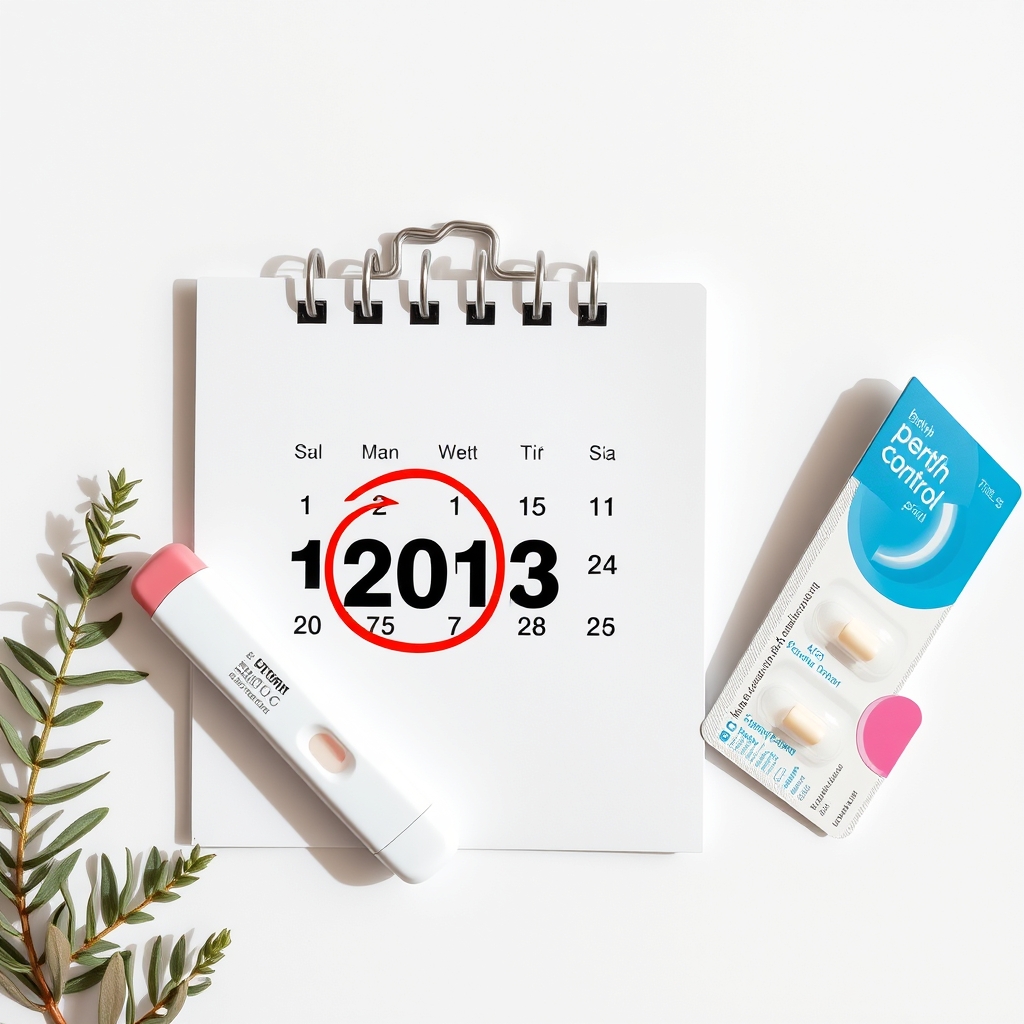
Marking your pill pack with a calendar reminder can help you stay on track—especially during busy weeks.
What Are the Signs of Pregnancy While on Birth Control?
If you’re on birth control, you might not expect to see pregnancy symptoms. But they can still happen—and they can be easy to brush off as side effects of the pill itself. Here are the most common signs to watch for:
Missed period: Some women on birth control have lighter periods or no periods at all (especially with certain pills or the hormonal IUD). But if your period is usually regular and suddenly stops, it’s worth paying attention.
Breast tenderness: The pill can cause breast soreness, but if it’s more intense than usual or lasts longer, it could be a sign of pregnancy.
Nausea or vomiting: Morning sickness can start as early as 2–3 weeks after conception. If you’re suddenly nauseous and it’s not related to a stomach bug, take note.
Fatigue: Feeling more tired than usual? Pregnancy hormones can make you exhausted, even in the early weeks.
Frequent urination: Needing to pee more often can be a sign of pregnancy, but it can also be a side effect of the pill. If it’s new or getting worse, it’s worth checking.
Spotting or light bleeding: Some women on birth control experience spotting between periods. But if it’s heavier or different than usual, it could be implantation bleeding—a sign of early pregnancy.
Mood changes: The pill can affect your mood, but sudden mood swings or heightened emotions might also be a sign of pregnancy.
If you notice any of these symptoms and think you might be pregnant, take a home pregnancy test. The best time to take one is at least 1–2 weeks after unprotected sex or a missed pill. If the test is positive, call your provider. If it’s negative but you’re still worried, wait a few days and test again.
One reader, Maria, said: “I was on the pill and had no idea I was pregnant until I was 8 weeks along. I just thought my sore breasts and fatigue were from stress. When I finally took a test, I was shocked.”
Does Antibiotics or Other Medication Reduce Birth Control Effectiveness?
This is one of the most common questions—and one of the most confusing. The short answer: some medications can interfere with birth control, but most don’t. Here’s what you need to know.
Antibiotics
Most antibiotics do not reduce the effectiveness of birth control pills. The one exception is rifampin, a medication used to treat tuberculosis and other infections. Rifampin can lower the hormone levels in your pill, making it less effective. If you’re prescribed rifampin, your provider will likely recommend a backup method of birth control (like condoms) while you’re taking it and for 28 days after you stop.
Other antibiotics, like amoxicillin or doxycycline, don’t affect birth control. But if you’re taking any antibiotic and are worried, you can always use a backup method just to be safe.
Other Medications That Can Interfere
Some medications can lower the effectiveness of birth control by speeding up how quickly your body breaks down the hormones. These include:
Anticonvulsants: Medications like phenytoin, carbamazepine, and topiramate (used to treat seizures and migraines) can reduce the effectiveness of birth control pills.
Antifungals: Griseofulvin (used to treat fungal infections) can lower hormone levels.
HIV medications: Some HIV medications, like ritonavir, can interfere with birth control.
St. John’s Wort: This herbal supplement (used for depression) can reduce the effectiveness of birth control pills. If you’re taking it, use a backup method.
If you’re prescribed a new medication, always tell your provider that you’re on birth control. They can let you know if you need to use a backup method or switch to a different form of contraception.
What About Vomiting or Diarrhea?
If you vomit within 2 hours of taking your pill, it might not have been absorbed properly. Treat it like a missed pill: take another one as soon as you can, and continue with your pack as usual. If you’re vomiting or have severe diarrhea for more than 24 hours, use a backup method (like condoms) for the next 7 days.
One mom, Priya, shared: “I had food poisoning and was vomiting for two days. I didn’t realize it could affect my pill until I called my pharmacist. She told me to use condoms for a week, just in case. It was a good reminder that even stomach bugs can mess with your protection.”
How Soon After Stopping Birth Control Can You Get Pregnant?
If you’re thinking about getting pregnant, you might wonder how long it takes for your body to “reset” after stopping birth control. The good news: most women ovulate within a few weeks to a few months after stopping the pill. But the exact timing depends on the type of birth control you were using and your body.
Birth control pills: Most women ovulate within 1–3 months after stopping the pill. Some ovulate as soon as 2 weeks later. Your fertility should return to normal within 3 months.
Birth control shot (Depo-Provera): It can take 6–12 months for ovulation to return after your last shot. This is one of the longer-lasting methods, so if you’re planning to get pregnant soon, it might not be the best choice.
IUD (hormonal or copper): Fertility returns almost immediately after removal. Some women ovulate within a few weeks.
Birth control implant: Like the IUD, fertility returns quickly after removal—usually within a few weeks.
Birth control patch or ring: Fertility returns within 1–3 months, similar to the pill.
If you stop birth control and don’t get your period within 3 months, it’s a good idea to check in with your provider. They can help rule out other issues, like polycystic ovary syndrome (PCOS) or thyroid problems, that might be affecting your cycle.
One reader, Jamie, said: “I stopped the pill in January and got pregnant in March. I was shocked—we weren’t even trying yet! It just goes to show that everyone’s body is different.”
Most women ovulate within 1–3 months after stopping birth control pills—but some get pregnant even sooner.
Which Birth Control Methods Are Most Effective at Preventing Pregnancy?
If you’re looking for the most reliable way to prevent pregnancy, some methods are better than others. The most effective methods are the ones that don’t rely on you remembering to do something every day. Here’s how they stack up, from most to least effective:
1. IUDs (Intrauterine Devices)
IUDs are small, T-shaped devices inserted into your uterus by a provider. They’re over 99% effective at preventing pregnancy and last for 3–12 years, depending on the type. There are two kinds:
Hormonal IUDs: These release a small amount of progestin, which thickens cervical mucus and thins the uterine lining. They can make periods lighter or stop them altogether. Brands include Mirena, Kyleena, Skyla, and Liletta.
Copper IUD (Paragard): This non-hormonal IUD works by creating an inflammatory reaction that’s toxic to sperm. It can make periods heavier and crampier for some women.
IUDs are great because you don’t have to think about them once they’re in. But they don’t protect against STIs, so you’ll still need condoms if you’re at risk.
2. Birth Control Implant (Nexplanon)
The implant is a tiny rod inserted under the skin of your upper arm. It releases progestin and is over 99% effective. It lasts for up to 5 years and can make periods lighter or stop them altogether. Like the IUD, it’s a “set-and-forget” method.
3. Birth Control Shot (Depo-Provera)
The shot is an injection of progestin that you get every 3 months. It’s 96% effective with typical use. It can cause irregular bleeding at first, but many women stop getting periods after a year. The downside? It can take up to a year for fertility to return after stopping.
4. Birth Control Pills, Patch, and Ring
These methods are 91–93% effective with typical use. They require more effort (daily pills, weekly patches, or monthly rings), but they’re reversible and can help with period symptoms. The patch and ring work similarly to the pill but are applied to your skin or inserted into your vagina.
5. Condoms
Condoms are 87% effective with typical use. They’re the only method that protects against STIs, so they’re a great choice if you’re not in a monogamous relationship. But they require consistent use, which is where mistakes can happen.
6. Withdrawal (Pulling Out)
Withdrawal is 78% effective with typical use. It’s better than nothing, but it’s not very reliable because pre-ejaculate (the fluid that comes out before ejaculation) can contain sperm. If you’re using withdrawal, it’s a good idea to combine it with another method, like condoms.
7. Fertility Awareness (Tracking Ovulation)
Fertility awareness methods involve tracking your cycle to avoid sex on fertile days. With perfect use, they’re 76–88% effective, but with typical use, they’re only 76% effective. They require a lot of effort and consistency, so they’re not the best choice if you’re not comfortable with a higher risk of pregnancy.
If you’re not sure which method is right for you, talk to your provider. They can help you weigh the pros and cons based on your lifestyle, health, and plans.
From our medical team: “The best birth control method is the one you’ll use consistently and correctly. If you’re someone who struggles with daily routines, a long-acting method like an IUD or implant might be a better fit. But if you’re comfortable with the pill and don’t mind the daily commitment, it can be a great option. The key is to choose a method that works for your life—because the most effective method is the one you actually use.”
Myth vs. Fact
There’s a lot of misinformation out there about birth control. Let’s clear up some of the most common myths.
Myth: You can’t get pregnant on birth control if you take it every day. Fact: Even with perfect use, the pill has a small failure rate (0.3%). No method is 100% effective, so there’s always a tiny chance of pregnancy.
Myth: Birth control pills cause infertility. Fact: The pill doesn’t affect your long-term fertility. Most women ovulate within 1–3 months after stopping the pill, and their fertility returns to normal.
Myth: You need to take a “break” from birth control to “detox” your body. Fact: There’s no medical reason to take a break from birth control. The hormones leave your system quickly after you stop, and your body doesn’t need time to “recover.”
Myth: If you get pregnant on birth control, the baby will have birth defects. Fact: There’s no evidence that birth control pills cause birth defects. If you get pregnant while on the pill, stop taking it and call your provider—but don’t panic. The risk to the baby is very low.
Myth: You can’t get pregnant on birth control if you’re breastfeeding. Fact: Breastfeeding can delay ovulation, but it’s not a reliable form of birth control. If you’re breastfeeding and don’t want to get pregnant, use a backup method like condoms or talk to your provider about progestin-only pills, which are safe for nursing moms.
Key Takeaways
With perfect use, birth control pills are over 99% effective. With typical use, the failure rate is about 7%.
Missing pills, taking certain medications, or vomiting can lower the effectiveness of birth control.
Signs of pregnancy while on birth control include missed periods, breast tenderness, nausea, fatigue, and spotting.
Most antibiotics do not reduce birth control effectiveness, but rifampin and some other medications do.
Fertility usually returns within 1–3 months after stopping birth control pills, but it can take up to a year after the birth control shot.
The most effective birth control methods are IUDs and implants, which fail less than 1% of the time.
If you suspect birth control failure, take a pregnancy test and call your provider.
Frequently Asked Questions
What Are the Chances of Getting Pregnant While on Birth Control?
With perfect use, the chance is less than 1%. With typical use, about 7 in 100 women will get pregnant in a year. The risk goes up if you miss pills, take certain medications, or have stomach issues that affect absorption.
Can You Get Pregnant on Birth Control If You Take It Every Day?
Yes, but it’s very rare. Even with perfect use, the pill has a small failure rate (0.3%). No method is 100% effective, so there’s always a tiny chance of pregnancy.
What Happens If You Take Birth Control While Pregnant?
If you accidentally take birth control pills while pregnant, don’t panic. There’s no evidence that the pill causes birth defects. Stop taking it as soon as you find out you’re pregnant and call your provider.
How Common Is It to Get Pregnant on the Pill?
With typical use, about 7% of women will get pregnant in a year. With perfect use, the failure rate drops to 0.3%. Most pregnancies on the pill happen because of missed pills or other factors that lower effectiveness.
Can You Get Pregnant on Birth Control If You Don’t Miss Any Pills?
Yes, but it’s very rare. Even with perfect use, the pill isn’t 100% effective. Other factors, like medications or stomach issues, can also lower its effectiveness.
What Medications Interfere With Birth Control Pills?
Some medications that can interfere with birth control include rifampin (an antibiotic), certain anticonvulsants, antifungals like griseofulvin, some HIV medications, and St. John’s Wort. Always tell your provider you’re on birth control when prescribed a new medication.
When to Call Your Doctor
Call your provider if you:
Miss two or more birth control pills in a row and had unprotected sex in the last 5 days.
Think you might be pregnant (missed period, breast tenderness, nausea, fatigue).
Have severe side effects from your birth control, like severe headaches, chest pain, or leg swelling.
Are prescribed a new medication and aren’t sure if it interacts with your birth control.
Want to switch to a different birth control method.
This article is for informational purposes only and is not a substitute for professional medical advice, diagnosis, or treatment. Always seek the advice of your physician or other qualified health provider with any questions you may have regarding a medical condition.
References
American College of Obstetricians and Gynecologists (ACOG). (2021). Combined Hormonal Birth Control: Pill, Patch, and Ring.
Centers for Disease Control and Prevention (CDC). (2022). Contraception.
National Health Service (NHS). (2023). Contraception – Your Guide.
Planned Parenthood. (2023). Birth Control.
World Health Organization (WHO). (2020). Medical Eligibility Criteria for Contraceptive Use.
Mayo Clinic. (2023). Birth Control Pill FAQ: Benefits, Risks and Choices.
U.S. Food and Drug Administration (FDA). (2021). Birth Control Guide.
Editor's pick for this topic
Not sure about the label on Can You Get Pregnant On Birth Control Pills Real Odds Explained products?
Snap the ingredients list (or paste it, or scan the barcode) and SafeFilter checks every ingredient against your stage of pregnancy — flagging what to avoid, what needs care, and what's fine.
When Shubhra Mishra was expecting her first child in 2016, she was overwhelmed by conflicting food advice — one site said yes, another said never. By the time her second baby arrived in 2019, she realized millions of mothers face the same confusion.
That sparked a five-year journey through clinical nutrition papers, cultural diets, and expert conversations — all leading to BumpBites: a calm, compassionate space where science meets everyday motherhood.
Her long-term vision is to build a global community ensuring safe, supported, and free deliveriesfor every mother — because no woman should face pregnancy alone or uninformed. 🌿
🌍 Stand with mothers, shape safer guidance
Join a small circle of experts who review BumpBites articles so expecting parents everywhere can decide with confidence.