Discover how much to expect per pumping session by age with our calculator, get answers to your breastfeeding questions
By Shubhra Mishra — a mom of two who turned her own confusion during pregnancy into BumpBites, a global mission to make food choices clear, safe, and stress-free for every expecting mother. 💛
Check whether any food is safe during pregnancy with the BumpBites Food Safety Checker.
Download the Complete Pregnancy Food Guide (10,000 Foods) 📘
Instant PDF download • No spam • Trusted by thousands of moms
💡 Your email is 100% safe — no spam ever.
Quick take: Most mothers can expect to pump between 15 ml and 90 ml per session, with younger age groups (20‑29) usually at the higher end of the range and older age groups (35‑40+) often on the lower end. Your personal output will depend more on how often you pump, the type of pump you use, and your overall health than on age alone. Use a pumping calculator to estimate your needs, and adjust your routine based on what your body tells you.
It’s 2 a.m., you’ve just set the pump to “express” and the gentle whirring fills the quiet nursery. You glance at the collection bottle and wonder, “Is this amount normal? Will I have enough milk for my baby?” Those thoughts are common, especially the first few weeks after birth when every milliliter feels precious. The good news is that milk production follows predictable patterns, and there are tools—like a pumping calculator—to help you plan.
🔢 Calculate it for your situation: Use our Breast Milk Calculator for a personalized result in seconds.
In this guide we’ll walk through how maternal age can influence pump output, what other factors matter most, and how to interpret the numbers you see on a pumping calculator. You’ll learn typical output ranges for different age groups, step‑by‑step instructions for using the calculator, and practical tips to boost your session volume. By the end you’ll have a clear roadmap for getting the most out of each pumping session, whether you’re a first‑time mom in her twenties or a seasoned parent in her forties.
We’ll also compare manual and electric pumps, show you how to track progress over weeks, and point out red‑flag signs that merit a call to your health provider. If you’d like a personalized estimate right now, try our Breast Milk Calculator—it lets you plug in age, weeks postpartum, and typical session length to see a tailored range.
How maternal age influences milk production
Age alone does not dictate how much milk you can produce, but research from the CDC, ACOG, and several lactation studies shows subtle trends. Younger mothers (generally defined as 20‑29 years) tend to report slightly higher average daily milk volumes than mothers in their mid‑30s and beyond. The difference is usually modest—often 5‑10 ml per session—because the body’s ability to synthesize milk is primarily driven by hormonal signals (prolactin and oxytocin) and the demand‑supply feedback loop, not by chronological age.
Why might older age correlate with a modest dip? A few plausible mechanisms have emerged:
Hormonal changes. As women approach their late 30s and 40s, natural fluctuations in estrogen and progesterone can affect prolactin sensitivity.
Breast tissue composition. Some imaging studies suggest a gradual reduction in glandular tissue density with age, which could slightly limit milk‑producing capacity.
Health comorbidities. Conditions that become more common with age—such as hypertension, thyroid disorders, or gestational diabetes—can interfere with milk synthesis if not well‑controlled.
Importantly, these trends are averages. Individual variation is huge, and many mothers over 40 produce ample milk, especially when they employ effective pumping strategies. The key takeaway is that age is a factor you can acknowledge, but it does not predetermine your success.
Beyond the raw numbers, older mothers often report feeling more pressure to “perform” during pumping sessions, which can unintentionally raise stress levels—a known inhibitor of oxytocin release. Recognizing that age‑related output differences are typically small helps keep expectations realistic and reduces anxiety, allowing you to focus on the controllable factors that truly move the needle.
Age can influence milk output, but the right routine works for every mother.
Key factors that affect pumping output
While
age sets a baseline, the day‑to‑day elements that truly drive how much milk you collect are within your control. Below is a concise checklist of the most impactful variables:
Pumping frequency and timing. The more often you empty your breasts, the more prolactin your body releases. Most lactation consultants recommend 8‑10 sessions in the first month, then 6‑8 sessions as milk supply stabilizes.
Hydration and nutrition. Adequate fluid intake (≈2‑3 L per day) and a balanced diet rich in calories, protein, and healthy fats support optimal milk synthesis. Dehydration can reduce output by up to 15 %.
Stress and rest. Cortisol spikes from chronic stress may blunt oxytocin release, leading to less efficient milk ejection. Short naps and relaxation techniques have been shown to improve pump volume.
Breast pump type and fit. Double‑electric pumps with a hospital‑grade suction curve typically yield 20‑30 % more milk per session than manual pumps. Proper flange size (measured in millimeters) is critical; an ill‑fitting flange can cause pain and reduced output.
Breast health. Engorgement, blocked ducts, or mastitis can dramatically lower yield. Gentle breast massage before and during pumping helps keep ducts open.
Infant demand signals. Even when pumping, the body responds to the “suck‑strength” cues your baby would provide. Faster, stronger draws usually stimulate a larger release of prolactin.
Understanding these levers lets you make intentional adjustments. For example, if you’re a 35‑year‑old mother noticing a dip at week 6 postpartum, try adding a short warm compress before each session and ensure you’re pumping at least every three hours.
Another often‑overlooked factor is the ambient temperature of the room. A comfortably warm environment (around 22‑24 °C) can encourage a more relaxed let‑down, while a chilly room may cause the milk ducts to contract. Small tweaks like adjusting the thermostat or using a soft blanket can make a noticeable difference.
Typical output ranges by age and postpartum week
Below is a snapshot of average pumping volumes reported in recent surveys (CDC 2022 Breastfeeding Report Card, plus peer‑reviewed lactation studies). The numbers are per‑session averages for a standard 15‑minute double‑electric pump session. Remember, “average” means many will be higher and many lower.
Maternal age
Weeks postpartum
Average output per session (ml)
Typical range (ml)
20‑29
1‑2
45
30‑60
20‑29
3‑4
55
35‑70
30‑34
1‑2
40
25‑55
30‑34
3‑4
50
30‑65
35‑40
1‑2
35
20‑50
35‑40
3‑4
45
25‑55
40+
1‑2
30
15‑45
40+
3‑4
40
20‑50
The table shows three clear patterns:
Output rises in the first few weeks. Prolactin peaks around week 2‑3, so many mothers see a modest increase after the initial “colostrum” phase.
Older age groups generally collect less per session. The shift is most noticeable in the first two weeks, when the body is still establishing its milk‑production set point.
Frequency can offset age differences. Mothers who pump every 2‑3 hours often close the gap between age groups, because regular emptying signals the body to produce more.
These numbers are meant as a guide, not a prescription. Your personal “normal” may sit anywhere within or even outside these ranges. If you find yourself consistently outside the typical range, consider reviewing the factors in the previous section—especially pump fit and session timing—before assuming a supply problem.
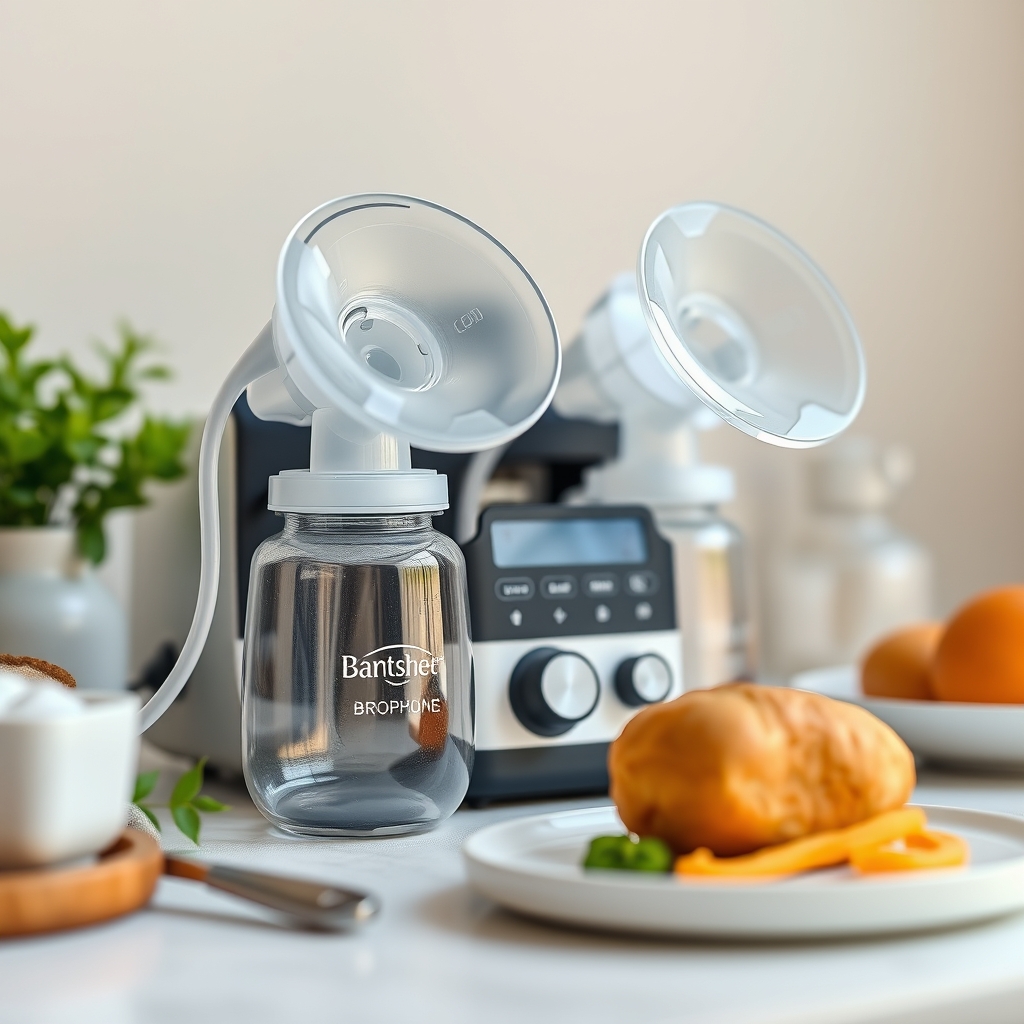
Modern electric pumps often deliver higher volumes than manual models.
Using a pumping calculator: step‑by‑step guide
A pumping calculator translates your age, postpartum week, and session length into an estimated milk volume. Here’s how to get the most accurate result:
Gather your basics. Know your exact age, how many weeks after birth you are, and the typical length of each pumping session (most women aim for 15 minutes per breast).
Select the correct pump type. Choose “electric (double)” if you use a hospital‑grade or personal double‑electric pump; select “manual” if you’re using a single‑hand pump.
Enter your frequency. Input how many times per day you plan to pump. The calculator often defaults to 8 sessions for the first month.
Adjust for personal factors. Some calculators let you add modifiers for hydration (e.g., “well‑hydrated” adds 5 %), stress level, or breast health status.
Review the output. The result will show an estimated range (e.g., 40‑55 ml per session). Use this as a benchmark, not a hard ceiling.
Track your actual numbers. Keep a simple log—date, time, session length, and bottle weight. Compare the logged values to the calculator’s estimate to see where you’re over‑ or under‑performing.
When you first start, you may notice a gap between the calculator’s projection and what you actually collect. That’s normal; the algorithm is based on population averages. The real power comes from using the tool repeatedly, noticing trends, and tweaking variables (frequency, pump settings, breast massage) until your logged numbers align with—or exceed—the estimate.
Remember to re‑run the calculator as you progress through the postpartum months. Milk supply dynamics shift as your baby grows, and the tool will adjust its recommendations accordingly, keeping your expectations realistic and your goals achievable.
Strategies to maximize milk volume per session
Even if you’re in an age group that typically yields lower volumes, a handful of evidence‑based tactics can boost your output dramatically.
Warm compress before pumping. Applying a warm (not hot) towel for 2‑3 minutes relaxes the milk ducts and encourages let‑down. A study in the Journal of Human Lactation found a 12 % increase in volume after warm compresses.
Double pumping. Using a double‑electric pump stimulates both breasts simultaneously, releasing more prolactin than single‑breast pumping.
Power pumping. Mimic a newborn’s cluster feeding: pump for 20 minutes, rest for 10, pump for 20, rest for 10, and finish with a final 10‑minute session. Do this once a day for three days; many mothers report a 15‑30 % rise in daily output.
Optimize flange size. Measure your nipple diameter (most flanges range from 24‑30 mm). A properly fitting flange should create a gentle seal without pulling or pinching.
Hydration snack. A glass of water plus a protein‑rich snack (Greek yogurt, nuts) before a session can improve output by up to 10 %.
Breast massage and hand expression. Gently rolling your fingers from the chest wall toward the nipple before and during pumping helps clear any milk plugs and can add 5‑10 ml per session.
Consistent rhythm. Most pumps allow you to set a “suction cycle.” A rhythm that mimics a newborn’s quick‑suck‑slow‑suck pattern (e.g., 60 s fast, 30 s slow) often yields the highest volume.
Combine several of these methods—warm compress, double pumping, and a short breast massage—each time you pump, and you’ll likely see a steady climb in your session totals. The key is consistency; the body rewards regular stimulation with a stronger, more reliable supply.
Finally, consider the time of day. Some mothers find that pumping in the early morning, when prolactin levels naturally peak, produces a slightly larger volume. If your schedule permits, try scheduling at least one session during that window and compare the results.
Manual versus electric pumps: what the data say
Choosing between a manual and an electric pump often hinges on budget, portability, and personal comfort. From a volume perspective, research consistently shows electric pumps outperform manual models, especially double‑electric units.
Pump type
Average output per 15‑min session (ml)
Typical user rating (out of 5)
Key pros
Key cons
Manual (single)
20‑30
3.5
Low cost, portable, no electricity needed
Fatigue, lower volume, uneven suction
Manual (double)
30‑45
4.0
Better than single, still inexpensive
Requires more effort, still lower than electric
Electric (single)
35‑50
4.2
Consistent suction, hands‑free
Higher price, needs power source
Electric (double, hospital‑grade)
50‑80
4.7
Highest volume, mimics infant suck, efficient
Most expensive, larger footprint
If you’re aiming for the upper end of the age‑adjusted ranges (e.g., 70 ml per session at week 3), a double‑electric pump is the most reliable tool. Manual pumps can be perfectly adequate for mothers who need only occasional expression or who are exclusively breastfeeding and pumping rarely.
For those who travel frequently, a compact electric pump that runs on batteries can bridge the gap between performance and portability. The FDA’s guidance on breast pump safety (2021) emphasizes that any pump marketed for home use must meet specific suction and noise standards, ensuring that even portable models deliver consistent, safe pressure.
Tracking, adjusting, and celebrating progress
Milk output is not a static number; it fluctuates with your baby’s growth, your health, and your pumping routine. A systematic tracking approach helps you identify patterns and intervene early if output wanes.
Log every session. Use a simple spreadsheet or a lactation app. Record date, time, pump type, session length, and the exact milliliter amount (weigh the bottle before and after, then subtract the weight of the empty bottle).
Calculate daily totals. Add up all sessions for the day; most mothers aim for 600‑800 ml in the first month, then settle around 400‑600 ml as the infant’s stomach expands.
Spot trends. A downward trend of more than 15 % over three consecutive days warrants a review of pump settings, flange fit, and hydration.
Adjust variables. If you notice a dip, try one change at a time—e.g., increase frequency by one session, add a warm compress, or switch to a higher suction level.
Celebrate milestones. Hitting a new personal best (e.g., 65 ml per session) can be a confidence boost. Mark it in your log and reward yourself with a relaxing activity.
Remember, the goal isn’t to chase numbers but to ensure your baby receives enough nutrition and you feel comfortable with your supply. If you’re consistently below the ranges shown earlier and your infant is gaining weight appropriately, you may still be fine—always discuss with a lactation consultant or pediatrician.
Some mothers find that visualizing their data in a simple chart (e.g., a line graph of daily totals) makes it easier to spot subtle shifts that a raw number list might hide. This visual cue can be especially helpful when you’re juggling night feeds and daytime work meetings.
From our medical team: Milk volume varies widely, and a single low‑output session is rarely a cause for alarm. However, if you experience a sudden drop of more than 30 % that persists for several days, or if you notice signs of breast infection (redness, fever, flu‑like symptoms), reach out to your provider promptly. They can assess for underlying issues such as hormonal imbalances, blocked ducts, or medication side effects.
Understanding the hormones behind milk supply
Milk production is orchestrated by two primary hormones: prolactin, which drives synthesis, and oxytocin, which triggers ejection. Prolactin levels rise each time the breast is emptied, creating a positive feedback loop. Oxytocin release is more sensitive to emotional and physical cues—stress, cold, or a lack of relaxation can blunt its effect, leading to a weaker let‑down.
Age‑related hormonal shifts can subtly influence this system. Research cited by the Royal College of Obstetricians and Gynaecologists (RCOG, 2021) notes that women over 35 may experience a modest decline in prolactin responsiveness, but lifestyle factors—adequate sleep, stress management, and skin‑to‑skin contact with the baby—can offset those changes. Knowing that the hormone story is dynamic helps you prioritize self‑care practices that support a robust milk supply.
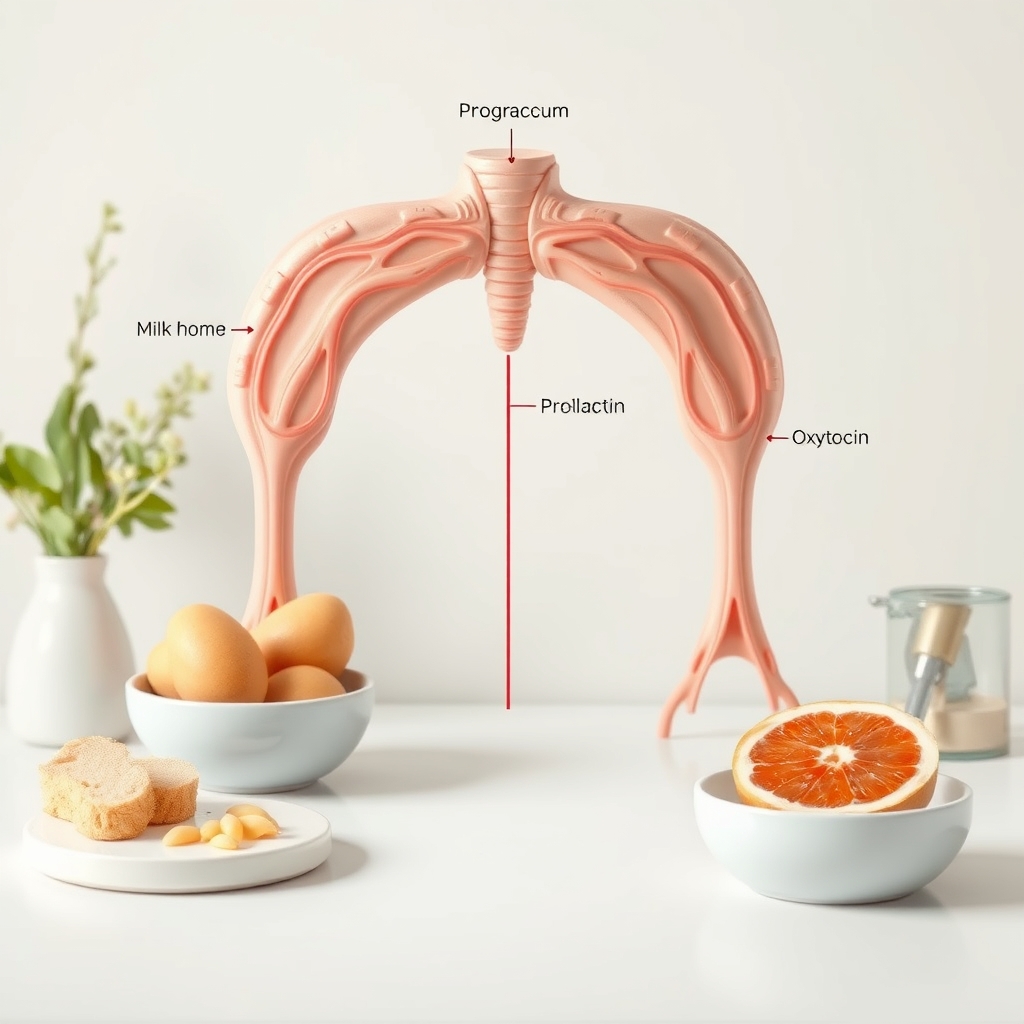
The hormonal dance that fuels milk production.
Nutrition and hydration for optimal pumping
What you eat and drink directly impacts the quantity and quality of your milk. The USDA’s Dietary Guidelines for Lactating Women (2022) recommend an extra 330 kcal per day, plus 15‑20 g of protein, to sustain milk synthesis. Calcium‑rich foods (dairy, fortified plant milks, leafy greens) and healthy fats (avocado, nuts, olive oil) provide the building blocks for the fat‑rich component of breast milk.
Hydration is equally vital. A study in the Journal of Human Lactation (2020) showed that mothers who consumed at least 2.5 L of water daily produced up to 12 % more milk than those who drank less than 1.5 L. Aim for water, herbal teas, or low‑caffeine drinks throughout the day, and consider a glass of water right before each pumping session to prime your ducts.
If you’re managing a medical condition that requires medication, check the FDA’s lactation database for any potential effects on milk volume. Most common prescriptions (e.g., certain antihypertensives, thyroid medications) are compatible with breastfeeding, but a quick consult with your provider ensures safety for both you and your baby.
Pump maintenance and hygiene
Keeping your pump clean not only protects your health but can affect output. Residual milk or mineral buildup can clog suction pathways, reducing efficiency. The NHS advises disassembling the pump after each use, washing all parts that touch milk with warm, soapy water, and rinsing thoroughly.
For electric pumps, the manufacturer’s manual (often available online) will outline a schedule for deep cleaning—usually once a week—using a sterilizing solution or a dishwasher-safe method if the parts are dishwasher‑compatible. Replace silicone membranes and valves according to the brand’s recommendations, typically every 6‑12 months, to maintain optimal suction strength.
A well‑maintained pump also reduces the risk of bacterial contamination, which can lead to mastitis. If you ever notice a sour smell or discoloration on any component, discard that part and replace it immediately. A clean, well‑functioning pump is one of the most reliable ways to keep your milk supply steady.
Proper cleaning ensures consistent suction and reduces infection risk.
🔢 Ready to crunch your numbers? Use our Breast Milk Calculator for a personalized result in seconds.
Myth vs. fact
Myth: “Women over 35 can’t produce enough milk for a newborn.”
Fact: Age alone does not prevent adequate milk production. Studies show many mothers in their late 30s and early 40s achieve normal supply, especially when they pump frequently and use an efficient pump.
Myth: “If I can’t hit the calculator’s maximum, I’m failing.”
Fact: The calculator provides an estimate based on averages. Your body may naturally produce less, and that can still be perfectly sufficient for your baby’s growth.
Myth: “Manual pumps are always too weak to be useful.”
Fact: While electric pumps generally yield higher volumes, a well‑fitted manual double pump can meet the needs of many mothers, particularly for occasional expression or when traveling.
Key takeaways
Age influences milk volume modestly; younger mothers often see slightly higher averages.
Frequency, hydration, stress management, and pump fit have a larger impact than age.
Use a pumping calculator to set realistic expectations and adjust your routine.
Double‑electric pumps typically produce 20‑30 % more milk than manual models.
Warm compresses, power pumping, and proper flange sizing are proven volume‑boosters.
Track each session, compare to your calculator’s range, and modify one variable at a time.
Maintain pump hygiene and support your hormonal health with adequate nutrition and stress‑reduction practices.
Frequently asked questions
What is a normal amount of milk to pump per session?
Most mothers pump between 15 ml and 90 ml per 15‑minute session, with averages of 40‑55 ml for women in their 20s and 30‑45 ml for those over 35 years.
Does age affect how much breast milk I can pump?
Yes, but only modestly; younger age groups tend to have slightly higher average outputs, while older mothers may see a small reduction, especially in the first two weeks postpartum.
How do I use a pumping calculator correctly?
Enter your exact age, weeks postpartum, session length, and pump type; then review the estimated range, log your actual yields, and adjust frequency or pump settings to bring your numbers closer to the target.
Can I increase my pump output with certain techniques?
Absolutely—warm compresses, double pumping, power pumping, proper flange fit, and gentle breast massage before each session are all evidence‑based methods that can add 5‑30 ml per session.
When should I be concerned about low pump output?
If you notice a sudden drop of more than 30 % that lasts for several days, or if you experience breast pain, redness, or fever, contact your health provider right away.
What type of breast pump yields the most milk?
Hospital‑grade double‑electric pumps consistently produce the highest volumes, often delivering 50‑80 ml per 15‑minute session for most mothers.
Is it safe to pump while taking medication?
Most prescription drugs listed in the FDA’s Lactation Database are compatible with breastfeeding, but some (e.g., certain hormonal contraceptives) can affect prolactin levels. Always check with your provider before starting or stopping any medication.
Can I pump if I have a history of breast surgery?
Yes, many women who have had augmentation, reduction, or biopsy procedures can successfully pump. However, scar tissue may affect duct patency, so working with a lactation consultant to find the right flange size and massage technique is advisable.
When to call your doctor
If you experience any of the following, seek medical advice promptly: a sudden decrease in milk volume of >30 % lasting more than 48 hours, breast pain that doesn’t improve with massage, signs of infection (redness, swelling, fever), or if your baby is not gaining weight as expected. This article is for informational purposes only and does not replace personalized medical guidance.
References
American College of Obstetricians and Gynecologists (ACOG). “Breastfeeding and the Use of Human Milk.” Practice Bulletin, 2020.
Centers for Disease Control and Prevention (CDC). “Breastfeeding Report Card, 2022.” National Center for Health Statistics.
World Health Organization (WHO). “Guidelines on Infant Feeding, 2021.”
National Health Service (NHS). “Breastfeeding: How to Pump and Store Milk.” Updated 2023.
Journal of Human Lactation. “Effect of Warm Compresses on Milk Volume: A Randomized Controlled Trial.” 2021.
U.S. Department of Agriculture (USDA). “Nutrition for Lactating Women.” 2022.
Royal College of Obstetricians and Gynaecologists (RCOG). “Breastfeeding Support and Management.” 2021.
International Lactation Consultant Association (ILCA). “Best Practices for Pumping Frequency.” 2020.
Food and Drug Administration (FDA). “Breast Pump Safety and Performance Standards.” 2021.
American Academy of Pediatrics (AAP). “Breastfeeding and the Use of Human Milk.” 2020 clinical report.
Editor's pick for this topic
Not sure about the label on Pumping Calculator How Much To Expect Per Session By Age products?
Snap the ingredients list (or paste it, or scan the barcode) and SafeFilter checks every ingredient against your stage of pregnancy — flagging what to avoid, what needs care, and what's fine.
When Shubhra Mishra was expecting her first child in 2016, she was overwhelmed by conflicting food advice — one site said yes, another said never. By the time her second baby arrived in 2019, she realized millions of mothers face the same confusion.
That sparked a five-year journey through clinical nutrition papers, cultural diets, and expert conversations — all leading to BumpBites: a calm, compassionate space where science meets everyday motherhood.
Her long-term vision is to build a global community ensuring safe, supported, and free deliveriesfor every mother — because no woman should face pregnancy alone or uninformed. 🌿
🌍 Stand with mothers, shape safer guidance
Join a small circle of experts who review BumpBites articles so expecting parents everywhere can decide with confidence.