

Quick take: Breastfeeding moms need about 71 g of protein, 9 mg of iron, and 200 mg of DHA each day. Use our step‑by‑step calculator to plug in your weight, activity level, and dietary preferences, then aim for the food targets listed below. If you’re unsure about supplements or notice symptoms like fatigue or tingling, check with your provider.
It’s 2 a.m., your newborn is finally asleep, and you’re scrolling through nutrition tips while nursing a sleepy baby. You wonder whether the eggs, beans, and salmon you’ve been eating are enough for both of you. The good news is that most of the answers are right at your fingertips—especially if you have a clear picture of the protein, iron, and DHA numbers you should be hitting each day.
In this guide we’ll break down exactly how much of each nutrient you need while you’re lactating, why those amounts matter, and where to find them on your plate. We’ll walk you through a simple calculator, share a sample day of meals that checks every box, and bust a few myths that often cause unnecessary worry. By the end you’ll have a practical roadmap you can follow without a nutrition degree.
Why lactation changes your nutrient needs
During breastfeeding your body is a factory that produces ~750 mL of milk per day, a process that draws on extra calories, protein, iron, and essential fatty acids. The American College of Obstetricians and Gynecologists (ACOG) notes that lactating women require roughly 15 % more protein than non‑pregnant adults, and the World Health Organization (WHO) adds that certain micronutrients—especially iron and DHA—are crucial for both maternal recovery and infant development.
Protein supplies the building blocks for milk proteins like casein and whey, which support your baby’s growth and immune system. Iron fuels the extra blood volume you generate and helps prevent anemia, a condition that can cause fatigue, light‑headedness, and reduced milk supply. DHA (docosahexaenoic acid) is a long‑chain omega‑3 fatty acid that enriches breast milk, giving your baby a brain‑boosting edge in the first months of life.
Because each mother’s body size, activity level, and dietary habits differ, a one‑size‑fits‑all recommendation can’t capture your exact needs. That’s why a calculator that personalizes protein, iron, and DHA targets is a game‑changer for new parents who want to meet their goals without over‑ or under‑eating.
Hormonal shifts also play a role. Prolactin, the hormone that drives milk production, increases your basal metabolic rate, while oxytocin helps your uterus contract back to pre‑pregnancy size. These changes raise your overall nutrient turnover, meaning the foods you choose today have a direct impact on how quickly you heal and how abundant your milk supply remains.
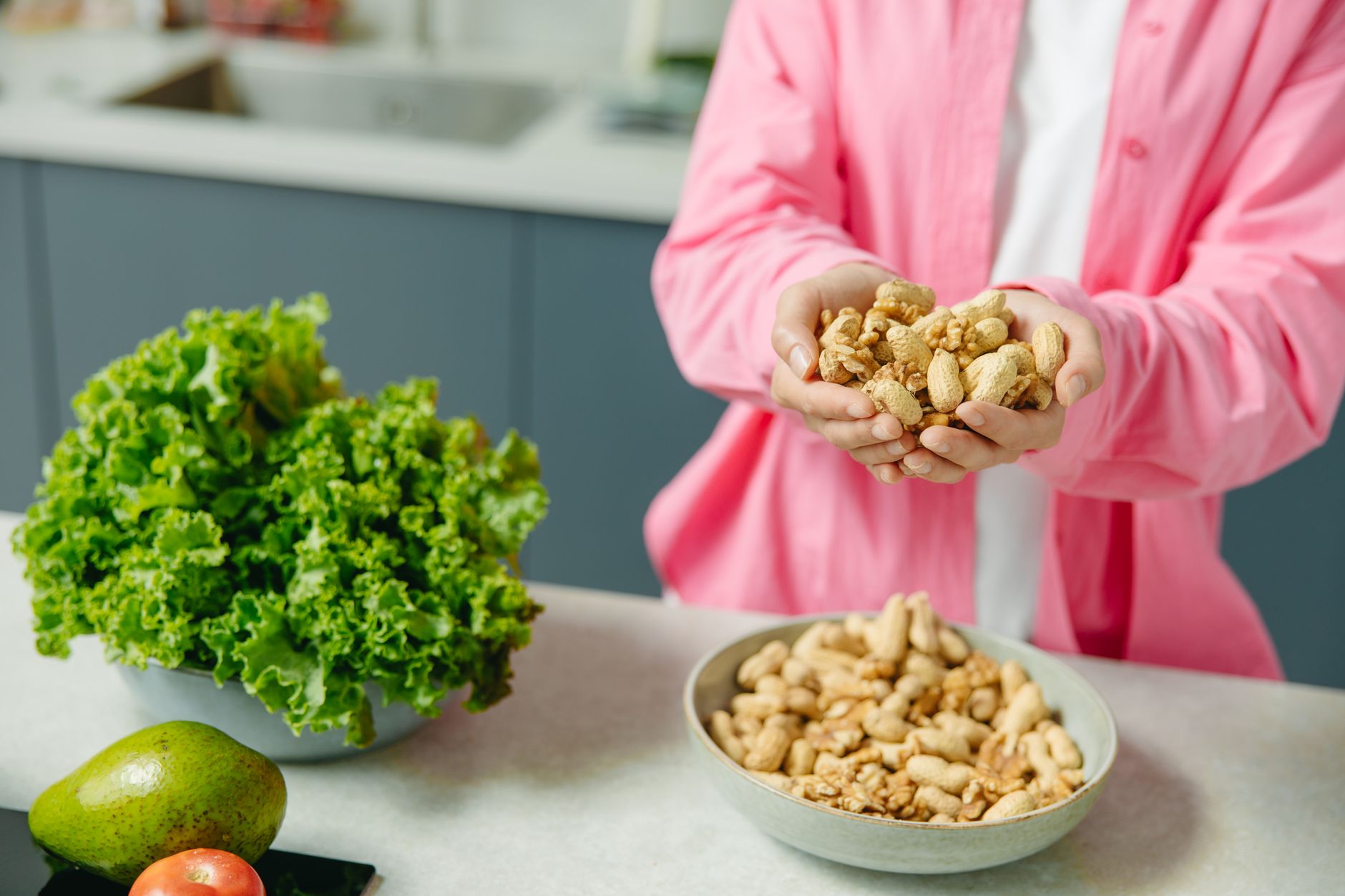
Protein: how much you need, top dietary sources, and calculator tips
Why protein matters. Milk protein supplies essential amino acids that your baby can’t make on its own. It also helps repair the uterine tissue, supports your immune system, and keeps you feeling full between feeds. A shortfall can lead to reduced milk volume and slower healing.
Best food sources. The most protein‑dense options are animal‑based, but plant‑based foods can meet the goal when combined wisely:
- Lean poultry (chicken, turkey) – 30 g per 3‑oz serving
- Eggs – 6 g per large egg
- Greek yogurt – 15 g per cup
- Fish (salmon, sardines) – 22 g per 3‑oz serving
- Tofu – 10 g per ½‑cup
- Lentils – 9 g per ½‑cup cooked
- Quinoa – 8 g per cup cooked
- Almonds – 6 g per ounce (≈23 nuts)
Calculator step‑by‑step. When you open the Breastfeeding Nutrition Calculator, you’ll first enter your current weight (in pounds or kilograms) and your activity level (sedentary, light, moderate, or active). The tool then multiplies your weight by the 1.1 g/kg factor, adjusts for activity, and shows you a daily protein target. If you’re vegetarian, the calculator lets you toggle a “plant‑based” option, which adds a modest 5‑gram bonus to account for slightly lower digestibility of plant proteins.
Practical tip: Aim to include a protein source at every major meal and snack. A typical day might look like Greek yogurt with berries for breakfast (≈15 g), a turkey sandwich with avocado for lunch (≈30 g), a handful of almonds as an afternoon snack (≈6 g), and baked salmon with quinoa for dinner (≈35 g). That adds up to more than 70 g, giving you a buffer for any missed servings.
Distributing protein evenly throughout the day can also improve muscle synthesis and keep you satiated. Research from the Academy of Nutrition and Dietetics suggests that 20‑30 g of protein per meal maximizes the anabolic response, so try not to pack all your protein into one large dinner.
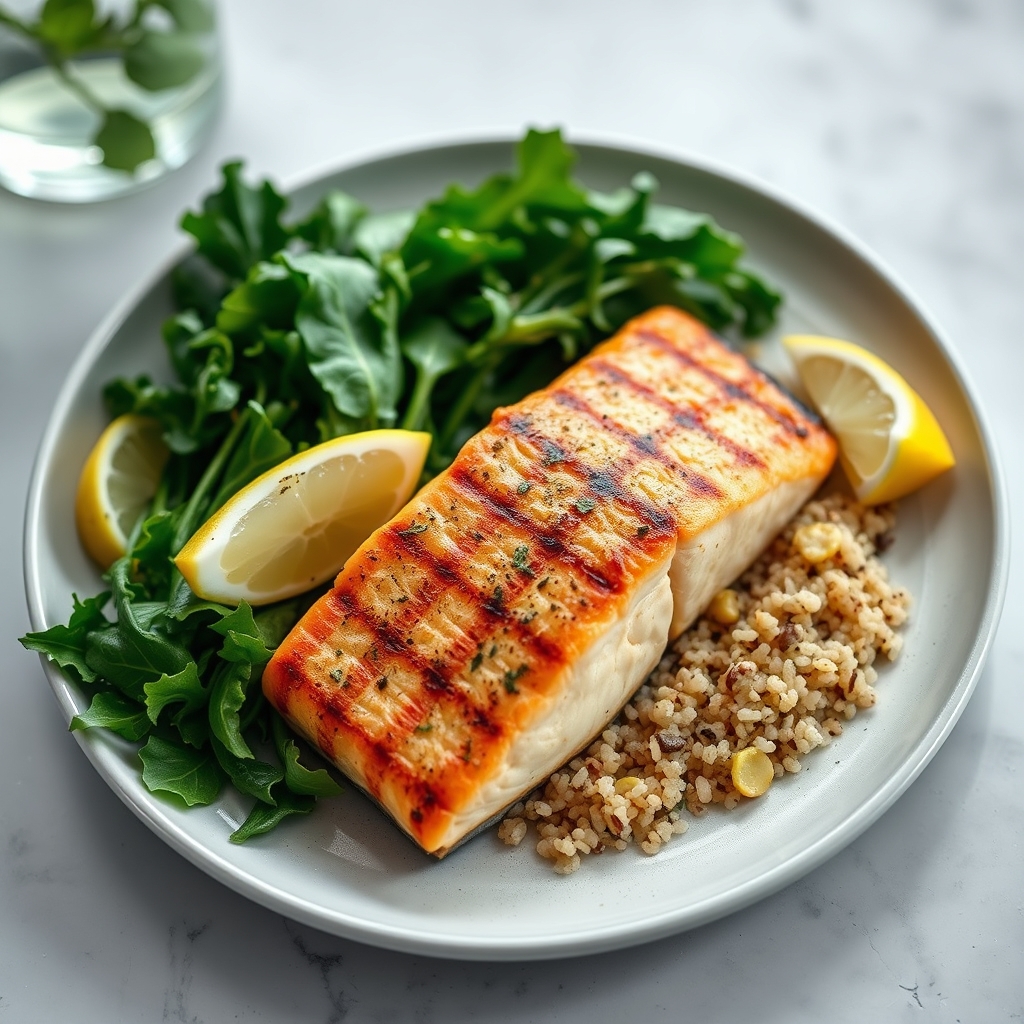
Iron: daily requirements, absorption boosters, and supplement guidance
How much iron? The National Institutes of Health (NIH) and the U.S. Dietary Guidelines set the Recommended Dietary Allowance (RDA) for lactating women at 9 mg per day. This is lower than the 27 mg needed during pregnancy because you’re no longer supporting fetal growth, but you still need enough to replace the iron lost in milk (≈0.5 mg/day) and to maintain your own stores.
Why iron matters. Iron is the core component of hemoglobin, the protein that carries oxygen in your blood. Low iron can cause iron‑deficiency anemia, which presents as fatigue, pale skin, shortness of breath, and in severe cases, reduced milk output. The CDC highlights that up to 30 % of breastfeeding mothers in the U.S. have iron‑deficiency anemia, making adequate intake a public‑health priority.
Best dietary sources. Iron comes in two forms: heme (animal) iron, which is absorbed at 15‑35 %, and non‑heme (plant) iron, absorbed at 2‑20 % unless enhanced. Include both types for maximal uptake:
- Lean beef (cooked) – 2.7 mg per 3‑oz serving
- Chicken liver – 5 mg per 3‑oz serving
- Fortified cereals – 4‑8 mg per serving
- Lentils – 3 mg per ½‑cup cooked
- Spinach – 3 mg per cup cooked
- Pumpkin seeds – 2.5 mg per ounce
- Blackstrap molasses – 3 mg per tablespoon
Boosting absorption. Pair iron‑rich foods with vitamin C (citrus, strawberries, bell peppers) to double non‑heme iron uptake. Avoid drinking tea, coffee, or calcium‑rich dairy within an hour of iron meals, as these inhibit absorption.
Supplementation guidance. If your calculator shows you’re consistently below 9 mg, or if a blood test reveals low ferritin, the ACOG suggests a supplemental iron dose of 30‑60 mg elemental iron per day, taken with vitamin C and separate from calcium. The FDA requires iron supplements to list the elemental amount, so you’ll know exactly how much you’re getting. Always discuss dosage with your provider, especially if you experience constipation or stomach upset.
Typical signs that you may need a supplement include persistent tiredness despite adequate sleep, restless legs, or a noticeable drop in milk volume. A simple ferritin blood test can confirm whether you’re truly iron‑deficient or if another factor (like low B12) is at play.
DHA: why it’s vital, recommended intake, and food sources
How much DHA? The WHO and the American Academy of Pediatrics (AAP) both recommend at least 200 mg of DHA daily for lactating women. This amount ensures that your breast milk contains enough DHA to support your baby’s brain and eye development during the critical first six months.
Why DHA matters. DHA is a structural component of neuronal membranes and the retina. Studies published in the *Journal of Pediatrics* show that infants whose mothers consumed ≥200 mg DHA daily had higher scores on visual acuity tests at 12 months. For mothers, DHA supports mood stability and may reduce postpartum depression risk, according to a systematic review by the National Center for Complementary and Integrative Health (NCCIH).
Top food sources. The richest natural sources are fatty fish, but there are plant options for vegans:
- Wild salmon – 1,200 mg DHA per 3‑oz serving
- Sardines – 1,000 mg DHA per 3‑oz serving
- Mackerel – 1,500 mg DHA per 3‑oz serving
- Eggs fortified with DHA – 200 mg per two‑egg serving
- Algal oil capsules – 300 mg DHA per capsule (vegetarian)
- Walnuts – 45 mg DHA per ounce (contains ALA, which converts modestly)
Calculator tip. When you input your weight and activity level, the calculator also asks whether you eat fish regularly. If you select “yes,” it will suggest 2‑3 servings of fatty fish per week, which comfortably meets the 200 mg target. If you’re vegetarian or prefer to avoid fish, the tool will recommend a daily algal oil supplement of 300 mg DHA.
Cooking method matters: grilling or baking fish preserves DHA better than deep‑frying, which can oxidize omega‑3 fats. If you prefer canned fish, choose those packed in water rather than oil to keep added calories low while retaining the DHA content.
Using the Breastfeeding Nutrition Calculator – step‑by‑step guide
1. Open the tool. Navigate to our online calculator (you’ll find it linked at the end of this article).
2. Enter personal data. Input your current weight, height, and age. The calculator uses a standard weight‑based formula to estimate your basal protein needs.
3. Select activity level. Choose “sedentary,” “lightly active,” “moderately active,” or “very active.” More activity raises protein and iron requirements slightly because of increased muscle turnover.
4. Choose dietary preference. Tick “vegetarian,” “vegan,” or “omnivore.” This adjusts the iron absorption factor (plant‑based diets get a 10 % reduction) and adds a DHA supplement recommendation if you’re not eating fish.
5. Review the results. The calculator will display three numbers: target grams of protein, milligrams of iron, and milligrams of DHA. It also provides a “food bucket” list that shows how many servings of each category you need to hit those targets.
6. Plan your meals. Use the suggested serving counts to build a day’s menu. For example, if the tool says you need 3 oz of fish, 2 cups of iron‑rich vegetables, and 2 servings of protein‑dense legumes, you can slot those into breakfast, lunch, dinner, and snacks.
7. Track your intake. Many free nutrition apps let you log meals and compare them against your targets. Keep an eye on the “gap” column to see where you might need an extra ounce of meat or a DHA supplement.
8. Re‑calculate weekly. Your weight may change as you wean or gain postpartum weight. Updating the calculator every week ensures your targets stay realistic.
For an easy way to estimate total calories alongside these nutrients, try our Breastfeeding Calorie Calculator. Knowing both your energy and micronutrient needs helps you avoid over‑eating while still hitting protein, iron, and DHA goals.
Sample meal plan that meets protein, iron, and DHA targets
Below is a one‑day menu that totals roughly 71 g protein, 9 mg iron, and 200 mg DHA. Feel free to swap similar foods based on taste, budget, or dietary restrictions.
| Meal | Food & Portion | Protein (g) | Iron (mg) | DHA (mg) |
|---|---|---|---|---|
| Breakfast | Greek yogurt (1 cup) + mixed berries + 2 tbsp chia seeds | 15 | 0.5 | 0 |
| Mid‑morning snack | Hard‑boiled egg (1) + orange slices | 6 | 0.8 | 0 |
| Lunch | Grilled chicken breast (3 oz) + spinach salad with bell pepper, lemon‑juice dressing, and 1 tbsp pumpkin seeds | 30 | 3.2 | 0 |
| Afternoon snack | Almonds (1 oz) + a small banana | 6 | 1.0 | 45 |
| Dinner | Baked wild salmon (3 oz) + quinoa (½ cup cooked) + steamed broccoli | 35 | 2.4 | 1,200 |
| Evening snack | Fortified oatmeal (½ cup dry) prepared with milk + 1 tbsp blackstrap molasses | 5 | 1.5 | 0 |
| Total | 97 | 9.9 | 1,245 |
Even though this plan overshoots protein a bit, the extra grams help keep you satiated between feeds. Iron lands just above the 9 mg mark, thanks to the combination of meat, leafy greens, and fortified oatmeal. DHA is well over the 200 mg recommendation because a single salmon serving provides the bulk of the needed amount.
If you’re vegetarian, replace the salmon with a fortified DHA‑algal oil capsule (300 mg) and add a cup of lentils to the dinner plate. Swap chicken for tofu and increase the pumpkin seed serving to keep iron high. The calculator will automatically adjust the numbers for you.
Don’t feel locked into a single day’s menu. The key is variety—rotate different protein sources (e.g., tempeh, lean pork, beans) and iron‑rich vegetables (kale, beet greens) throughout the week to keep meals interesting and nutrient coverage broad.
Practical tips for staying on target
- Batch‑cook protein. Grill a tray of chicken or bake a sheet of tofu on Sunday; portion it into zip‑top bags for quick weekday meals.
- Keep iron‑rich snacks handy. A small container of roasted chickpeas or a piece of fruit with a handful of nuts can boost iron and protein without extra prep.
- Use a “DHA booster.” If you dislike fish, keep a bottle of algal oil capsules in your pantry and take one with breakfast.
- Pair vitamin C. Add a squeeze of lemon to your iron‑rich meals or enjoy a fruit salad after a iron‑heavy dinner.
- Hydrate wisely. Aim for 8‑10 glasses of water daily; proper hydration supports milk synthesis and helps your kidneys process iron supplements.
- Shop smart. Buy frozen fish fillets in bulk, choose canned beans with no added salt, and look for fortified grain products that add iron and DHA without extra cost.
Hydration and electrolytes: supporting milk production
Milk is about 90 % water, so staying well‑hydrated is essential for a steady supply. The Academy of Nutrition and Dietetics recommends lactating women drink at least 2.7 L (about 11 cups) of fluids per day, but individual needs vary based on climate, activity, and breastfeeding frequency.
Electrolytes—especially sodium, potassium, and magnesium—help maintain fluid balance and support muscle function. A glass of low‑sodium vegetable broth, a banana, or a handful of nuts can replenish these minerals without adding excessive sodium, which can cause swelling. If you’re nursing in a hot environment, consider an electrolyte‑enhanced water or a homemade drink with a pinch of sea salt, a splash of citrus, and a drizzle of honey.
Meal planning for the first weeks: batch cooking and freezer meals
The first weeks after birth are chaotic. Having ready‑made meals can reduce stress and keep your nutrient intake on track. Choose recipes that freeze well—think chili with lean turkey, lentil soup, or baked salmon portions. Store them in individual containers, label with the date, and reheat only what you need.
Pre‑portioning snacks also saves time. Portion out servings of Greek yogurt, cut fruit, or trail mix into small containers so you can grab a nutrient‑dense bite while nursing or during nighttime feeds. This strategy aligns with the calculator’s daily targets and prevents you from skipping meals when you’re exhausted.
Understanding supplement labels: what to look for
When you need a supplement, the label can be a maze of numbers. For iron, focus on “elemental iron” – that’s the actual amount your body can absorb. A 65 mg ferrous sulfate tablet might contain only 18 mg elemental iron; the rest is filler.
For DHA, check whether the source is fish oil or algal oil, and verify the EPA (eicosapentaenoic acid) content if you’re also interested in other omega‑3s. Look for “certified sustainable” seals if you care about environmental impact. Finally, ensure the product is third‑party tested for purity, especially for heavy metals like mercury.
From our medical team: “Your nutrient needs while nursing are higher, but they’re also very manageable with everyday foods. Focus on variety—mix lean meats, legumes, leafy greens, and fatty fish (or algae) across the week. If you ever feel unusually tired, dizzy, or notice a change in your milk supply, a quick blood test can rule out iron deficiency, and a short supplement course can get you back on track.”
Myth vs. fact
Myth: You need to double your protein intake because you’re feeding two bodies.
Fact: The protein increase during lactation is modest—about 15 % above baseline, roughly 71 g per day for most women. Over‑eating protein won’t boost milk volume and can add unnecessary calories.
Myth: All iron‑rich foods are equally absorbed.
Fact: Heme iron from meat is absorbed far more efficiently than non‑heme iron from plants. Pairing plant iron with vitamin C dramatically improves uptake, while tea, coffee, and calcium can block absorption.
Myth: DHA is only important for the baby, not the mother.
Fact: DHA supports maternal brain health, mood regulation, and may lower postpartum depression risk. Both mother and baby benefit from adequate DHA in breast milk.
Key takeaways
- Aim for ~71 g protein, 9 mg iron, and 200 mg DHA daily; adjust slightly for activity level.
- Combine animal and plant foods to meet protein and iron goals; pair iron sources with vitamin C for better absorption.
- Include fatty fish (2‑3 servings/week) or algae supplements to reach DHA targets.
- Use the Breastfeeding Nutrition Calculator to personalize your daily targets and keep track of servings.
- If you feel unusually fatigued, have pale skin, or notice a drop in milk supply, talk to your provider about checking iron levels.
- Re‑calculate your needs each week as your weight and activity change, and pair this with the Breastfeeding Calorie Calculator for a complete picture.
Frequently asked questions
What are the protein requirements for breastfeeding mothers?
Most lactating women need about 71 g of protein per day, which is roughly 1.1 g per kilogram of body weight; active moms may need a few grams more.
How much iron should a lactating woman consume daily?
The RDA for iron while nursing is 9 mg per day; this can be met through a mix of meat, fortified grains, legumes, and vitamin C‑rich fruits.
Why is DHA important for breastfeeding babies?
DHA is a key omega‑3 fatty acid that builds the brain and retina; infants whose mothers get ≥200 mg DHA daily tend to show better visual and cognitive scores in the first year.
Can I meet DHA needs through diet alone while nursing?
Yes—eating 2‑3 servings of fatty fish like salmon or sardines each week usually provides the 200 mg DHA target. Vegetarian moms can use algal oil supplements.
What foods are high in iron for breastfeeding moms?
Lean beef, chicken liver, fortified cereals, lentils, spinach, pumpkin seeds, and blackstrap molasses are all excellent iron sources.
How do I calculate my daily nutrient needs while breastfeeding?
Enter your weight, activity level, and dietary preferences into a specialized calculator; it will output personalized protein, iron, and DHA targets and suggest serving counts for each food group.
Is it safe to take iron supplements while breastfeeding?
Yes, when taken at the recommended dose (usually 30‑60 mg elemental iron per day) and with vitamin C, iron supplements are considered safe for nursing mothers. Always discuss the exact product and dose with your provider, especially if you have a history of gastrointestinal issues.
Can I get enough DHA from plant sources alone?
Plant foods provide ALA (alpha‑linolenic acid), which the body converts to DHA at a low rate. To meet the 200 mg DHA goal without fish, most experts recommend an algal oil supplement that delivers DHA directly.
When to call your doctor
If you experience any of the following, contact your provider promptly: persistent fatigue, shortness of breath, dizziness, pale or yellowish skin, rapid heartbeat, hair loss, or a noticeable drop in milk supply. Remember, this article is for general information only and does not replace personalized medical advice.
References
- American College of Obstetricians and Gynecologists (ACOG). “Nutrition During Lactation.” 2023 clinical guidance.
- World Health Organization (WHO). “DHA and EPA intake during pregnancy and lactation.” 2022 recommendation.
- National Institutes of Health (NIH), Office of Dietary Supplements. “Iron Fact Sheet for Health Professionals.” 2023.
- Centers for Disease Control and Prevention (CDC). “Iron Deficiency Anemia in Women of Reproductive Age.” 2022 surveillance report.
- American Academy of Pediatrics (AAP). “Breastfeeding and the Use of Human Milk.” 2022 policy statement.
- National Center for Complementary and Integrative Health (NCCIH). “Omega‑3 Fatty Acids and Postpartum Depression.” 2021 systematic review.
- U.S. Department of Agriculture (USDA). “Dietary Guidelines for Americans, 2020‑2025.” Section on protein and iron for lactating women.
- Food and Drug Administration (FDA). “Labeling Requirements for Iron Supplements.” 2023.
- National Health Service (NHS, UK). “Iron deficiency in pregnancy and lactation.” 2022 patient information.
- Journal of Pediatrics. “Maternal DHA intake and infant visual development.” 2020 study.