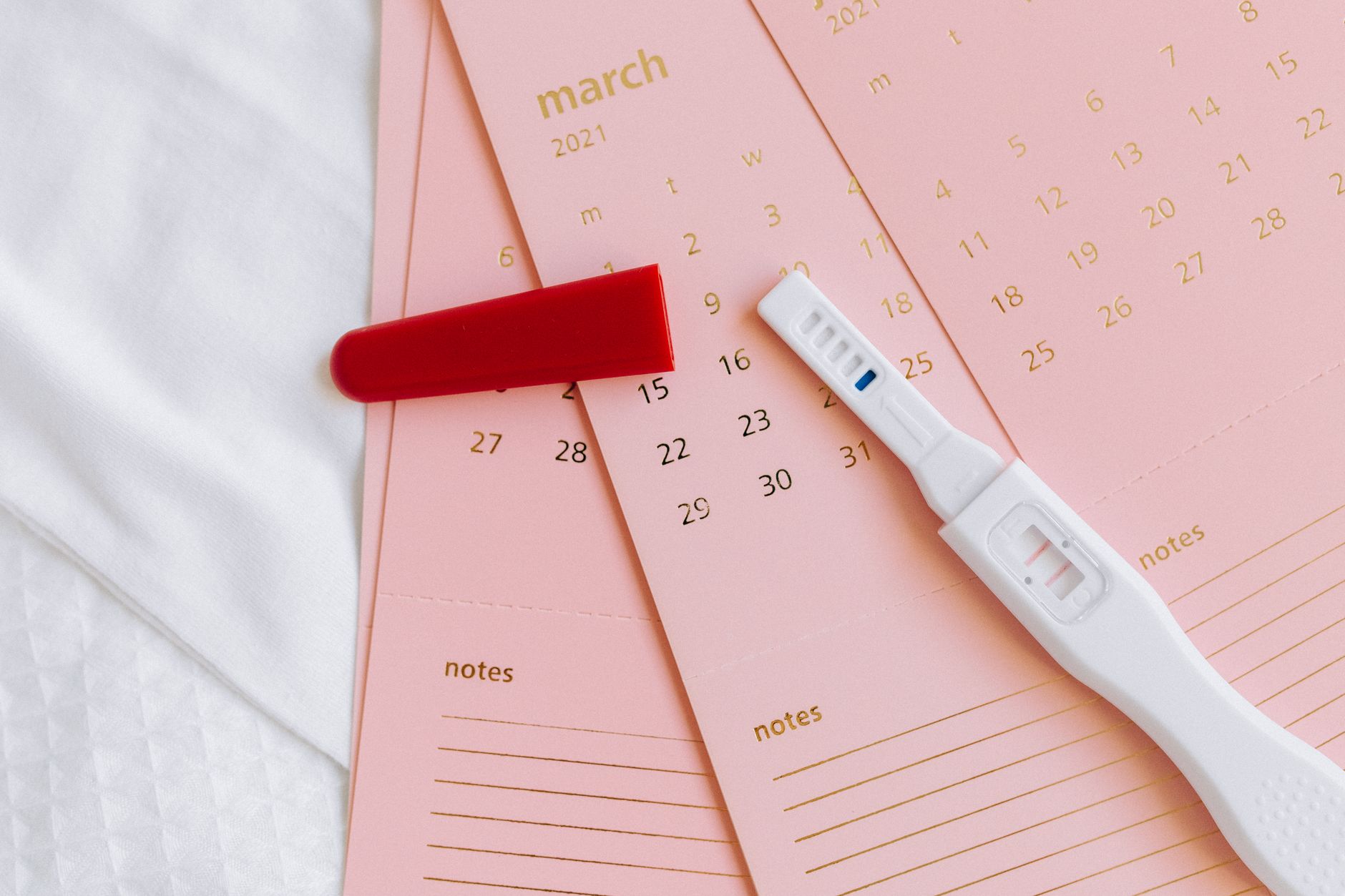
A positive test at 3 weeks pregnant is possible, often indicating 5 weeks gestational age. Discover what's happening in your body, early signs, and next steps after a positive test 3 weeks pregnant.
By Shubhra Mishra — a mom of two who turned her own confusion during pregnancy into BumpBites, a global mission to make food choices clear, safe, and stress-free for every expecting mother. 💛
Check whether any food is safe during pregnancy with the BumpBites Food Safety Checker.
Quick take: Getting a positive pregnancy test at just 3 weeks pregnant (measured from your last menstrual period) is surprisingly early, but it is possible for some women. This means conception likely happened about a week ago, and your body is already producing enough human chorionic gonadotropin (hCG) for a sensitive home test to detect. While exciting, it's also a time for cautious optimism, as early positives can sometimes indicate a chemical pregnancy.
That moment when you stare at a home pregnancy test, heart pounding, waiting for the lines to appear. If you're seeing a positive result and you're only about three weeks into what would be considered a standard pregnancy timeline, you might feel a mix of excitement, disbelief, and a lot of questions. "Is this real? Is it too early? What does this even mean?"
You're not alone in these feelings. Modern pregnancy tests are incredibly sensitive, capable of detecting pregnancy even before you've missed a period. This early detection can bring both reassurance and a new set of worries. At BumpBites, we understand the rollercoaster of emotions this moment can bring. We're here to help you understand what's happening in your body at this incredibly early stage, what your positive test truly means, and what steps you can take next.
Let's dive into the science and the reality of a positive pregnancy test at three weeks, providing you with clear, calm, and evidence-based information to guide you through this special time.
Modern home pregnancy tests are designed to be highly sensitive, detecting pregnancy even before a missed period.
Is it possible to get a positive pregnancy test at 3 weeks?
Yes, it is absolutely possible to get a positive pregnancy test at 3 weeks pregnant, though it's considered very early. The key to understanding this lies in how pregnancy is dated and how pregnancy tests work. Most healthcare providers date pregnancy from the first day of your last menstrual period (LMP). This means that by the time you're "3 weeks pregnant" according to this method, you've actually only been pregnant for about one week since conception, or perhaps even less.
Ovulation typically occurs around week 2 of your cycle. If conception happens shortly after ovulation, the fertilized egg (now called a zygote) begins its journey towards the uterus. Implantation, when the tiny embryo attaches to the uterine wall, usually takes place 6 to 12 days after fertilization, most commonly between 8 to 10 days post-ovulation. It's only *after* successful implantation that your body starts producing the pregnancy hormone, human chorionic gonadotropin (hCG).
Once hCG begins to rise, it can be detected by highly sensitive home pregnancy tests. Some "early detection" tests are designed to pick up very low levels of hCG, sometimes as little as 10-25 mIU/mL. If implantation occurred on the earlier side (around 6-8 days post-ovulation), and your hCG levels are rising rapidly, it's conceivable for a very sensitive test to show a faint positive line around 9-10 days past ovulation, which would align with being approximately 3 weeks and 2 or 3 days pregnant by LMP dating.
For many women, a positive test at this stage means they are testing several days before their expected period. While exciting, it's also why many healthcare professionals recommend waiting until at least the day of your missed period for a more definitive result, as hCG levels will be higher and more easily detectable. However, if you're an early tester and you see those lines, know that it's a real possibility.
Understanding the "3 Weeks Pregnant" Timeline
The term "3 weeks pregnant" can be a bit confusing because there are two main ways to count pregnancy duration:
From Last Menstrual Period (LMP): This is the most common method used by healthcare providers. It calculates your pregnancy from the first day of your last period, even though you weren't technically pregnant during the first two weeks (before ovulation). So, at 3 weeks LMP, you would have ovulated around week 2, and conception would have occurred approximately one week ago.
From Conception (or Post-Ovulation): This method counts from the actual date of fertilization. If you are 3 weeks pregnant from conception, you would be approximately 5 weeks pregnant by the LMP method.
When someone gets a positive pregnancy test at "3 weeks pregnant," they almost always mean 3 weeks calculated from their LMP. This makes the positive test incredibly early, as it means hCG is detectable very soon after implantation. If you're talking about 3 weeks post-conception, you'd be 5 weeks LMP, and a positive test would be very expected and usually quite strong.
It's important to clarify this with your healthcare provider when discussing your timeline, as they will primarily use the LMP dating method to track your pregnancy. For the purpose of this article, when we refer to "3 weeks pregnant," we are using the standard LMP dating.
What does a positive pregnancy test at 3 weeks mean for conception?
A positive pregnancy test at 3 weeks pregnant (LMP) means that conception most likely occurred about one week ago, around week 2 of your cycle. At this incredibly early stage, your body has already completed several vital steps:
Ovulation: An egg was released from your ovary.
Fertilization: A sperm successfully met and fertilized the egg, usually in the fallopian tube. This forms a single-celled zygote.
Journey to the Uterus: The zygote began dividing rapidly, forming a ball of cells called a morula, and then a blastocyst, as it traveled down the fallopian tube towards your uterus.
Implantation: The blastocyst successfully attached itself to the lining of your uterus. This crucial event typically happens 6 to 12 days after fertilization.
The moment implantation occurs, the outer layer of the blastocyst, which will eventually become part of the placenta, begins to produce human chorionic gonadotropin (hCG). This is the hormone that home pregnancy tests detect. So, a positive test at 3 weeks pregnant is a direct indication that implantation has occurred, and your body is now officially "pregnant" from a hormonal standpoint.
In essence, a positive test at this stage confirms that the intricate dance of conception and early development has unfolded successfully. It's a testament to the remarkable biology happening within you, often before you've even had a chance to miss your period.
The Role of hCG Levels at 3 Weeks Pregnant
Human chorionic gonadotropin (hCG) is often called "the pregnancy hormone" because it's uniquely produced during pregnancy. Its primary role is to signal to your body to continue producing progesterone, which is essential for maintaining the uterine lining and supporting the early pregnancy. Without sufficient hCG, your body might not maintain the pregnancy.
At 3 weeks pregnant (LMP), your hCG levels are just starting to rise. They are typically very low at this point, often in the range of 5-50 mIU/mL. For comparison, by the time you're 4 weeks pregnant, levels usually range from 5-426 mIU/mL, and by 5 weeks, they can be 18-7,340 mIU/mL. The exact level isn't as important as the trend: in a healthy early pregnancy, hCG levels are expected to roughly double every 48-72 hours.
Because the levels are so low at 3 weeks, a positive test might appear as a very faint line. This faint line can be nerve-wracking, but it simply reflects the low concentration of hCG. Repeating the test in a day or two, ideally with your first morning urine when hCG is most concentrated, should show a darker line if your pregnancy is progressing well. However, if the line remains faint or disappears, it could indicate a very early miscarriage, often referred to as a chemical pregnancy, which we'll discuss later.
How accurate are home pregnancy tests this early?
Home pregnancy tests have become incredibly sensitive over the years, making it possible to detect pregnancy even before a missed period. However, their accuracy at 3 weeks pregnant (LMP) can vary, and it's important to understand the factors involved.
Most home pregnancy tests claim to be 99% accurate on the day of your missed period. But when you test earlier, that accuracy rate drops. The sensitivity of a test is measured in mIU/mL (milli-international units per milliliter), which indicates the lowest concentration of hCG the test can detect. A test with a sensitivity of 10 mIU/mL is more sensitive than one detecting 25 mIU/mL.
Here's a general idea of how test accuracy can change based on when you test:
Days Before Missed Period
Approximate Accuracy Rate
Consideration for 3 Weeks Pregnant (LMP)
6 days before
~50%
This would be around 3 weeks, 1 day pregnant. Very low chance of detection.
5 days before
~60-70%
Around 3 weeks, 2 days pregnant. Still quite low.
4 days before
~70-80%
Around 3 weeks, 3 days pregnant. Accuracy improves, but still many false negatives.
3 days before
~80-90%
Around 3 weeks, 4 days pregnant. Good chance of detection if implantation was early.
2 days before
~90-95%
Around 3 weeks, 5 days pregnant. Most sensitive tests will pick it up.
1 day before
~95-98%
Around 3 weeks, 6 days pregnant. Very high accuracy with sensitive tests.
Day of missed period
~99%
4 weeks pregnant. Highest accuracy as hCG levels are much higher.
As you can see, testing at 3 weeks pregnant (meaning 1-3 days after implantation) means you're likely in the "4 to 6 days before missed period" window. This is why a positive test at this stage, while possible, isn't guaranteed for everyone, and a negative result doesn't necessarily mean you're not pregnant; it might just be too early for the test to pick up enough hCG.
Factors Affecting Early Test Accuracy
Test Sensitivity: As mentioned, lower mIU/mL ratings mean higher sensitivity. Always check the packaging.
Time of Day: First morning urine is usually the most concentrated, containing the highest levels of hCG. Testing later in the day, especially after drinking a lot of fluids, can dilute your urine and make it harder for the test to detect hCG.
Individual hCG Production: Every woman's body is different, and the rate at which hCG rises can vary slightly. Some women naturally produce hCG faster than others.
Timing of Implantation: Implantation can happen anywhere from 6 to 12 days past ovulation. If implantation occurs later, it takes longer for hCG to build up to detectable levels.
Following Instructions: Always read and follow the test instructions precisely. Leaving the test strip in urine for too long or not long enough, or reading the result outside the recommended time window, can lead to inaccurate results.
If you get a faint line or an early positive at 3 weeks, it's a good idea to retest in 24-48 hours using a new test, ideally with your first morning urine. If the line gets darker, it's a strong indication of a progressing pregnancy. If it disappears or stays very faint, it might warrant a call to your doctor.
What are the early signs and symptoms at 3 weeks pregnant?
At 3 weeks pregnant (LMP), you're still very, very early in the process. Many women experience no symptoms at all at this stage, and it's completely normal to get a positive test without feeling anything different. This is because significant hormonal changes and physical developments are just beginning.
However, some women, especially those who are highly attuned to their bodies or have been trying to conceive, might notice very subtle changes. These early symptoms are often mild and can easily be mistaken for pre-menstrual syndrome (PMS) symptoms, making it hard to differentiate without a pregnancy test.
Common (and Uncommon) Early Symptoms
Light Spotting or Implantation Bleeding: This is one of the most common "early" signs, though it only affects about 15-25% of pregnant women. Implantation bleeding is light spotting, usually pink or brown, that occurs when the fertilized egg burrows into the uterine lining. It typically happens 6-12 days after fertilization, which would fall within your 3rd week of pregnancy (LMP). It's usually much lighter and shorter than a regular period.
Mild Cramping: Along with implantation bleeding, some women report mild uterine cramping around the time of implantation. This can feel similar to light period cramps.
Breast Changes: Your breasts might start to feel tender, swollen, or heavier due to rising hormone levels. The nipples might also become more sensitive.
Fatigue: Even at this early stage, the surge in progesterone can make you feel unusually tired or drained. Your body is working hard to prepare for pregnancy.
Mood Swings: Hormonal fluctuations can lead to heightened emotions, similar to what many women experience before their period.
Increased Sense of Smell: Some women report a sudden sensitivity to certain smells, which might even trigger nausea.
Bloating: Hormonal changes can cause your digestive system to slow down, leading to a feeling of bloating.
Frequent Urination: While more common in later pregnancy, some women notice they're needing to pee more often even at this early stage, as increased blood volume and kidney activity begin.
Nausea (Morning Sickness): True morning sickness, caused by rapidly rising hCG levels, usually doesn't kick in until around 4-6 weeks pregnant. However, a very small number of women might experience very mild nausea or food aversions slightly earlier.
It's crucial to remember that the absence of these symptoms does not mean you're not pregnant, especially at 3 weeks. Many women have healthy pregnancies with very few, if any, symptoms in the first few weeks. Conversely, experiencing these symptoms doesn't automatically mean you're pregnant; they can often be attributed to other factors like your menstrual cycle or stress.
The most reliable indicator at this stage is a positive pregnancy test, followed by confirmation from a healthcare provider. If you have a positive test but no symptoms, take a breath. It's completely normal, and your body is just getting started on its amazing journey.
Many women experience no symptoms at all at 3 weeks pregnant, while others may notice very subtle changes like mild cramping or breast tenderness.
What's happening inside your body at 3 weeks pregnant?
At 3 weeks pregnant (LMP), your body is undergoing some of the most profound and rapid changes, even though you might not feel much on the outside. This is a week of incredible cellular division and the very beginning of the journey towards forming a human being.
Let's track the amazing sequence of events:
Day 14-15 (approx.): Ovulation & Fertilization: Around the middle of your menstrual cycle (assuming a 28-day cycle), an egg is released from your ovary. If sperm are present, fertilization usually occurs in the fallopian tube within 12-24 hours. The fertilized egg is now a single-celled zygote, containing a complete set of 46 chromosomes (23 from each parent).
Day 16-19 (approx.): Rapid Cell Division & Journey: The zygote immediately begins to divide, first into 2 cells, then 4, then 8, and so on. This process is called cleavage. As it divides, it travels down the fallopian tube towards the uterus. By about day 3-4 after fertilization, it forms a solid ball of cells called a morula. By day 5, it develops into a blastocyst, which is a hollow ball of about 70-100 cells with an inner cell mass (which will become the embryo) and an outer layer (the trophoblast, which will form part of the placenta).
Day 20-26 (approx.): Implantation: This is the most critical event of the 3rd week (LMP). The blastocyst reaches the uterus and, around 6-12 days post-fertilization (most commonly 8-10 days), it "hatches" from its protective shell and burrows into the rich, blood-filled lining of the uterine wall. This process is called implantation. It's during implantation that the outer cells of the blastocyst (the trophoblast) begin to produce human chorionic gonadotropin (hCG).
So, if you get a positive pregnancy test at 3 weeks pregnant, it means implantation has occurred, and your hCG levels are just beginning to rise enough for a sensitive test to detect. The inner cell mass of the blastocyst is now officially an embryo, though it's still microscopic, about the size of a poppy seed. It's not yet recognizable as a baby, but the blueprint for one is firmly established.
The Start of Hormone Production and Support
Beyond hCG, implantation also triggers a cascade of other hormonal changes crucial for sustaining the pregnancy:
Progesterone: While hCG signals the corpus luteum (the remnant of the follicle that released the egg) to continue producing progesterone, this hormone is vital. Progesterone helps maintain the uterine lining, preventing it from shedding (which would be your period), and creates a nourishing environment for the developing embryo.
Estrogen: Levels of estrogen also begin to rise, contributing to the thickening of the uterine lining and supporting early embryonic development.
Essentially, at 3 weeks pregnant, your body is a bustling hub of microscopic activity. Cells are dividing, hormones are signaling, and the foundation for a healthy pregnancy is being laid. It's a truly miraculous time, often unseen and unfelt, but immensely significant.
What should I do after a positive test at 3 weeks?
Getting a positive pregnancy test, especially so early, is a monumental moment! Take a deep breath and allow yourself to feel whatever emotions come up. Then, it's time to take some practical steps to confirm your pregnancy and start your journey towards a healthy nine months.
1. Confirm the Positive Test
Retest in 24-48 Hours: If your first test was very faint, or if you just want extra reassurance, take another home pregnancy test in a day or two. Use your first morning urine, as it's the most concentrated. A darker line indicates rising hCG and a progressing pregnancy.
Schedule a Doctor's Appointment: Contact your primary care physician, OB/GYN, or midwife's office to inform them of your positive test. They will guide you on the next steps. Some providers might want to see you right away for a blood test to confirm pregnancy and measure hCG levels, while others might advise you to wait until you're around 8 weeks pregnant for your first prenatal appointment.
2. Start (or Continue) Healthy Lifestyle Changes
This is a critical time to prioritize your health, even before your first doctor's appointment. Many of these recommendations are good for anyone trying to conceive or in early pregnancy.
Begin Taking a Prenatal Vitamin: If you're not already, start taking a prenatal vitamin daily that contains at least 400 micrograms (mcg) of folic acid. Folic acid is crucial for preventing neural tube defects (serious birth defects of the brain and spine) and is most effective when taken *before* and during early pregnancy. The CDC and ACOG recommend starting folic acid at least one month before conception if possible.
Review Medications: Make a list of all prescription and over-the-counter medications, supplements, and herbal remedies you are currently taking. Discuss these with your doctor as soon as possible, as some may not be safe during pregnancy. Do not stop any prescription medications without consulting your doctor first.
Avoid Alcohol and Recreational Drugs: There is no known safe amount of alcohol or recreational drugs during pregnancy. It's best to abstain completely from the moment you suspect you might be pregnant.
Limit Caffeine: Most guidelines suggest limiting caffeine intake to no more than 200 mg per day (roughly one 12-ounce cup of coffee).
Quit Smoking: If you smoke, now is a critical time to quit. Smoking during pregnancy is linked to numerous risks, including miscarriage, premature birth, and low birth weight. Seek support from your doctor if you need help.
Eat a Healthy Diet: Focus on a balanced diet rich in fruits, vegetables, lean proteins, and whole grains. Avoid certain foods known to be risky in pregnancy, such as unpasteurized dairy, raw or undercooked meat/fish/eggs, deli meats (unless heated until steaming), and high-mercury fish.
Stay Hydrated: Drink plenty of water throughout the day.
Gentle Exercise: Continue with moderate exercise if you were already active, but avoid new strenuous routines or activities with a high risk of falling. Always discuss your exercise plan with your doctor.
3. Manage Your Emotions
An early positive can bring a whirlwind of emotions. It's okay to feel excited, nervous, overwhelmed, or even a little scared. Talk to your partner, a trusted friend, or family member if you feel comfortable sharing the news. If you prefer to keep it private for now, that's perfectly fine too. Focus on self-care, rest when you need to, and prepare for the next steps.
Many moms tell us the same thing: "I was so excited, but also terrified that something would go wrong because it was so early." It's a completely normal reaction. While it's natural to worry, try to focus on the positive steps you can take now, knowing that your body is already working hard to nurture this new life.
Can a positive test at 3 weeks be a false positive or chemical pregnancy?
When you get a positive pregnancy test at 3 weeks, it's natural to wonder about its reliability, especially if the line is faint. While a true false positive is rare, there are specific circumstances that can lead to a positive result that doesn't turn into a viable pregnancy. These primarily include chemical pregnancies and, less commonly, other factors.
Chemical Pregnancy: A Common Early Loss
A chemical pregnancy is a very early miscarriage that occurs shortly after implantation. It's called "chemical" because the pregnancy is only detected by the presence of hCG in your blood or urine (the "chemical" signal), but it never progresses to the point where a gestational sac or embryo can be seen on an ultrasound (usually around 5-6 weeks). Essentially, the fertilized egg implants and starts producing hCG, but then stops developing very soon after.
Why they happen: Chemical pregnancies are very common, accounting for 50-75% of all miscarriages. They are often due to chromosomal abnormalities in the embryo, meaning the embryo simply wasn't viable. They can also be caused by issues with implantation or uterine lining problems.
What it means for a 3-week positive: Because home pregnancy tests are so sensitive now, they can pick up the low levels of hCG produced during a chemical pregnancy. If you test positive at 3 weeks and then test again a few days later only to find the line fainter or completely gone, or if you get your period shortly after, it's very likely you've experienced a chemical pregnancy. Many women who don't test early might never even know they had one, simply thinking their period was a few days late or heavier than usual.
It can be emotionally challenging to experience a chemical pregnancy, especially if you had already started to feel hopeful. Remember that it's not your fault, and it doesn't usually affect your ability to conceive and carry a healthy pregnancy in the future. If you experience one, your doctor can offer support and guidance.
True False Positives (Very Rare)
A true false positive, where a pregnancy test indicates pregnancy but you are not actually pregnant, is extremely rare. When it does occur, it's usually due to specific circumstances:
Fertility Medications: Some fertility treatments involve hCG injections (e.g., Ovidrel, Pregnyl) to trigger ovulation. If you take a pregnancy test too soon after one of these injections, the test can pick up the residual hCG from the medication, leading to a false positive.
Evaporation Lines: Sometimes, after the recommended reading time, a faint, colorless line might appear on a test strip as the urine evaporates. This is not a positive result and can be mistaken for one. Always read the test within the time frame specified in the instructions.
Certain Medical Conditions: Very rarely, certain medical conditions like ovarian cysts, pituitary disorders, or certain types of cancer can produce hCG, leading to a false positive.
User Error: Not following the test instructions precisely can sometimes lead to an inaccurate result.
If you're concerned about a false positive, especially if you're not on fertility medications, the best course of action is to retest in a couple of days or consult your doctor for a blood test, which is more accurate and can quantify your hCG levels.
Faint Line Positive Pregnancy Test at 3 Weeks
A faint line on a pregnancy test at 3 weeks is very common and usually just means your hCG levels are still quite low because it's so early. It's not necessarily a cause for alarm, but it does warrant watchful waiting. Here's what a faint line usually indicates:
Early Pregnancy: Most often, it's simply detecting the very first detectable amounts of hCG.
Diluted Urine: If you drank a lot of fluids before testing, your urine might be diluted, making the line fainter.
Test Sensitivity: The specific test you used might not be as sensitive as others, or your individual hCG levels are just below the optimal detection threshold for that test.
The best advice for a faint line is to retest in 48 hours. If the line gets darker, it's a good sign of a progressing pregnancy. If it remains faint or disappears, then consider contacting your doctor to discuss the possibility of a chemical pregnancy or other factors.
From our medical team: "An early positive pregnancy test at 3 weeks can be a rollercoaster of emotions. While it's exciting, it's also important to remember that very early detection can sometimes pick up a chemical pregnancy, which is a common and natural early loss. Don't hesitate to reach out to your provider for guidance. We're here to support you through all the 'what ifs' and help you navigate the first steps of this journey, no matter how it unfolds."
Myth vs. Fact
Let's clear up some common misconceptions about early pregnancy tests and the 3-week mark.
Myth: A faint line means you're barely pregnant and it might not stick.
Fact: A faint line simply means your hCG levels are low, which is expected at 3 weeks pregnant. It doesn't predict the viability of the pregnancy. Many healthy pregnancies start with a faint line that darkens over time. What matters is that the line gets progressively darker over a couple of days, indicating rising hCG levels.
Myth: If you don't have symptoms at 3 weeks, you're not really pregnant or something is wrong.
Fact: It's completely normal to have no symptoms at 3 weeks pregnant. Significant pregnancy symptoms like nausea, extreme fatigue, or frequent urination often don't kick in until 4-6 weeks (or even later for some). The absence of symptoms is not an indicator of a problem at this very early stage.
Myth: You can't get a positive test until after your missed period.
Fact: Modern highly sensitive home pregnancy tests can detect hCG several days before a missed period. While the accuracy is higher closer to or on the day of your missed period, it is definitely possible to get a positive result as early as 3 weeks pregnant (LMP) if implantation occurred early and your hCG levels are rising quickly.
When should I contact my doctor after an early positive test?
After receiving an early positive pregnancy test, your next step is usually to contact your healthcare provider. The timing of your first in-person appointment can vary depending on their practice and your medical history. Some clinics prefer to see you around 8 weeks LMP, while others might want to see you sooner, especially if you have certain risk factors or concerns.
However, there are specific situations where you should definitely contact your doctor or midwife sooner, even immediately after an early positive test:
Call Your Doctor Now If You Experience
Significant Bleeding: While light spotting (implantation bleeding) can be normal, heavy bleeding, especially if it's bright red and soaking through pads, or accompanied by clots, should be reported to your doctor immediately.
Severe Abdominal Pain or Cramping: Mild cramping is common, but severe, one-sided, or persistent abdominal pain could be a sign of an ectopic pregnancy (where the embryo implants outside the uterus, usually in the fallopian tube), which is a medical emergency.
Dizziness or Fainting: These symptoms, especially when combined with pain or bleeding, require urgent medical attention.
Known Risk Factors: If you have a history of ectopic pregnancy, recurrent miscarriages, or other medical conditions that could complicate early pregnancy, your doctor may want to monitor you more closely from the start.
Concerns about Medications: If you are taking any prescription medications, especially for chronic conditions, it's important to discuss their safety in pregnancy with your doctor right away.
Persistent Faint Lines or Negative Tests After an Initial Positive: If your pregnancy tests are not getting darker over 48 hours, or if they turn negative after an initial positive, it could indicate a chemical pregnancy or very early miscarriage. While often not a medical emergency, your doctor can provide emotional support and medical advice.
General Guidance for Contacting Your Provider
Even if you don't have any alarming symptoms, it's a good idea to call your doctor's office within a few days of your positive test. They can advise you on:
Confirming Pregnancy: They might order a blood test to measure your hCG levels and confirm the pregnancy.
Prenatal Vitamins: They can ensure you're on the right prenatal vitamin, especially regarding folic acid.
Medication Review: They will review all your current medications and supplements for pregnancy safety.
Lifestyle Advice: They can offer personalized advice on diet, exercise, and avoiding harmful substances.
Scheduling Your First Prenatal Appointment: They will typically schedule your first comprehensive prenatal visit, which usually includes a physical exam, blood work, and discussing your medical history, often around 8-10 weeks of pregnancy.
Remember, this article is for informational purposes only and is not a substitute for professional medical advice. Always consult with your healthcare provider for any questions or concerns about your individual health and pregnancy.
Key takeaways
Getting a positive pregnancy test at 3 weeks pregnant (LMP) is early but possible, especially with sensitive tests and early implantation.
At 3 weeks pregnant, conception occurred about a week ago, and implantation has just taken place, triggering hCG production.
A positive test confirms your body is producing hCG, but very early detection can sometimes reveal a chemical pregnancy.
Many women experience no symptoms at all at 3 weeks; subtle signs like light spotting or mild cramping can occur but are not universal.
Start taking a prenatal vitamin with folic acid immediately, and review all medications and lifestyle choices with your doctor.
Contact your healthcare provider to confirm your pregnancy and discuss next steps; call immediately if you experience severe pain or heavy bleeding.
Frequently asked questions
Is 3 weeks too early to test positive for pregnancy?
While 3 weeks pregnant (LMP) is very early, it's not too early for some highly sensitive home pregnancy tests to detect hCG. These tests can pick up the hormone just a few days after implantation, which typically occurs around 6-12 days after fertilization. Many women do get a positive result at this stage, often before a missed period.
What are the signs of being 3 weeks pregnant?
Most women experience no noticeable signs or symptoms at 3 weeks pregnant. However, some might notice very subtle changes such as light spotting (implantation bleeding), mild cramping, slightly tender breasts, or increased fatigue. These symptoms are often mild and can be easily mistaken for pre-menstrual syndrome (PMS) symptoms.
How accurate is a pregnancy test at 3 weeks past ovulation?
If you are 3 weeks past ovulation, you would be approximately 5 weeks pregnant by the standard LMP dating. At this stage, home pregnancy tests are highly accurate, often 99% or more. Your hCG levels would be significantly higher than at 3 weeks LMP, making a clear positive result very likely.
Can you be 3 weeks pregnant and not know?
Yes, it's very common to be 3 weeks pregnant (LMP) and not know, especially if you haven't taken an early pregnancy test. Many women don't experience any symptoms at this stage, and their period isn't even due yet. The first indication for many is a missed period or symptoms that appear later.
What is the earliest you can get a positive pregnancy test?
The earliest you can typically get a positive pregnancy test is around 8-10 days past ovulation (DPO), which corresponds to roughly 3 weeks and 2-4 days pregnant by LMP dating. This requires a very sensitive test and early implantation. Most tests recommend waiting until at least 12-14 DPO (around the day of your missed period) for higher accuracy.
What happens at 3 weeks pregnant after conception?
If you're 3 weeks pregnant *after conception* (meaning 5 weeks LMP), a lot has happened! The embryo is rapidly developing, forming three distinct layers that will become all the organs and tissues. You might also be experiencing more pronounced pregnancy symptoms like nausea, fatigue, and breast tenderness, and a home pregnancy test would show a strong positive line.
When to call your doctor
While many early pregnancy signs are normal, certain symptoms warrant immediate medical attention. Call your doctor or midwife right away if you experience:
Heavy vaginal bleeding (more than typical spotting, soaking through a pad, or with clots).
Severe, persistent abdominal pain or cramping, especially if it's localized to one side.
Dizziness, lightheadedness, or fainting.
Sudden, sharp shoulder pain (which can be a sign of internal bleeding from an ectopic pregnancy).
A positive pregnancy test followed by negative tests or a period-like bleed, especially if you have concerns.
Remember, this information is for educational purposes only and should not replace personalized medical advice from your healthcare provider. Always consult with your doctor or midwife for any health concerns or before making any decisions about your pregnancy care.
References
American College of Obstetricians and Gynecologists (ACOG). Early Pregnancy Loss.
When Shubhra Mishra was expecting her first child in 2016, she was overwhelmed by conflicting food advice — one site said yes, another said never. By the time her second baby arrived in 2019, she realized millions of mothers face the same confusion.
That sparked a five-year journey through clinical nutrition papers, cultural diets, and expert conversations — all leading to BumpBites: a calm, compassionate space where science meets everyday motherhood.
Her long-term vision is to build a global community ensuring safe, supported, and free deliveriesfor every mother — because no woman should face pregnancy alone or uninformed. 🌿
🌍 Stand with mothers, shape safer guidance
Join a small circle of experts who review BumpBites articles so expecting parents everywhere can decide with confidence.