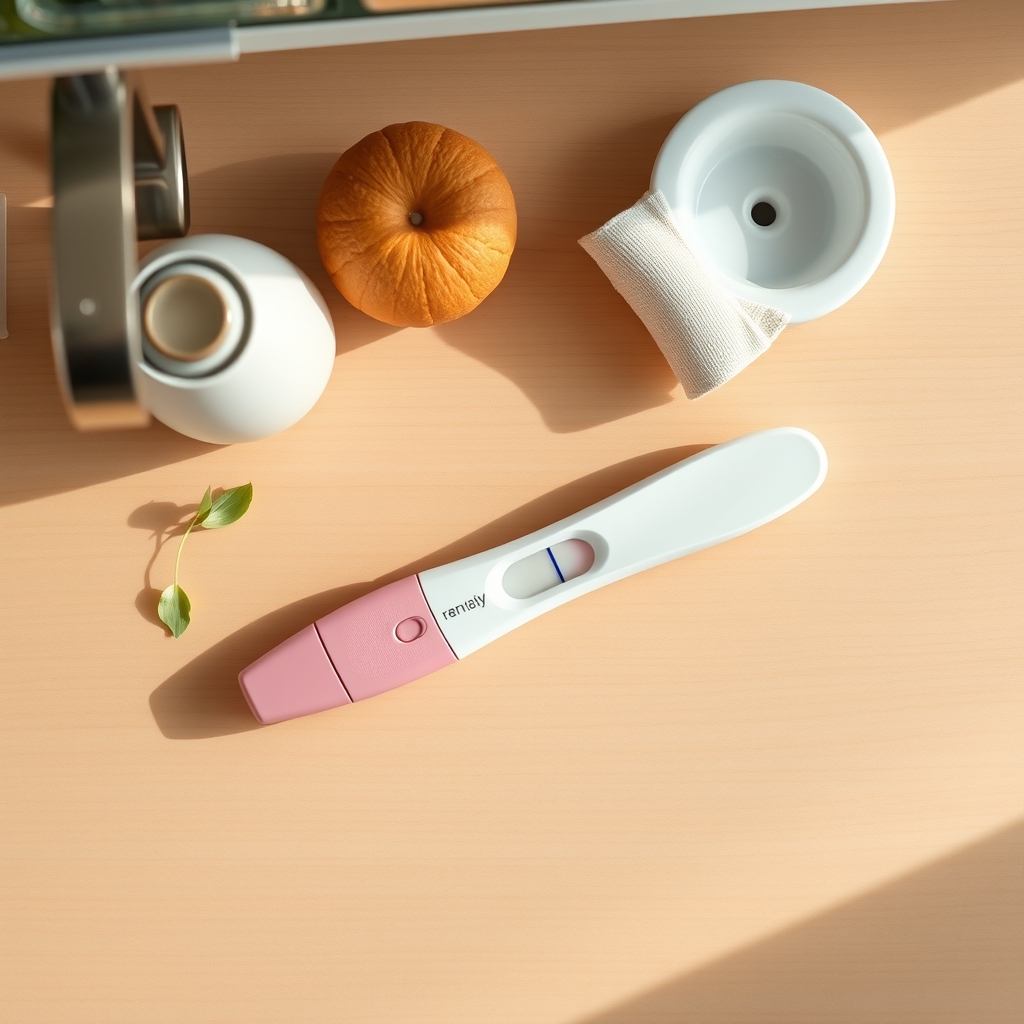
If your pregnancy test is positive, confirm the result, schedule a prenatal appointment, and start caring for yourself and your baby. Discover the essential steps to take right after a positive pregnancy test.
By Shubhra Mishra — a mom of two who turned her own confusion during pregnancy into BumpBites, a global mission to make food choices clear, safe, and stress-free for every expecting mother. 💛
Check whether any food is safe during pregnancy with the BumpBites Food Safety Checker.
Quick take: A positive pregnancy test means you’re likely pregnant, but confirming it and getting early care are the next essential steps. Schedule your first prenatal visit within the next week, start a prenatal vitamin, and make gentle lifestyle tweaks while you adjust emotionally. If anything feels off—persistent bleeding, severe pain, or unusual symptoms—reach out to your healthcare provider right away.
It’s 2 a.m., you’ve just taken a home pregnancy test, and the second line appears pink. Your heart races, thoughts tumble, and you’re scrolling for answers that actually make sense. You’re not alone—millions of people wake up to the same moment of excitement mixed with uncertainty. The good news is that a positive test is usually a reliable sign that pregnancy has begun, and there are clear, step‑by‑step actions you can take to protect your health and your baby’s development.
In this guide we’ll walk you through everything that follows a positive result: confirming the test, booking your first prenatal appointment, starting prenatal vitamins, what early symptoms look like, lifestyle tweaks, and how to handle the emotional side of the news. We’ll also answer common “what‑if” questions—like whether a faint line means you’re pregnant, if stress can cause a false positive, and what over‑the‑counter meds are safe.
By the end of this article you’ll have a concrete plan, a list of resources, and the confidence to move forward—whether you’re ready for a baby or still figuring things out.
Seeing that second pink line can feel life‑changing—here’s how to turn that moment into a plan.
What are the next steps after a positive pregnancy test?
First, breathe. A positive result is a cue to start caring for a new life, but you don’t need to overhaul everything overnight. The immediate actions are simple and can be done in the next few days:
Confirm the result. Most home tests are >99% accurate when used correctly after a missed period.
Schedule a prenatal appointment. Aim for within 7–10 days of the positive test.
Begin prenatal vitamins. Choose a formula with 400–800 µg of folic acid.
Adjust lifestyle basics. Hydrate, eat balanced meals, and avoid smoking or heavy alcohol.
These steps form the foundation of a healthy first trimester. If you have a chronic condition (e.g., diabetes, hypertension) or take prescription medication, contact your provider sooner to discuss any needed adjustments.
While you’re planning, it can be helpful to jot down the date of your last menstrual period (LMP) and any symptoms you’ve noticed—cramping, breast tenderness, or mild nausea. This information speeds up the initial prenatal visit and helps your provider estimate your gestational age.
How soon should I schedule my first prenatal appointment after a positive test?
Most obstetric guidelines, including those from the American College of Obstetricians and Gynecologists (ACOG) and the UK's NHS, recommend seeing a healthcare professional within the first 2 weeks of a positive test. An early visit allows you to confirm the pregnancy with a blood test (quantitative hCG) and set the stage for appropriate prenatal care.
Here’s a quick timeline:
Day 0–2: Take a second test if you want extra reassurance (see section below).
Day 3–7: Call your OB‑GYN, midwife, or family doctor to book an appointment.
Day 8–10: Attend your first prenatal visit. Expect a physical exam, blood work, and an ultrasound if needed.
Many clinics have a “new‑patient” slot that opens within a week, especially for patients with a confirmed positive test. If you’re covered by insurance, check whether you need a referral before booking; otherwise, you can often self‑schedule.
Below is a comparison of typical costs for a first prenatal visit in the United States and the United Kingdom (prices vary by location and insurance coverage).
Region
Average cost (USD)
Typical insurance coverage
Notes
United States – Private insurance
$150–$250
80% ± 10% covered
Copay varies by plan
United States – Uninsured
$200–$400
None
Many clinics offer sliding‑scale fees
United Kingdom – NHS
£0 (free)
Fully funded
Appointment may be booked through GP
Canada – Provincial health
CAD 0–$30
Publicly funded
Some provinces charge modest fees
Regardless of cost, early prenatal care is linked to better outcomes—including lower risk of preeclampsia and preterm birth—so prioritize the appointment even if you need to explore payment options.
What symptoms should I expect in early pregnancy after a positive test?
Early pregnancy symptoms can be subtle or dramatic, and they vary from person to person. The most common signs in the first trimester include:
Breast changes: Tenderness, swelling, and darker areolas.
Nausea or “morning sickness”: Affects up to 70% of pregnant people, often starting around weeks 5–6.
Fatigue: Hormonal shifts (especially progesterone) can make you feel unusually tired.
Frequent urination: The growing uterus puts pressure on the bladder.
Spotting or light bleeding: Light pink or brown spotting can occur in 20–30% of pregnancies, usually harmless but worth mentioning to your provider.
Some people also notice mild cramping similar to menstrual cramps, especially when the embryo implants. If cramping becomes severe or is accompanied by heavy bleeding, contact your provider immediately.
It’s normal to wonder if a faint line on a test means you’re pregnant. A faint pink line can still indicate a positive result, especially if the test was taken early (as soon as 7–10 days after conception). The intensity of the line does not correlate with how far along you are; it simply reflects the amount of hCG hormone in your urine. If the line is very faint and you’re unsure, repeat the test in 24–48 hours or ask your provider for a serum hCG measurement.
Should I take a second pregnancy test to confirm a positive result?
Taking a second test is a common way to quell lingering doubts. Home tests are designed for a single use, but using a fresh test after a day or two can give you a clearer picture—especially if the first line was faint.
Here’s when a repeat test is most useful:
Early testing: If you tested before a missed period, a second test after a few days can confirm rising hCG levels.
Unclear line: A faint or half‑visible line may be hard to interpret; a second test can provide a darker, more definitive result.
Medication concerns: Certain fertility drugs or hormonal birth control can cause lingering hCG that leads to a false positive; a repeat test after a week helps differentiate.
Most clinicians advise waiting at least 48 hours before retesting, as hCG doubles roughly every 48 hours in early pregnancy. If the second test is also positive, you can feel confident moving forward with prenatal care.
How to tell if a positive pregnancy test is accurate?
Accuracy hinges on three factors: timing, proper use, and the test’s sensitivity. Here’s a quick checklist to assess reliability:
Timing: The test should be taken after a missed period (about 14 days after ovulation). Some high‑sensitivity tests can detect hCG as early as 7 days post‑ovulation, but false negatives are more common then.
Sample collection: Use first‑morning urine for the strongest hormone concentration. Follow the kit instructions precisely—no extra drops, no prolonged waiting.
Expiration date: Expired tests can give inaccurate results.
Stress alone does not cause a false positive. However, certain medical conditions—like trophoblastic disease, ovarian cysts that produce hCG, or recent miscarriage—can result in a positive test even if you’re not currently pregnant. If you have any of these conditions, a serum hCG test and an ultrasound are the most reliable confirmatory methods.
In rare cases, birth control pills can affect hCG detection, but they usually do not cause a false positive. If you’re on hormonal contraception and suspect a pregnancy, a blood test is the safest way to confirm.
What lifestyle changes to make after a positive pregnancy test?
Making gentle, evidence‑based adjustments now can set the stage for a healthier pregnancy. Below are the key areas to address.
Nutrition and foods to avoid in the first trimester
Focus on a balanced diet rich in whole grains, lean proteins, fruits, vegetables, and healthy fats. Limit or avoid:
Raw or undercooked seafood (e.g., sushi, oysters) that may contain listeria or parasites.
Unpasteurized dairy and soft cheeses such as brie, feta, or queso fresco—risk of listeriosis.
High‑mercury fish like shark, swordfish, king mackerel, and tilefish.
Alcohol—no safe level has been established for fetal development.
Caffeine—limit to ≤200 mg per day (about one 12‑oz coffee).
Instead, incorporate folate‑rich foods (leafy greens, lentils, fortified cereals) and iron‑rich options (lean red meat, beans, fortified breads) to support early organ formation.
Exercise guidelines
Regular, moderate‑intensity activity—like brisk walking, swimming, or prenatal yoga—is encouraged once you’ve confirmed the pregnancy. The ACOG advises that most pregnant people can continue their pre‑pregnancy exercise routine, provided there are no complications.
Start exercising after the first prenatal visit, typically around week 8–10. Avoid high‑impact sports with a risk of falling (e.g., horseback riding, contact sports) and any activity that raises core temperature above 102 °F (38.9 °C) for prolonged periods.
Safe over‑the‑counter (OTC) medications
Many common OTC meds are considered low‑risk in early pregnancy, but always check with your provider before starting any new product. Generally safe options include:
Acetaminophen (Tylenol) for mild pain or fever—use the lowest effective dose.
Antacids containing calcium carbonate (Tums) or magnesium hydroxide (Mylanta) for heartburn.
Antihistamines like loratadine (Claritin) for allergies—avoid diphenhydramine unless prescribed.
Avoid ibuprofen, naproxen, aspirin (especially in the third trimester), and any medication containing pseudoephedrine without medical guidance, as they can affect fetal development or uterine blood flow.
Substance avoidance
Smoking, vaping, and recreational drug use should be stopped immediately. Even occasional exposure to nicotine can reduce oxygen delivery to the placenta. If you need help quitting, ask your provider about nicotine‑replacement therapy or counseling resources.
Emotional well‑being and support
A positive test can trigger a swirl of emotions—from joy to anxiety, especially if you weren’t planning a pregnancy. Here are practical steps to nurture your mental health:
Share the news with a trusted friend or partner when you feel ready.
Consider joining a local or online pregnancy support group; hearing others’ stories can normalize your feelings.
Set aside 5–10 minutes each day for a calming practice—deep breathing, meditation, or gentle stretching.
If anxiety feels overwhelming, ask your provider about counseling options or a referral to a perinatal mental‑health specialist.
One reader told us she felt a rush of panic after a positive test because she was still in school. She started keeping a small notebook of “what I’m feeling today” and scheduled a quick telehealth chat with her OB‑GYN, which helped her process the news and plan her next steps.
Choosing nutrient‑dense meals supports both you and your developing baby.
When should I start taking prenatal vitamins after a positive test?
Ideally, you should begin prenatal vitamins as soon as you suspect pregnancy—many people start after a missed period. If you’ve already taken a multivitamin with at least 400 µg of folic acid, you’re on the right track. Once you confirm the pregnancy, switch to a dedicated prenatal formula that includes:
If you’re unable to take a pill due to nausea, chewable or liquid prenatal vitamins are effective alternatives. The key is consistency—take the vitamin at the same time each day to build a habit.
For those who started a prenatal vitamin late (after the first trimester), it’s still beneficial. While the early window for folic acid is most critical, continued supplementation supports fetal growth and maternal health throughout pregnancy.
Remember to discuss any existing supplements (like herbal blends) with your provider, as some can contain ingredients that aren’t pregnancy‑safe.
From our medical team: “A positive home test is a reliable first step, but confirming with a blood test and early prenatal care gives you the most accurate picture. Starting prenatal vitamins right away, staying hydrated, and avoiding risky foods or substances are simple actions that have a big impact on both you and your baby.”
Myth vs. fact
Myth: A faint line on a home pregnancy test means you’re not pregnant. Fact: Even a very light line can indicate a positive result, especially if the test was taken early. Follow the test’s instructions and repeat in 24–48 hours for confirmation.
Myth: Stress can cause a false‑positive pregnancy test. Fact: Stress does not affect hCG levels, so it cannot produce a false positive. Hormonal conditions or certain medications are the real culprits.
Myth: You must stop all exercise once you learn you’re pregnant. Fact: Moderate, low‑impact exercise is safe and recommended for most pregnant people, unless a medical condition advises otherwise.
Key takeaways
Confirm a positive home test with a second test or a blood hCG test, especially if the line is faint.
Schedule your first prenatal appointment within 7–10 days of the positive result.
Start a prenatal vitamin containing at least 400 µg folic acid as soon as you suspect pregnancy.
Expect common early‑pregnancy symptoms—breast tenderness, mild nausea, and occasional spotting—but report heavy bleeding or severe pain.
Make safe lifestyle changes: avoid raw seafood, unpasteurized dairy, high‑mercury fish, and alcohol; keep caffeine under 200 mg per day.
Continue gentle exercise after your first prenatal visit and choose OTC meds wisely; acetaminophen and certain antacids are generally safe.
Seek emotional support and talk openly with your partner or a trusted friend; professional counseling is available if anxiety persists.
Frequently asked questions
Can a home pregnancy test be wrong?
Yes, but it’s rare when the test is used correctly after a missed period; false positives usually stem from certain medical conditions or recent fertility treatments. If you have doubts, repeat the test or ask for a serum hCG test.
How early can you take a pregnancy test?
High‑sensitivity tests can detect hCG as early as 7 days after ovulation, but accuracy improves dramatically after a missed period (about 14 days post‑ovulation).
What should I do after a positive pregnancy test?
First, confirm the result with a second test or blood work, then book a prenatal appointment, start a prenatal vitamin, and begin gentle lifestyle adjustments like balanced nutrition and safe exercise.
When should I see a doctor after a positive pregnancy test?
Schedule an appointment within the first two weeks—ideally by day 7–10—to confirm the pregnancy and begin prenatal care.
Is it normal to have spotting after a positive pregnancy test?
Light spotting (often pink or brown) occurs in about 20–30% of pregnancies and is usually harmless, but heavy bleeding or clots warrant a prompt call to your provider.
Can I take a pregnancy test while on birth control?
Yes, you can. Birth control does not interfere with the accuracy of a home pregnancy test, though certain hormonal therapies might affect hCG levels slightly; a blood test can provide definitive confirmation.
When to call your doctor
If you experience any of the following, contact your obstetrician, midwife, or urgent care immediately:
Heavy vaginal bleeding (soaking a pad in an hour) or passing clots.
Severe abdominal pain that does not improve with rest.
Fever over 100.4 °F (38 °C) with chills.
Sudden swelling of hands, face, or feet.
Persistent dizziness, fainting, or vision changes.
This article provides general information and is not a substitute for personalized medical advice. Always discuss your individual situation with a qualified healthcare professional.
References
American College of Obstetricians and Gynecologists (ACOG). “Routine Prenatal Care.” 2023 clinical guidance.
National Health Service (NHS). “Pregnancy: early signs and symptoms.” Updated 2024.
Centers for Disease Control and Prevention (CDC). “Guidelines for prenatal care.” 2022.
World Health Organization (WHO). “Antenatal care for a positive pregnancy outcome.” 2023.
U.S. Food and Drug Administration (FDA). “Pregnancy and lactation labeling.” 2023.
Royal College of Obstetricians and Gynaecologists (RCOG). “Maternal nutrition during pregnancy.” 2022.
American Academy of Pediatrics (AAP). “Nutrition and diet for pregnant adolescents.” 2023.
National Institute for Health and Care Excellence (NICE). “Health advice for pregnant women.” 2023.
When Shubhra Mishra was expecting her first child in 2016, she was overwhelmed by conflicting food advice — one site said yes, another said never. By the time her second baby arrived in 2019, she realized millions of mothers face the same confusion.
That sparked a five-year journey through clinical nutrition papers, cultural diets, and expert conversations — all leading to BumpBites: a calm, compassionate space where science meets everyday motherhood.
Her long-term vision is to build a global community ensuring safe, supported, and free deliveriesfor every mother — because no woman should face pregnancy alone or uninformed. 🌿
🌍 Stand with mothers, shape safer guidance
Join a small circle of experts who review BumpBites articles so expecting parents everywhere can decide with confidence.