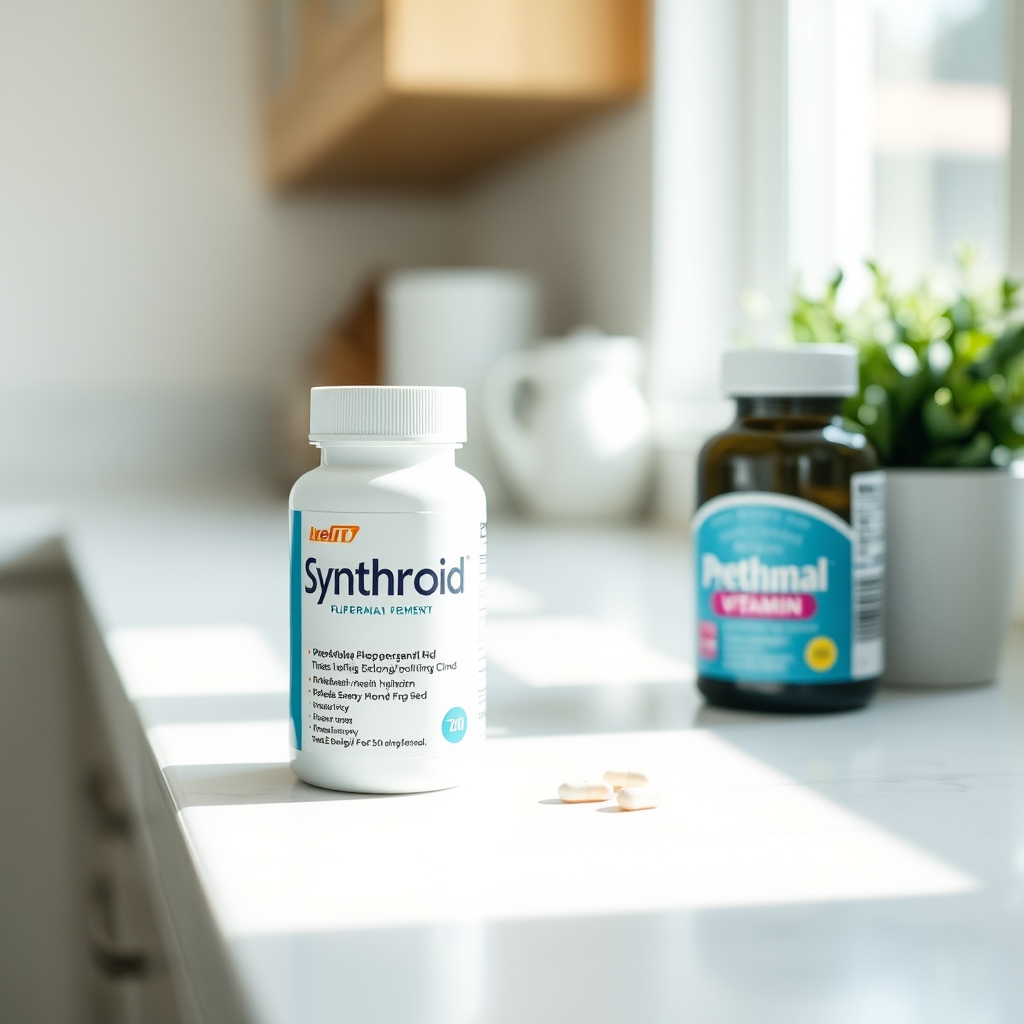
Generally safe, synthroid dosage during pregnancy may require adjustments, especially in the first trimester
By Shubhra Mishra — a mom of two who turned her own confusion during pregnancy into BumpBites, a global mission to make food choices clear, safe, and stress-free for every expecting mother. 💛
Check whether any food is safe during pregnancy with the BumpBites Food Safety Checker.
Quick verdict: ✅ Synthroid is generally safe during pregnancy when taken at the dose your provider prescribes, but you’ll need regular thyroid‑level monitoring and occasional dose adjustments.
It’s common to feel a surge of anxiety the moment you discover you’re pregnant and wonder, “is synthroid safe during pregnancy?” You might be juggling prenatal vitamins, a morning‑routine of coffee, and a prescription for thyroid hormone, all while trying to stay calm. The good news is that most obstetric guidelines, including those from the American College of Obstetricians and Gynecologists (ACOG) and the UK’s NHS, consider levothyroxine — the active ingredient in Synthroid — compatible with pregnancy, provided you follow your doctor’s dosing plan and keep an eye on thyroid function tests.
In this article we’ll break down exactly what Synthroid does, how it interacts with a developing baby, and what you need to know across each trimester and while breastfeeding. We’ll also cover dosing nuances, potential side effects, safer alternatives, and a quick‑look comparison of related thyroid medications. By the end you’ll have a clear, evidence‑based answer to the question “is synthroid safe during pregnancy,” plus practical steps to keep both you and your baby healthy.
Stage
Verdict
Notes
1st trimester
✅ Generally safe
Maintain dose; monitor TSH every 4‑6 weeks.
2nd trimester
✅ Generally safe
Adjust dose if TSH rises; continue regular labs.
3rd trimester
✅ Generally safe
Dose often increased 20‑30 % to meet fetal needs.
Breastfeeding
✅ Generally safe
Small amounts pass into milk; infant monitoring rarely needed.
Keeping your Synthroid and prenatal vitamins together can make daily dosing simpler.
What is Synthroid?
Synthroid is a brand‑name formulation of levothyroxine sodium, a synthetic form of the thyroid hormone thyroxine (T4). It’s prescribed for hypothyroidism—a condition where the thyroid gland doesn’t produce enough hormone, leading to fatigue, weight gain, and, crucially for pregnancy, a higher risk of miscarriage and preterm birth if left untreated. Levothyroxine works by supplementing the body’s natural hormone levels, restoring normal metabolism and supporting the development of the fetal brain and nervous system. The drug is taken orally, usually once a day on an empty stomach, and is absorbed best when the stomach is empty for at least 30 minutes.
Because the thyroid hormone is critical for fetal growth, especially during the first few weeks when the baby’s own thyroid isn’t functional, maintaining appropriate levels is a cornerstone of prenatal care. Synthroid is one of several levothyroxine preparations on the market; they differ mainly in inactive ingredients, which can affect absorption for some patients. The medication is regulated by the FDA as a prescription drug, and its safety profile in pregnancy has been studied for decades.
Is Synthroid safe during pregnancy?
Y
es—when taken at the dose prescribed by your health‑care provider, Synthroid is considered safe throughout pregnancy. The ACOG Committee Opinion #807 (2020) recommends that pregnant individuals with hypothyroidism continue levothyroxine therapy and have thyroid‑stimulating hormone (TSH) checked every 4 weeks during the first half of pregnancy, then at least once each trimester thereafter. The UK’s NHS similarly advises that women with an existing thyroid condition keep their medication and adjust dosing under specialist guidance.
The primary concern isn’t toxicity; levothyroxine is a hormone replacement, not a teratogen. Rather, the risk lies in undertreated hypothyroidism, which can lead to neurodevelopmental deficits and adverse obstetric outcomes. Studies published in the American Journal of Obstetrics & Gynecology have shown that women who maintain TSH within the target range (0.1‑2.5 mIU/L in the first trimester) have newborns with normal birth weights and neurocognitive scores.
Because the medication mimics the body’s natural hormone, there is no evidence that Synthroid itself causes birth defects. The FDA classifies levothyroxine as Pregnancy Category A (no evidence of risk in humans), aligning with the WHO’s recommendation that thyroid hormone replacement be continued when indicated. If you have concerns about dosage, interactions, or side effects, discuss them with your endocrinologist or obstetrician.
Is synthroid safe during first trimester?
The first trimester is the period of organogenesis, when the baby’s major organs form. Maintaining adequate thyroid hormone levels during this window is especially important because the fetal thyroid does not become functional until around week 12. Continuing Synthroid during the first trimester helps keep maternal TSH in the optimal range, reducing the risk of miscarriage, preeclampsia, and low‑birth‑weight infants.
Clinical guidelines from ACOG and the Endocrine Society both advise that women with hypothyroidism do not stop or switch thyroid medication when they learn they’re pregnant. Instead, they should have a baseline TSH measurement as soon as pregnancy is confirmed and adjust the dose if needed. Most patients require a modest increase (often 20‑30 %) in levothyroxine dosage by the end of the first trimester, reflecting the increased thyroid‑binding globulin (TBG) and estrogen levels.
Because Synthroid is a synthetic hormone rather than a medication with teratogenic potential, the consensus is that it is safe, provided you are under regular monitoring. If you missed a dose, take it as soon as you remember unless it’s close to the next scheduled dose; then skip the missed one and continue as normal.
Synthroid dosage during pregnancy
Pregnancy often necessitates a dose increase of about 20‑30 % compared with pre‑pregnancy requirements. However, the exact amount varies widely based on individual factors such as body weight, pre‑existing thyroid function, and the presence of antibodies. Typical adult doses range from 25 µg to 200 µg daily. Your provider will likely start with a modest increase (e.g., an extra 25 µg) and then tailor the dose according to serial TSH and free‑T4 labs.
Monitoring schedule:
Baseline TSH and free‑T4 as soon as pregnancy is confirmed.
Repeat TSH every 4‑6 weeks through the end of the first trimester.
Once stable, check each trimester, or sooner if symptoms change.
Brands of levothyroxine—including Synthroid—are considered bioequivalent, but differences in inactive fillers can affect absorption. If you notice fluctuating lab results despite a stable dose, discuss switching to a different brand (e.g., Levoxyl or Tirosint) with your doctor.
Can i take synthroid while pregnant
Absolutely—most obstetricians recommend you continue taking Synthroid throughout pregnancy. The medication does not cross the placenta in harmful amounts; instead, it helps ensure the fetus receives enough thyroid hormone for brain development. The key is adherence and regular blood‑test monitoring. If you’re taking other supplements, such as prenatal vitamins or iron, space them at least four hours apart from Synthroid to avoid absorption interference.
Alternatives to synthroid during pregnancy
Levoxyl – another levothyroxine brand with a slightly different filler; useful if you experience absorption issues.
Unithroid – a liquid levothyroxine formulation that can be easier for those with swallowing difficulties.
Tirosint – an oral capsule without common excipients, often recommended for patients with food allergies.
Euthyrox – widely used in Europe; considered equivalent in efficacy.
Eltroxin – another international brand of levothyroxine, safe when dosed appropriately.
Levothyroxine vs synthroid during pregnancy
“Levothyroxine” is the generic name for the hormone; “Synthroid” is a specific brand. From a safety standpoint, there is no difference—both deliver the same active ingredient. The choice often comes down to insurance coverage, patient preference, and tolerability of the inactive ingredients. Some clinicians prefer a brand‑neutral approach, prescribing “levothyroxine” and allowing the pharmacy to dispense the most affordable generic, as long as the patient remains on a single preparation to avoid dose variability.
Synthroid risks during pregnancy
The primary risk associated with Synthroid is not the medication itself but inappropriate dosing. Over‑replacement can lead to iatrogenic hyperthyroidism, which may cause tachycardia, anxiety, and, in severe cases, preterm labor. Under‑replacement, on the other hand, can increase the chance of miscarriage, anemia, and impaired neurodevelopment. Because the therapeutic window is narrow, regular TSH checks are essential.
Other considerations include potential drug interactions: calcium supplements, iron, and certain antacids can reduce levothyroxine absorption by up to 40 %. Always take Synthroid with a full glass of water on an empty stomach and separate it from these agents by at least four hours.
Synthroid and pregnancy category
In the United States, levothyroxine is classified as Pregnancy Category A by the FDA, meaning controlled studies in humans have not shown a risk to the fetus. The UK’s Medicines and Healthcare products Regulatory Agency (MHRA) aligns with this view, listing levothyroxine as safe when indicated. These classifications reinforce that the medication is not teratogenic; the focus remains on proper dosing and monitoring.
Synthroid side effects in pregnancy
Common side effects—often mild—include headache, insomnia, and occasional palpitations, especially if the dose is too high. Some pregnant patients report increased sensitivity to heat or mild tremors. These symptoms usually resolve with dose adjustment. Rarely, allergic reactions to the filler ingredients can cause rash or swelling; if you notice any skin changes, contact your provider.
Is unithroid safer than synthroid during pregnancy
Unithroid is a liquid formulation of levothyroxine and may be preferable for patients who have difficulty swallowing pills or who experience inconsistent absorption with tablets. However, safety-wise, both contain the same active hormone, and there is no evidence that Unithroid is inherently safer. The choice should be guided by personal tolerance and the ability to maintain consistent dosing.
Choosing the right levothyroxine brand can simplify your daily routine.
Safe dosage / amount / brands
Typical adult doses of Synthroid range from 25 µg to 200 µg per day. During pregnancy, many clinicians start with the pre‑pregnancy dose and increase by 25‑50 µg after confirming elevated TSH. The exact amount depends on weight, baseline thyroid function, and how your body responds to hormonal changes.
When selecting a brand, consider the following:
Brand
Formulation
Pregnancy safety note
Synthroid
Tablet
Widely studied; safe when dose is appropriate.
Levoxyl
Tablet
Alternative filler; safe for most patients.
Unithroid
Liquid
Helpful for swallowing issues; same safety profile.
Tirosint
Capsule
Excipient‑free; useful for allergy‑prone patients.
Euthyrox
Tablet
European brand; considered equivalent.
Eltroxin
Tablet
Another international option; safe when dosed correctly.
Regardless of brand, the most important factor is consistency. Switching brands without a medical reason can cause fluctuations in TSH levels, which may affect fetal development.
Side effects and risks
Common, usually benign: mild headache, insomnia, increased heart rate, and occasional tremor. These often indicate a dose that is slightly high; a small adjustment usually resolves them.
More concerning: signs of hyperthyroidism such as rapid heartbeat (>100 bpm), heat intolerance, unexplained weight loss, or severe anxiety. If any of these appear, contact your provider promptly—over‑replacement can increase the risk of preterm birth.
Allergic reactions: rash, itching, swelling of the face or throat. Though rare, these require immediate medical attention.
All side effects should be discussed with your clinician; they are not a reason to stop the medication abruptly.
Safer alternatives
Levoxyl – tablet with different inactive ingredients; useful if you have absorption issues.
Unithroid – liquid form that can be easier to dose precisely.
Tirosint – capsule free of common allergens, ideal for sensitive patients.
Euthyrox – European‑approved levothyroxine with a long safety record.
Eltroxin – another internationally recognized brand, safe when taken as prescribed.
Related items — safety at a glance
Item
Verdict
One‑line note
Levothyroxine
✅ Safe
Generic form; identical active ingredient to Synthroid.
Liothyronine
⚠️ Use with caution
Active T3; often reserved for specific thyroid disorders.
Cytomel
⚠️ Use with caution
Brand name for liothyronine; short‑acting T3.
Armour Thyroid
❌ Generally avoided
Contains animal‑derived T4/T3; not recommended in pregnancy.
Nature‑Throid
❌ Generally avoided
Another porcine‑derived combination; lacks pregnancy data.
Combination T4/T3; dosing is more complex in pregnancy.
Myth vs. fact
Myth: “All thyroid medications are unsafe during pregnancy.” Fact: Levothyroxine (including Synthroid) is classified as Pregnancy Category A and is recommended for women with hypothyroidism to protect both mother and baby.
Myth: “You should stop Synthroid as soon as you find out you’re pregnant.” Fact: Discontinuing the medication can lead to uncontrolled hypothyroidism, which is far riskier than continuing the prescribed dose under medical supervision.
Myth: “Higher doses always mean more risk to the baby.” Fact: Pregnancy often requires a modest dose increase to meet the higher thyroid‑binding globulin levels; the goal is to keep TSH within the target range, not to avoid the medication.
Key takeaways
Synthroid is generally safe throughout pregnancy when taken as prescribed.
Regular thyroid‑function testing (every 4‑6 weeks) is essential for dose adjustments.
Maintain a consistent brand to avoid absorption variability.
Potential side effects are usually mild; severe symptoms warrant prompt medical review.
Safe alternatives (Levoxyl, Unithroid, Tirosint, Euthyrox, Eltroxin) are available if you have specific tolerability concerns.
Frequently asked questions
can i take synthroid and prenatal vitamins together
Yes—you can take both, but separate them by at least four hours to prevent calcium or iron in the prenatal vitamins from reducing Synthroid absorption.
what happens if i miss a synthroid dose while pregnant
If you miss a dose, take it as soon as you remember unless it’s close to the next scheduled dose; then skip the missed one and resume your regular schedule.
how does synthroid affect fetal development
Synthroid supplies the necessary thyroid hormone for the fetus’s brain and nervous‑system development, especially during the first trimester when the baby cannot produce its own hormone.
can synthroid cause birth defects
No—levothyroxine is classified as Category A, meaning studies have not shown an increased risk of birth defects when the medication is used appropriately.
what are the symptoms of too much synthroid during pregnancy
Signs of over‑replacement include rapid heartbeat, heat intolerance, anxiety, unexplained weight loss, and tremors; contact your provider if you notice these.
can i breastfeed while taking synthroid
Yes—levothyroxine passes into breast milk in very low amounts and is considered safe for nursing infants.
how long after taking synthroid can i get pregnant
Women on stable levothyroxine therapy can become pregnant as soon as they wish; the key is to have thyroid levels monitored and adjusted as needed.
When to call your doctor
Contact your obstetrician or endocrinologist right away if you experience any of the following while taking Synthroid:
Persistent rapid heartbeat (>100 bpm) or palpitations.
Severe anxiety, tremors, or unexplained weight loss.
Signs of an allergic reaction such as rash, itching, or swelling.
Sudden changes in mood, sleep patterns, or heat intolerance that do not improve after a dose adjustment.
These symptoms may indicate that your dose needs fine‑tuning. Remember, this article provides general information and is not a substitute for personalized medical advice. Always discuss any concerns with your health‑care provider.
References
American College of Obstetricians and Gynecologists. Committee Opinion No. 807: Thyroid Disease in Pregnancy. 2020.
Endocrine Society. Clinical Practice Guidelines for the Diagnosis and Management of Thyroid Disease During Pregnancy and the Postpartum Period. 2014.
National Health Service (NHS). Thyroid disease in pregnancy. Updated 2023.
U.S. Food and Drug Administration (FDA). Levothyroxine (Synthroid) prescribing information. 2022.
Centers for Disease Control and Prevention (CDC). Pregnancy and thyroid disease. 2021.
World Health Organization (WHO). Recommendations for the management of thyroid disorders during pregnancy. 2019.
Not sure about the label on Is Synthroid Safe During Pregnancy products?
Snap the ingredients list (or paste it, or scan the barcode) and SafeFilter checks every ingredient against your stage of pregnancy — flagging what to avoid, what needs care, and what's fine.
When Shubhra Mishra was expecting her first child in 2016, she was overwhelmed by conflicting food advice — one site said yes, another said never. By the time her second baby arrived in 2019, she realized millions of mothers face the same confusion.
That sparked a five-year journey through clinical nutrition papers, cultural diets, and expert conversations — all leading to BumpBites: a calm, compassionate space where science meets everyday motherhood.
Her long-term vision is to build a global community ensuring safe, supported, and free deliveriesfor every mother — because no woman should face pregnancy alone or uninformed. 🌿
🌍 Stand with mothers, shape safer guidance
Join a small circle of experts who review BumpBites articles so expecting parents everywhere can decide with confidence.