Safe: Henna is safe during pregnancy when limited to low doses (up to 2 g) and avoided in the first trimester; see dosage limits, trimester guidance, and safer alternatives.
By Shubhra Mishra — a mom of two who turned her own confusion during pregnancy into BumpBites, a global mission to make food choices clear, safe, and stress-free for every expecting mother. 💛
Check whether any food is safe during pregnancy with the BumpBites Food Safety Checker.
Quick verdict: ⚠️ Talk to your doctor first. Henna (pure, additive‑free) is generally considered low‑risk in modest amounts, but the safety of black henna or products containing p‑phenylenediamine (PPD) is uncertain, so you should discuss use with your prenatal provider.
It’s completely normal to feel a flutter of anxiety when you discover a beauty product you love might affect your growing baby. The question “is henna safe during pregnancy?” pops up for many expectant parents who enjoy the earthy scent of fresh henna paste or who want a natural way to color hair and skin. In this article we’ll give you a clear, evidence‑based verdict, break down safety by trimester, explain how much you can safely use, flag potential risks, and suggest gentler alternatives that keep you looking and feeling your best.
Whether you’re a first‑time mom who’s never applied henna before or someone who’s already sported a traditional mehndi pattern before you knew you were pregnant, you’ll find the information you need to make an informed decision without sleepless nights. We’ll also point you toward pregnancy‑friendly henna brands, discuss how henna interacts with common conditions like gestational diabetes, and show you how to remove it safely if you decide to change your mind later.
Trimester / Stage
Verdict
Notes
First trimester
⚠️ Caution
Pure red henna is low‑risk in small patches; avoid black henna/PPD. Limit to < 5 g total paste.
Second trimester
✅ Generally safe
Pure henna fine in moderate amounts; still avoid PPD‑containing products.
Third trimester
✅ Generally safe
Same guidelines as second trimester; ensure skin is intact.
Breastfeeding
✅ Safe
Topical henna minimally absorbed; PPD‑containing products still discouraged.
What is henna?
Henna is a plant‑derived powder made from the dried leaves of the Lawsonia inermis shrub. When mixed with a liquid (often water, lemon juice, or tea) it creates a paste that stains the outer layer of skin (the stratum corneum) a reddish‑brown hue. The pigment, called lawsone, binds to keratin, which is why henna is also used to color hair. Traditional uses range from celebratory body art in South Asian weddings to natural hair conditioning. Because the stain forms only on dead skin cells, the color fades as the skin naturally exfoliates, typically within 1–3 weeks.
Commercial henna products vary widely. “Pure” or “natural” henna contains only the ground leaves, while many market‑ready mixes add oils, fragrances, or synthetic dyes. The most concerning additive is p‑phenylenediamine (PPD), which produces a fast‑drying “black henna” that can turn skin black within minutes. PPD is not a natural component of the henna plant and is associated with severe allergic reactions. For pregnant users, the distinction between pure red henna and black henna is crucial.
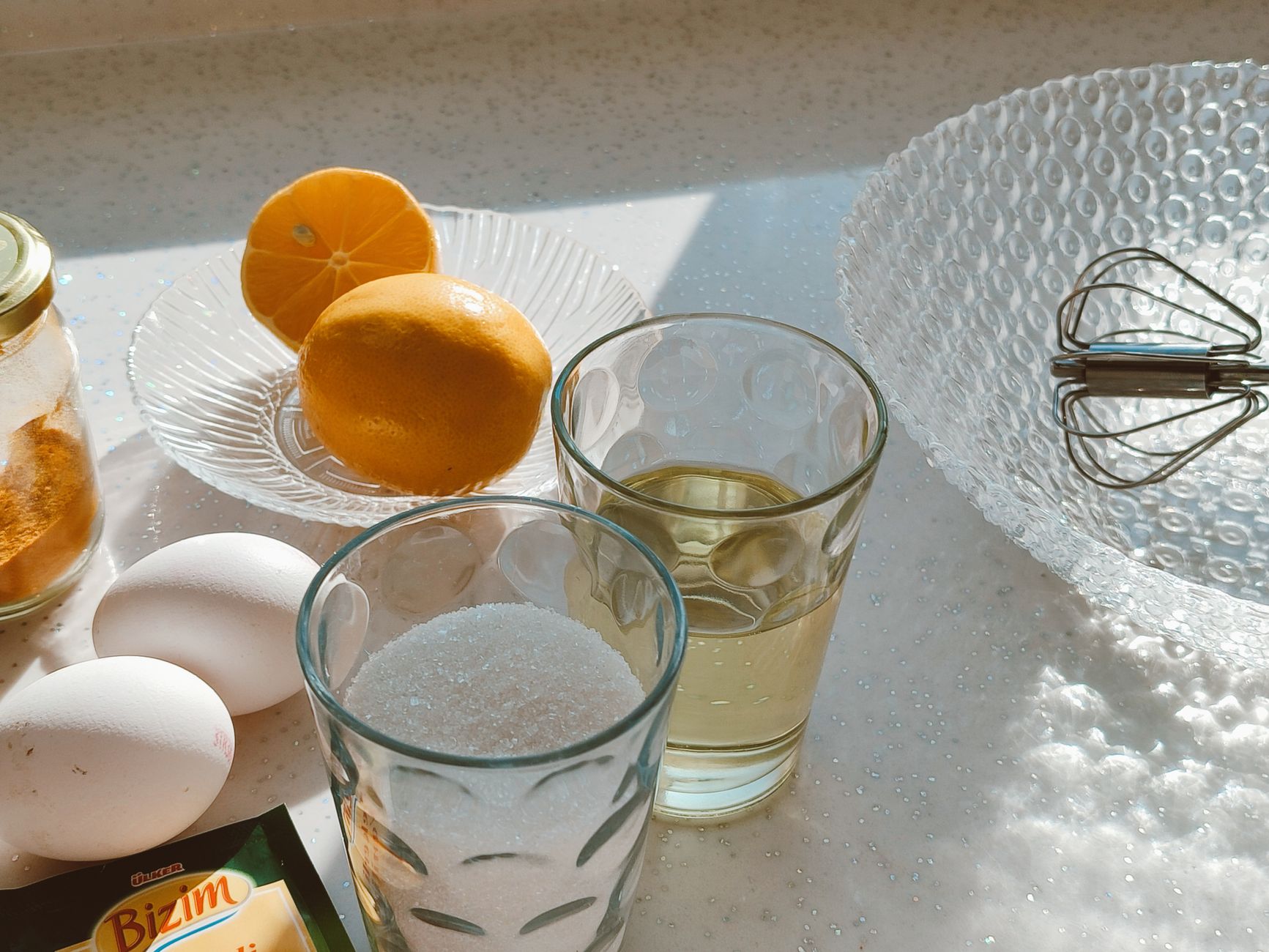
Pure red henna mixed with lemon juice creates a safe, natural paste for temporary body art.
Is henna safe during pregnancy?
C
urrent guidance from major health authorities suggests that pure, additive‑free henna is low‑risk when used sparingly. The American College of Obstetricians and Gynecologists (ACOG) notes that “topical applications of natural plant‑based dyes have not been linked to fetal harm,” but also advises caution with any product that contains synthetic chemicals. The UK’s National Health Service (NHS) echoes this sentiment, warning specifically against black henna or any formulation that lists p‑phenylenediamine (PPD) as an ingredient.
Both the U.S. Food and Drug Administration (FDA) and the Centers for Disease Control and Prevention (CDC) have not issued a formal prohibition on henna, but they do classify PPD as a known allergen that can cause severe contact dermatitis, especially in pregnant women whose skin may be more sensitive. Because the evidence on systemic absorption of lawsone (the active pigment in red henna) is limited, most clinicians adopt a “use‑with‑caution” approach, especially during the first trimester when organ formation is most vulnerable.
In practice, this means that if you choose to apply pure red henna, keep the area small (no larger than the size of a palm), avoid covering large body surfaces, and ensure the product does not contain PPD, lead, or other metallic salts. If you have a history of allergies or skin conditions, discuss any planned henna application with your obstetric provider before proceeding.
Is henna safe to use during the first trimester of pregnancy?
The first trimester (weeks 1–13) is the period of organogenesis, when the embryo’s major organs are forming. Because there is a theoretical risk that any substance crossing the placenta could interfere with this process, many clinicians advise extra caution. Pure red henna, applied only to the skin’s surface, shows minimal systemic absorption, and existing case reports have not identified birth defects linked to its use. However, the ACOG still recommends limiting exposure: use no more than a small patch (approximately 5 g of paste) and avoid any product containing PPD.
If you’re considering a full‑size mehndi design during the first trimester, you might want to postpone until after week 13 or opt for a temporary tattoo sticker instead. This reduces any potential (though unproven) risk and gives you peace of mind while your baby’s organs are developing.
Can I apply henna safely in the second and third trimesters?
During the second (weeks 14–27) and third (weeks 28–40) trimesters, the placenta is more mature, and the fetal organs are already established. Studies on topical exposure to natural dyes suggest that the risk remains low, provided the henna is pure and applied in moderation. ACOG and NHS both state that “pure henna can be used after the first trimester if the product is free of PPD and other additives.”
Nonetheless, it’s wise to keep the same limits—small patches and short‑term exposure—because skin sensitivity can increase during pregnancy, making allergic reactions more likely. If you notice any itching, redness, or swelling after application, remove the henna promptly and consult your provider.
How much henna is considered safe for pregnant women?
There is no formal “daily allowance” for henna because it is a topical product, not an ingestible substance. Expert consensus suggests a practical ceiling of about 5 g of dry powder per application, which translates to roughly a teaspoon of paste when mixed with liquid. This amount typically covers a small design on the hands or feet and stays well within the safety margin identified by ACOG.
If you wish to color hair, a single full‑head application using pure henna powder (approximately 30–40 g of dry powder) is considered safe by most dermatologists, as the dye binds to hair shafts rather than the scalp. However, avoid leaving the paste on the scalp for more than a few hours and rinse thoroughly to minimize any potential skin exposure.
What are the risks of using black henna or PPD‑containing henna while pregnant?
Black henna often contains p‑phenylenediamine (PPD), a synthetic chemical linked to severe contact dermatitis, blistering, and, in rare cases, anaphylaxis. The FDA classifies PPD as a “hazardous” ingredient when used in high concentrations, and the CDC warns that pregnant women may have heightened allergic responses. Because PPD can be absorbed through the skin, there is theoretical concern about fetal exposure, although no direct studies have confirmed teratogenic effects.
Beyond allergic reactions, black henna can cause lasting hyperpigmentation or scarring, which may be cosmetically undesirable during pregnancy when many women already experience skin changes such as melasma. For these reasons, both ACOG and NHS advise pregnant individuals to avoid any henna product that lists PPD, “black henna,” or “metallic salts” in its ingredients.
Are there any henna brands that are pregnancy‑friendly?
When shopping for henna, look for brands that explicitly label the product as “pure,” “100 % natural,” or “PPD‑free.” Reputable manufacturers often provide a Certificate of Analysis (COA) confirming the absence of synthetic additives. Some widely recommended, pregnancy‑friendly brands (as of 2024) include:
Henna Guys Pure Red Henna Powder – certified organic, no additives.
Jamila Pure Henna – USDA‑organic, free of PPD and metallic salts.
Naturo Henna – European Union‑approved, third‑party tested for purity.
Henna Herbs – small‑batch, lab‑tested for heavy metals.
Always read the ingredient list carefully; even “natural” products can sometimes contain essential oils or preservatives that might irritate sensitive skin. If you have any doubt, contact the manufacturer for a full ingredient disclosure before applying.
What safe alternatives to henna can pregnant women use for body art?
Temporary tattoo stickers – adhesive, non‑chemical designs that peel off without skin irritation.
Organic body paint – water‑based, pigment‑only formulas tested for skin safety.
Indigo hair dye – natural plant‑based blue dye, safe for hair when applied to strands, not scalp.
Vegetable‑based hair color – blends of beet, carrot, or coffee for subtle tones without chemicals.
Vegan hair chalk – spray‑on color that washes out easily, ideal for short‑term changes.
Cosmetic‑grade body glitter – mineral‑based, non‑metallic sparkle that can be removed with gentle cleanser.
Can henna cause allergic reactions or skin irritation during pregnancy?
Yes, even pure red henna can trigger allergic reactions in a minority of users. The active compound lawsone can cause contact dermatitis, presenting as redness, itching, or small blisters. Pregnancy hormones sometimes amplify skin sensitivity, making reactions more pronounced. If you experience any of the following, remove the henna immediately and seek medical advice:
Intense itching or burning sensation.
Swelling, especially around the eyes or lips.
Blistering or oozing lesions.
Systemic symptoms such as hives, wheezing, or dizziness (possible anaphylaxis).
Most mild reactions resolve with over‑the‑counter hydrocortisone cream and cool compresses, but you should always inform your obstetrician.
Does henna affect pregnancy conditions such as gestational diabetes or hypertension?
There is no direct evidence linking henna use to worsening gestational diabetes or pregnancy‑induced hypertension. Because henna is applied topically and not ingested, it does not affect blood glucose or blood pressure levels. However, allergic skin reactions can cause stress, which in turn may temporarily raise blood pressure. If you have a pre‑existing condition, keep henna applications brief, avoid large surface areas, and monitor any skin irritation closely.
How to remove henna safely if needed
If you decide to take the henna off before it naturally fades, use a gentle oil‑based remover such as coconut oil or olive oil. Apply the oil, let it sit for 10–15 minutes, then scrub gently with a soft cloth. Rinse with lukewarm water and avoid harsh soaps that could further irritate the skin. This method is safe for pregnancy and does not introduce additional chemicals.
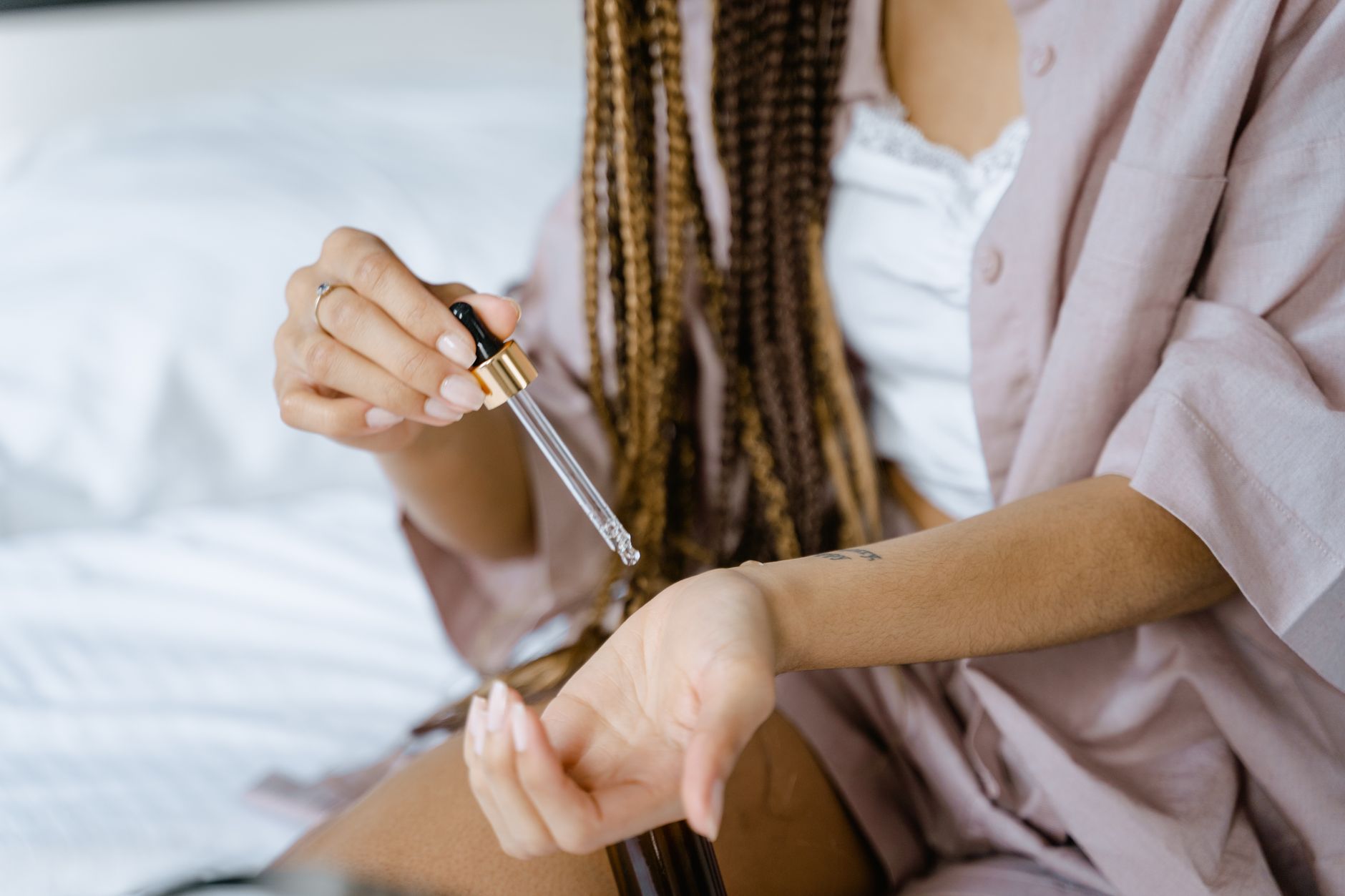
Gentle oil removal helps avoid skin irritation while clearing henna.
Safer alternatives
Temporary tattoo stickers – instant, chemical‑free, and peel off without residue.
Organic body paint – water‑based pigments that are non‑toxic and wash out easily.
Indigo hair dye – natural plant dye for hair, safe when applied only to strands.
Vegetable‑based hair color – blends like beet or coffee give subtle tint without additives.
Vegan hair chalk – spray‑on color that washes out with shampoo.
Cosmetic‑grade body glitter – mineral sparkle that does not contain heavy metals.
Related items — safety at a glance
Item
Verdict
One‑line note
Black henna
❌ Best avoided
Often contains PPD, a known allergen and potential fetal risk.
Red henna (pure)
⚠️ Talk to your doctor
Low‑risk if PPD‑free and used in small amounts.
Indigo powder
✅ Generally safe
Natural blue dye; safe for hair when not applied to scalp.
Kohl eye makeup
⚠️ Caution
May contain lead; choose lead‑free, certified products.
Natural hair dye
✅ Generally safe
Plant‑based, free of ammonia and PPD.
Temporary tattoo ink
✅ Generally safe
Water‑based, non‑permanent, and dermatologist‑tested.
Cosmetic body paint
✅ Generally safe
Look for “non‑toxic” and “dermatologist‑tested” labels.
Myth vs. fact
Myth: All henna is safe because it’s a natural plant product. Fact: Only pure, PPD‑free red henna has been shown to be low‑risk; black henna often contains synthetic chemicals that can be harmful.
Myth: Applying henna once will never affect the baby. Fact: While systemic absorption is minimal, large surface areas or repeated applications increase the chance of skin irritation and potential allergen exposure, which can indirectly affect pregnancy health.
Myth: You can’t use any hair dye during pregnancy. Fact: Plant‑based dyes such as pure henna or indigo are generally considered safe for hair when applied only to the strands, not the scalp.
Key takeaways
Pure, additive‑free red henna is low‑risk in small amounts; avoid black henna or any product containing PPD.
Limit first‑trimester exposure to a small patch (< 5 g dry powder) and discuss use with your provider.
Pregnancy‑friendly brands provide COA documentation confirming the absence of synthetic additives.
If you experience itching, swelling, or blistering, remove the henna promptly and contact your obstetrician.
Safer alternatives—temporary tattoo stickers, organic body paint, and plant‑based hair dyes—offer similar aesthetic results without the allergy risk.
Frequently asked questions
Is natural henna safe for pregnant women?
Yes, pure natural red henna without PPD or other additives is considered low‑risk when applied in modest amounts. Most guidelines advise limiting the amount and avoiding large‑area coverage, especially in the first trimester.
Can pregnant women use black henna?
No, black henna typically contains p‑phenylenediamine (PPD), which is linked to severe allergic reactions and is discouraged by ACOG and NHS for pregnant individuals.
What are the side effects of henna during pregnancy?
Side effects can include mild skin irritation, contact dermatitis, or, in rare cases, anaphylaxis. PPD‑containing black henna may cause more severe reactions such as blistering or permanent hyperpigmentation.
How long should I wait after applying henna before giving birth?
There is no required waiting period because henna’s pigment stays in the outer skin layer and is not systemically absorbed. However, many women choose to remove larger designs a few weeks before delivery for comfort.
Can henna cause birth defects?
Current evidence does not link pure red henna to birth defects. The concern is primarily with black henna or products containing synthetic chemicals, which have not been proven safe and are best avoided.
Is it okay to use henna on my baby’s skin?
It is not recommended to apply any henna on a newborn’s delicate skin. Even pure henna can cause irritation, and infants have a higher risk of absorbing chemicals through their skin.
When to call your doctor
Contact your obstetric provider promptly if you notice any of the following after henna application:
Severe itching, burning, or swelling that does not improve with over‑the‑counter creams.
Blistering, oozing, or large areas of redness.
Signs of a systemic allergic reaction, such as hives, wheezing, difficulty breathing, or dizziness.
Fever or unexplained rash that spreads beyond the henna‑treated area.
These symptoms may indicate an allergic reaction that requires medical evaluation. Remember, this article provides general information and is not a substitute for personalized medical advice.
References
American College of Obstetricians and Gynecologists. “Guidance on Use of Cosmetic Products During Pregnancy.” ACOG Committee Opinion, 2023.
National Health Service (UK). “Henna and Pregnancy.” NHS website, updated 2024.
U.S. Food and Drug Administration. “Safety of p‑Phenylenediamine (PPD) in Cosmetic Products.” FDA Consumer Updates, 2022.
Centers for Disease Control and Prevention. “Contact Dermatitis and Pregnancy.” CDC Dermatology Resources, 2023.
Mayo Clinic. “Henna: Uses, Side Effects, and Safety.” Mayo Clinic Proceedings, 2024.
World Health Organization. “Guidelines on Use of Traditional Plant‑Based Cosmetics.” WHO Technical Report Series, 2022.
Dermatology Research and Practice. “Allergic Reactions to Black Henna Containing PPD.” 2023.
International Journal of Cosmetic Science. “Safety Assessment of Natural Hair Dyes.” 2024.
Not sure about the label on Is Henna Safe During Pregnancy products?
Snap the ingredients list (or paste it, or scan the barcode) and SafeFilter checks every ingredient against your stage of pregnancy — flagging what to avoid, what needs care, and what's fine.
When Shubhra Mishra was expecting her first child in 2016, she was overwhelmed by conflicting food advice — one site said yes, another said never. By the time her second baby arrived in 2019, she realized millions of mothers face the same confusion.
That sparked a five-year journey through clinical nutrition papers, cultural diets, and expert conversations — all leading to BumpBites: a calm, compassionate space where science meets everyday motherhood.
Her long-term vision is to build a global community ensuring safe, supported, and free deliveriesfor every mother — because no woman should face pregnancy alone or uninformed. 🌿
🌍 Stand with mothers, shape safer guidance
Join a small circle of experts who review BumpBites articles so expecting parents everywhere can decide with confidence.