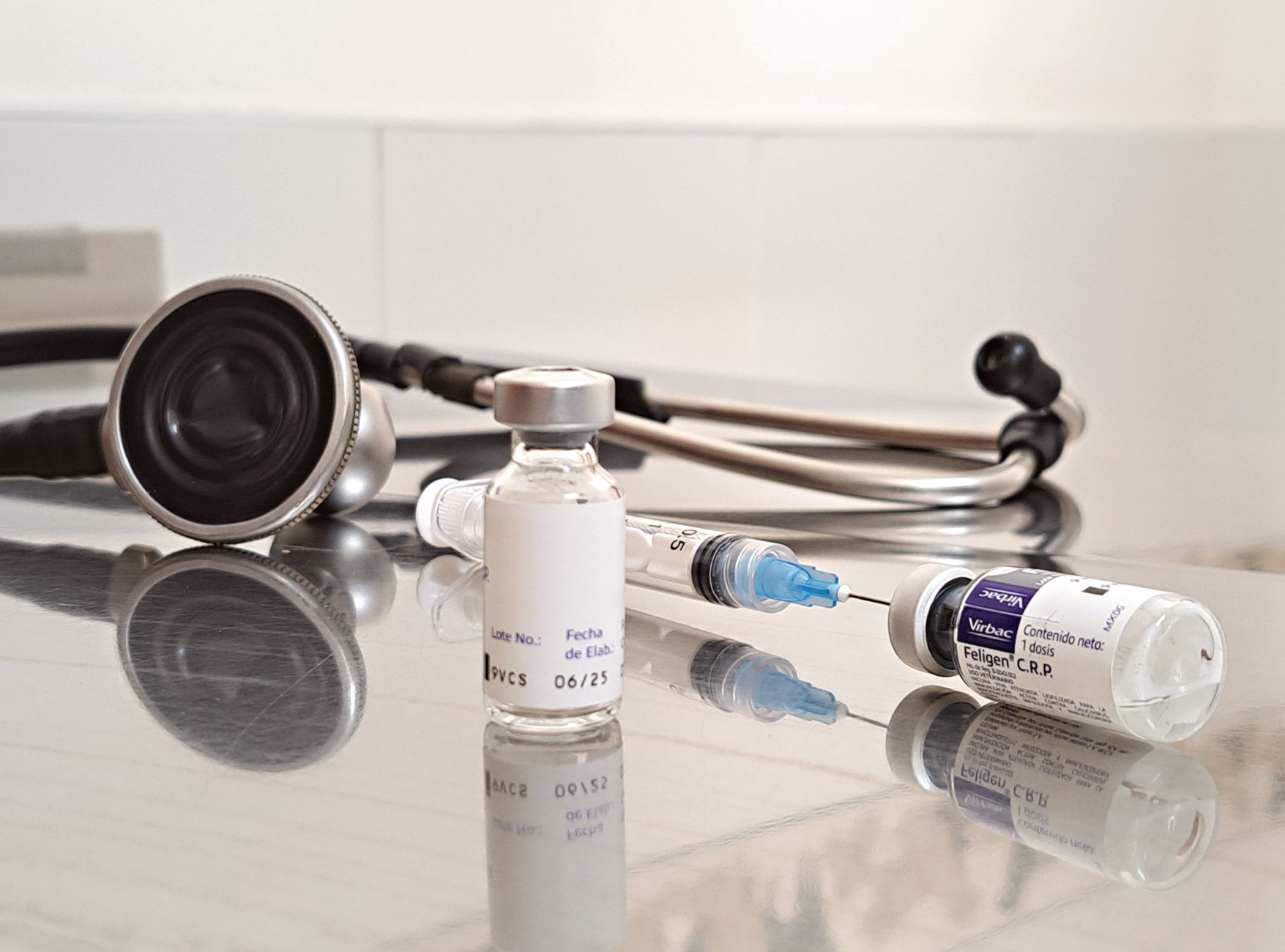
Safe: Heparin can be used during pregnancy when prescribed at low doses in the second and third trimesters, but requires monitoring for bleeding risks.
By Shubhra Mishra — a mom of two who turned her own confusion during pregnancy into BumpBites, a global mission to make food choices clear, safe, and stress-free for every expecting mother. 💛
Check whether any food is safe during pregnancy with the BumpBites Food Safety Checker.
Quick verdict: ✅ Heparin is generally considered safe for use during pregnancy when prescribed by your provider, but dosing and monitoring are essential, especially in the first trimester. Talk to your obstetrician before starting or continuing therapy.
Seeing a tiny bottle of heparin on the pharmacy shelf at 2 a.m. can send anyone’s mind racing, especially if you’ve just discovered you’re pregnant. You might be wondering, is heparin safe during pregnancy and whether you need to stop it right away. The good news is that, for most pregnant people who need anticoagulation, doctors do prescribe heparin because it does not cross the placenta in significant amounts.
In this article we’ll walk through the evidence, explain how heparin works, break down safety by trimester, outline typical dosing, list potential side effects, and give you safer alternatives if you’re looking for other options. We’ll also compare heparin to other common anticoagulants so you can see the full picture at a glance. Whether you’re just learning about your prescription or you’ve already taken a dose before confirming your pregnancy, the information below is designed to help you breathe easier and make informed decisions with your care team.
Keep your medication organized and store it out of reach of children.
Stage
Verdict
Notes
First trimester
✅ Generally safe
Unfractionated heparin (UFH) and low‑molecular‑weight heparin (LMWH) are used; monitor anti‑Xa levels if UFH.
Second trimester
✅ Generally safe
LMWH preferred for ease of dosing; UFH still acceptable with monitoring.
Third trimester
✅ Generally safe
Continue LMWH; watch for bleeding at delivery.
Breastfeeding
✅ Generally safe
Both UFH and LMWH have minimal secretion into breast milk.
What is heparin?
Heparin is an injectable anticoagulant that prevents blood clots from forming or growing. It works by binding to antithrombin III, a natural protein in your blood, which then inactivates clotting factors IIa (thrombin) and Xa. There are two main forms:
Unfractionated heparin (UFH) – a mixture of short‑chain molecules given intravenously or subcutaneously. It has a short half‑life (about 1 hour) and requires frequent lab monitoring.
Low‑molecular‑weight heparin (LMWH) – smaller, more predictable molecules (e.g., enoxaparin, dalteparin). They are usually given once or twice daily subcutaneously and need less monitoring.
Physicians prescribe heparin for conditions such as deep‑vein thrombosis (DVT), pulmonary embolism (PE), antiphospholipid syndrome, or as prophylaxis in high‑risk pregnancies (e.g., after a prior clot). Because heparin does not readily cross the placenta, it is the anticoagulant of choice when treatment is needed during pregnancy.
Pharmacokinetically, UFH is cleared primarily by the reticuloendothelial system, while LMWH is eliminated through the kidneys. This distinction matters if you have reduced kidney function or are on other medications that affect renal clearance. Understanding these differences helps clinicians choose the formulation that best balances efficacy and safety for you and your baby.
Is heparin safe during pregnancy?
C
urrent guidance from the American College of Obstetricians and Gynecologists (ACOG) and the United Kingdom’s National Health Service (NHS) states that both UFH and LMWH are considered safe for pregnant patients when used under medical supervision. The FDA classifies heparin as a Category B medication, meaning animal studies have not shown risk to the fetus and there are no adequate human studies showing harm.
The primary concern with any anticoagulant in pregnancy is bleeding—both maternal and fetal. However, large cohort studies and meta‑analyses have shown no increase in congenital anomalies or teratogenic effects when heparin is used appropriately. In fact, a 2020 systematic review published in Obstetrics & Gynecology found that LMWH was associated with lower rates of miscarriage compared with no anticoagulation in women with antiphospholipid syndrome.
Common misconceptions include the idea that “all blood thinners are dangerous” or that “heparin causes birth defects.” Those fears stem from older data on warfarin (a vitamin K antagonist), which is known to be teratogenic. Heparin’s large molecular size prevents it from crossing the placenta, making it a safer choice for pregnant patients who truly need anticoagulation.
Guidelines from the UK’s National Institute for Health and Care Excellence (NICE) echo ACOG’s recommendations, emphasizing LMWH as first‑line therapy for most pregnant patients with thrombotic risk. Both bodies stress the importance of individualized dosing, regular laboratory monitoring when UFH is used, and close collaboration between obstetricians and hematologists.
Is heparin safe during pregnancy first trimester
The first trimester is the period of organogenesis, when the fetus is most vulnerable to teratogens. Because heparin’s molecular weight is too large to cross the placenta, it does not pose a direct teratogenic risk. ACOG recommends continuing prescribed heparin throughout the first trimester if a clotting disorder is present. Monitoring is essential, especially with UFH, to avoid excessive anticoagulation that could lead to bleeding.
Many obstetricians prefer LMWH (e.g., enoxaparin) during the early weeks because it requires less lab monitoring and has a more predictable anticoagulant effect. If you’re on UFH, your provider will likely check activated partial thromboplastin time (aPTT) every 4–6 hours until a stable therapeutic range is achieved.
It’s also worth noting that the first trimester is a time when many women experience nausea and vomiting. Subcutaneous injections of LMWH are generally well‑tolerated, but if you’re unable to keep the injection site clean due to vomiting, discuss alternative injection sites or timing with your provider to maintain therapeutic levels.
Heparin dosage during pregnancy for blood clots
Dosage depends on the indication (prophylaxis vs. treatment) and the type of heparin used. Typical regimens include:
LMWH for prophylaxis – 40 mg subcutaneously once daily (e.g., enoxaparin 40 mg). Some clinicians use 30 mg twice daily for higher‑risk patients.
LMWH for treatment – 1 mg/kg subcutaneously every 12 hours (enoxaparin) or 1.5 mg/kg once daily (dalteparin). Doses are adjusted based on anti‑Xa levels.
UFH for treatment – an initial bolus of 80 units/kg IV, followed by a continuous infusion of 18 units/kg/hr, titrated to keep aPTT 1.5–2.5 × control.
All dosing should be individualized by your obstetrician or hematologist. The goal is to maintain therapeutic anticoagulation while minimizing bleeding risk. For prophylactic dosing, routine lab monitoring is generally not required for LMWH, but UFH always needs aPTT checks.
When you’re near delivery, many clinicians will reduce the LMWH dose or temporarily pause therapy to lower the chance of excessive bleeding at birth. This timing is usually coordinated with your delivery plan, and your provider will give you a clear schedule for the last dose.
Alternatives to heparin during pregnancy
Low molecular weight heparin (LMWH) – Often preferred over UFH for its predictable dosing and lower HIT risk.
Warfarin – Generally avoided because it crosses the placenta and is linked to fetal warfarin syndrome.
Aspirin (low dose) – 81 mg daily can be used for prevention of pre‑eclampsia and certain clotting disorders, but it does not replace therapeutic anticoagulation.
Acetaminophen – Safe for pain relief; does not affect clotting but can be used alongside heparin for symptom control.
Fondaparinux – A synthetic pentasaccharide that does not bind to platelet factor 4, thus virtually eliminating HIT risk. It is sometimes used when HIT is confirmed, but data in pregnancy are limited, so specialist input is required.
Argatroban – A direct thrombin inhibitor used in rare cases of HIT; it is administered intravenously and crosses the placenta minimally, yet its use is reserved for specialist‑managed scenarios.
Each alternative carries its own benefit‑risk profile, and the decision to switch should always be made in partnership with a maternal‑fetal medicine specialist.
Is lovenox safer than heparin during pregnancy
Lovenox is the brand name for enoxaparin, a type of LMWH. Compared with UFH, Lovenox offers a more predictable anticoagulant response, requires once‑ or twice‑daily dosing, and has a lower risk of heparin‑induced thrombocytopenia (HIT). ACOG and the NHS both list LMWH (including Lovenox) as the preferred first‑line therapy for most pregnant patients requiring anticoagulation. Therefore, many clinicians consider Lovenox “safer” in the sense of having fewer monitoring requirements and a reduced bleeding profile, though both are safe when used correctly.
Heparin risks during pregnancy for the baby
The primary fetal risk is indirect, stemming from maternal bleeding that could compromise placental perfusion. Large‑scale studies have not identified a direct teratogenic effect of heparin. The CDC notes that heparin exposure in utero has not been linked to birth defects, and most infants born to mothers on heparin have normal Apgar scores.
Rarely, excessive anticoagulation can lead to placental hemorrhage, which may cause growth restriction or preterm birth. This is why regular monitoring (especially with UFH) and dose adjustments are crucial.
Can heparin cause birth defects during pregnancy
Current evidence does not support a link between heparin use and birth defects. The FDA’s Category B classification reflects that animal studies have not shown fetal harm, and human data are reassuring. Nonetheless, if you have a history of thrombocytopenia or other bleeding disorders, your provider may choose a different anticoagulant or adjust the dose to mitigate any indirect risks.
Safety by trimester
First trimester
As noted earlier, heparin does not cross the placenta, so direct fetal toxicity is unlikely. The biggest concern is maternal bleeding, especially if high‑dose UFH is used. Monitoring of aPTA (for UFH) or anti‑Xa levels (for LMWH) helps keep the anticoagulation within a therapeutic window. Most obstetricians continue the prescribed regimen unless there’s a bleeding complication.
Because the first trimester is also a time of rapid fetal organ development, many clinicians prefer LMWH over UFH to minimize the need for frequent blood draws, which can be stressful for a pregnant patient already dealing with morning sickness.
Second trimester
The second trimester is generally the safest period for anticoagulant therapy. LMWH is often continued at prophylactic or therapeutic doses. Some clinicians switch from UFH to LMWH during this phase to reduce the need for frequent lab draws. If you develop heparin‑induced thrombocytopenia (HIT), an alternative such as argatroban may be considered, though HIT is rare (<0.1 % in pregnancy).
During the mid‑pregnancy window, many women experience increased mobility and may be at higher risk for DVT, especially after prolonged travel or bed rest. Continuing LMWH prophylaxis can be a key preventative measure, and your provider may adjust dosing based on weight gain.
Third trimester
In the weeks leading up to delivery, the risk of bleeding at birth becomes a key consideration. Many providers will schedule the last LMWH dose at least 12 hours before planned induction or cesarean section. UFH may be stopped 4–6 hours prior to delivery. Close coordination with your obstetric team ensures a smooth transition to postpartum anticoagulation if needed.
Some women develop pregnancy‑associated hypertension or pre‑eclampsia in the third trimester. In these cases, low‑dose aspirin may be added to the heparin regimen, but only under close supervision because combined therapy can increase bleeding risk.
Breastfeeding
Both UFH and LMWH have negligible concentrations in breast milk, and the CDC lists them as compatible with nursing. Mothers can safely continue their prescribed heparin regimen while breastfeeding, though it’s still wise to monitor the infant for any unexpected bruising or bleeding, especially if the infant has a clotting disorder.
Because LMWH is administered subcutaneously, it does not interfere with milk production or let‑down reflex. If you notice any signs of infant bruising, discuss them with your pediatrician, but these events are exceedingly rare.
How is heparin monitored during pregnancy?
Monitoring strategies differ by formulation. For UFH, clinicians typically check the activated partial thromboplastin time (aPTT) every 4–6 hours until a stable therapeutic range (1.5–2.5 × control) is achieved, then every 24–48 hours thereafter. LMWH, especially when used for prophylaxis, often does not require routine labs, but therapeutic dosing may be titrated using anti‑Xa activity measured 4 hours after the dose.
Many obstetric centers also perform baseline platelet counts before initiating heparin, then repeat counts every 1–2 weeks to catch early signs of heparin‑induced thrombocytopenia (HIT). If a platelet drop of >30 % or an absolute count <150 × 10⁹/L is observed, the provider will usually switch to a non‑heparin anticoagulant.
What to do if you miss a dose?
If you miss a scheduled LMWH injection, take it as soon as you remember unless it is within 6 hours of the next dose. In that case, skip the missed dose and resume your regular schedule—don’t double up. For UFH infusions, inform your provider immediately; they may adjust the infusion rate or order a repeat aPTT to ensure you remain within therapeutic range.
Missing a dose rarely leads to clot formation if it’s a one‑time occurrence, but repeated missed doses can increase the risk of thrombosis. Always keep a medication diary or set alarms to help maintain adherence, especially during the busy third trimester when fatigue sets in.
Heparin and pregnancy complications
Heparin is sometimes used in the context of specific pregnancy complications, such as antiphospholipid syndrome (APS) or recurrent pregnancy loss. In APS, LMWH combined with low‑dose aspirin has been shown to improve live‑birth rates compared with aspirin alone, according to a 2019 ACOG guideline.
In cases of pre‑eclampsia, heparin is not a treatment, but some clinicians use prophylactic LMWH when the patient also has a thrombotic risk factor. The decision is individualized, and the benefit of reducing clot risk must be weighed against the potential for increased bleeding.
Tracking doses and lab appointments can ease anxiety and keep you and your baby safe.
Safe dosage / amount / brands
Because heparin is a prescription medication, the exact dose should always be set by your provider. Below is a general guide for common regimens, but never self‑adjust without professional advice.
Form
Typical dose for pregnancy
Brand examples
Notes
Unfractionated heparin (UFH)
80 units/kg IV bolus, then 18 units/kg/hr infusion (adjust to aPTT 1.5–2.5×)
Hep‑Lock, Heparin Sodium Injection
Requires aPTT monitoring every 4–6 hours.
Low molecular weight heparin (LMWH) – enoxaparin
40 mg SC once daily (prophylaxis) or 1 mg/kg SC q12 h (treatment)
Lovenox, Enoxaparin Sodium
Anti‑Xa level check if therapeutic dosing.
Low molecular weight heparin (LMWH) – dalteparin
5000 IU SC once daily (prophylaxis) or 100 IU/kg SC q24 h (treatment)
Fragmin
Often used in patients with renal impairment.
Low molecular weight heparin (LMWH) – tinzaparin
175 IU/kg SC once daily (treatment)
Innohep
Longer half‑life; suitable for once‑daily dosing.
When choosing a brand, look for products that are labeled “pregnancy‑safe” by the manufacturer and have a clean, tamper‑evident packaging. Avoid compounded or non‑FDA‑approved preparations.
Side effects and risks
Most pregnant people tolerate heparin well, but you should be aware of the following potential issues:
Bleeding – from gums, nose, or bruising easily. Severe bleeding (e.g., vaginal hemorrhage) warrants immediate medical attention.
Heparin‑induced thrombocytopenia (HIT) – a rare immune reaction causing low platelet counts and paradoxical clotting. Watch for a platelet drop >50 % from baseline.
Osteoporosis – long‑term UFH (>4 weeks) can decrease bone density; LMWH carries a lower risk.
Injection site reactions – redness, swelling, or pain where the subcutaneous injection is given.
Allergic reactions – very rare, but may present as hives, itching, or anaphylaxis.
Minor side effects like mild bruising are usually not dangerous, but any sudden, heavy bleeding, severe abdominal pain, or a rapid drop in platelet count should prompt a call to your provider or a trip to the emergency department.
If you develop symptoms of HIT, your provider will likely discontinue heparin and switch to a non‑heparin anticoagulant such as fondaparinux or argatroban, both of which have minimal placental transfer.
Safer alternatives
Low molecular weight heparin (LMWH) – more predictable dosing and lower HIT risk than UFH.
Warfarin – not recommended during pregnancy due to known teratogenicity; only used in rare postpartum scenarios.
Aspirin (low dose, 81 mg) – safe for pre‑eclampsia prevention; does not replace therapeutic anticoagulation.
Acetaminophen – safe for pain relief; can be used alongside heparin without affecting clotting.
Fondaparinux – a synthetic agent with minimal HIT risk; considered when HIT is confirmed, but data in pregnancy are limited.
Argatroban – a direct thrombin inhibitor used in specialist‑managed HIT cases; intravenous administration requires hospital supervision.
Related items — safety at a glance
Item
Verdict
One‑line note
Coumadin (warfarin)
❌ Best avoided
Crosses placenta and causes fetal warfarin syndrome.
Plavix (clopidogrel)
⚠️ Talk to your doctor
Limited data; may increase bleeding risk.
Aspirin
✅ Generally safe (low dose)
Low‑dose aspirin is used for pre‑eclampsia prevention.
Lovenox (enoxaparin)
✅ Generally safe
Preferred LMWH for most pregnant patients.
Fragmin (dalteparin)
✅ Generally safe
Another LMWH option with similar safety profile.
Innohep (tinzaparin)
✅ Generally safe
Once‑daily LMWH, useful for patients needing less frequent dosing.
Heparin Calcium (generic UFH)
✅ Generally safe with monitoring
Requires frequent aPTT checks; used when rapid reversal may be needed.
Fondaparinux (Arixtra)
⚠️ Talk to your doctor
Limited pregnancy data; may be used for HIT.
Myth vs. fact
Myth: All blood thinners are dangerous for the baby. Fact: Heparin, especially LMWH, does not cross the placenta and is considered safe when prescribed appropriately.
Myth: Heparin always causes severe bleeding in pregnancy. Fact: While bleeding is a possible side effect, careful dosing and monitoring keep the risk low for most patients.
Myth: You must stop heparin as soon as you find out you’re pregnant. Fact: Discontinuing anticoagulation can increase the risk of life‑threatening clots; most providers will continue therapy with adjustments.
Myth: LMWH is a “new” drug and therefore untested in pregnancy. Fact: LMWH has been studied for decades and is the preferred anticoagulant in pregnancy according to ACOG, NICE, and WHO guidelines.
Key takeaways
Heparin (UFH and LMWH) is generally safe for use during pregnancy when prescribed and monitored.
LMWH (e.g., Lovenox) is usually preferred due to predictable dosing and lower HIT risk.
First‑trimester use is acceptable, but close monitoring for bleeding is essential.
Typical prophylactic LMWH dose is 40 mg SC daily; therapeutic doses are weight‑based.
Potential side effects include bleeding, HIT, and injection‑site irritation; call your provider for serious bleeding.
Alternative options include low‑dose aspirin for specific indications and acetaminophen for pain control.
When planning delivery, timing of the last heparin dose is coordinated with your obstetric team to reduce bleeding risk.
Frequently asked questions
What are the side effects of heparin during pregnancy
Common side effects are mild bruising, injection‑site redness, and occasional nosebleeds. Serious concerns include heavy bleeding, heparin‑induced thrombocytopenia (a drop in plates), and osteoporosis with long‑term UFH use.
Can heparin cause miscarriage
Heparin itself is not linked to miscarriage; in fact, studies show it may reduce miscarriage rates in women with antiphospholipid syndrome. Miscarriage risk is more associated with the underlying clotting disorder than the medication.
How long can you take heparin during pregnancy
Heparin can be continued throughout the entire pregnancy and into the postpartum period if indicated, with dose adjustments around delivery to minimize bleeding.
Is heparin safe during breastfeeding
Yes—both UFH and LMWH are considered compatible with breastfeeding because they appear in breast milk at negligible levels.
What is the difference between heparin and lovenox during pregnancy
Lovenox is a brand of low‑molecular‑weight heparin (LMWH). Compared with unfractionated heparin, it requires less frequent monitoring, has a longer half‑life, and carries a lower risk of HIT, making it the preferred option for most pregnant patients.
Can you take heparin and aspirin together during pregnancy
In some cases, low‑dose aspirin (81 mg) is added to heparin for certain clotting disorders, but this combination should only be used under a provider’s direction because it can increase bleeding risk.
What are the risks of heparin during pregnancy for the mother
Maternal risks include bleeding, heparin‑induced thrombocytopenia, and rare cases of osteoporosis with prolonged UFH use. Regular lab monitoring and dose adjustments help keep these risks low.
Can I travel long‑distance while on heparin?
Yes—travel is generally safe, but you should bring your medication, a copy of your prescription, and a recent lab report showing your current aPTT or anti‑Xa level. Keep the medication with you in a temperature‑controlled bag, stay hydrated, and move your legs frequently to reduce clot risk.
Is it safe to have a C‑section while on heparin?
Cesarean delivery is possible while on heparin, but the timing of the last dose is critical. Most obstetricians schedule the final LMWH injection at least 12 hours before the planned C‑section and may use UFH with a shorter half‑life if a rapid reversal is needed. Your surgical team will coordinate closely with your hematology provider.
When to call your doctor
If you notice any of the following, contact your obstetrician or go to the nearest emergency department immediately:
Unexplained heavy vaginal bleeding or bleeding that does not stop after 20 minutes.
Sudden severe headache, visual changes, or neurological symptoms (possible intracranial bleed).
Rapid drop in platelet count (checked via routine labs) or signs of HIT such as new clot formation.
Severe bruising or swelling at the injection site that spreads beyond the local area.
Any signs of fetal distress, such as reduced movement, combined with maternal bleeding.
This information is for educational purposes only and does not replace personalized medical advice. Always discuss medication decisions with your healthcare provider.
References
American College of Obstetricians and Gynecologists. “Antithrombotic Therapy and Prevention of Thrombosis in Pregnancy.” ACOG Practice Bulletin No. 196, 2020.
National Health Service (NHS). “Heparin in pregnancy.” NHS website, updated 2021.
U.S. Food and Drug Administration (FDA). “Heparin Sodium Injection – Drug Label.” FDA database, 2022.
Centers for Disease Control and Prevention (CDC). “Pregnancy and Medications: Heparin.” CDC website, accessed 2023.
World Health Organization (WHO). “Guidelines for the Management of Anticoagulation in Pregnancy.” WHO publication, 2019.
Obstetrics & Gynecology. “Low‑Molecular‑Weight Heparin for Prevention of Recurrent Pregnancy Loss.” 2020;135(5):1021‑1030.
American Society of Hematology. “Management of Anticoagulation in Pregnancy.” Blood Advances, 2021.
British Committee for Standards in Haematology. “Guidelines for the Use of Anticoagulants in Pregnancy.” 2022.
National Institute for Health and Care Excellence (NICE). “Anticoagulation in pregnancy: Clinical guideline.” NICE, 2021.
Not sure about the label on Is Heparin Safe During Pregnancy products?
Snap the ingredients list (or paste it, or scan the barcode) and SafeFilter checks every ingredient against your stage of pregnancy — flagging what to avoid, what needs care, and what's fine.
When Shubhra Mishra was expecting her first child in 2016, she was overwhelmed by conflicting food advice — one site said yes, another said never. By the time her second baby arrived in 2019, she realized millions of mothers face the same confusion.
That sparked a five-year journey through clinical nutrition papers, cultural diets, and expert conversations — all leading to BumpBites: a calm, compassionate space where science meets everyday motherhood.
Her long-term vision is to build a global community ensuring safe, supported, and free deliveriesfor every mother — because no woman should face pregnancy alone or uninformed. 🌿
🌍 Stand with mothers, shape safer guidance
Join a small circle of experts who review BumpBites articles so expecting parents everywhere can decide with confidence.