Limit: Are Chomps safe for pregnancy? Experts advise limiting intake to one gummy per day, especially in the first trimester, due to high vitamin A content.
By Shubhra Mishra — a mom of two who turned her own confusion during pregnancy into BumpBites, a global mission to make food choices clear, safe, and stress-free for every expecting mother. 💛
Check whether any food is safe during pregnancy with the BumpBites Food Safety Checker.
Quick verdict: ⚠️ Talk to your doctor first. Chomps meat sticks can be enjoyed in moderation during pregnancy, but they contain high sodium and preservatives that warrant caution, especially if you have hypertension, gestational diabetes, or other pregnancy‑related conditions.
It’s completely normal to stare at the snack aisle at 2 a.m. and wonder, “are chomps safe for pregnancy?” You might have already taken a bite or be planning a road‑trip snack stash. The good news is that Chomps—high‑protein meat sticks made from beef or turkey—are not outright forbidden, but the answer depends on how much you eat, which trimester you’re in, and any underlying health concerns.
In this article we’ll break down the safety snapshot by trimester, discuss recommended daily amounts, flag potential risks like excess sodium or nitrates, and compare Chomps to other popular jerky brands. We’ll also suggest safer alternatives, answer the most common “people also ask” queries, and give you clear next steps so you can stop worrying and enjoy your snack with confidence.
We understand how unsettling it can feel to question a snack you love, especially when you’ve already taken a bite. Take a breath—most of the time, moderation is the key, and we’ll walk you through exactly what that looks like for Chomps and pregnancy.
Keep a glass of water nearby to help balance the sodium in meat sticks.
Trimester / Breastfeeding
Verdict
Notes
First trimester
⚠️ Caution
Limit to one stick per week; watch for high sodium and nitrates.
Second trimester
⚠️ Caution
One stick per 3‑4 days is generally acceptable if blood pressure is normal.
Third trimester
⚠️ Caution
Same as second trimester; consider iron needs and overall protein intake.
Breastfeeding
⚠️ Talk to provider
High sodium may affect milk supply; limit intake and stay hydrated.
What is Chomps?
Chomps are a brand of ready‑to‑eat meat sticks marketed as “high‑protein, low‑carb” snacks. The product line includes beef sticks, turkey sticks, and a few flavored varieties. Each stick typically weighs about 28 grams and contains roughly 10 grams of protein, 5 grams of fat, and anywhere from 250 mg to 500 mg of sodium, depending on the flavor. The meat is seasoned with a blend of natural spices and, in many varieties, a small amount of natural preservatives such as sea salt, rosemary extract, and sometimes sodium nitrite (a common curing agent).
Consumers reach for Chomps because they’re convenient, shelf‑stable, and fit into low‑carb or keto diets. The brand positions itself as a “clean‑label” snack, highlighting that the meat is sourced from grass‑fed or free‑range animals and that there are no added sugars or artificial fillers. While these attributes are appealing, pregnancy‑specific considerations—like sodium intake, nitrate exposure, and overall nutrient balance—require a closer look.
From a nutritional standpoint, Chomps deliver a solid amount of protein without the spikes in blood sugar that come with many processed snacks. However, the sodium content can quickly add up when combined with other common pregnancy foods such as cheese, canned soups, or salty crackers. Understanding how Chomps fit into the broader dietary pattern is essential for maintaining a healthy pregnancy.
Is Chomps safe during pregnancy?
Current guidance from major health bodies such as the American College of Obstetricians and Gynecologists (ACOG) and the UK’s National Health Service (NHS) does not single out Chomps by name. Instead, they advise pregnant people to limit processed meats that are high in sodium and nitrates, as excessive intake can raise the risk of hypertension and preeclampsia. The Food and Drug Administration (FDA) classifies meat sticks as “ready‑to‑eat” foods that must meet strict pathogen‑free standards, which means they are generally free of harmful bacteria like Listeria when properly packaged.
Because Chomps are low in added sugars and contain a decent amount of protein, they can help meet the increased protein requirements of pregnancy (roughly 71 g per day, per the Institute of Medicine). However, the high sodium (often exceeding 10 % of the daily recommended limit of 2,300 mg) and the presence of sodium nitrite—considered a potential teratogen in very high doses—prompt most obstetricians to recommend moderation. In short, are chomps safe for pregnancy depends on how much you consume and your individual health profile.
Most experts, including dietitians at the Mayo Clinic, suggest that occasional consumption (e.g., one stick per week) is unlikely to cause harm for a healthy pregnant person. Women with gestational hypertension, diabetes, or a history of preeclampsia should be especially mindful of sodium and nitrate intake and discuss snack choices with their provider.
It’s also worth noting that the protein in Chomps can support fetal growth, but relying heavily on any single processed meat may displace other nutrient‑dense foods such as legumes, nuts, and dairy. A balanced approach that includes a variety of protein sources will give you the best chance at meeting both your own and your baby’s nutritional needs.
Food‑borne pathogen risk and storage
While the FDA requires ready‑to‑eat meat sticks to be free of pathogens at the time of packaging, improper storage after opening can introduce bacterial growth. Keep Chomps refrigerated once the seal is broken, and consume them within the “use‑by” date printed on the package. If you notice any off‑odors, discoloration, or a slimy texture, discard the product—these are classic signs of spoilage that could pose a risk to both you and your baby.
Because pregnancy weakens the immune system slightly, it’s prudent to follow strict food‑safety practices: wash your hands before handling the snack, avoid cross‑contamination with raw meats, and store opened packages in an airtight container. These simple steps keep the bacterial risk low and let you enjoy the snack without added anxiety.
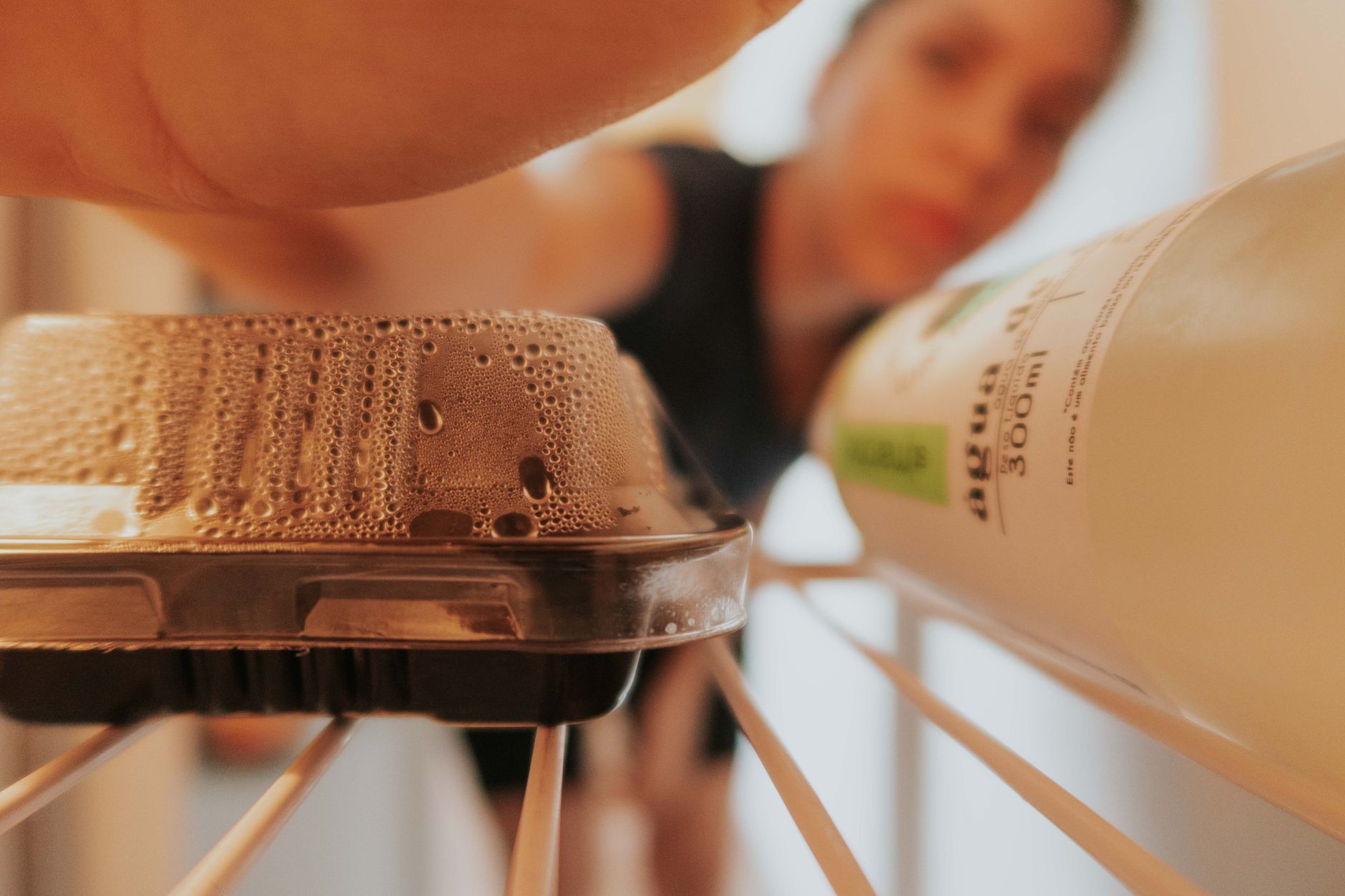
Store opened Chomps sticks in the fridge and use them within a few days.
are chomps safe during first trimester
The first trimester is the period of organogenesis, when the fetus’s major organs are forming. Because this window is especially sensitive to teratogens, ACOG advises pregnant people to be cautious with foods that contain high levels of nitrates or nitrites. Chomps beef sticks often contain sodium nitrite as a preservative, which, while approved for food use, is best limited during early pregnancy.
If you crave a protein boost in the first trimester, consider limiting Chomps to no more than one stick per week and pairing it with a fresh fruit or vegetable to offset sodium. Staying well‑hydrated also helps your kidneys process excess salt. Women with a history of miscarriage or those who have been advised to restrict sodium should discuss any Chomps consumption with their provider before the 12‑week mark.
In addition to sodium, the first trimester is a time when many pregnant people experience heightened nausea and food aversions. The strong flavor profile of Chomps may either be a welcome savory bite or an unpleasant trigger. Listening to your body’s cues and opting for milder, lower‑sodium options when nausea is present can help you stay nourished without overloading on salt.
chomps pregnancy second trimester safety
During the second trimester, the risk of birth‑defect formation declines, but the maternal cardiovascular system is under increased strain. The American Heart Association (AHA) notes that excessive sodium can exacerbate swelling and raise blood pressure, both of which are already under close monitoring in pregnancy. For most women with normal blood pressure, a single Chomps stick every three to four days is considered acceptable.
Second‑trimester snack planning should incorporate a variety of protein sources—legumes, dairy, and lean meats—to avoid overreliance on processed meats. If you have gestational diabetes, keep an eye on the carbohydrate content (generally low in Chomps) but also watch the overall caloric load, as excess calories can affect glucose control.
Many pregnant people find their appetite increases during the second trimester. Chomps can be a handy, portable option for on‑the‑go hunger, but pairing it with a fiber‑rich side (such as carrot sticks or a small apple) can help stabilize blood sugar and keep digestion smooth.
how many chomps can i eat while pregnant
The safest amount of Chomps during pregnancy depends on your overall diet and any medical conditions. A practical guideline is to treat each stick as a “high‑sodium treat” and aim for no more than 2,300 mg of sodium from all sources per day. Because a single Chomps stick can contain 250–500 mg of sodium, most nutritionists recommend limiting intake to one stick per week for the average pregnant person.
If you are an active athlete or have higher protein needs, you might stretch to two sticks per week, provided the rest of your diet is low in sodium and you stay well‑hydrated. Always balance meat sticks with fresh fruits, vegetables, whole grains, and dairy to ensure a nutrient‑dense diet.
For those who are tracking their sodium using a food diary or an app, remember that other common pregnancy foods—such as cheese, canned beans, and certain breads—can also contribute significant sodium. Keeping the total daily sodium under 2,300 mg helps protect against swelling, hypertension, and preeclampsia.
alternatives to chomps during pregnancy
Oberto All Natural Jerky – low sodium, no added nitrates, and certified grass‑fed.
Krave Jerky – gluten‑free, made with natural spices, and offers a lower‑sodium turkey option.
Righteous Felon Jerky – uses sea salt for flavor and contains no artificial preservatives.
The New Primal Jerky – high protein, free from nitrates, and gluten‑free.
Nick’s Sticks – lean turkey sticks with 150 mg sodium per piece and no added sugars.
Home‑made baked lentil chips – a plant‑based, low‑sodium snack that adds fiber.
Greek yogurt with a drizzle of honey – provides protein and calcium without excess sodium.
is chomps beef sticks safe for pregnant women
Beef sticks from Chomps are essentially dried, seasoned beef. They meet FDA standards for ready‑to‑eat meats, meaning they are free from harmful bacteria when sealed. The primary concerns are sodium (often 400 mg per stick) and the use of sodium nitrite. For most pregnant people without hypertension or a nitrite‑sensitivity, an occasional beef stick (once a week) is permissible.
However, if you have a diagnosed condition like preeclampsia, you should avoid high‑sodium snacks altogether, including Chomps beef sticks. Discuss any regular consumption with your obstetrician to tailor guidance to your health profile.
chomps turkey sticks pregnancy risks
Turkey sticks generally contain slightly less sodium than beef sticks, averaging around 250 mg per piece, and often have lower fat content. The risk profile is similar—mainly the presence of sodium nitrite. For pregnant people who are watching their sodium intake, turkey sticks may be the preferable option, but the same cautionary principle applies: limit to one stick per week unless your provider advises otherwise.
Because turkey is a lean protein source, these sticks can help meet iron and zinc needs, which are crucial for fetal development. Pairing them with a vitamin‑C‑rich fruit (like orange slices) can improve iron absorption.
chomps and gestational diabetes
Gestational diabetes management focuses on carbohydrate control and balanced meals. Chomps contain negligible carbs (typically <2 g per stick), making them a low‑glycemic snack. Nonetheless, the high sodium content can influence blood pressure and fluid balance, which indirectly impacts glucose regulation.
For women with gestational diabetes, a single Chomps stick per week is generally safe, but it should be part of a broader diet that emphasizes fiber‑rich vegetables, whole grains, and lean proteins. Always coordinate snack choices with your diabetes educator or nutritionist.
chomps and high blood pressure in pregnancy
Hypertension in pregnancy—whether chronic or gestational—requires strict sodium monitoring. The American College of Cardiology recommends keeping daily sodium below 1,500 mg for pregnant patients with high blood pressure. Because a Chomps stick can contribute up to 20 % of that limit, most clinicians advise limiting or avoiding them entirely if you have hypertension.
If you still want a meat‑stick snack, look for brands that specifically market low‑sodium options (e.g., Nick’s Sticks) and keep the portion size small. Always track your total daily sodium from all foods, beverages, and seasonings.
chomps vs epic provisions during pregnancy
Epic Provisions offers meat sticks that are marketed as “nitrate‑free” and often contain less sodium than Chomps. For pregnant people, the lower sodium and absence of nitrites make Epic Provisions a marginally safer choice, especially in the first trimester. However, both brands should still be consumed in moderation.
When comparing the two, consider the following:
Brand
Verdict
One‑line note
Chomps
⚠️ Caution
Higher sodium; contains nitrites.
Epic Provisions
⚠️ Slightly safer
Lower sodium; nitrate‑free.
Safe dosage / amount / brands
Each Chomps stick is a single serving (28 g). The USDA recommends pregnant people aim for about 71 g of protein daily. One stick provides roughly 14 % of that target, so it can fit into a balanced diet if other protein sources are moderated.
Because sodium is the limiting factor, a practical rule is to keep total sodium from all snacks under 500 mg per day. This translates to:
Maximum of one Chomps stick per week for most pregnant people.
If you follow a low‑sodium diet, limit to one stick per month.
Choose turkey sticks over beef sticks for a modest sodium reduction.
Pair each stick with a glass of water and a portion of fresh fruit or vegetable.
When purchasing, look for packaging that lists “no added nitrites” or “reduced sodium.” Brands such as Oberto and Krave provide clear labeling, whereas some generic store brands may not disclose nitrite content. If you’re uncertain, a quick call to the manufacturer’s customer service line can clarify ingredient specifics.
How to read the nutrition label for pregnancy
Understanding the label helps you stay within safe limits. First, locate the “Sodium” line; a single stick typically lists 250‑500 mg. Compare this to the daily value (DV) of 2,300 mg—each stick provides roughly 10‑22 % of the DV. Next, check the “Ingredients” section for “sodium nitrite” or “nitrates”; if you’re aiming for a nitrite‑free snack, choose products that explicitly state “no nitrites added.” Finally, note the protein content (around 10 g) and ensure it fits within your overall protein budget.
By scanning the label quickly, you can decide whether the stick fits into your daily sodium allowance and whether it aligns with any specific dietary restrictions you’ve discussed with your provider.
Side effects and risks
Most side effects from Chomps are related to its high sodium and preservative content:
Swelling or edema: Excess sodium can cause fluid retention, especially in the third trimester.
Elevated blood pressure: If you already have gestational hypertension, even a single stick may push numbers higher.
Digestive discomfort: The dense protein can be harder to digest for some, leading to mild stomach upset.
Allergic reaction: Rare, but possible if you’re sensitive to spices or preservatives.
Red‑flag symptoms that warrant immediate medical attention include severe headache, sudden swelling of hands or face, shortness of breath, or a rapid increase in blood pressure readings. If any of these occur after consuming a meat stick, call your provider right away.
It’s also worth noting that high sodium intake can exacerbate pre‑eclampsia symptoms, a serious pregnancy complication. Monitoring your blood pressure at home and keeping a log of sodium‑rich foods can help you and your provider spot trends before they become problematic.
Safer alternatives
Oberto All Natural Jerky – low sodium, no nitrites, and USDA‑organic certified.
Krave Jerky – offers a turkey variety with 150 mg sodium per stick.
Righteous Felon Jerky – uses sea salt and contains no artificial preservatives.
The New Primal Jerky – high protein, free from nitrates, and gluten‑free.
Nick’s Sticks – lean turkey sticks with minimal sodium and no added sugars.
Homemade baked lentil chips – a plant‑based, low‑sodium snack that adds fiber.
Plain Greek yogurt with a drizzle of honey – protein‑rich, calcium‑filled, and low‑sodium.
Related items — safety at a glance
Item
Verdict
One‑line note
Slim Jims
❌ Best avoided
High sodium and nitrite content.
Jack Link's Beef Jerky
⚠️ Caution
Moderate sodium; contains preservatives.
Oberto Jerky
✅ Generally safe
Low sodium, nitrite‑free.
Epic Provisions
⚠️ Slightly safer
Lower sodium, nitrate‑free.
Krave Jerky
✅ Generally safe
Gluten‑free, low sodium turkey option.
Perky Jerky
❌ Best avoided
High sodium and added sugars.
Myth vs. fact
Myth: All meat sticks are safe because they’re fully cooked.
Fact: While cooking eliminates bacteria, processed meats can still contain high sodium and nitrites, which require moderation during pregnancy.
Myth: Because Chomps have no added sugars, they’re automatically pregnancy‑friendly.
Fact: Sugar content is only one factor; sodium and preservative levels are equally important for maternal health.
Myth: One stick a day is fine for everyone.
Fact: Sodium limits differ based on blood pressure, kidney function, and overall diet; many providers advise no more than one stick per week for most pregnant patients.
Myth: Processed meats are always “bad” for pregnancy.
Fact: Processed meats can be part of a balanced diet when chosen wisely—low‑sodium, nitrite‑free options are preferable.
Key takeaways
Chomps are not prohibited, but limit intake to ≤1 stick per week for most pregnant people.
Watch sodium (250‑500 mg per stick) and nitrite content, especially in the first trimester.
Women with hypertension, preeclampsia, or gestational diabetes should discuss any consumption with their provider.
Consider lower‑sodium, nitrite‑free alternatives like Oberto or Krave Jerky.
Always balance meat sticks with plenty of fruits, vegetables, whole grains, and water.
Frequently asked questions
can i eat chomps while breastfeeding
Yes, you can eat Chomps while breastfeeding, but keep intake low (no more than one stick per week) because high sodium can affect milk volume and your hydration status.
are chomps gluten free and safe for pregnancy
Most Chomps varieties are gluten‑free, but “gluten‑free” does not automatically mean safe for pregnancy; the sodium and nitrite levels still require moderation.
chomps ingredients and pregnancy safety
Chomps typically contain beef or turkey, sea salt, natural spices, and sodium nitrite; the protein is safe, while the sodium and nitrite are the main concerns for pregnant people.
do chomps cause miscarriage
There is no evidence that Chomps cause miscarriage, but excessive sodium or nitrites in early pregnancy could increase risks associated with hypertension, so moderation is key.
can i have chomps during early pregnancy
You can have Chomps in early pregnancy, but limit to one stick per week and choose turkey sticks for lower sodium while monitoring blood pressure.
are chomps safe for pregnant women with diabetes
Because Chomps are low in carbs, they are generally safe for gestational diabetes, yet the sodium content can affect blood pressure; consult your diabetes educator for personalized advice.
are chomps safe for pregnancy
Overall, Chomps can be part of a balanced diet during pregnancy when eaten sparingly (≤1 stick per week) and when you have no contraindicating conditions like hypertension.
what are the signs of too much sodium while pregnant
Excess sodium can cause swelling (edema), increased thirst, frequent urination, and elevated blood pressure; if you notice sudden swelling or blood pressure above 140/90 mmHg, contact your provider.
can i freeze chomps for later use during pregnancy
Freezing Chomps is safe and can help preserve freshness; just thaw them in the refrigerator and consume within a few days to maintain texture and flavor.
what should i do if i exceed my daily sodium limit
If you accidentally exceed the recommended sodium limit, drink plenty of water, choose low‑sodium foods for the rest of the day, and monitor your blood pressure; if you notice swelling or feel unwell, reach out to your provider.
is it okay to combine chomps with other salty snacks?
Combining Chomps with other high‑sodium snacks can quickly push you over the daily limit, so it’s best to pair them with fresh fruits, vegetables, or low‑sodium options to keep overall intake balanced.
Choosing lower‑sodium jerky can help you stay within daily sodium limits.
When to call your doctor
If you experience any of the following after eating Chomps, contact your obstetric provider promptly:
Sudden or severe swelling of hands, feet, or face.
Unexplained headaches, visual disturbances, or shortness of breath.
Signs of dehydration such as dark urine, dizziness, or dry mouth.
Allergic reactions like hives, swelling of the lips, or difficulty breathing.
These symptoms may indicate that sodium intake or an underlying condition needs medical attention. Remember, this article provides general information and is not a substitute for personalized medical advice.
References
American College of Obstetricians and Gynecologists (ACOG). “Nutrition During Pregnancy.” 2023.
National Health Service (NHS). “Food safety and pregnancy.” Updated 2022.
Food and Drug Administration (FDA). “Food Safety: Ready‑to‑Eat Meat Products.” 2021.
Centers for Disease Control and Prevention (CDC). “Pregnancy and nutrition.” 2022.
Mayo Clinic. “Gestational diabetes diet: What to eat.” 2023.
American Heart Association (AHA). “Sodium and Pregnancy.” 2022.
World Health Organization (WHO). “Guidelines on Nutrient Intake for Pregnant Women.” 2021.
U.S. Institute of Medicine. “Dietary Reference Intakes for Protein.” 2005.
When Shubhra Mishra was expecting her first child in 2016, she was overwhelmed by conflicting food advice — one site said yes, another said never. By the time her second baby arrived in 2019, she realized millions of mothers face the same confusion.
That sparked a five-year journey through clinical nutrition papers, cultural diets, and expert conversations — all leading to BumpBites: a calm, compassionate space where science meets everyday motherhood.
Her long-term vision is to build a global community ensuring safe, supported, and free deliveriesfor every mother — because no woman should face pregnancy alone or uninformed. 🌿
🌍 Stand with mothers, shape safer guidance
Join a small circle of experts who review BumpBites articles so expecting parents everywhere can decide with confidence.