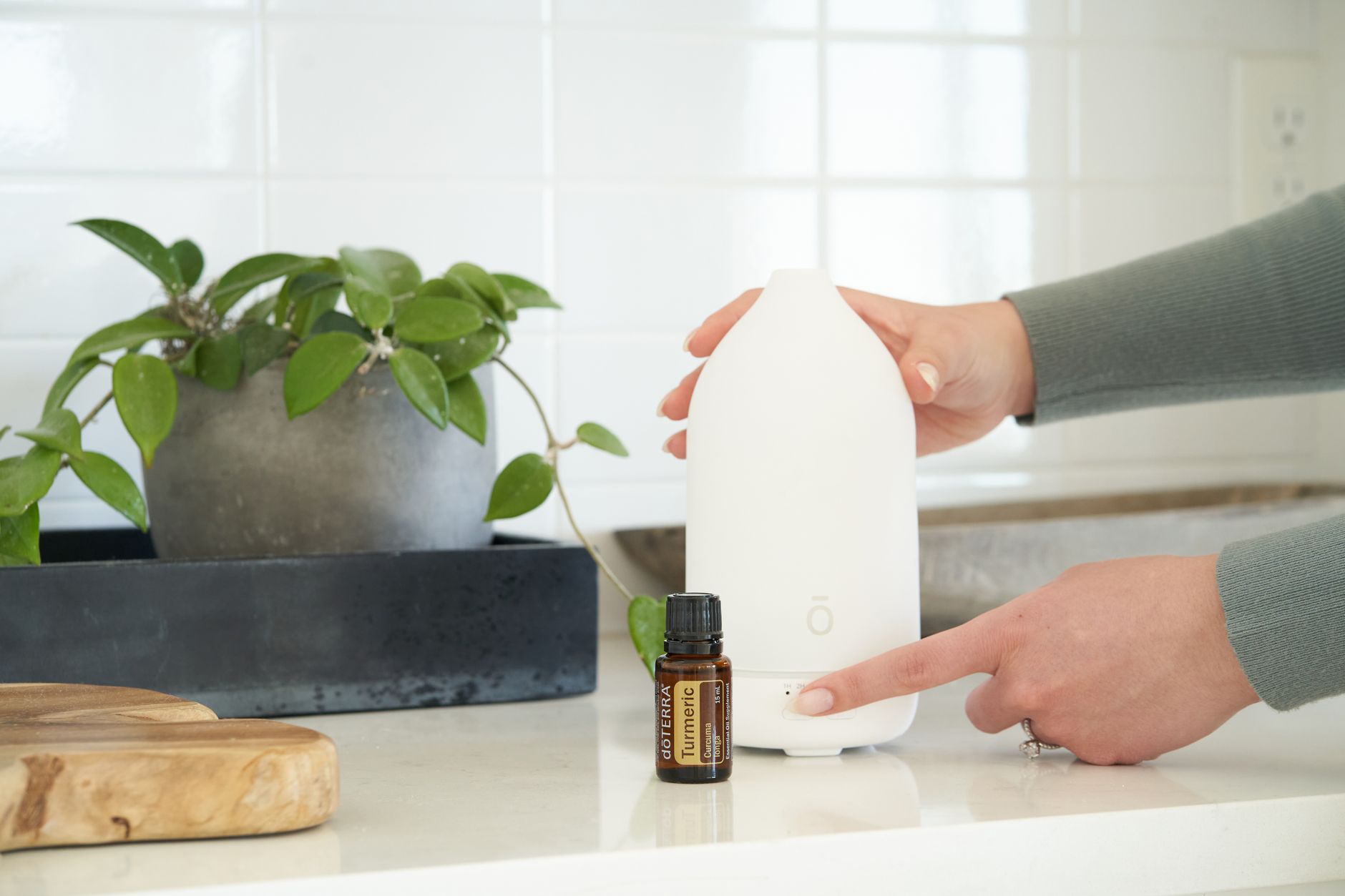
Safe with limits: Essential oils are generally okay in pregnancy, but keep dosage to no more than 2‑3 drops daily and avoid use in the first trimester.
By Shubhra Mishra — a mom of two who turned her own confusion during pregnancy into BumpBites, a global mission to make food choices clear, safe, and stress-free for every expecting mother. 💛
Check whether any food is safe during pregnancy with the BumpBites Food Safety Checker.
Quick verdict: ⚠️ Safe with limits – most essential oils can be used during pregnancy when diluted and kept to low exposure, but a few are best avoided and you should always check with your provider before starting. Use them sparingly, follow recommended dosages, and opt for pregnancy‑tested brands.
It’s 2 a.m., the nightlight casts a soft glow, and you’re scrolling through a sea of blog posts wondering, “are essential oils safe for pregnancy?” You might have already added a few drops of lavender to your pillow or diffused peppermint to ease nausea, and now the worry creeps in: could this be harming your baby? You’re not alone—many expecting parents have that same midnight anxiety.
Good news: the answer isn’t a simple “yes” or “no.” The safety of essential oils depends on the type of oil, how it’s applied, the amount used, and the stage of pregnancy you’re in. In this guide we’ll break down the overall safety verdict, look at trimester‑specific considerations, discuss recommended dosages, point out brands that meet pregnancy‑friendly standards, flag the oils you should steer clear of, and suggest gentler alternatives for relaxation and symptom relief.
By the end of this article you’ll know exactly are essential oils safe for pregnancy in your situation, what limits to keep, and when a quick call to your obstetrician is the safest move.
We also understand why the word “essential” can feel misleading. “Essential” refers to the oil’s concentrated nature, not to any requirement for health. Because the compounds are so potent, even a tiny amount can have a measurable physiological effect. That potency is why reputable health organizations—such as the American College of Obstetricians and Gynecologists (ACOG), the UK National Health Service (NHS), and the Centers for Disease Control and Prevention (CDC)—advise pregnant people to treat essential oils with the same caution you would give any medication or supplement.
Below, we’ll walk through the science, the practical guidance, and the everyday tips that let you enjoy calming scents without compromising safety.
Trimester / Period
Verdict
Notes
First trimester
⚠️ Use with caution
Limit to low‑dose topical use; avoid internal ingestion; diffusion in well‑ventilated space only.
Second trimester
✅ Generally safe
Diluted topical application (≤ 5 % essential oil) and short diffusion sessions (≤ 30 min) are acceptable for most oils.
Third trimester
⚠️ Use with caution
Some oils (e.g., clary sage, rosemary) may stimulate uterine contractions—avoid them. Keep diffusion brief.
Breastfeeding
✅ Generally safe
Topical use is fine; avoid ingestion. Choose oils with low skin‑penetration risk.
What are essential oils?
Essential oils are concentrated plant extracts obtained through distillation or cold‑pressing. They capture the aromatic compounds that give a plant its scent and, often, its therapeutic properties. When you add a few drops to a diffuser, a carrier oil, or a bath, you’re inhaling or absorbing these volatile molecules, which can influence mood, circulation, and even nausea. Because the oils are so potent—sometimes 100 × more concentrated than the original plant—they can also interact with the body’s hormonal and nervous systems, which is why safety guidance is especially important during pregnancy.
Beyond fragrance, many essential oils contain active phytochemicals such as linalool (found in lavender) or menthol (found in peppermint). These compounds can cross the skin barrier or be inhaled into the bloodstream, leading to systemic effects. In non‑pregnant adults, low‑dose exposure is generally well‑tolerated, but during pregnancy the developing fetus is more vulnerable to hormonal shifts and uterine activity. That’s why we emphasize dilution, limited exposure time, and avoidance of oils with known uterine‑stimulating or estrogenic activity.
Because essential oils are not regulated as drugs, the quality and purity of each bottle can vary widely. Third‑party testing—typically gas chromatography/mass spectrometry (GC/MS)—helps verify that the oil contains the advertised constituents and is free from contaminants like pesticides or synthetic additives. When you choose a brand that provides these certificates, you’re already taking a big step toward safer use.
Is essential oil safe during pregnancy?
Most of the research on essential oils and pregnancy comes from animal studies, small human trials, and case reports. The American College of Obstetricians and Gynecologists (ACOG) notes that while many oils appear low‑risk when properly diluted, the data are not robust enough to deem all oils universally safe. The UK’s National Health Service (NHS) advises pregnant women to avoid ingesting essential oils and to limit topical exposure to 1–2 % concentration. The U.S. Food and Drug Administration (FDA) does not regulate essential oils as drugs, so quality can vary widely. Taken together, the consensus from ACOG, NHS, and the CDC is that essential oils can be used cautiously, with a focus on dilution, limited duration, and avoidance of known high‑risk oils.
In short, are essential oils safe for pregnancy? Yes—if you choose low‑risk oils, dilute them properly, and respect trimester‑specific limits. However, certain oils (like clary sage, rosemary, and wintergreen) have enough estrogen‑like activity or uterine‑stimulating potential that many clinicians advise avoiding them entirely. The safest approach is to treat essential oils like any other complementary therapy: use the minimal effective amount, monitor how you feel, and keep your obstetric provider in the loop.
It’s also worth noting that the route of exposure matters. Inhalation through diffusion delivers a lower systemic dose than direct skin application, which in turn is lower than oral ingestion. For most pregnant people, diffusion and well‑diluted topical use are the safest ways to benefit from aromatherapy without over‑exposing the fetus.
Are essential oils safe to use during the first trimester of pregnancy?
The first trimester is the most sensitive period because the baby’s major organs are forming—a stage called organogenesis. During this window, substances that cross the placenta can potentially interfere with development. Most clinicians, including ACOG, recommend limiting exposure to essential oils during the first 12 weeks. If you do use them, keep diffusion sessions under 30 minutes, ensure the room is well‑ventilated, and stick to a dilution of no more than 1 % (about 1 drop of essential oil per 5 mL of carrier oil). Oils such as lavender, chamomile, and citrus (like orange) are generally considered low‑risk when used this way, whereas oils with strong uterine‑stimulating properties—clary sage, rosemary, and jasmine—should be avoided entirely.
When it comes to topical application, a thin layer of a diluted blend should be limited to non‑abdominal areas, such as the wrists or the back of the neck. Even then, a patch test is wise: apply a tiny amount to the inner forearm and wait 24 hours for any irritation. If you feel dizzy, nauseous, or notice any skin reaction, stop use immediately and discuss it with your provider.
Keep diffusion short and the room ventilated, especially during the first trimester.
What is the recommended dosage of essential oils for pregnant women?
Because essential oils are not regulated as medications, there isn’t a one‑size‑fits‑all dosage chart. However, experts converge on a few practical limits:
Diffusion: No more than 30 minutes at a time, 1–2 times per day, using a concentration of 1–2 drops per 100 mL of water.
Topical use: Dilute to 1 % (≈ 1 drop essential oil per 5 mL carrier oil) in the first trimester; 2–5 % (≈ 1 drop per 1 mL carrier oil) is acceptable in the second and third trimesters for most low‑risk oils.
Ingestion: Generally discouraged. If a practitioner recommends internal use, it should be at a dose prescribed by a qualified health professional and limited to a short course.
For reference, a typical “drop” from a standard bottle is about 0.05 mL. That means a 5 mL (1 tsp) carrier oil blend would contain roughly 5 drops of essential oil at a 1 % dilution. The FDA advises that any product intended for internal use should have clear labeling and be produced under Good Manufacturing Practices (GMP); many essential oil companies do not meet this standard, which is why internal use is best avoided unless under medical supervision.
Which essential oil brands are considered safe for pregnancy?
When choosing a brand, look for companies that provide third‑party testing (e.g., via GC/MS analysis) and clearly label their oils as “pure, therapeutic‑grade” and “pregnancy‑safe.” Some widely recognized brands that meet these criteria include:
Brand
Safety notes
Young Living
Offers a “Pregnancy Safe” list; most single‑note oils are low‑risk when diluted.
doTERRA
Provides a “Safe for Use During Pregnancy” guide; avoid blends containing rosemary or clary sage.
Plant Therapy
Lists “Pregnancy Safe” oils on its website; includes third‑party GC/MS reports.
Edens Garden
Transparent sourcing; flags high‑risk oils in product descriptions.
Even with reputable brands, always double‑check the ingredient list for any added synthetic fragrance or carrier oil that could cause irritation. And remember: “pure” does not automatically mean “safe for pregnancy”—the specific oil’s pharmacology matters more than the brand alone.
Can lavender essential oil be used safely in the second trimester?
Lavender (Lavandula angustifolia) is one of the most studied essential oils in pregnancy. ACOG notes that lavender, when used in low concentrations, appears to be low‑risk for both mother and baby. In the second trimester, a 2–5 % dilution (up to 5 drops per 1 mL carrier oil) applied to the skin or used in a diffuser for up to 30 minutes is generally considered safe. Some small studies suggest lavender may even help reduce anxiety and improve sleep quality, which are common concerns in the second trimester.
Nevertheless, a tiny minority of pregnant women report skin sensitivity to lavender. If you notice redness, itching, or a rash, discontinue use and rinse the area with mild soap and water. As always, discuss any new aromatherapy routine with your obstetrician, especially if you have a history of hormone‑sensitive conditions.
Are there any essential oils to avoid during pregnancy?
Yes—while many oils are low‑risk, several have enough estrogenic activity, uterine‑stimulating potential, or toxicity to merit avoidance. The following oils are commonly flagged by ACOG, NHS, and the National Association for Holistic Aromatherapy (NAHA):
Clary sage (Salvia sclarea) – may trigger uterine contractions.
Rosemary (Rosmarinus officinalis) – high in camphor; can be stimulating.
Wintergreen (Gaultheria procumbens) – contains methyl salicylate, a chemical similar to aspirin.
Hyssop (Hyssopus officinalis) – can affect the nervous system.
Oregano (Origanum vulgare) – highly potent and potentially irritating.
These oils should be excluded from any prenatal aromatherapy plan, especially during the first and third trimesters. If you happen to own a bottle, store it out of reach and consider donating it to a non‑pregnant friend.
What are the risks of using peppermint essential oil while pregnant?
Peppermint (Mentha piperita) is often turned to for nausea relief, a common early‑pregnancy symptom. When diluted to 1 % and applied topically to the wrists or inhaled from a diffuser for short periods, peppermint is generally regarded as safe by the NHS. However, high concentrations can cause heartburn, increased heart rate, or skin irritation. Some case reports suggest that excessive inhalation may trigger uterine contractions, though the evidence is weak.
To stay on the safe side, limit peppermint diffusion to 15–30 minutes per session, avoid applying it near the abdomen, and never ingest it without a healthcare provider’s guidance. If you develop a rapid heartbeat, dizziness, or heightened uterine cramping after using peppermint, stop immediately and contact your provider.
Use peppermint sparingly—short diffusion sessions and a light dilution are key.
Safety by trimester
First trimester safety
During weeks 1‑12, the embryo is forming its heart, brain, and other vital organs. Because the placenta is still developing, any compound that passes into the bloodstream can have a proportionally larger impact. The safest approach is to keep essential‑oil exposure minimal: limit diffusion to 20‑30 minutes, use a 1 % dilution for any topical application, and avoid any internal use. Low‑risk oils such as lavender, chamomile, and sweet orange are generally acceptable when used this way, but you should still monitor for any skin or respiratory reactions.
Second trimester safety
The second trimester (weeks 13‑27) is often the most comfortable period for many pregnant people, and the placenta is now fully functional, providing a protective barrier. This allows a slightly higher tolerance for essential oils. Dilutions up to 5 % are considered safe for most low‑risk oils, and diffusion can be extended to 30 minutes twice a day. However, you should still steer clear of the high‑risk list (clary sage, rosemary, wintergreen, etc.) because their uterine‑stimulating properties do not disappear later in pregnancy.
Third trimester safety
In the final stretch (weeks 28‑40), the fetus is growing rapidly, and the uterus is more sensitive to any stimulant that could provoke contractions. While many oils remain low‑risk, the duration and concentration of exposure should be reduced again. Stick to a 2‑5 % dilution for topical use, keep diffusion sessions under 30 minutes, and avoid any oil known to affect uterine tone. Some parents also find that certain scents, like peppermint, may exacerbate heartburn, which is common in late pregnancy.
Breastfeeding safety
After birth, many mothers wonder whether the oils they used during pregnancy can be continued while nursing. Most low‑risk essential oils are considered safe for breastfeeding when used topically in diluted form. The infant’s exposure through breast milk is minimal because the compounds are largely metabolized by the mother’s liver. Nonetheless, it’s wise to avoid oils with strong hormonal activity (e.g., clary sage) and to keep inhalation exposure low, especially in a shared sleeping environment.
Combining gentle movement with low‑dose aromatherapy can enhance comfort in the second trimester.
Side effects and risks
While many essential oils are well‑tolerated, they can cause side effects that range from mild to urgent. The most common issues are skin irritation, allergic reactions, and headaches. These are usually linked to undiluted application or over‑exposure during diffusion. If you notice redness, itching, or a rash after applying a blend, wash the area promptly and discontinue use.
More serious concerns involve uterine stimulation. Oils such as clary sage, rosemary, and wintergreen contain compounds that can mimic estrogen or directly affect smooth‑muscle tone, potentially leading to uterine cramps or premature contractions. If you experience persistent cramping, a rapid increase in abdominal pressure, or any signs of preterm labor, stop using the oil immediately and contact your obstetrician.
Systemic effects like rapid heartbeat, dizziness, or shortness of breath can also occur, especially with high‑concentration diffusion or when the oil is applied near the chest. These symptoms usually resolve when exposure stops, but they merit a prompt call to your provider if they persist for more than a few minutes.
What are safe alternatives to essential oils for pregnant women?
Chamomile tea – gentle, caffeine‑free, and helps with sleep and digestion.
Ginger tea – a well‑studied remedy for nausea that’s safe throughout pregnancy.
Unscented carrier oil (e.g., fractionated coconut oil) – provides soothing skin moisture without the risk of volatile compounds.
Prenatal yoga – improves circulation, reduces stress, and can be practiced safely with a qualified instructor.
Meditation apps (e.g., Headspace Pregnancy) – offer guided relaxation without any chemical exposure.
Pregnancy‑safe body lotion (e.g., Belli Elasticity Lotion) – hydrates skin and often contains mild, pregnancy‑approved botanicals.
Warm bath with Epsom salts – relaxes muscles and can alleviate swelling without aromatics.
Herbal compresses (e.g., cool cucumber slices) – provide soothing relief for headaches or swelling without essential‑oil exposure.
Low‑risk when diluted; helpful for anxiety and sleep.
Peppermint essential oil
✅ Generally safe
Good for nausea; keep concentration low to avoid heartburn.
Eucalyptus essential oil
⚠️ Use with caution
Can be irritating to respiratory passages; avoid high concentrations.
Tea tree essential oil
⚠️ Use with caution
Mild antimicrobial; may cause skin irritation if undiluted.
Rose essential oil
⚠️ Use with caution
Potential estrogenic activity; limit to low‑dose topical use.
Ylang‑ylang essential oil
⚠️ Use with caution
Can affect blood pressure; dilute heavily and monitor.
Sweet orange essential oil
✅ Generally safe
Uplifting scent; low irritation risk when diluted.
Geranium essential oil
⚠️ Use with caution
May have mild estrogenic effects; keep dilution low.
Myth vs. fact
Myth: All essential oils are natural, so they’re automatically safe for pregnancy. Fact: “Natural” does not equal “harmless.” Some oils have pharmacologic actions that can affect uterine tone or hormone levels, so each oil must be evaluated individually.
Myth: Diffusing essential oils is harmless because you’re not applying them to your skin. Fact: Inhalation still delivers volatile compounds to the bloodstream; prolonged or high‑concentration diffusion can lead to systemic exposure, especially in the first trimester.
Myth: A single drop of any essential oil is too little to matter. Fact: Even a single drop can be potent when inhaled or applied to a large skin area, particularly with oils that have strong uterine‑stimulating properties.
Myth: If a brand calls an oil “therapeutic‑grade,” it’s safe for pregnancy. Fact: “Therapeutic‑grade” is a marketing term, not a regulatory safety label. Always verify the oil’s specific pregnancy‑safe status regardless of branding.
Key takeaways
Most single‑note essential oils are low‑risk when diluted to ≤ 5 % and used in short diffusion sessions.
Avoid high‑risk oils such as clary sage, rosemary, and wintergreen throughout pregnancy.
During the first trimester, limit diffusion to 30 minutes, keep concentrations low, and avoid abdominal application.
Choose reputable brands that provide third‑party testing and clearly label “pregnancy‑safe” oils.
If you experience skin irritation, rapid heartbeat, or uterine cramping, stop use immediately and contact your provider.
Safe alternatives like chamomile tea, ginger tea, and prenatal yoga can provide similar soothing benefits without chemical exposure.
Frequently asked questions
Can I use essential oils during pregnancy?
Yes—most essential oils can be used safely when properly diluted and limited in duration, but you should avoid high‑risk oils and consult your provider, especially in the first trimester.
Which essential oils are safe to use while pregnant?
Lavender, peppermint, and sweet orange are generally regarded as low‑risk when diluted to ≤ 5 % and diffused for short periods; always check reputable brand guidelines for each oil.
How many drops of essential oil are safe for a pregnant woman?
For topical use, keep the concentration at 1 % (≈ 1 drop per 5 mL carrier oil) in the first trimester and up to 5 % (≈ 1 drop per 1 mL carrier oil) in later trimesters; for diffusion, 1–2 drops per 100 mL water is a common safe limit.
Are there any essential oils that should be avoided in pregnancy?
Yes—clary sage, rosemary, wintergreen, jasmine, hyssop, and oregano are commonly advised against because they may stimulate uterine contractions or carry other risks.
Is it safe to diffuse essential oils in the third trimester?
Diffusing low‑risk oils for ≤ 30 minutes at a low concentration (1–2 drops per 100 mL water) is generally acceptable, but avoid oils known to affect uterine tone, such as clary sage and rosemary.
Can essential oils cause miscarriage?
There is no definitive evidence that standard, low‑dose use of safe essential oils causes miscarriage, but high‑risk oils or excessive exposure could increase uterine activity, so caution is warranted.
Do essential oils affect fetal development?
Current research suggests that low‑dose, properly diluted essential oils do not adversely affect fetal development, yet the data are limited; therefore, many clinicians recommend erring on the side of minimal exposure.
Can I use essential‑oil roller blends during pregnancy?
Roller blends can be safe if the essential‑oil concentration does not exceed 1 % and the blend contains only low‑risk oils; apply only to non‑abdominal skin and perform a patch test first.
Is aromatherapy helpful for morning sickness?
Inhalation of peppermint or ginger essential oil (diluted to 1 %) for short periods can ease nausea for many pregnant people, but it should not replace medical treatment if vomiting is severe.
When to call your doctor
If you notice any of the following after using essential oils, contact your obstetrician or midwife right away:
Sudden, persistent uterine cramps or contractions.
Rapid heartbeat (over 100 bpm) or unexplained dizziness.
Severe skin reactions such as blistering, swelling, or intense itching.
Unusual headaches, visual disturbances, or feeling faint.
Any signs of preterm labor, such as regular contractions before 37 weeks.
These symptoms may signal that an oil is affecting your body more than intended. Remember, this article provides general information and is not a substitute for personalized medical advice. Always discuss aromatherapy plans with your health care provider.
References
American College of Obstetricians and Gynecologists. “Committee Opinion No. 774: Use of Complementary and Alternative Medicine in Obstetrics and Gynecology.” 2020.
National Health Service (UK). “Aromatherapy during pregnancy.” Updated 2022.
U.S. Food and Drug Administration. “Essential Oils: Consumer Safety.” 2021.
Centers for Disease Control and Prevention. “Pregnancy and Complementary Medicine.” 2023.
National Association for Holistic Aromatherapy. “Essential Oil Safety for Pregnancy.” 2022.
World Health Organization. “Guidelines on Safe Use of Aromatherapy.” 2020.
Young Living. “Pregnancy Safe Essential Oils List.” Accessed July 2026.
doTERRA. “Essential Oils Safe for Pregnancy.” Accessed July 2026.
Plant Therapy. “Pregnancy Safe Essential Oils.” Accessed July 2026.
When Shubhra Mishra was expecting her first child in 2016, she was overwhelmed by conflicting food advice — one site said yes, another said never. By the time her second baby arrived in 2019, she realized millions of mothers face the same confusion.
That sparked a five-year journey through clinical nutrition papers, cultural diets, and expert conversations — all leading to BumpBites: a calm, compassionate space where science meets everyday motherhood.
Her long-term vision is to build a global community ensuring safe, supported, and free deliveriesfor every mother — because no woman should face pregnancy alone or uninformed. 🌿
🌍 Stand with mothers, shape safer guidance
Join a small circle of experts who review BumpBites articles so expecting parents everywhere can decide with confidence.