Yes, you can lose weight safely while pregnant by focusing on balanced nutrition, moderate exercise, and doctor‑approved guidelines. Follow these proven steps for healthy weight management.
By Shubhra Mishra — a mom of two who turned her own confusion during pregnancy into BumpBites, a global mission to make food choices clear, safe, and stress-free for every expecting mother. 💛
Check whether any food is safe during pregnancy with the BumpBites Food Safety Checker.
Download the Complete Pregnancy Food Guide (10,000 Foods) 📘
Instant PDF download • No spam • Trusted by thousands of moms
💡 Your email is 100% safe — no spam ever.
Quick take: Losing a small amount of weight during pregnancy can be safe—but only with your provider’s clearance, a modest calorie deficit, and gentle exercise. Aim for no more than 0.5 lb (0.2 kg) per week, focus on nutrient‑dense foods, and watch for any warning signs.
It’s 3 a.m., you’re feeling a sudden flutter, and a quick Google search pops up the question, “Can I lose weight while pregnant?” The answer isn’t a simple yes or no; it depends on timing, how much weight you hope to shed, and whether you’re doing it under medical supervision. You’re not alone—many expecting parents wonder if a few pounds can be trimmed without compromising the baby’s growth.
In this guide we break down everything you need to know about safely navigating weight loss during pregnancy. We’ll cover which trimester is safest, how many pounds you can realistically lose, what a pregnancy‑friendly diet looks like, gentle workouts that keep you moving, and red‑flag symptoms that demand a doctor’s call. We’ll also touch on nutrition gaps, postpartum transition, and practical tips you can start using tonight.
Is it safe to lose weight during the second trimester?
For most women, the second trimester (weeks 13‑27) is the period of most stable energy levels and fewer early‑pregnancy symptoms. According to the American College of Obstetricians and Gynecologists (ACOG), intentional weight loss is generally discouraged unless you have a pre‑existing health condition that requires it, such as uncontrolled gestational diabetes or severe obesity that poses a risk to the pregnancy.
If your provider gives you clearance, the key is a very modest calorie reduction—no more than 300‑500 kcal below your maintenance needs. This translates to roughly 0.5 lb (0.2 kg) per week at most. Anything faster can jeopardize placental growth, which the NHS notes is linked to low birth weight and preterm delivery.
Imagine Maya, a 32‑year‑old expecting her first child, who was told she needed to stay within a healthy weight range before her 20‑week appointment. Her obstetrician approved a gentle plan: a daily 350‑kcal deficit and a walking routine. By the end of the second trimester, Maya had lost just under 4 lb, and her ultrasound showed a thriving baby with appropriate growth measurements. Her story illustrates that, with professional guidance, modest weight loss can be safe.
Medical clearance is non‑negotiable
Ask your obstetrician or midwife for written approval before making any diet or exercise changes.
Provide a recent weight chart and discuss any underlying conditions (e.g., hypertension, diabetes).
If you have a BMI ≥ 30 kg/m² before pregnancy, your provider may suggest a controlled weight‑loss plan to reduce complications.
What the guidelines say
ACOG and the Royal College of Obstetricians and Gynaecologists (RCOG) both recommend that weight loss, when approved, should not exceed 0.5 lb per week and should be monitored closely with regular weight checks.
How many pounds can I lose per week while pregnant?
Most reputable sources, including the Mayo Clinic and the UK’s NHS, agree that a safe weekly loss is no more than half a pound (about 0.2 kg). This rate mirrors the maximum recommended weight‑gain guidelines for women who start pregnancy with a higher BMI. Losing more than this can lead to nutrient deficiencies and may affect fetal growth.
To visualize this, think of a typical pregnancy diet providing 2,200‑2,400 kcal per day for the second trimester. Cutting 300‑500 kcal yields a deficit that translates to roughly 0.5 lb per week. The math is simple: 1 lb of body fat stores about 3,500 kcal, so a 350‑kcal daily shortfall produces a 0.5‑lb loss over a week.
Below is a quick reference table summarizing the recommended weekly loss and corresponding calorie deficit for each trimester.
Trimester
Recommended weekly weight loss
Typical calorie deficit
First (0‑12 weeks)
0 lb (focus on stable gain)
0 kcal (maintenance)
Second (13‑27 weeks)
≤ 0.5 lb (0.2 kg)
300‑500 kcal
Third (28‑40 weeks)
≤ 0.5 lb (0.2 kg)
300‑500 kcal
Remember, the goal isn’t rapid shedding but steady, sustainable change. If you notice weight dropping faster than 0.5 lb per week, pause and discuss with your provider immediately.
Why a slower pace matters
Fast weight loss can deplete essential nutrients like iron, calcium, and folic acid—critical for the baby’s brain and bone development. The CDC emphasizes that inadequate intake of these micronutrients is linked to neural tube defects and poor skeletal formation.
Tracking your progress
Weigh yourself once a week, at the same time of day, preferably after waking.
Log your intake using a reputable app that tracks macro‑ and micronutrients.
Share your weekly chart with your prenatal care team.
What diet plan is recommended for weight loss during pregnancy?
Rather than a “diet” in the traditional sense, think of a pregnancy‑optimized eating plan. It emphasizes balanced macronutrients, plenty of fiber, and a focus on micronutrient‑dense foods. The USDA’s MyPlate model, adapted for pregnancy, suggests the following daily distribution:
Protein: 20‑25 % of calories (lean meats, beans, tofu)
For weight loss, you’d trim the carbohydrate portion slightly while ensuring protein stays high to preserve lean tissue. A sample 2,200‑kcal day might look like this:
Breakfast: Greek yogurt with berries and a sprinkle of chia seeds (300 kcal)
Snack: Apple slices with almond butter (200 kcal)
Lunch: Quinoa salad with grilled chicken, mixed greens, and a lemon‑olive‑oil dressing (500 kcal)
Evening snack: A small piece of dark chocolate (100 kcal)
Adjust portions based on your personal calorie target, but never dip below 1,800 kcal without a provider’s supervision. The WHO stresses that pregnant women should meet their recommended daily allowances (RDAs) for iron (27 mg), calcium (1,000 mg), and folic acid (600 µg), regardless of weight‑loss goals.
Best prenatal vitamins for weight management
While prenatal vitamins don’t directly cause weight loss, they can fill gaps created by a lower‑calorie diet. Look for formulas that include iron, iodine, vitamin D, and DHA. Brands that meet the US Pharmacopeia (USP) standards and have FDA approval are reliable choices.
Managing cravings and hunger
Pregnancy hormones often heighten cravings. To keep them in check:
Stay hydrated—sometimes thirst masquerades as hunger.
Include a source of protein or healthy fat at every meal.
Allow a “controlled treat” once a week to prevent binge episodes.
Safe exercises for weight loss in pregnancy
Exercise during pregnancy is a cornerstone of healthy weight management. The ACOG recommends at least 150 minutes of moderate‑intensity aerobic activity per week for most pregnant women, provided there are no contraindications.
Low‑impact workouts are ideal for weight loss while protecting joints and the uterus. Here are three safe options:
Walking briskly—a 30‑minute walk at a pace where you can talk but not sing burns about 150 kcal.
Prenatal yoga—focuses on flexibility, core stability, and stress reduction, contributing up to 120 kcal per hour.
Water aerobics—the buoyancy reduces pressure on the spine while providing a full‑body workout, expending roughly 200 kcal in 30 minutes.
Strength training with light dumbbells (5‑10 lb) or resistance bands can preserve muscle mass, which helps maintain metabolism. Aim for two sessions per week, focusing on major muscle groups, and keep the load below 70 % of your one‑rep max.
Below is a sample weekly exercise schedule that balances cardio, strength, and flexibility.
Day
Activity
Duration
Estimated Calorie Burn
Monday
Brisk walk
30 min
150 kcal
Tuesday
Prenatal yoga
45 min
120 kcal
Wednesday
Resistance band circuit
20 min
100 kcal
Thursday
Water aerobics
30 min
200 kcal
Friday
Rest or gentle stretching
—
—
Saturday
Brisk walk + light jog (if cleared)
35 min
170 kcal
Sunday
Prenatal Pilates
30 min
110 kcal
Always listen to your body. If you feel dizziness, shortness of breath, or uterine contractions, stop and contact your provider.
Low‑impact workouts for pregnant women wanting to lose weight
Stationary cycling with low resistance.
Elliptical trainer set to a gentle incline.
Modified body‑weight circuits (e.g., wall push‑ups, seated leg lifts).
How does losing weight affect my baby’s development?
Fetal growth is tightly linked to maternal nutrition. The placenta transfers glucose, amino acids, and fatty acids from mother to baby. When a mother maintains an appropriate calorie intake—roughly 300‑500 kcal below maintenance but still meeting micronutrient needs—the baby’s growth charts remain within normal ranges, according to ACOG.
However, if weight loss is too rapid or the diet lacks key nutrients, the baby may experience intrauterine growth restriction (IUGR). The CDC notes that IUGR is associated with low birth weight (< 5 lb 8 oz) and can increase the risk of developmental challenges later in life.
Consider the example of Elena, a second‑trimester mother who attempted a restrictive low‑carb diet without medical oversight. By week 24, her ultrasound showed a fetal weight below the 10th percentile. After consulting her obstetrician, she shifted to a balanced, higher‑calorie plan, and subsequent scans returned to a healthy growth trajectory.
DHA (Omega‑3) – essential for brain and eye development.
Can I use intermittent fasting while pregnant?
Intermittent fasting (IF) has become popular for weight management, but most professional bodies caution against its use during pregnancy. The ACOG and NHS both state that pregnant women need consistent nutrient intake throughout the day to sustain fetal growth and maintain stable blood‑sugar levels.
Studies on IF in pregnancy are limited and primarily observational. A small 2022 review in the Journal of Maternal‑Fetal & Neonatal Medicine found that restrictive fasting windows were linked to lower gestational weight gain, but also to higher rates of preterm birth in a subset of participants. Because the evidence is not robust, the safest course is to avoid formal fasting protocols.
If you’re craving the simplicity of IF, consider a modified approach: a 12‑hour eating window (e.g., 8 a.m.–8 p.m.) that still allows for regular meals and snacks, ensuring you meet your daily vitamin and mineral goals. Always discuss any fasting plan with your healthcare provider first.
Safer alternatives to intermittent fasting
Eat five smaller meals and two snacks spread evenly across the day.
Focus on high‑protein breakfasts to curb mid‑morning cravings.
Include a balanced snack before bedtime to prevent overnight hunger.
What are the signs that weight loss is too rapid during pregnancy?
Monitoring is essential. The following signs suggest that your weight‑loss pace may be unsafe and warrant immediate medical attention:
Unexplained fatigue or dizziness lasting more than a few minutes.
Persistent hunger despite regular meals.
Rapidly decreasing weight (> 0.5 lb per week) over several weeks.
Reduced fetal movement or a noticeable slowdown in growth on ultrasound.
Signs of nutrient deficiency: hair loss, pale skin, or frequent muscle cramps.
If you notice any of these, contact your obstetrician or midwife promptly. Early intervention can prevent complications for both you and the baby.
How to track weight loss progress during pregnancy
Record your weight on a same‑day, same‑time schedule—preferably morning after bathroom use.
Log calories and macronutrient distribution in a reputable nutrition app.
Take note of how you feel physically and emotionally; subjective wellness is as important as the numbers.
Bring your weight‑trend chart to each prenatal visit for professional review.
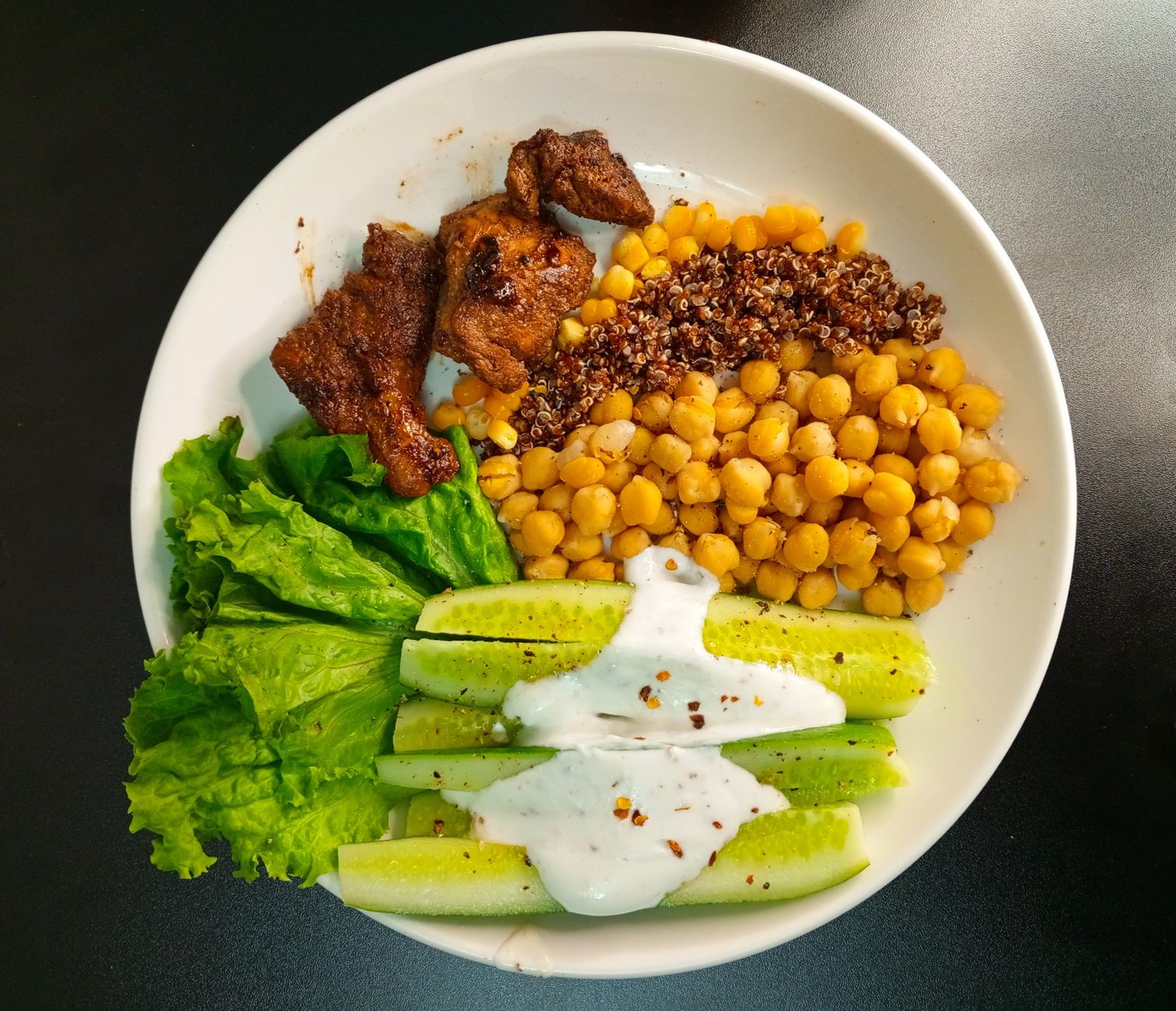
A balanced plate like this can support modest weight loss while providing essential nutrients.
Additional practical tips for a healthy pregnancy weight‑loss journey
Beyond the core questions, many expecting parents wonder about the nitty‑gritty of daily life. Below we address several common follow‑up topics.
Calorie intake recommendations for pregnant women trying to lose weight
For most second‑trimester mothers, ACOG suggests a baseline of 2,200‑2,400 kcal per day. Subtracting 300‑500 kcal yields a target of 1,700‑2,100 kcal. The exact number depends on pre‑pregnancy BMI, activity level, and individual metabolic rate. A registered dietitian can calculate a personalized plan using the Mifflin‑St Jeor equation.
Healthy snack ideas for pregnant women on a weight‑loss plan
Greek yogurt with a handful of berries and a drizzle of honey.
Whole‑grain crackers topped with avocado and a sprinkle of pumpkin seeds.
Carrot sticks paired with hummus.
Apple slices with a thin layer of almond butter.
Low‑fat cheese sticks and a few grapes.
Best prenatal vitamins for weight management
Choose a prenatal multivitamin that offers 100 % of the RDA for iron, calcium, vitamin D, and DHA, while keeping added sugars and fillers low. Brands that have third‑party testing (e.g., USP Verified) provide an extra layer of safety.
Postpartum weight‑loss tips after gaining weight during pregnancy
After delivery, your body needs time to recover. The ACOG recommends focusing on gentle activity—such as walking and pelvic‑floor exercises—before aiming for a weight‑loss goal. Once cleared (usually at the 6‑week postpartum check), a gradual calorie deficit of 250‑400 kcal per day, combined with continued breastfeeding (if applicable), can help you return to pre‑pregnancy weight safely.
Low‑impact workouts for pregnant women wanting to lose weight
In addition to the earlier list, consider these gentle options:
Modified step‑aerobics on a low‑step platform.
Slow‑tempo dancing to favorite music in a living‑room setting.
Chair‑based strength circuits (e.g., seated leg extensions, overhead press with light weights).
Gentle yoga can improve flexibility and reduce stress while supporting modest weight loss.
Myth vs. fact
Myth: You must stop eating altogether to lose weight safely during pregnancy.
Fact: Safe weight loss requires a modest calorie deficit, not starvation. Your body still needs enough fuel for the baby’s growth.
Myth: Intermittent fasting is the fastest way to shed pounds while pregnant.
Fact: Most professional bodies advise against fasting during pregnancy because it can cause nutrient gaps and blood‑sugar instability.
Myth: All exercise is dangerous for the baby.
Fact: Low‑impact, moderate‑intensity activities like walking, swimming, and prenatal yoga are endorsed by ACOG and are beneficial for both mother and baby.
Key takeaways
Only pursue weight loss with explicit clearance from your obstetric provider.
Aim for no more than 0.5 lb (0.2 kg) loss per week, achieved through a 300‑500 kcal daily deficit.
Prioritize nutrient‑dense foods and meet RDAs for folic acid, iron, calcium, and DHA.
Choose low‑impact cardio (walking, swimming) and light strength training.
Watch for warning signs: rapid weight loss, dizziness, reduced fetal movement, or nutrient‑deficiency symptoms.
After birth, focus on gentle activity and a gradual calorie reduction before targeting specific weight‑loss goals.
Frequently asked questions
Can you lose weight while pregnant?
Yes, but only under medical supervision and with a very modest calorie deficit—typically no more than 0.5 lb per week.
How much weight should I lose during pregnancy?
Most guidelines suggest that women with a pre‑pregnancy BMI ≥ 30 kg/m² may aim to lose up to 0.5 lb per week, but many providers recommend maintaining weight rather than losing it.
What foods should I avoid when trying to lose weight pregnant?
Limit high‑sugar beverages, refined carbs, and excessive processed snacks; however, avoid any food that eliminates essential nutrients—focus on balanced meals instead.
Is it safe to do cardio exercise in the first trimester?
Moderate cardio, like walking or light cycling, is generally safe in the first trimester if you feel well and have no contraindications.
How do I know if my weight loss is harming my baby?
Red flags include rapid weight loss (> 0.5 lb per week), decreased fetal movement, or ultrasound showing growth below the 10th percentile; contact your provider immediately.
Should I consult my doctor before starting a weight‑loss diet in pregnancy?
Absolutely—your provider can assess your health, determine if weight loss is advisable, and tailor a safe plan for you and your baby.
When to call your doctor
If you experience any of the following, reach out to your obstetrician or midwife right away: sudden dizziness, fainting, persistent vomiting, rapid weight loss (> 0.5 lb per week), decreased fetal kicks, or signs of nutrient deficiency such as severe cramping or hair loss. This article is for informational purposes only and does not replace personalized medical advice.
References
American College of Obstetricians and Gynecologists (ACOG). “Weight Gain During Pregnancy.” Practice Bulletin No. 171, 2020.
National Health Service (NHS). “Healthy Weight Gain in Pregnancy.” Updated 2022.
Mayo Clinic. “Pregnancy Weight Gain: How Much Is Too Much?” 2023.
World Health Organization (WHO). “Nutritional Recommendations for Pregnant Women.” 2021.
Centers for Disease Control and Prevention (CDC). “Maternal and Infant Health.” 2022.
Royal College of Obstetricians and Gynaecologists (RCOG). “Nutrition and Weight Management in Pregnancy.” 2021.
Journal of Maternal‑Fetal & Neonatal Medicine. “Intermittent Fasting in Pregnancy: A Review.” 2022.
U.S. Food and Drug Administration (FDA). “Prenatal Vitamins: What to Look For.” 2023.
Nutrition.gov. “Calorie Needs During Pregnancy.” 2022.
British Nutrition Foundation. “Folate, Iron, Calcium, and DHA in Pregnancy.” 2021.
Editor's pick for this topic
Not sure about the label on How To Lose Weight Safely During Pregnancy products?
Snap the ingredients list (or paste it, or scan the barcode) and SafeFilter checks every ingredient against your stage of pregnancy — flagging what to avoid, what needs care, and what's fine.
When Shubhra Mishra was expecting her first child in 2016, she was overwhelmed by conflicting food advice — one site said yes, another said never. By the time her second baby arrived in 2019, she realized millions of mothers face the same confusion.
That sparked a five-year journey through clinical nutrition papers, cultural diets, and expert conversations — all leading to BumpBites: a calm, compassionate space where science meets everyday motherhood.
Her long-term vision is to build a global community ensuring safe, supported, and free deliveriesfor every mother — because no woman should face pregnancy alone or uninformed. 🌿
🌍 Stand with mothers, shape safer guidance
Join a small circle of experts who review BumpBites articles so expecting parents everywhere can decide with confidence.