Discover the first steps to take after a positive pregnancy test. Learn what to do when you find out you're pregnant, from scheduling a doctor's visit to lifestyle adjustments.
By Shubhra Mishra — a mom of two who turned her own confusion during pregnancy into BumpBites, a global mission to make food choices clear, safe, and stress-free for every expecting mother. 💛
Check whether any food is safe during pregnancy with the BumpBites Food Safety Checker.
Download the Complete Pregnancy Food Guide (10,000 Foods) 📘
Instant PDF download • No spam • Trusted by thousands of moms
💡 Your email is 100% safe — no spam ever.
Quick take: Congratulations! After a positive pregnancy test, confirm the result, schedule a prenatal visit within the next week, start a prenatal vitamin with folic acid, and make gentle lifestyle tweaks—like balanced nutrition, safe exercise, and stress management—to give your baby the best start.
It’s 2 a.m., you’re staring at the faint pink line on a home pregnancy test, and a mix of excitement and worry floods your mind. “What do I do now?” you wonder. You’re not alone—millions of new parents have stood in this exact spot, and most of them felt the same swirl of questions.
Below, we walk you through every practical step you can take right after that positive line appears. From confirming the result to choosing a prenatal vitamin, planning your first doctor’s visit, and navigating early symptoms, we’ve gathered the most trusted guidance from ACOG, NHS, and CDC to help you feel confident and prepared.
Read on for a clear, step‑by‑step roadmap, budget‑friendly tips, and the emotional support you deserve. Let’s turn that pink line into a plan you can trust.
How can I confirm that my home pregnancy test is accurate?
First, double‑check the test instructions: most kits recommend waiting 48–72 hours after a missed period for the most reliable result. If the line is faint but appears in the correct window, it’s usually a positive. To be extra sure, repeat the test with a second kit in the morning when urine is most concentrated.
If you want medical confirmation, a blood test called a quantitative human chorionic gonadotropin (β‑hCG) can detect pregnancy as early as 8 days after conception and provides a precise hormone level. This test is typically done at a clinic or your primary care office and is the gold standard endorsed by the American College of Obstetricians and Gynecologists (ACOG).
When in doubt, schedule a quick visit with your chosen provider. A urine dipstick at the office can also confirm the result, and the clinician can immediately discuss next steps.
What prenatal vitamins should I start taking after a positive pregnancy test?
Begin a prenatal vitamin as soon as you see that positive line. The most critical ingredient is folic acid—400 µg daily—to reduce the risk of neural‑tube defects such as spina bifida. Look for a product that also contains iron (27 mg), calcium (200–300 mg), vitamin D (600 IU), DHA (200–300 mg), and iodine (150 µg), all of which support fetal development and maternal health.
Many reputable brands meet these standards, but you can also opt for a prescription prenatal vitamin if you have specific health concerns, such as anemia or a history of pre‑eclampsia. Discuss any existing supplements with your provider to avoid excessive vitamin A or other nutrients.
Here’s a quick comparison of common prenatal vitamin formulations:
Brand
Folic Acid
Iron
Calcium
Vitamin D
DHA
Brand A (OTC)
800 µg
27 mg
200 mg
600 IU
200 mg
Brand B (Prescription)
1000 µg
30 mg
300 mg
800 IU
300 mg
Brand C (OTC, vegan)
400 µg
25 mg
250 mg
400 IU
250 mg
Take the vitamin with a glass of water and a small snack to reduce nausea. If you experience stomach upset, a chewable or gummy version may be gentler, though you’ll need to verify the dosage.
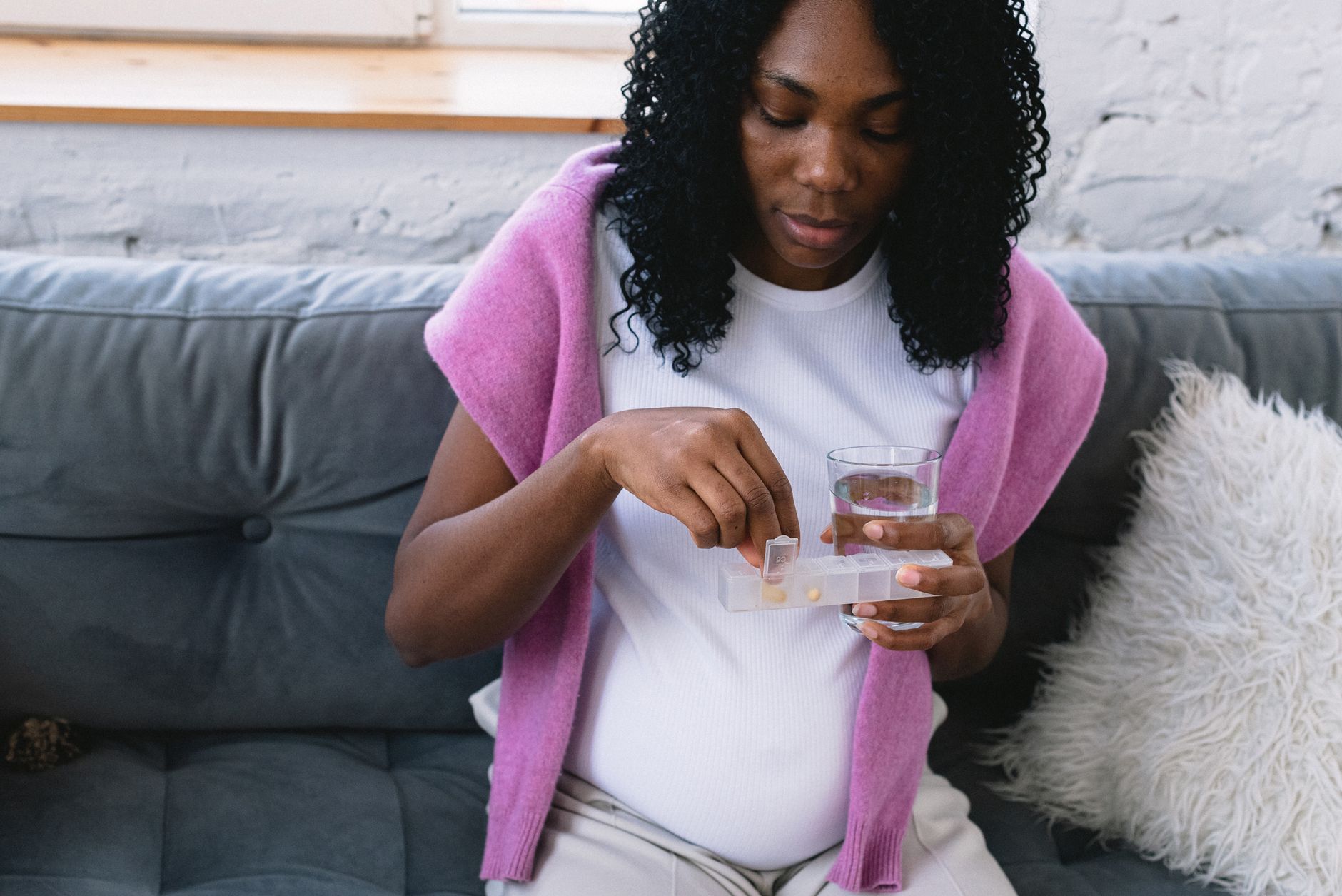
Start your prenatal vitamin routine with a balanced snack to ease absorption.
How soon should I schedule my first prenatal appointment after finding out I'm pregnant?
ACOG and the NHS recommend booking your first prenatal visit within the first eight weeks of pregnancy, ideally within one week of a positive test. Early appointments let your provider confirm the gestational age with an ultrasound, assess your overall health, and begin a personalized care plan.
When you call to schedule, have your last menstrual period (LMP) date handy, as well as any existing health conditions, medications, and a list of questions you want answered. Many clinics offer same‑day or next‑day openings for new pregnancies, especially in larger health systems.
If you’re uninsured or concerned about cost, ask the office about sliding‑scale fees or community health centers that provide low‑cost prenatal care. Some insurers require a referral from a primary care physician, so verify your plan’s requirements early.
What early pregnancy symptoms should I expect and when do they usually begin?
Hormone surges start the moment the fertilized egg implants, typically 6–12 days after conception. Common early signs include:
Spotting or light bleeding: Known as implantation bleeding, it’s usually pink or brown and lasts a day or two.
Breast changes: Tenderness, swelling, or a darkening areola often begin within the first few weeks.
Nausea or “morning sickness”: Affects about 70 % of pregnant people, often kicking in around weeks 4‑6.
Fatigue: Progesterone can make you feel sleepy; many report a sudden need for extra rest.
Frequent urination: The uterus presses on the bladder, especially noticeable by the end of the first trimester.
These symptoms vary widely—some people feel none at all, while others experience them intensely. If you notice heavy bleeding, severe abdominal pain, fever, or a sudden loss of fetal movement (rare in early weeks), contact your provider right away.
How to manage morning sickness naturally during early pregnancy?
Small, frequent meals can keep blood sugar stable and reduce nausea. Try bland options like crackers, toast, or plain rice. Ginger—whether in tea, candy, or capsules—has solid evidence from the Mayo Clinic for easing nausea when taken in 250 mg doses up to three times daily.
Stay hydrated with water, electrolyte drinks, or herbal teas (avoid peppermint if you have heartburn). Vitamin B6 (pyridoxine) at 10–25 mg three times a day is another safe option recommended by the CDC for mild nausea.
If symptoms worsen, your provider may prescribe safe medications such as doxylamine‑pyridoxine (Diclegis) or ondansetron, but these are only needed for moderate to severe cases.
What foods and drinks should I avoid during the first trimester?
The first trimester is the most critical period for organ development, so nutrition matters. Avoid:
Raw or undercooked animal products: This includes sushi with raw fish, rare steak, and soft‑boiled eggs, which can harbor Listeria or Toxoplasma.
Unpasteurized dairy and juices: They may contain harmful bacteria; choose “pasteurized” labels.
High‑mercury fish: Skip shark, swordfish, king mackerel, and limit albacore tuna to 150 g per week. Opt for low‑mercury options like salmon, sardines, and shrimp.
Caffeine: Limit to 200 mg per day (about one 12‑oz coffee) as per the FDA, because high intake is linked to lower birth weight.
Alcohol and smoking: No safe level has been proven; abstaining eliminates risk of fetal alcohol spectrum disorders and growth restriction.
Focus on whole grains, fruits, vegetables, lean proteins, and dairy or fortified plant milks. These provide the folate, iron, and calcium your growing baby needs.
What lifestyle changes (exercise, sleep, stress) should I make right after learning I'm pregnant?
Gentle, regular activity—such as walking, prenatal yoga, or swimming—helps maintain cardiovascular health and reduces pregnancy‑related discomfort. The CDC recommends at least 150 minutes of moderate‑intensity exercise per week, spread over most days.
Prioritize sleep by establishing a calming bedtime routine, using a supportive pillow, and keeping the bedroom cool. Aim for 7–9 hours of rest, and listen to your body—if you feel fatigued, allow extra naps.
Stress management is equally important. Simple practices like deep‑breathing, short mindfulness sessions, or journaling can lower cortisol levels, which benefit both you and the baby. If anxiety feels overwhelming, consider a therapist experienced in perinatal mental health.
When can I start exercising safely after a positive pregnancy test?
Most healthcare providers clear low‑impact exercise within the first few weeks, provided you have no contraindications such as vaginal bleeding, severe anemia, or a history of miscarriage. A short, 10‑minute walk or gentle stretching is an excellent way to begin.
Progress to more structured activity (e.g., a prenatal class) once you’ve had your first prenatal appointment and your provider has confirmed the pregnancy is progressing normally. Avoid high‑impact sports, heavy lifting, or activities with a high risk of falling.
How much weight should I gain in the first trimester of pregnancy?
Weight gain recommendations differ by pre‑pregnancy body mass index (BMI). The Institute of Medicine (IOM) suggests:
Underweight (BMI < 18.5): 1‑5 lb (0.5‑2.3 kg) in the first trimester.
Normal weight (BMI 18.5‑24.9): 1‑5 lb (0.5‑2.3 kg).
Overweight (BMI 25‑29.9): 0‑4 lb (0‑1.8 kg).
Obese (BMI ≥ 30): 0‑3 lb (0‑1.4 kg).
Most of the total pregnancy weight gain will occur in the second and third trimesters. Tracking weight at each prenatal visit helps ensure you’re on a healthy trajectory.
What is the typical cost of prenatal care and how can I budget for it?
In the United States, the average cost for routine prenatal care—including doctor visits, labs, and ultrasounds—ranges from $2,500 to $4,000 for a low‑risk pregnancy, according to the Health Care Cost Institute. In the UK, NHS‑covered care is free at the point of use, though private options can cost £2,000‑£5,000.
To budget:
Check your insurance’s maternity coverage—most plans cover 80‑100 % of prenatal visits after the deductible.
Ask your provider about a cost estimate and any cash‑pay discounts.
Explore community health clinics, which often offer sliding‑scale fees based on income.
Set aside a small monthly amount in a dedicated “baby fund” to cover co‑pays, supplements, and unexpected tests.
What insurance coverage options are available for prenatal visits?
Most employer‑based plans in the U.S. include maternity benefits under the Affordable Care Act (ACA). If you’re self‑employed or uninsured, consider:
Marketplace plans: Many include essential health benefits, including prenatal care, with no lifetime caps.
Medicaid: Eligibility depends on income; it covers full prenatal services in all 50 states.
CHIP (Children’s Health Insurance Program): Some states extend coverage to pregnant women.
In the UK, the NHS provides comprehensive prenatal care, but you can also purchase private insurance for faster appointments or additional services.
What are the signs of a healthy early pregnancy versus complications?
A healthy early pregnancy typically includes:
Gradual increase in hCG levels (doubling every 48‑72 hours).
Absence of heavy vaginal bleeding.
Mild to moderate nausea, which is common.
Consistent fetal heartbeat detectable by ultrasound around 6‑7 weeks.
Warning signs that merit immediate medical attention include:
Severe abdominal pain or cramping.
Heavy bleeding (soaking a pad in an hour).
Fever over 100.4 °F (38 °C) without an obvious cause.
Persistent vomiting that prevents keeping fluids down.
Sudden, severe headaches or visual disturbances.
If any of these appear, call your provider right away.
When should I begin creating a birth plan after confirming pregnancy?
While you can start drafting a birth plan at any time, most experts recommend waiting until after the 20‑week anatomy scan. By then, you’ll have a clearer picture of your pregnancy’s progress and any potential risk factors.
Discuss preferences with your provider early—pain management, labor positions, presence of a partner or doula, and newborn care wishes (e.g., delayed cord clamping). Revisiting the plan during the third trimester ensures it reflects any new information.
Can I take over‑the‑counter pain relievers when pregnant?
Acetaminophen (Tylenol) is generally considered safe for occasional use in pregnancy, according to the FDA and ACOG, when taken at the lowest effective dose (3 g per day. However, avoid NSAIDs such as ibuprofen, naproxen, and aspirin during the third trimester because they can affect fetal blood flow and prolong labor.
If you need regular pain relief, discuss alternatives with your provider—heat therapy, gentle stretching, or a prescription medication suited for pregnancy.
What should I do if my pregnancy test is negative but I still think I'm pregnant?
False‑negative results can happen if you test too early, dilute urine, or use an expired kit. If you suspect pregnancy despite a negative result, repeat the test in a few days with first‑morning urine. If it remains negative but symptoms persist (missed period, breast tenderness, nausea), schedule a blood hCG test with your provider.
Keep a symptom diary—record the date of your last period, any physical changes, and lifestyle factors. This information will help your clinician determine whether further evaluation is needed.
Is it safe to drink coffee during the first trimester?
The FDA and ACOG advise limiting caffeine to 200 mg per day (roughly one 12‑oz cup of coffee). Moderate caffeine intake has not been linked to miscarriage in most large studies, but excessive consumption may increase the risk of low birth weight.
If you’re sensitive to caffeine or experience heightened heartbeats, consider switching to decaf or herbal teas. Remember that caffeine is also present in chocolate, some sodas, and certain medications.
When should I start taking prenatal vitamins?
Start as soon as you receive a positive pregnancy test—ideally within the first week. If you’re already taking a regular multivitamin with at least 400 µg of folic acid, you’re on the right track, but a dedicated prenatal formula will ensure you get the full spectrum of nutrients needed for fetal development.
Enjoy a calming moment while you start your prenatal vitamin routine.
How much weight should I gain in the first month of pregnancy?
Weight gain in the first month is typically modest—most people gain 0.5‑2 lb (0.2‑0.9 kg). This reflects increased blood volume, fluid retention, and the growing uterus. Rapid weight gain early on may indicate fluid overload or an underlying condition, so discuss any concerns with your provider.
What early pregnancy symptoms should I expect and when do they usually begin?
We covered this earlier, but here’s a quick recap: implantation spotting, breast tenderness, nausea, fatigue, and frequent urination often appear between weeks 3‑6. Symptoms can vary widely; some experience none, while others have intense reactions.
When can I start exercising safely after a positive pregnancy test?
Reiterating for clarity: low‑impact activities such as walking, swimming, or prenatal yoga can begin within days of confirming pregnancy, provided you have no contraindications. Always check with your provider after the first prenatal visit before intensifying workouts.
From our medical team: “The first weeks after a positive test are a perfect time to establish healthy habits that will carry you through pregnancy. Small, consistent steps—like a daily prenatal vitamin, a short walk, and a supportive bedtime routine—are more sustainable than drastic changes. If anything feels off, trust your instincts and reach out to your provider promptly.”
Myth vs. fact
Myth: You must stop all exercise the moment you learn you’re pregnant. Fact: Gentle, regular activity is safe and recommended for most pregnancies; only high‑impact or risky sports need to be avoided.
Myth: All caffeine must be eliminated during pregnancy. Fact: Up to 200 mg of caffeine per day is considered safe by major health organizations.
Myth: Morning sickness means something is wrong. Fact: Nausea is a common early‑pregnancy symptom and often a sign of a healthy hormonal environment.
Key takeaways
Confirm your positive test with a repeat home kit or a blood hCG test.
Start a prenatal vitamin containing at least 400 µg folic acid right away.
Schedule your first prenatal appointment within the next week.
Eat a balanced diet, avoid raw animal products, high‑mercury fish, and limit caffeine and alcohol.
Incorporate gentle exercise, prioritize sleep, and practice stress‑relief techniques.
Track your weight gain based on pre‑pregnancy BMI and discuss any concerns with your provider.
Frequently asked questions
How early can I schedule my first prenatal visit?
You can usually book a prenatal appointment as early as 4‑6 weeks gestation, often within a week of a positive test; call your provider promptly to secure an early slot.
Can I take over‑the‑counter pain relievers when pregnant?
Acetaminophen is generally safe for occasional use; avoid NSAIDs like ibuprofen after the first trimester unless your doctor advises otherwise.
What should I do if my pregnancy test is negative but I still think I'm pregnant?
Repeat the test with first‑morning urine in a few days, and if it stays negative but symptoms persist, request a blood hCG test from your healthcare provider.
Is it safe to drink coffee during the first trimester?
Yes, if you keep caffeine under 200 mg per day (about one 12‑oz cup of coffee); higher intake may be linked to lower birth weight.
When should I start taking prenatal vitamins?
Begin a prenatal vitamin as soon as you see a positive pregnancy test, ideally within the first week, to ensure adequate folic acid intake.
How much weight should I gain in the first month of pregnancy?
Most people gain 0.5‑2 lb (0.2‑0.9 kg) in the first month, reflecting fluid shifts and early fetal growth; monitor trends at each prenatal visit.
When to call your doctor
Seek immediate medical attention if you experience any of the following: heavy vaginal bleeding, severe abdominal pain, fever over 100.4 °F, persistent vomiting, sudden swelling of hands or face, or a rapid decrease in fetal movement after the first trimester. This article provides general information and is not a substitute for personalized medical advice.
References
American College of Obstetricians and Gynecologists (ACOG). “Prenatal Care.” 2023 clinical guidance.
National Health Service (NHS). “Pregnancy and prenatal care.” Updated 2024.
U.S. Food and Drug Administration (FDA). “Caffeine and Pregnancy.” 2022 safety update.
Centers for Disease Control and Prevention (CDC). “Guidelines for Prenatal Vitamin Use.” 2023.
World Health Organization (WHO). “Maternal Nutrition Recommendations.” 2023.
Institute of Medicine (IOM). “Weight Gain During Pregnancy.” 2022 report.
Mayo Clinic. “Ginger for nausea during pregnancy.” 2023 evidence review.
Health Care Cost Institute. “Average cost of prenatal care in the United States.” 2022 analysis.
National Institutes of Health (NIH). “Prenatal Vitamin Composition.” 2023 fact sheet.
Royal College of Obstetricians and Gynaecologists (RCOG). “Exercise in Pregnancy.” 2023 guidelines.
Editor's pick for this topic
Not sure about the label on I M Pregnant Now What First Steps After A Positive Test products?
Snap the ingredients list (or paste it, or scan the barcode) and SafeFilter checks every ingredient against your stage of pregnancy — flagging what to avoid, what needs care, and what's fine.
When Shubhra Mishra was expecting her first child in 2016, she was overwhelmed by conflicting food advice — one site said yes, another said never. By the time her second baby arrived in 2019, she realized millions of mothers face the same confusion.
That sparked a five-year journey through clinical nutrition papers, cultural diets, and expert conversations — all leading to BumpBites: a calm, compassionate space where science meets everyday motherhood.
Her long-term vision is to build a global community ensuring safe, supported, and free deliveriesfor every mother — because no woman should face pregnancy alone or uninformed. 🌿
🌍 Stand with mothers, shape safer guidance
Join a small circle of experts who review BumpBites articles so expecting parents everywhere can decide with confidence.