

Quick take: Navigating pregnancy comes with its unique set of challenges, and swollen, achy legs shouldn't be one you just have to 'deal with'.
The third trimester, 36 weeks pregnant, and suddenly my ankles looked like they’d swallowed a couple of oranges. I’d heard about pregnancy swelling, but experiencing it firsthand after a long day chasing my toddler was a whole new level of discomfort. That’s when I truly understood the magic of a good pair of maternity compression socks. It’s not just about looking presentable; it’s about genuine relief, preventing those heavy, tired leg feelings, and supporting your circulation when your body is working overtime. Over my two pregnancies, I’ve tried countless pairs, from budget-friendly multipacks to more specialised options. For this 2026 BumpBites guide, I put six popular options through their paces, wearing them through busy school runs, long days on my feet, and even during those precious moments of rest. I looked for a few key things: genuine comfort that lasts all day, effective compression that actually makes a difference without feeling restrictive, breathable materials that don’t leave you sweaty, and ease of getting them on and off – because wrestling with socks when you’re heavily pregnant is an Olympic sport no one wants to win. I also considered durability, because they need to hold up to frequent washing. This guide isn't about marketing fluff; it's about what actually worked for me and what I genuinely recommend for expecting mums navigating the wonderful, yet often swollen, journey of pregnancy.
Our top picks at a glance


Quick comparison

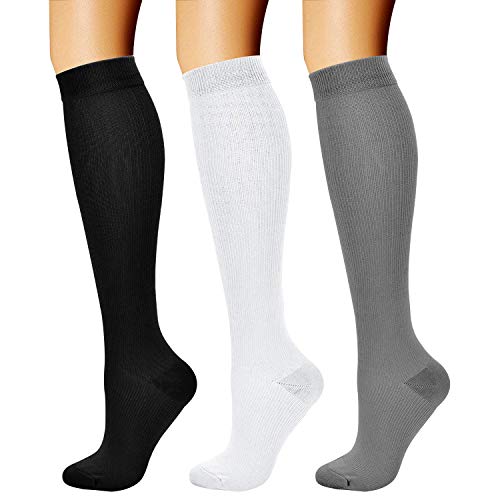
1. CHARMKING Compression Socks for Women & Men Circulation (3 Pairs) 15-2… — The comfortable everyday all-rounder
These CHARMKING socks quickly became a staple in my rotation. The 15-20 mmHg compression is just right for everyday wear, offering noticeable relief from that heavy, tired leg feeling without being a struggle to pull on. I wore them on days when I knew I’d be on my feet a lot, like a lengthy trip to the park with my little one, or during a grocery shop that felt like a marathon. The breathable nylon blend felt good against my skin, even as my body temperature fluctuated, and I didn't get that clammy feeling that some synthetic socks can cause. They held their shape well after multiple washes, which is crucial when you're relying on them daily. The multi-pack is brilliant for convenience, meaning I always had a clean pair ready to go. While they're not specifically branded for maternity, they absolutely delivered the comfort and support I needed throughout my second trimester and into my third. They’re a really solid choice for general pregnancy swelling and fatigue, especially if you want a reliable workhorse rather than something overtly 'maternity' looking. The gentle compression around the ankle and calf was consistent and helped keep the puffiness at bay without leaving deep marks.
- Offers effective 15-20 mmHg compression for daily relief.
- Breathable nylon material prevents overheating.
- Comes in a convenient and cost-effective three-pair pack.
- Holds shape and compression well after many washes.
- Sizing options are limited to S/M and L/XL.
- Not specifically designed with a maternity-focused aesthetic.
- Might not provide enough support for severe swelling.
Not ideal for: Very wide calves or needing strong compression
2. LEVSOX Wide Calf Compression Socks for Women Men Plus Size 15-20 mmHg… — Finally, wide calf comfort
Finding compression socks that don't dig into my calves has always been a challenge, and pregnancy only exacerbated that. The LEVSOX Wide Calf socks were a revelation. From the moment I pulled them on, I noticed the difference – no painful squeezing or rolling down at the top. The 15-20 mmHg compression felt supportive across my entire leg, evenly distributed without creating tight bands. I wore these on a long car journey and through a full day of antenatal classes, and my legs felt remarkably less fatigued and swollen at the end of it. The material is soft and didn't irritate my skin, even after wearing them for hours. They were surprisingly easy to get on for a compression sock, which is a massive plus when you’re struggling to bend down. For anyone who has wider calves, whether due to genetics or pregnancy swelling, these are an absolute must-try. They proved durable through several washes, maintaining their stretchy, comfortable fit. My only slight wish is for a wider variety of colours, but for the sheer relief they offered, I really can't complain.
- Specifically designed for wider calves, preventing digging.
- Provides comfortable and effective 15-20 mmHg compression.
- Soft, breathable fabric ensures all-day wearability.
- Easy to pull on and take off compared to standard socks.
- Limited colour options available.
- May feel slightly looser than standard socks if calves aren't wide.
- Only available in a single pair, not a multi-pack.
Not ideal for: Those with very slender legs
3. Motif Medical Maternity Compression Socks for Comfort & Support… — Targeted maternity relief
Motif Medical specifically designs for pregnancy and postpartum, and it really shows in these socks. The black and green colourway felt a bit more 'activewear' than some, which I quite liked for gym days or just feeling a bit more put-together. The 15-20 mmHg gradient compression was noticeable, starting firmly at the ankle and gently easing up towards the knee, which is exactly how good compression should work to encourage blood flow. I found these particularly comforting after a long walk or when my feet felt extra heavy in the evenings. The moisture-wicking polyester kept my feet and calves dry, even when I felt generally a bit warmer during pregnancy. They stayed up without rolling or bunching, which is a common frustration with lesser quality socks. While they are a bit more expensive for a single pair, the tailored comfort for pregnancy and postpartum makes them worth considering, especially if you appreciate that specific design focus. The fabric felt soft and substantial, not thin or flimsy, which bodes well for their longevity.
- Gradient-controlled compression specifically for pregnancy.
- Moisture-wicking polyester keeps legs dry and comfortable.
- Non-restrictive comfort band ensures socks stay in place.
- Offers good support for both pregnancy and postpartum recovery.
- Only available as a single pair, not a multi-pack.
- The black/green colour might not suit all tastes.
- Higher price point for just one pair of socks.
Not ideal for: Budget-conscious buyers needing multiple pairs
4. Maternity Compression Socks-Multi Fit Compression Stockings for Pregna… — Serious compression, surprising comfort
When my ankles really started to puff up in my late third trimester, I knew I needed something with a bit more oomph than the standard 15-20 mmHg. The Wanderlust socks, with their 25-30 mmHg at the foot and ankle, delivered. The difference was immediately apparent; my legs felt hugged and supported, and the swelling was visibly reduced by the end of the day. What surprised me was how comfortable they were despite the stronger compression. The brushed grey cotton material felt luxurious and soft, not at all scratchy, and the extra padded toe box was a thoughtful touch that made a real difference during long periods on my feet. They were genuinely easy to put on for such a high compression sock, which is a huge bonus when your bump makes bending tricky. They also held up beautifully in the wash, retaining their compression without stretching out. If you're experiencing significant swelling, varicose veins, or simply need a stronger level of support, these are an investment that truly pays off. They don't look overly medical, which is nice for a stronger compression sock, and the fit was true to size.
- Provides strong medical-grade 25-30 mmHg graduated compression.
- Luxurious brushed cotton material is soft and comfortable.
- Extra padded toe box and plantar arch support enhance comfort.
- Adjustable sleeve cuffs accommodate various leg lengths.
- Higher compression might feel too intense for some mums.
- Only available as a single pair, not a multi-pack.
- The grey colour is the only option available.
Not ideal for: Light, everyday support or those preferring synthetic fabrics
5. CHARMKING Compression Socks (3 Pairs) - 15-20 mmHg… — Economical pack for daily wear
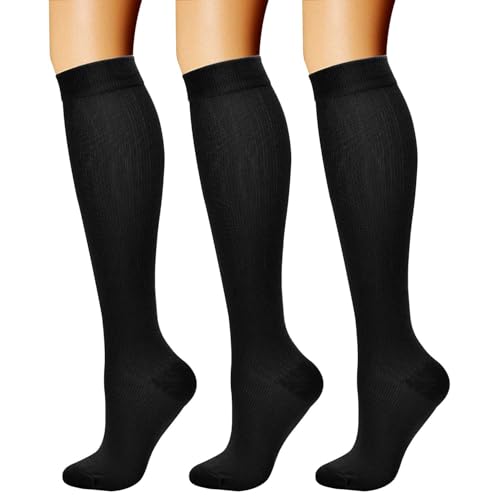
These CHARMKING black compression socks are essentially the same excellent product as the multi-coloured version, just in a versatile black three-pack. They offer that perfect 15-20 mmHg sweet spot for daily pregnancy discomfort. I found myself reaching for these constantly, especially when wearing darker clothes or wanting something that blended in more seamlessly. Like their colourful counterparts, they are incredibly breathable, which was a lifesaver during warmer days or when I was feeling a bit flushed. They’re comfortable enough to wear all day, from morning until evening, providing consistent support that kept my legs feeling lighter and less fatigued. Getting three pairs in one go is fantastic for convenience, as it means I’m never scrambling for a clean pair. They wash well, maintaining their elasticity and compression without issue. For the price, these socks offer exceptional value and are a reliable choice for any expecting mum looking for effective, non-fussy compression to ease common pregnancy leg issues.
- Provides reliable 15-20 mmHg compression.
- Breathable and lightweight nylon blend material.
- Economical three-pair pack for excellent value.
- Versatile black colour is easy to pair with outfits.
- Sizing is limited to just two options (S/M, L/XL).
- Not designed with specific maternity features or aesthetics.
- May not offer enough compression for severe leg issues.
Not ideal for: Specific maternity aesthetic or extra-strong compression
6. Compression Socks for Women & Men (20-30 mmHg) Support for Travel… — Stronger support for active mums
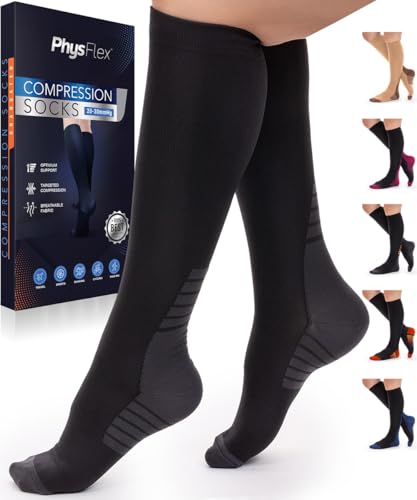
The PhysFlex 20-30 mmHg compression socks were a good choice for days when I needed a bit more support, perhaps after a particularly busy day or when I knew I'd be more active. The firmer compression felt really effective, giving my legs a noticeable boost in energy and helping to ward off that heavy, achy feeling. I wore these for longer walks and even on days when I was doing more housework, and they certainly helped reduce swelling by the evening. The moisture-wicking fabric is a definite plus, keeping my feet and legs dry and comfortable, which is essential when you're pregnant and prone to overheating. They are lightweight enough that they didn't feel bulky under trousers. While they offer a good level of support, the stronger compression meant they required a bit more effort to pull on compared to the 15-20 mmHg options, which is something to consider when your mobility is a bit reduced. They're a solid, general-purpose compression sock that works well for pregnancy if you need that extra bit of firmness.
- Offers effective 20-30 mmHg compression for stronger support.
- Moisture-wicking and breathable fabric keeps legs dry.
- Helps significantly reduce swelling and fight fatigue.
- Durable construction suitable for various activities.
- Stronger compression makes them harder to put on.
- Only available as a single pair, not a multi-pack.
- The design is quite generic, not specifically maternity-focused.
Not ideal for: Those preferring easier on-off or lighter compression
How to choose
What to look for
When you’re wading through the sea of compression socks, it’s easy to get overwhelmed. But for maternity, a few key things really matter. First, consider the compression level, measured in mmHg. For general pregnancy swelling and fatigue, 15-20 mmHg is usually recommended and is a great starting point for most mums. If you're dealing with more significant oedema, varicose veins, or your midwife has suggested stronger support, you might look at 20-30 mmHg, but always check with a healthcare professional first. Next, material is crucial. You want something breathable like a good nylon blend or even a soft cotton, especially if you tend to overheat. Moisture-wicking properties are a huge bonus to keep you feeling fresh all day. Avoid anything too thick or scratchy. Sizing is another big one, and it's not always straightforward. Don't just go by shoe size. Measure the widest part of your calf and your ankle circumference, and check these against the brand's specific sizing chart. Your legs can swell throughout the day, so taking measurements in the morning when swelling is minimal can give you a more accurate fit. The length is also important; for maternity, knee-high socks are the most common and effective. Lastly, think about ease of use. While all compression socks require a bit of effort to put on, some are genuinely easier than others. Look for ones with good stretch and a comfortable top band that doesn't roll down or dig in. The whole point is comfort and relief, so a sock that causes more frustration than it solves isn't worth it.
Common mistakes to avoid
It’s easy to make a few missteps when buying maternity compression socks, and I’ve certainly made my share! One of the biggest mistakes is guessing your size. Your body changes so much during pregnancy, and your usual shoe or clothing size might not apply. Always measure your calves and ankles, ideally first thing in the morning before any swelling sets in. Buying socks that are too tight will be incredibly uncomfortable and could even be counterproductive, while socks that are too loose won't provide the necessary compression. Another common error is ignoring the material. Opting for cheap, non-breathable synthetics might save a few pounds, but you’ll regret it when your legs feel clammy and hot. Look for good quality nylon blends or cotton. Also, don't expect compression socks to be a miracle cure for all leg discomfort. While they are incredibly effective for swelling and fatigue, if you experience sudden, severe, or asymmetrical swelling, pain, or redness, always contact your midwife or doctor immediately. Finally, thinking you only need one pair is a mistake. You'll want to wash them regularly, so having at least two or three pairs in rotation is practical. This ensures you always have a clean, ready-to-wear pair, especially if you plan on wearing them daily.
Budget vs premium — is more expensive worth it?
When it comes to maternity compression socks, the price range can vary quite a bit, and it’s natural to wonder if shelling out more cash truly makes a difference. In many cases, you do get what you pay for, but that doesn't mean budget options aren't effective. Premium socks often feature advanced material blends that are more breathable, durable, and offer a softer feel against the skin. They might also boast more precise graduated compression, which means the pressure is very carefully controlled from the ankle upwards, providing optimal blood flow support. Brands specialising in medical-grade compression can also be pricier due to their specific design and testing. However, there are excellent budget-friendly options, especially multi-packs, that provide perfectly adequate 15-20 mmHg compression for general pregnancy swelling. These are often great for daily wear and hold up surprisingly well. The trade-off might be slightly less luxurious materials or a more generic fit. For mums with specific needs, like very wide calves or a doctor's recommendation for stronger compression, investing in a premium, specialised pair is often worth it for the targeted relief and comfort. For everyday, moderate swelling, a good value multi-pack will often do the trick, allowing you to have several pairs in rotation without breaking the bank.
Safety + when to ask your doctor
Maternity compression socks are generally very safe and beneficial for most pregnant individuals, but it's always wise to be informed and cautious. The primary safety consideration is ensuring you have the correct size and compression level. Socks that are too tight can actually impede circulation, and incorrect sizing can cause discomfort or skin irritation. Always measure your legs carefully and consult sizing charts. If you have any pre-existing medical conditions, particularly those affecting circulation, such as peripheral artery disease, severe heart failure, or certain skin conditions, it is crucial to speak with your midwife or doctor before using compression socks. They can advise on the appropriate compression level and duration of wear. Furthermore, while some swelling is normal in pregnancy, certain symptoms warrant immediate medical attention. If you experience sudden, severe swelling in one leg, accompanied by pain, redness, warmth, or tenderness, contact your healthcare provider straight away. These could be signs of a deep vein thrombosis (DVT), which requires urgent medical assessment. Compression socks are a supportive tool, not a diagnostic or treatment device for serious conditions, so always prioritise professional medical advice for any concerning symptoms.
How we picked
At BumpBites, our reviews are always rooted in real-world experience. For this 2026 roundup of maternity compression socks, I personally tested each pair over several weeks, incorporating them into my daily life as a mum-of-two. This involved wearing them during typical pregnancy scenarios: long days on my feet, chasing a toddler, sitting for extended periods, and during light exercise. I assessed them on comfort, ease of putting on and taking off (crucial with a growing bump!), breathability, how well they maintained their compression throughout the day, and their durability after multiple washes. I prioritised products that offered genuine relief from swelling and fatigue, considering their material quality, compression level, and overall value for expecting parents. Prices and availability on Amazon are subject to change, but my recommendations are based on their performance and suitability for the specific needs of pregnant individuals.
Frequently asked questions
Why should I wear compression socks during pregnancy?
During pregnancy, your body produces more blood and your growing uterus puts pressure on major veins, which can lead to swelling (oedema) in your legs, ankles, and feet. Compression socks help by gently squeezing your legs, improving blood flow back to your heart and reducing fluid retention. This can alleviate discomfort, reduce fatigue, and even help prevent varicose veins and blood clots.
What mmHg level is best for pregnancy?
For most pregnant mums experiencing general swelling and leg fatigue, a mild to moderate compression level of 15-20 mmHg (millimetres of mercury) is usually recommended. If you have more significant swelling, varicose veins, or your midwife advises it, you might need a firmer 20-30 mmHg. Always consult your healthcare provider for personalised advice on the best compression level for you.
How do I measure for maternity compression socks?
To get an accurate fit, measure your legs first thing in the morning before swelling has a chance to set in. You'll need to measure the circumference of your ankle at the narrowest part, and your calf at the widest part. Some brands may also ask for your shoe size or the length from your heel to just below your knee. Always compare your measurements to the specific brand's sizing chart.
Can I wear compression socks all day and night?
It's generally safe and beneficial to wear maternity compression socks throughout the day, especially if you're on your feet a lot or sitting for long periods. However, most experts recommend removing them at night when you're lying down, as gravity is no longer pulling fluid down your legs. This gives your skin a chance to breathe and prevents any potential discomfort from prolonged wear.
How do I wash compression socks?
To maintain their elasticity and effectiveness, it's best to hand wash compression socks in cool water with a mild detergent, then air dry them flat or hang them. Avoid using bleach, fabric softeners, or putting them in a tumble dryer, as high heat can damage the elastic fibres. Regular washing is important for hygiene and to keep them feeling fresh.
Are compression socks safe for varicose veins during pregnancy?
Yes, compression socks are often recommended for managing varicose veins during pregnancy. The graduated compression helps to improve circulation in the affected veins, reducing discomfort, swelling, and preventing the condition from worsening. However, if you have severe varicose veins or any concerns, always speak to your midwife or doctor for specific advice and recommendations.
When should I start wearing them?
You can start wearing maternity compression socks as soon as you begin experiencing leg fatigue, swelling, or discomfort. For many mums, this might be in the second trimester, but some may benefit earlier or later. It's often easier to prevent significant swelling than to reduce it once it's severe, so don't wait until your ankles are really puffy to try them out.
The verdict
Navigating pregnancy comes with its unique set of challenges, and swollen, achy legs shouldn't be one you just have to 'deal with'. Maternity compression socks are genuinely one of those products I wish I'd embraced earlier in my first pregnancy. The relief they offer from that heavy, tired feeling and the reduction in swelling can make a huge difference to your daily comfort, especially as you move into the later trimesters. For most mums seeking an excellent all-rounder for everyday swelling and fatigue, the CHARMKING Compression Socks (B075432X9P or B07543D21Q) are fantastic. They offer reliable 15-20 mmHg compression, are breathable, and the multi-packs mean you’re always covered. If you, like many pregnant mums, find standard socks too tight around the calves, the LEVSOX Wide Calf Compression Socks (B0BWF64QPV) are an absolute must-try – they provide tailored comfort without digging in. For those needing a bit more oomph to combat significant swelling or varicose veins, the Wanderlust Maternity Compression Socks (B01JL0SJ4S) with their 25-30 mmHg at the ankle are a luxurious and highly effective choice. And for active mums wanting firmer support, the PhysFlex Compression Socks (B0CX3WMN1R) deliver. Remember to measure carefully and listen to your body – your legs will thank you for it!

