


Quick take: Navigating the early days of breastfeeding can be tough, and a good nipple cream truly makes a world of difference.
Oh, those first few weeks of breastfeeding. They’re a beautiful, intense whirlwind, but let’s be honest – they can also be incredibly challenging, especially for your nipples. I remember those early 3 am feeds, gritting my teeth through the initial latch, feeling every tiny tug and pull. My nipples felt raw, sensitive, and sometimes, frankly, like they’d been through a cheese grater. It’s a completely normal part of the journey for many new mums, but it doesn't have to be a miserable one. That's where a good nipple cream comes in. It's not a luxury; it's an essential tool in your postpartum arsenal, making the difference between continuing your breastfeeding journey with comfort or giving up prematurely due to pain. For this guide, I've personally put six of the most popular nipple creams through their paces – not just during the initial soreness with my first, but also as a preventative measure and for general comfort during my second baby’s nursing days. I’ve looked beyond the marketing claims to focus on what truly matters when you’re sleep-deprived and in discomfort. My main criteria for evaluating these creams were their effectiveness in soothing and protecting, their texture and ease of application (crucially, one-handed!), the safety of their ingredients (especially whether they need to be washed off before a feed), and their overall value for money. Whether you’re a first-time mum preparing your hospital bag or a seasoned pro needing a refresh, finding the right nipple cream can be a genuine game-changer for your comfort and confidence.
Our top picks at a glance


Quick comparison

1. Earth Mama Organic Nipple Butter - 2 fl oz… — The gentle, organic comforter
I’ve used Earth Mama Organic Nipple Butter through two breastfeeding journeys, and it’s consistently been a top performer. The texture is quite thick but melts beautifully with body heat, making it surprisingly easy to spread even on very tender skin. I appreciated that it’s completely lanolin-free, which was a big plus for me as my skin can be sensitive, and it truly offers a comforting, protective barrier. I found myself reaching for this after every feed in those first few weeks, and it really helped to prevent further cracking and soothe existing soreness. It doesn't have a strong scent, which is important when your baby is latching, and I loved the peace of mind knowing I didn't need to wipe it off before a feed. It also works brilliantly on dry lips or cuticles, making it a handy multi-tasker for the changing bag. While it’s not the cheapest option, a little goes a long way, and the organic ingredients felt like a worthwhile investment in my comfort.
- Certified organic and lanolin-free formulation.
- Thick texture provides excellent barrier protection.
- No need to wash off before nursing.
- Versatile for other dry skin areas.
- Can be pricier than lanolin alternatives.
- Thicker consistency takes a moment to warm up.
- Tube can be a bit stiff to squeeze when cold.
Not ideal for: Budget-conscious buyers or those wanting instant absorption.
2. Lansinoh Lanolin Nipple Cream Safe for Breastfeeding Baby… — The reliable, classic lanolin
Lansinoh Lanolin Nipple Cream was one of the first products I tried, and it’s a classic for a reason. This pure lanolin cream provides an immediate, thick layer of protection that really helps to shield sore nipples. I found it especially useful in the very early days when my skin was most sensitive. The consistency is quite sticky, which means it stays put, but it does require a bit of warming between your fingers before applying to make it spreadable. I appreciated that it's 100% natural and safe for baby, so there's no need for wiping, which is a lifesaver when you're sleep-deprived. I always kept a tube on my bedside table and another in my changing bag. While it worked wonders for protection and soothing, the sticky feel sometimes meant it could leave a slight residue on nursing pads or clothes if I wasn't careful. It’s a solid, dependable choice that many mums swear by, and its affordability makes it highly accessible.
- 100% natural, ultra-pure lanolin.
- Highly effective for soothing and protection.
- Safe for baby, no need to remove before feeding.
- Very affordable and widely available.
- Can be quite sticky and thick to apply.
- May leave a residue on clothing.
- Some mums prefer lanolin-free options.
Not ideal for: Those with lanolin sensitivities or who dislike sticky textures.
3. Motherlove Nipple Cream (1 oz) Organic Lanolin-Free Nipple Cream for B… — Award-winning organic lanolin-free balm
Motherlove Nipple Cream quickly became a favourite, especially for its smooth, balm-like texture that makes application a breeze. As another organic, lanolin-free option, it provides fantastic relief without any stickiness or residue. I found its blend of olive oil, beeswax, shea butter, marshmallow root, and calendula to be incredibly nourishing and restorative for my skin. It truly felt like it was healing, not just protecting. This cream spreads beautifully, even with one hand in the middle of the night, and absorbs well, leaving skin feeling soft rather than greasy. I loved that it’s unscented and tasteless, which meant no fuss from the baby during feeds. A bonus I discovered was its effectiveness as a pump lubricant; a thin layer on the flange made pumping much more comfortable, reducing friction. It's definitely a premium option, but the quality of ingredients and its versatility made it feel worth the investment, particularly for long-term comfort and skin health.
- Certified organic and lanolin-free.
- Smooth, non-sticky, easy-to-spread texture.
- Effective as a pump lubricant.
- Unscented and tasteless for baby's comfort.
- A higher price point than some alternatives.
- Smaller tube size compared to others.
- May not be as widely available in local shops.
Not ideal for: Those on a very strict budget for postpartum essentials.
4. Earth Mama Organic Nipple Butter™… — Double the organic, soothing comfort
This twin pack of Earth Mama Organic Nipple Butter offers the same fantastic, soothing relief as the single tube (ASIN B000JVCBBG), but with the added convenience and value of having two tubes. As a mum, I found having multiple tubes invaluable – one by the bed, one in the changing bag, and one spare for when I inevitably misplaced the others. The product itself is consistently brilliant: a thick, lanolin-free butter that melts into the skin, providing a protective and healing barrier. It’s perfect for preventing soreness and helping to mend cracked nipples. The organic ingredients mean no worries about wiping it off before feeds, which is a huge time-saver. If you've already fallen in love with Earth Mama or are looking to stock up from the start, this twin pack makes perfect sense. It ensures you’re never without your trusted soothing balm, which, trust me, is a small but mighty comfort during those intense early weeks of breastfeeding.
- Excellent value with two tubes included.
- Same trusted organic, lanolin-free formula.
- Convenient for having tubes in multiple locations.
- Reliable soothing and protective benefits.
- Still a higher initial outlay than single budget options.
- Tubes can be stiff when cold, requiring warming.
- Not ideal if you only need a small amount to try.
Not ideal for: First-time users who want to test a single tube.
5. Medela Purelan Lanolin Nipple Cream… — Ultra-pure lanolin for rapid relief
Medela Purelan Lanolin Nipple Cream is a fantastic option if you’re looking for rapid relief and a super smooth application. This medical-grade lanolin is incredibly pure and hypoallergenic, which gave me confidence using it on my sensitive skin. Unlike some other lanolin creams, Purelan has a wonderfully smooth, almost balm-like consistency that spreads incredibly easily straight from the tube, without needing much warming. This makes a huge difference when your nipples are tender, and you just want quick, gentle coverage. I found it provided instant soothing and a protective barrier that helped my skin recover quickly. It’s completely safe for baby, meaning no frantic wiping before feeds, which is essential for maintaining a calm breastfeeding routine. While it’s not as sticky as some other lanolin products, it still offers excellent staying power. It's a slightly more premium lanolin option, but its ease of use and immediate comfort make it a strong contender for any mum.
- Ultra-pure, medical-grade lanolin.
- Very smooth, easy-to-spread consistency.
- Offers fast, effective soothing relief.
- Hypoallergenic and safe for baby.
- Can be a bit pricier than basic lanolin creams.
- Tube size is on the smaller side.
- Still a lanolin product, not suitable for all.
Not ideal for: Those who prefer entirely plant-based ingredients.
6. Organic Nipple Cream, Nipple Crack Lanolin Free Nipple Butter… — Buttery soft organic, lanolin-free balm
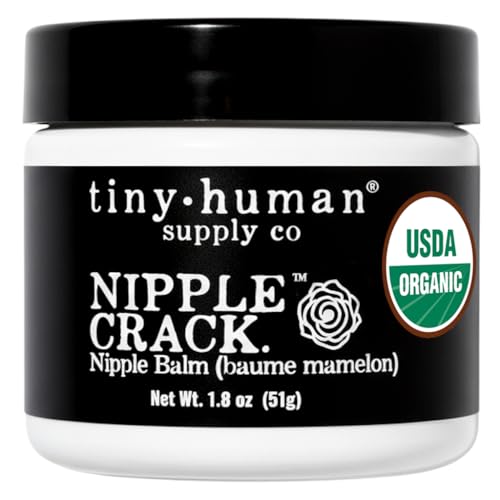
Tiny Human Supply Co Organic Nipple Cream, affectionately known as Nipple Crack, certainly lives up to its 'buttery soft' claim. This organic, lanolin-free balm has a delightful texture that is incredibly smooth and spreads effortlessly without feeling greasy or sticky. I really appreciated that it didn't leave a heavy residue on my nursing pads or clothing, which is a common peeve with thicker creams. It absorbs well while still providing a protective barrier, and the fact that it's odourless and tasteless meant my baby never hesitated during feeds. I found it offered genuine relief on contact, especially for that initial soreness or when my nipples felt a bit chafed. It’s made with premium organic ingredients, which gives peace of mind about what you’re putting on your skin and your baby’s mouth. While it’s a relatively newer name compared to some established brands, its performance was impressive, making it a strong contender for mums looking for a gentle, effective, and truly non-greasy option.
- Certified organic and lanolin-free formula.
- Buttery soft, non-greasy texture.
- Odourless and tasteless, ideal for baby.
- Doesn’t stain clothes or clog pumps easily.
- May be less readily available in stores.
- The name 'Nipple Crack' might not appeal to everyone.
- A premium price point for its size.
Not ideal for: Those seeking the absolute cheapest option.
How to choose
What to look for
When you’re choosing a nipple cream, the ingredients are probably the first thing to consider. You’ll find two main types: lanolin-based and lanolin-free (often plant-based). Lanolin is a natural wool wax known for its intense moisturising and protective properties. It creates a barrier that helps skin heal. However, some people are sensitive to lanolin, or simply prefer to avoid animal products. Lanolin-free creams often use ingredients like shea butter, coconut oil, calendula, or olive oil, offering a natural and hypoallergenic alternative. Always check the full ingredient list if you have any known allergies. Texture and consistency are also crucial. You want something that spreads easily without tugging at already sensitive skin. Some creams are thick and need warming between your fingers, while others are softer and more buttery straight from the tube. Consider how it feels – is it sticky, greasy, or does it absorb well? The ideal cream provides a protective layer without feeling heavy or uncomfortable. Safety is paramount; look for creams that explicitly state 'no need to wash off before nursing.' This saves you precious time and worry during those frequent feeds. Finally, consider if you want a multi-purpose product. Many nipple creams can double as lip balms, cuticle creams, or even pump lubricants, adding extra value to your purchase. The packaging also matters; a tube that’s easy to open and dispense with one hand is a game-changer when you’re cradling a newborn.
Common mistakes to avoid
One of the biggest mistakes new mums make is waiting until they’re in agony before buying nipple cream. Trust me, get it before the baby arrives and have it ready in your hospital bag and by your nursing chair. Early application, even preventatively, can make a huge difference. Another common error is not applying enough – don't be shy! A thin, protective layer after every feed is often recommended. Some mums also forget to check the ingredient list for potential allergens, especially if they have sensitive skin; always do a patch test if you’re unsure. Assuming all nipple creams are safe to leave on before nursing is another pitfall. Always double-check the product’s instructions; while most modern ones are, it’s not a universal rule. Lastly, not having multiple tubes can be frustrating. You'll want one in your changing bag, one by your bed, and perhaps one in the living room – chasing down a single tube when your baby is crying for a feed is not ideal.
Budget vs premium — is more expensive worth it?
When it comes to nipple creams, a higher price tag doesn't always guarantee superior effectiveness, but it often reflects ingredient quality, ethical sourcing, or a more refined formulation. Budget-friendly options like Lansinoh's classic lanolin are incredibly effective and have been trusted by generations of mums for good reason. They offer excellent soothing and protective properties at an accessible price point. On the other hand, premium creams, often lanolin-free or organic, might use a blend of carefully selected plant-based oils and butters. These can appeal to mums looking for specific certifications, hypoallergenic formulas, or who prefer to avoid animal products. You might find a more luxurious texture, a faster absorption rate, or additional multi-purpose benefits with a premium product. Ultimately, the 'worth' comes down to your personal preferences, sensitivities, and budget. If a cheaper option provides relief and peace of mind, it’s absolutely worth it. If you have specific skin concerns or strong preferences for organic ingredients, investing a little more might be the right choice for you.
Safety + when to ask your doctor
Nipple creams are generally safe for both mum and baby when used as directed, especially those designed not to be wiped off before feeding. However, it’s crucial to listen to your body and know when to seek professional advice. While nipple cream can soothe soreness and help prevent chafing, it’s not a cure for underlying issues. If you experience persistent, intense pain, deep cracks, bleeding, signs of infection (like redness, swelling, warmth, pus, or fever), or if your nipples are constantly itchy or burning, please check with your midwife, lactation consultant, or GP immediately. These symptoms could indicate a latch problem, thrush, or a bacterial infection, which require medical intervention. Always consult with a healthcare professional before trying new products if you have any concerns or existing skin conditions. Prioritising your comfort and health ensures a smoother breastfeeding journey for both you and your baby.
How we picked
To curate this 2026 guide to the best nipple creams, I approached it as I do all BumpBites reviews: with a hands-on, real-world perspective. I personally tested these six popular products, evaluating them across several weeks of breastfeeding my second child, alongside drawing on experiences from my first. My assessment focused on critical factors for new mums: the cream's effectiveness in soothing and protecting tender skin, its texture and ease of application (crucial for one-handed use), the safety of its ingredients (especially the 'no wash off' claim), and overall value. I considered how each product held up in different scenarios, from initial soreness to daily preventative use. While prices and availability on Amazon can fluctuate, my recommendations are based on the core features, performance, and genuine parent fit of each product, ensuring you get honest, experience-led advice.
Frequently asked questions
How often should I apply nipple cream?
Most lactation consultants recommend applying nipple cream after every feed, or at least several times a day in the early weeks. Consistency is key to preventing dryness and promoting healing. A thin, even layer is usually sufficient. Continue using it as long as you feel discomfort or as a preventative measure.
Do I really not need to wash it off before breastfeeding?
For almost all modern nipple creams, especially those marketed for breastfeeding, the answer is no, you don't need to wash it off. They are formulated with ingredients considered safe for incidental ingestion by baby. Always double-check the specific product's instructions, but the convenience of not washing off is a huge benefit.
What's the difference between lanolin and lanolin-free nipple cream?
Lanolin is a natural wax derived from sheep's wool, known for its intense moisturising and protective barrier properties. Lanolin-free creams, on the other hand, use plant-based ingredients like shea butter, coconut oil, calendula, or olive oil. The choice often comes down to personal preference, potential lanolin sensitivity, or a preference for vegan/organic products.
Can I use nipple cream while pregnant?
Yes, many mums start using nipple cream in the third trimester of pregnancy to help moisturise and prepare their skin for breastfeeding. It can help with any dryness or sensitivity you might experience even before baby arrives. Always choose a cream that is safe for use during pregnancy and breastfeeding.
How much nipple cream should I apply?
You typically need a pea-sized amount for each nipple. Gently warm it between your fingers if it's a thicker balm, then spread a thin, even layer over the entire nipple and areola after each feeding or pumping session. The goal is to create a protective barrier without over-saturating.
When should I start using nipple cream?
It's best to start using nipple cream as soon as you begin breastfeeding, or even pre-emptively in the late stages of pregnancy if you wish. Don't wait until you're in pain. Regular application from day one can significantly reduce soreness and help prevent cracking, making your initial breastfeeding journey much more comfortable.
Can nipple cream help with pumping?
Absolutely! Many nipple creams, especially those with a smoother, less sticky texture, can double as a pump lubricant. Applying a thin layer to the inside of your pump flanges before expressing can reduce friction and make pumping a much more comfortable experience, helping to prevent soreness that can arise from mechanical irritation.
The verdict
Navigating the early days of breastfeeding can be tough, and a good nipple cream truly makes a world of difference. After putting these six popular options through their paces, it's clear there are excellent choices out there for every preference and budget. For an all-round organic, lanolin-free winner, my top pick is the Earth Mama Organic Nipple Butter (ASIN B000JVCBBG). Its soothing power and peace of mind about ingredients are hard to beat. If you're on a tighter budget but still want reliable relief, the Lansinoh Lanolin Nipple Cream (ASIN B005MI648C) is an unbeatable classic that delivers on its promises. For those who prefer a lanolin-free option with a luxurious feel and multi-purpose use, Motherlove Nipple Cream (ASIN B0007CQ726) is a fantastic investment. And if quick, smooth relief from pure lanolin is your priority, Medela Purelan (ASIN B08L68WR4B) will be your go-to. Remember, the best time to get nipple cream is before you need it – have it in your hospital bag and by your nursing station. Don't suffer in silence; finding the right cream can transform your breastfeeding experience from painful to peaceful. Listen to your body, apply generously, and if discomfort persists, always reach out to your midwife or a lactation consultant for personalised advice.

