
Preparing for Baby: Hospital Bag, Birth Plan & Nursery
What to actually buy (and skip), how to pack your hospital bag, writing a birth plan that works, and getting your home and head ready for the fourth trimester.
In a nutshell
- Pack your hospital bag by ~36 weeks — three sections: for labour, for after birth (you), and for the baby. Keep it by the door.
- Newborn essentials are short: somewhere safe to sleep, a car seat, nappies, vests/babygrows, muslins, and feeding kit. You can buy a lot later.
- A birth plan records your preferences (pain relief, who's with you, feeding, the unexpected) — keep it short and flexible.
- Set up a safe sleep space (firm flat mattress, baby on their back, clear cot) and a feeding station before the baby arrives.
- Prepare your support network and your mind too — the fourth trimester is intense; line up help in advance.
The hospital bag — three-section method
Pack by around 36 weeks (earlier with twins or if you're high-risk). The easiest approach is three labelled sections so your partner can find anything fast.
1. For labour
- Your notes/birth plan, ID and paperwork
- Comfy clothes you don't mind getting messy, flip-flops, hair ties
- Snacks and drinks (and change/card for the car park or vending)
- Phone, long charger, music, lip balm, hand fan
- TENS machine if using one
2. For after the birth (you)
- Loose pyjamas/nightie (front-opening if breastfeeding)
- Maternity/super pads (lots) and dark, high-waisted disposable underwear
- Nursing bras, toiletries, towel
- Going-home outfit (still bump-sized)
3. For the baby
- Nappies + cotton wool/wipes
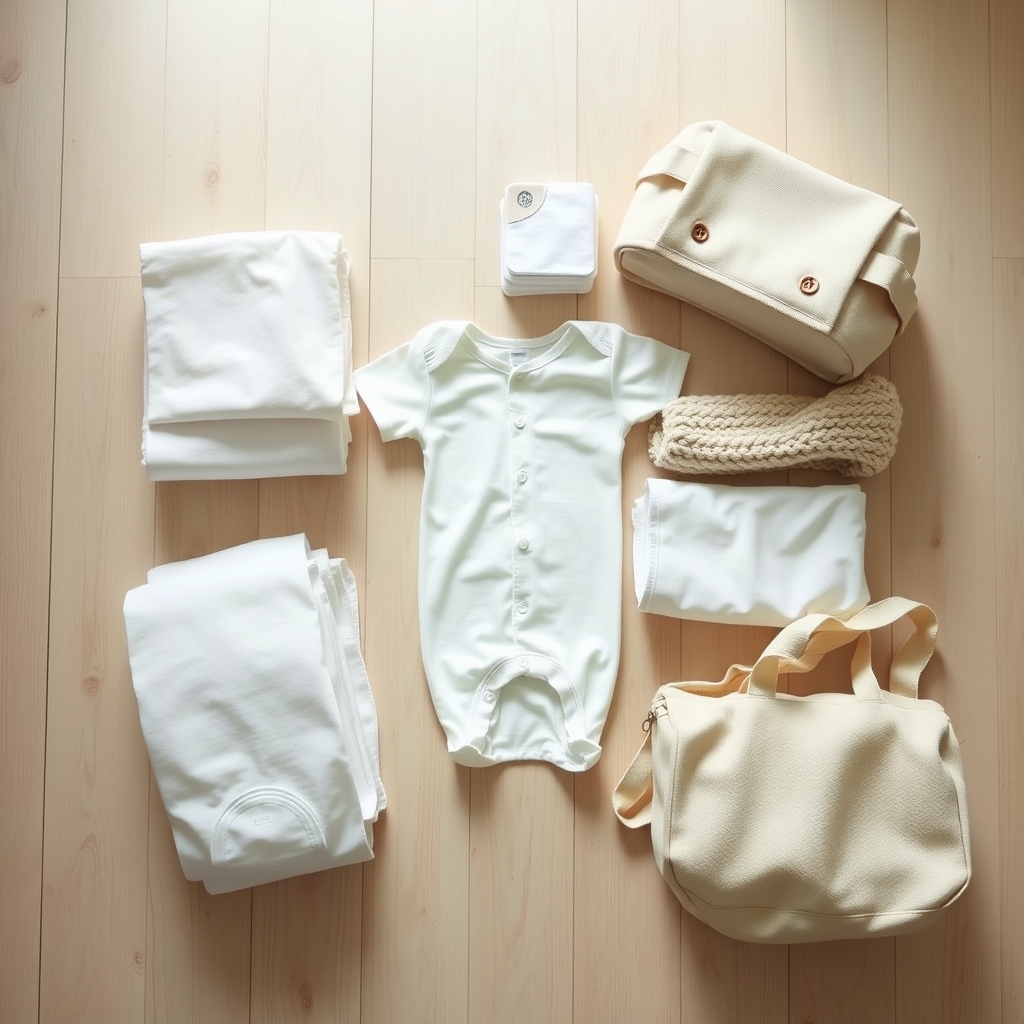
- Several vests and babygrows, a hat, scratch mitts, a blanket
- Muslin squares
- A correctly fitted car seat (you can't leave by car without one)
Newborn essentials — and what you can skip
Genuinely need from day one
- A safe sleep space — a cot, crib or Moses basket with a firm, flat, waterproof mattress.
- A car seat (rear-facing, correctly fitted).
- Nappies, wipes/cotton wool, nappy cream.
- 6-8 vests and babygrows, a few muslins, a couple of blankets, a hat.
- Feeding kit — for breastfeeding: nursing bras + muslins; for bottle: bottles, steriliser, first-stage formula.
- A pram/buggy or sling.
Can wait or skip
- A fully decorated nursery (newborns sleep in your room for the first 6 months anyway).
- Shoes, lots of newborn-size clothes (they grow fast), and most gadgets.
- Bumpers, pillows, duvets and pods in the cot — these aren't safe for newborns.
Writing a birth plan that actually helps
A birth plan isn't a script — it's a one-page summary of what matters to you, so your team can support your wishes when you're busy giving birth. Keep it short and prioritise.
- Who you want with you, and your environment preferences (lighting, music, moving around).
- Pain-relief preferences — and your openness to changing your mind.
- Preferences for delivering the placenta, cord clamping, and immediate skin-to-skin.
- Feeding intentions (breast/bottle) and whether you want help with the first feed.
- Your wishes if things change — e.g. assisted birth or caesarean — so you've thought it through in advance.
Safe sleep + nursery setup
- Always put your baby to sleep on their back, on a firm, flat, waterproof mattress, with their feet near the foot of the cot ('feet to foot').
- Keep the cot clear — no pillows, duvets, bumpers, pods or soft toys for the first year.
- Room-share (baby in your room) for the first 6 months, day and night — it lowers SIDS risk.
- Keep the room at a comfortable 16-20°C and don't let the baby get too hot; use lightweight layers or a baby sleeping bag.
- Set up a feeding station (water, snacks, muslins, phone charger, a comfy chair) wherever you'll feed at night.
Getting your home + head ready
- Batch-cook and freeze meals; stock easy snacks and one-handed foods.
- Do a big shop / set up online deliveries for nappies and essentials.
- Line up your support: who can help with cooking, older children, or just holding the baby while you shower.
- Install and check the car seat in advance — it's fiddly to learn on the day.
- Talk through the fourth trimester with your partner: night shifts, visitors, and how you'll spot if either of you is struggling.
Frequently asked questions
When should I pack my hospital bag?
By around 36 weeks (earlier for twins or high-risk pregnancies). Keep it by the door, and tell your partner what's in it and where.
What do I actually need to buy before the baby comes?
A safe sleep space, a fitted car seat, nappies, a few vests/babygrows, muslins, blankets, and your feeding kit. Most other things can wait until you know your baby.
Is a nursery necessary?
Not at first — safe sleep guidance is for the baby to room-share with you for the first 6 months. A full nursery can wait.
What should be in the cot?
Just a firm, flat mattress and a fitted sheet. No pillows, duvets, bumpers, pods or soft toys in the first year — keep it clear for safe sleep.
Do I need to write a birth plan?
It's optional but helpful. A short, flexible one-pager tells your team your preferences for pain relief, environment, feeding and the unexpected — without locking you in.
How many newborn clothes do I need?
Around 6-8 vests and babygrows to start. Babies grow fast and you'll do frequent washes, so resist buying lots of newborn sizes.
What's the safest way for my newborn to sleep?
On their back, on a firm flat mattress, in a clear cot/crib in your room, at 16-20°C, not too hot. This is the core safer-sleep guidance for reducing SIDS.
Sources
More guides
Labor & Delivery: Signs, Stages and What to Expect
How to know when labour is really starting, the three stages of birth, your pain-relief options, and when to head to the hospital — a calm, practical walkthrough.
Read
Postpartum Recovery: Your Complete First-6-Weeks Guide
What healing really looks like after birth — bleeding, stitches, your pelvic floor, sleep and emotions — plus the warning signs that need urgent help.
Read
Newborn Care: Your Complete First 6 Weeks Guide
Feeding, nappies, the umbilical cord, bathing, soothing a crying baby, and the health checks and red flags every new parent needs in the fourth trimester.
Read
Educational only — not medical advice. Always consult your midwife, GP or paediatrician for personalised guidance. Medical disclaimer.