Find your most fertile days to get pregnant, learn when you're most fertile and increase your chances of conception with our expert guide
By Shubhra Mishra — a mom of two who turned her own confusion during pregnancy into BumpBites, a global mission to make food choices clear, safe, and stress-free for every expecting mother. 💛
Check whether any food is safe during pregnancy with the BumpBites Food Safety Checker.
Download the Complete Pregnancy Food Guide (10,000 Foods) 📘
Instant PDF download • No spam • Trusted by thousands of moms
💡 Your email is 100% safe — no spam ever.
Quick take: Your most fertile days fall in the “fertile window,” the ≈ six‑day span that ends on the day you ovulate. In a typical 28‑day cycle, that window is usually days 10 through 15. You can pinpoint it by tracking your cycle, noticing ovulation signs, and using tools like basal‑body‑temperature charts or ovulation predictor kits.
It’s 2 a.m., you’re scrolling through your phone between pregnancy cravings, and a thought pops up: “When am I most fertile?” You might be staring at a calendar, a reminder from your period tracker, or a vague memory of a friend’s advice. The answer isn’t one‑size‑fits‑all, but the good news is that the science is clear enough to give you a reliable roadmap.
🔢 Calculate it for your situation: Use our Ovulation Calculator for a personalized result in seconds.
In this guide we’ll break down how the menstrual cycle creates a fertile window, show you step‑by‑step how to calculate it, and explain the body signals that tell you ovulation is near. We’ll also cover factors that can shift the timing, practical tips to boost your chances, and the best low‑cost tracking methods. By the end you’ll know exactly when to aim for those special moments, and you’ll have tools to keep the guesswork to a minimum.
How the menstrual cycle creates a fertility peak
The menstrual cycle is a series of hormonal events that prepares your body for a possible pregnancy. It’s divided into three main phases: the menstrual phase (bleeding), the follicular phase (egg development), and the luteal phase (post‑ovulation). The fertile window falls at the transition between the follicular and luteal phases, when the egg is released (ovulation) and the uterine lining is ready for implantation.
During the **follicular phase**, which starts on the first day of your period, your brain releases Follicle-Stimulating Hormone (FSH). FSH encourages several follicles (tiny sacs in your ovaries containing immature eggs) to grow. One dominant follicle emerges, and as it matures, it produces estrogen. Rising estrogen levels thicken the lining of your uterus, creating a soft, nutrient-rich bed for a potential embryo. This estrogen surge also signals your brain to release a burst of Luteinizing Hormone (LH), which is the trigger for ovulation.
In a textbook 28‑day cycle, ovulation typically occurs around day 14, counted from the first day of your period. The LH surge causes the dominant follicle to rupture and release its mature egg into the fallopian tube. This is the moment of ovulation. The egg is only viable for about 12‑24 hours after release. However, sperm can survive inside the female reproductive tract for up to five days. This remarkable survival time for sperm, combined with the egg's short lifespan, creates a crucial six‑day “fertile window” that ends on the day of ovulation. This means you have the highest chance of conceiving if you have intercourse in the five days leading up to ovulation and on the day of ovulation itself. If your cycle is longer or shorter, the window shifts accordingly.
After ovulation, the ruptured follicle transforms into the corpus luteum, which produces progesterone. This hormone stabilizes the uterine lining, making it even more receptive to a fertilized egg. If pregnancy doesn't occur, the corpus luteum shrinks, progesterone levels drop, and the uterine lining is shed, leading to your next period and the start of a new cycle. Understanding where you sit in this hormonal timeline is the first step to answering “when am I most fertile?”
Calculating your fertile window step by step
Even
if your cycles are irregular, you can still estimate the fertile window with a few simple calculations. Follow these steps, and you’ll have a personalized calendar ready for the next month. This method, often referred to as the Standard Days Method or a variation of it, is endorsed by organizations like the American College of Obstetricians and Gynecologists (ACOG) as a way to understand your cycle.
Track at least three consecutive cycles. Write down the first day of each period (the day bleeding begins). The length of each cycle is the number of days from that day to the day before the next period starts. The more cycles you track, the more accurate your average will be.
Identify your shortest cycle. Look at your tracked cycles and find the shortest one. Subtract 18 days from this number – the result is the earliest day you could possibly ovulate. This accounts for sperm survival and the typical length of the luteal phase.
Identify your longest cycle. Find your longest tracked cycle. Subtract 11 days from this number – the result is the latest day you could possibly ovulate. This helps define the end of your potential fertile window.
Define the fertile window. The window starts five days before the earliest possible ovulation day and ends on the latest possible ovulation day. This gives you a broader range, which is especially helpful if your cycles vary.
Mark the days. Highlight the six‑day span on your calendar. Those are the days when intercourse has the highest chance of leading to pregnancy. Many women also use period tracking apps that can help automate these calculations once you input your cycle data.
Let’s see the math in action. Suppose your shortest cycle is 26 days and your longest is 32 days:
Cycle length (days)
Earliest fertile day (calculation)
Latest fertile day (calculation)
Fertile window (days)
Shortest (26)
26 – 18 = 8
—
Your fertile window *could* begin as early as Day 8.
Longest (32)
—
32 – 11 = 21
Your fertile window *could* end as late as Day 21.
In this example, the fertile window stretches from day 8 to day 21, but the most likely ovulation days cluster around day 14 ± 2. To narrow the range, you can add ovulation signs (next section) or use an Ovulation Calculator for a quick, customized estimate. Remember, these calculations are estimates, and combining them with your body's signals provides the most accurate picture.
Body clues that signal your most fertile days
Hormonal surges leave tell‑tale signs. Learning to read them can sharpen your fertility timing beyond calculations alone. By paying attention to these subtle (and sometimes not-so-subtle) changes, you can get real-time insights into what's happening in your body.
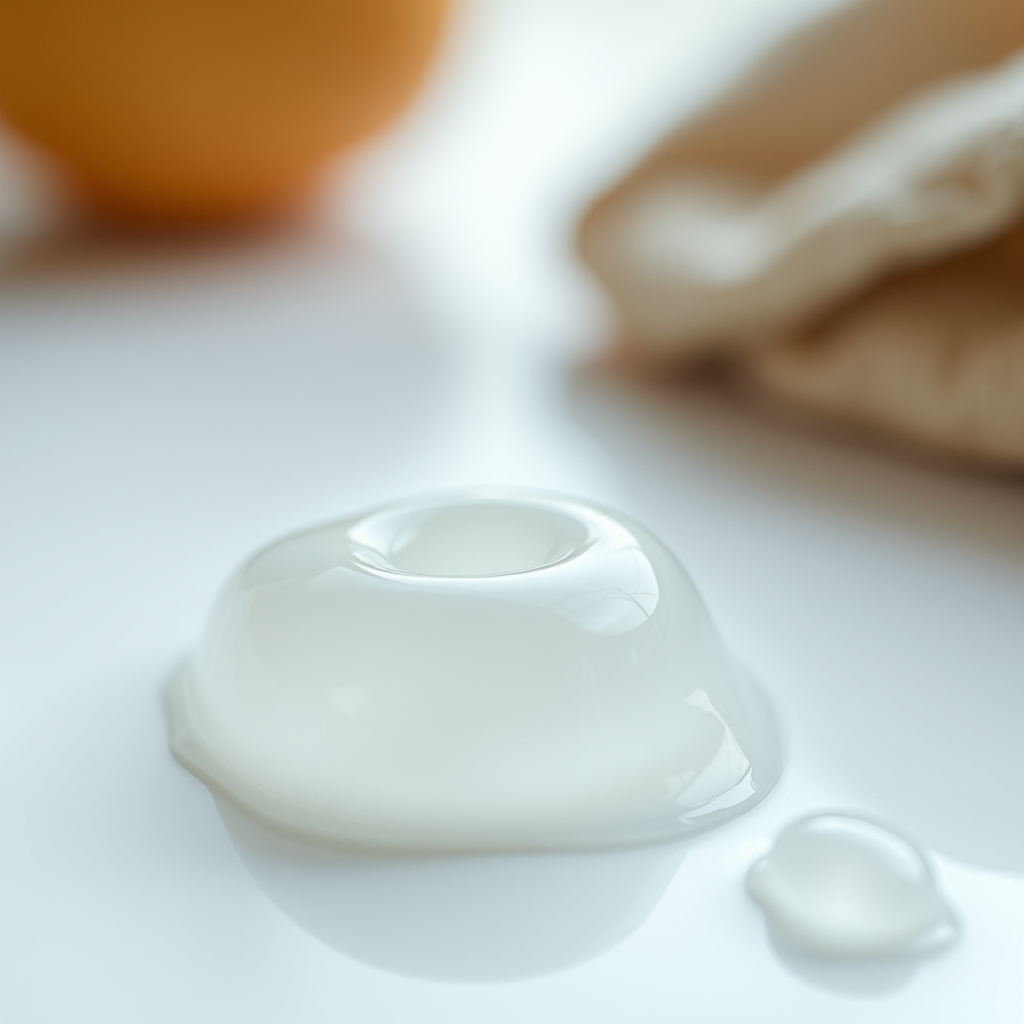
Cervical mucus changes. This is one of the most reliable and direct signs. After your period, you might notice dry or sticky mucus. As ovulation approaches and estrogen rises, cervical mucus becomes increasingly wet, creamy, then clear, stretchy, and slippery, resembling raw egg white. This "fertile" mucus (often called "egg-white cervical mucus" or EWCM) creates an ideal environment for sperm, helping them travel through the cervix and survive for several days. Checking your cervical mucus daily can help you identify your most fertile days.
Basal body temperature (BBT) dip and rise. A slight drop (0.2‑0.5 °C) often precedes ovulation, though it's not always noticeable. The more significant and consistent sign is a sustained rise in BBT after ovulation, typically lasting until your next period. This rise is due to the increase in progesterone produced by the corpus luteum after the egg is released. While BBT confirms ovulation *after* it's happened, charting it over several cycles helps you identify your pattern and predict future ovulation more accurately.
LH surge. An ovulation predictor kit (OPK) detects the spike in luteinizing hormone that occurs 24‑36 hours before the egg is released. This surge is your body's signal that ovulation is imminent. OPKs are widely available and can be a very effective tool for pinpointing your most fertile days in real-time.
Mid‑cycle pain (mittelschmerz). Some women feel a mild twinge or cramp on one side of their lower abdomen, known as mittelschmerz (German for "middle pain"), when the egg ruptures from the follicle. This pain can range from a dull ache to a sharp, sudden sensation and usually lasts only a few hours. It's not experienced by everyone, but for those who do, it's a clear indicator of ovulation.
Increased libido. Hormonal shifts, particularly the rise in estrogen before ovulation, can naturally boost sexual desire. This is your body's way of encouraging intercourse during your most fertile time.
Breast tenderness. Some women report breast tenderness or sensitivity around ovulation, often due to the hormonal changes that occur just before and after the egg is released.
When you combine these signs with your calendar calculations, you can zero in on the exact day or two when you’re most fertile. Many couples find that tracking two or three signs together gives the highest confidence. For example, a positive OPK combined with fertile cervical mucus is a strong indicator that ovulation is very close.
Clear, stretchy mucus is a classic sign that ovulation is approaching.
Factors that can shift or lower fertility
Even if you follow the calculations perfectly, certain factors can move the fertile window or reduce the odds of conception. It’s important to remember that fertility is a complex dance of hormones and physiological processes, and many things can influence it.
Cycle irregularity. Many factors can cause unpredictable ovulation, making it harder to pinpoint your fertile window. These include significant stress, rapid weight changes (both gain and loss), thyroid disorders (hypo- or hyperthyroidism), and intense, excessive exercise. Conditions like Polycystic Ovary Syndrome (PCOS), a common hormonal disorder, are a frequent cause of irregular periods and anovulation (lack of ovulation).
Age. This is one of the most significant factors. Female fertility declines gradually after the late-20s, with a sharper drop after 35 years. This isn't just about egg quantity (ovarian reserve) but also egg quality, which decreases with age, increasing the risk of chromosomal abnormalities. Male fertility also declines with age, though typically later and more gradually than in women.
Medical conditions. Beyond PCOS, other conditions like endometriosis (where uterine-like tissue grows outside the uterus), uterine fibroids, and pelvic inflammatory disease (often caused by untreated STIs) can alter hormone patterns, block fallopian tubes, or make the uterus less hospitable for implantation. Untreated sexually transmitted infections (STIs) can also cause scarring in the reproductive organs, affecting fertility.
Lifestyle. Certain habits can significantly impact both male and female fertility. Smoking (even passive smoking) can harm egg quality and ovarian function in women and sperm quality in men. Excessive alcohol consumption (more than 7 drinks per week for women, 14 for men) and high caffeine intake (>300 mg/day, about two large cups of coffee) can impair ovulation and sperm production. Exposure to environmental toxins, such as certain pesticides or BPA (found in some plastics), may also play a role.
Medications. Certain hormonal contraceptives, some antidepressants, chemotherapy agents, and even common over-the-counter pain relievers (NSAIDs) if used frequently around ovulation, can disrupt the cycle or impair egg release. Always discuss any medications you are taking with your healthcare provider when trying to conceive.
Weight. Being significantly underweight or overweight can both disrupt hormonal balance and ovulation. Adipose tissue (body fat) produces estrogen, and too much or too little can throw off the delicate balance needed for regular cycles.
If any of these factors apply to you, or if you have concerns about your fertility, you may benefit from a fertility evaluation. A healthcare provider can run hormone panels, ultrasound monitoring, or other tests to pinpoint the cause and suggest targeted treatment or lifestyle adjustments.
Practical tips to boost fertility naturally
While no single habit guarantees pregnancy, several evidence‑based lifestyle tweaks can improve your odds during the fertile window and support overall reproductive health. These recommendations are generally safe and beneficial for your well-being, whether you're trying to conceive or not.
Maintain a healthy weight. A Body Mass Index (BMI) between 18.5 and 24.9 is generally considered optimal for supporting regular ovulation. Both being underweight and overweight can impair hormone balance, potentially leading to irregular cycles or anovulation. Aim for gradual, sustainable changes rather than crash diets.
Eat a balanced, nutrient‑rich diet. Focus on a "fertility diet" rich in leafy greens, whole grains, lean protein, and healthy fats. Foods rich in iron, zinc, omega‑3 fatty acids (like those found in fish, flaxseeds), and antioxidants (from colorful fruits and vegetables) are particularly important. The Mediterranean diet, with its emphasis on plant-based foods, healthy fats, and lean proteins, is often recommended. Limit highly processed foods, sugary drinks, and excessive trans fats.
Limit caffeine and alcohol. Keep caffeine under 200 mg per day (about one 12‑oz coffee or two cups of tea) when trying to conceive, as higher levels have been linked to reduced fertility and increased miscarriage risk. The American College of Obstetricians and Gynecologists (ACOG) recommends abstaining from alcohol entirely when trying to conceive and throughout pregnancy, as there's no known safe amount.
Stay active, but not overly intense. Moderate exercise (like 150 minutes of brisk walking or swimming per week) improves circulation, reduces stress, and maintains a healthy weight without stressing the reproductive axis. However, very intense or prolonged exercise, especially without adequate caloric intake, can sometimes disrupt ovulation in some women. Listen to your body and find a balance.
Prioritize sleep. Aim for 7‑9 hours of quality sleep nightly. Poor sleep can disrupt the delicate balance of hormones, including LH and FSH, which are crucial for ovulation. Establish a consistent sleep schedule and create a relaxing bedtime routine.
Take prenatal vitamins early. Start taking a prenatal vitamin with at least 400‑800 µg of folic acid (or folate) at least one month before trying to conceive. Folic acid is vital for preventing neural tube defects in early fetal development and may also improve implantation rates. Your doctor might recommend other supplements like Vitamin D or Omega-3s based on your individual needs.
Have intercourse every 1‑2 days during the fertile window. This ensures a fresh supply of healthy sperm is always available in the reproductive tract, increasing the chances of "sperm meets egg" when ovulation occurs. Don't feel pressured to have sex daily; every other day is often sufficient and can reduce pressure.
Manage stress. The journey of trying to conceive can be stressful. Chronic stress can affect hormonal balance, potentially delaying or even preventing ovulation. Incorporate stress-reduction techniques like meditation, yoga, deep breathing exercises, spending time in nature, or engaging in hobbies you enjoy.
These habits not only help you become pregnant but also set the stage for a healthy pregnancy once conception occurs. Think of it as preparing your body for a marathon, not just a sprint.
Nourishing your body with a balanced, nutrient-rich diet is a cornerstone of fertility health.
Tracking tools: basal body temperature and ovulation predictor kits
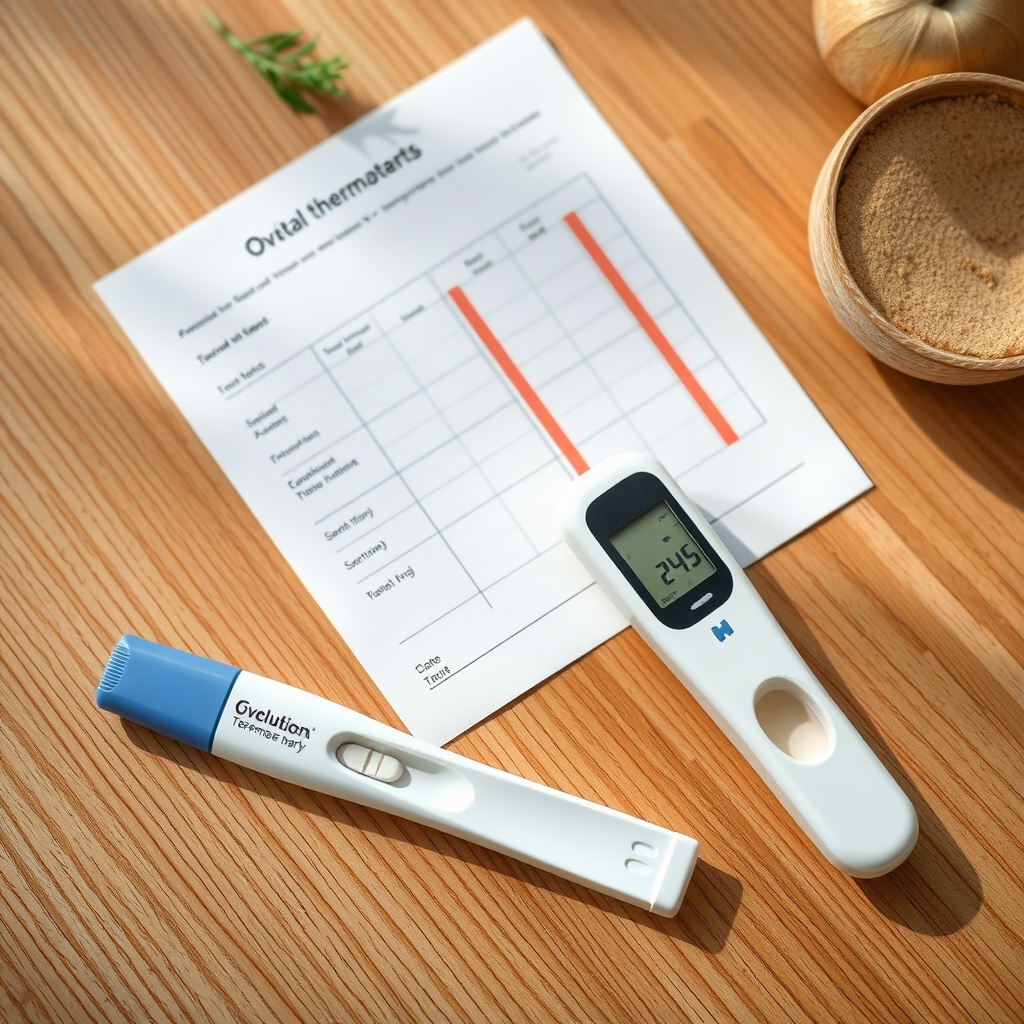
Two of the most popular, low‑cost methods for confirming ovulation are basal body temperature (BBT) charting and ovulation predictor kits (OPKs). Both give you concrete data to back up calendar calculations and provide a more precise understanding of your unique cycle.
Basal body temperature charting
BBT is your body’s temperature at rest, typically measured immediately upon waking before any activity. You’ll need a digital basal thermometer (which measures to two decimal places, e.g., 97.46°F or 36.37°C) and a simple spreadsheet, paper chart, or a dedicated fertility app.
Take your temperature every morning, at the same time, after at least three hours of uninterrupted sleep. Consistency is key here – try to measure before getting out of bed, talking, or drinking.
Record the number precisely. Many apps can automatically plot your temperatures, making it easier to spot patterns.
Watch for a sustained rise of about 0.3‑0.5 °C (or 0.4-1.0°F); this rise typically indicates that ovulation has occurred. The temperature usually stays elevated until your next period.
Retroactively identify the six‑day window ending on the first day of the temperature rise. By observing this pattern over several cycles, you can start to predict when your temperature shift might occur in future cycles.
BBT alone can’t predict ovulation in advance, but it can confirm it after the fact. This confirmation helps you refine future calculations and understand your typical luteal phase length. Factors like illness, poor sleep, or alcohol consumption can affect your BBT, so note these on your chart.
Ovulation predictor kits
OPKs detect the LH surge in urine. They are inexpensive, easy to use, and give a clear “positive” line or digital display when the surge happens, usually 24‑36 hours before ovulation. This makes them excellent for predicting ovulation in real-time.
Start testing a few days before your estimated fertile window (based on calendar calculations) to catch the beginning of the surge. The timing depends on your cycle length; for a 28-day cycle, you might start around day 10 or 11.
Follow the kit’s instructions for timing. Most kits recommend testing in the afternoon or early evening, not with first-morning urine, as LH is synthesized in the morning and takes a few hours to show up in urine. Avoid drinking excessive fluids for a couple of hours before testing, as this can dilute your urine and affect accuracy.
When you see a positive result (the test line is as dark as or darker than the control line), plan intercourse that day and the next day for maximum chances. The egg is typically released within 24-36 hours of a positive OPK.
Both methods work best when combined with cervical mucus observation. Together they give you a reliable, multi-faceted picture of when you’re truly most fertile. Some advanced fertility monitors combine both LH and estrogen detection to give you an even longer heads-up about your fertile window.
Combine OPKs with BBT charts for a clear view of your fertile window.
Understanding the male factor in fertility
While much of the focus on fertility naturally falls on the female cycle, it's crucial to remember that fertility is a partnership. Male factor infertility accounts for approximately one-third of all infertility cases, and it's something that can often be improved with lifestyle changes or medical intervention. Understanding male fertility is just as important as tracking ovulation.
Male fertility primarily depends on the quantity, quality, and motility of sperm. Healthy sperm production (spermatogenesis) takes about 72-74 days, meaning that lifestyle choices made months ago can impact current sperm quality. Key factors include:
Sperm Count: The number of sperm per milliliter of semen. A lower count can reduce the chances of a sperm reaching and fertilizing an egg.
Sperm Motility: The ability of sperm to move efficiently. Sperm need to be strong swimmers to travel through the female reproductive tract to reach the egg.
Sperm Morphology: The shape and structure of the sperm. Abnormally shaped sperm may have difficulty fertilizing an egg.
Lifestyle factors for men mirror many of those for women. Maintaining a healthy weight, eating a nutrient-rich diet (especially one high in antioxidants like zinc and selenium), and avoiding smoking and excessive alcohol are all critical. Additionally, men should be mindful of factors that can increase testicular temperature, such as frequent hot baths, saunas, or wearing very tight underwear, as elevated temperatures can impair sperm production. Certain medications, chronic health conditions, and even environmental toxins can also negatively impact male fertility. If you've been trying to conceive for a while and haven't considered the male factor, it's a valuable area to explore. A simple semen analysis can provide significant insights into sperm health.
Emotional well-being while trying to conceive
The journey of trying to conceive can be an emotional rollercoaster, filled with hope, anticipation, disappointment, and sometimes, profound stress. It's easy to get caught up in the science and the tracking, but acknowledging and managing the emotional toll is just as vital for your overall well-being and can even indirectly support your fertility efforts.
The pressure to conceive, especially month after month, can lead to increased anxiety, sadness, and even feelings of isolation. This stress can impact relationships, work, and personal happiness. While the direct link between stress and infertility is complex and still being researched, chronic stress can certainly affect hormonal balance, potentially disrupting ovulation or libido. More importantly, it can diminish the joy and intimacy of the process, making it feel like a chore rather than a loving act.
It's okay to feel these emotions. You are not alone. Many couples experience similar challenges. Here are some strategies to support your emotional health during this time:
Communicate openly with your partner: Share your feelings, worries, and hopes. Ensure you're both on the same page and support each other through the ups and downs.
Seek support: Talk to trusted friends, family, or consider joining a support group for others trying to conceive. Hearing shared experiences can be incredibly validating.
Practice stress-reduction techniques: Incorporate mindfulness, meditation, yoga, deep breathing exercises, or gentle walks into your daily routine. Even short bursts of relaxation can make a difference.
Maintain intimacy: Don't let conception efforts overshadow your relationship. Make time for non-procreative intimacy and connection to keep the spark alive.
Set boundaries: It's okay to decline invitations or conversations that feel emotionally draining, especially those that involve unsolicited advice or questions about your family plans.
Consider professional help: If anxiety or depression becomes overwhelming, a therapist specializing in fertility issues can provide coping strategies and emotional support.
Remember to be kind to yourself. This journey is unique for everyone, and prioritizing your mental and emotional health is a crucial part of preparing for parenthood.
Doctor’s note
From our medical team: Calculating the fertile window is a useful starting point, but remember that each body is unique. If you’ve been trying for six months (or three months if you’re over 35) without success, consider a fertility evaluation. Hormone tests, ultrasound monitoring, and lifestyle counseling can uncover hidden issues. Meanwhile, tracking your cycle, staying relaxed, and maintaining a nutritious diet keep your chances as high as possible. Don't hesitate to reach out to your provider with any questions or concerns you have about your fertility journey.
🔢 Ready to crunch your numbers? Use our Ovulation Calculator for a personalized result in seconds.
Myth vs. fact
Myth: “You can only get pregnant on the day you ovulate.”
Fact: Sperm can survive up to five days, so intercourse any time during the six‑day fertile window (the five days before ovulation and the day of ovulation) can result in fertilization.
Myth: “If you have regular periods, you don’t need to track ovulation.”
Fact: Even regular cycles have subtle variations; tracking signs like cervical mucus and using OPKs improves accuracy and reduces the guesswork, pinpointing your *most* fertile days within that regular pattern.
Myth: “Age doesn’t matter if you’re healthy.”
Fact: Fertility naturally declines with age, especially after 35 years, due to reduced egg quantity and quality. While a healthy lifestyle is always beneficial, it cannot reverse the natural biological clock.
Myth: “Stress can completely prevent you from getting pregnant.”
Fact: While severe, chronic stress can sometimes disrupt ovulation, it's rare for everyday stress to cause complete infertility. However, stress management is crucial for overall well-being and can certainly help optimize your chances by supporting regular cycles and making the journey more manageable.
Key takeaways
Most women’s fertile window spans the five days before ovulation and the day of ovulation.
Calculate it by subtracting 18 and 11 days from your shortest and longest cycles, respectively, to get an estimated range.
Watch cervical mucus, BBT, and LH surge for real‑time confirmation of ovulation.
Maintain a healthy weight, balanced diet, moderate exercise, and manage stress to support regular ovulation.
Remember that male fertility is equally important; lifestyle factors can significantly impact sperm health.
If you’ve been trying for several months without success (6 months if under 35, 3 months if over 35), seek a fertility evaluation.
Frequently asked questions
How long does it take to get pregnant?
Most couples conceive within six months; about 80 % do so within a year. If you’re under 35 and haven’t conceived after 12 months (or six months if over 35), consider speaking with a healthcare provider.
What are the symptoms of ovulation?
Typical signs include clear, stretchy cervical mucus; a slight dip then rise in basal body temperature; mild pelvic or lower‑abdominal pain (mittelschmerz); a positive result on an ovulation predictor kit; and sometimes increased libido or breast tenderness.
Can I get pregnant on the first try?
Yes, if intercourse occurs during the fertile window, pregnancy can happen on the first attempt. However, many couples need several cycles to conceive, so keep expectations realistic and stay relaxed.
How often should we have sex to get pregnant?
Having intercourse every 1‑2 days throughout the fertile window maximizes sperm availability while minimizing the chance of missing the optimal day. This approach ensures you cover the entire fertile window without overdoing it.
What is the fertile window?
The fertile window is the ≈ six‑day span ending on the day of ovulation, when sperm can survive and the egg is viable for fertilization. This is when unprotected intercourse has the highest chance of leading to pregnancy.
How does age affect fertility?
Female fertility slowly declines in the late 20s, drops more sharply after 35, and drops dramatically after 40. Age affects both egg quantity and quality, shortening the fertile window and lowering pregnancy rates. Male fertility also declines with age, though typically at a slower rate.
Can stress really affect my chances of conceiving?
While severe, chronic stress can disrupt the hormonal signals needed for ovulation, moderate everyday stress is unlikely to cause infertility. However, managing stress is crucial for overall well-being, and it can certainly help create a more favorable internal environment for conception and make the trying-to-conceive journey more positive.
What if my cycles are very irregular?
If your cycles are highly irregular, calculating your fertile window can be challenging. In such cases, closely monitoring ovulation signs like cervical mucus and using ovulation predictor kits (OPKs) can be more effective. If irregularity persists, especially if cycles are longer than 35 days or shorter than 21 days, speak to your doctor, as it could indicate an underlying condition like PCOS that might require medical management.
When to call your doctor
If you experience any of the following, contact your provider promptly: sudden or severe pelvic pain, heavy bleeding outside your period, fever > 100.4 °F (38 °C), or signs of infection after intercourse. Also, reach out if you’ve been trying to conceive for six months (or three months if you’re over 35) without success, or if you notice significant changes in your menstrual pattern that make tracking difficult or concerning. Your doctor can offer personalized advice, further testing, and discuss fertility treatments if appropriate.
This article provides general information and is not a substitute for personalized medical advice. Always discuss your specific situation with a qualified healthcare professional.
References
American College of Obstetricians and Gynecologists (ACOG). “Fertility Awareness-Based Methods for Pregnancy Prevention.” Clinical Guidance, 2023.
National Institute for Health and Care Excellence (NICE). “Fertility: Assessment and Treatment for People with Fertility Problems.” NG126, 2022.
World Health Organization (WHO). “Family Planning: A Global Handbook for Providers.” 2021.
Mayo Clinic. “Ovulation and Fertility: How to Predict Ovulation.” Updated 2024.
Centers for Disease Control and Prevention (CDC). “Infertility FAQs.” 2023.
Harvard Health Publishing. “When Is the Best Time to Get Pregnant?” 2022.
British Medical Journal (BMJ). “Age‑Related Decline in Female Fertility.” 2023.
National Health Service (NHS). “Understanding Your Menstrual Cycle.” 2024.
Society for Assisted Reproductive Reproductive Technology (SART). “Success Rates of Fertility Treatments.” 2023.
American Society for Reproductive Medicine (ASRM). “Ovulation Predictor Kits: How They Work.” 2022.
American Society for Reproductive Medicine (ASRM). "Optimizing Natural Fertility: A Committee Opinion." 2022.
National Institutes of Health (NIH). "Male Infertility." 2023.
Editor's pick for this topic
About the Author
When Shubhra Mishra was expecting her first child in 2016, she was overwhelmed by conflicting food advice — one site said yes, another said never. By the time her second baby arrived in 2019, she realized millions of mothers face the same confusion.
That sparked a five-year journey through clinical nutrition papers, cultural diets, and expert conversations — all leading to BumpBites: a calm, compassionate space where science meets everyday motherhood.
Her long-term vision is to build a global community ensuring safe, supported, and free deliveriesfor every mother — because no woman should face pregnancy alone or uninformed. 🌿
🌍 Stand with mothers, shape safer guidance
Join a small circle of experts who review BumpBites articles so expecting parents everywhere can decide with confidence.