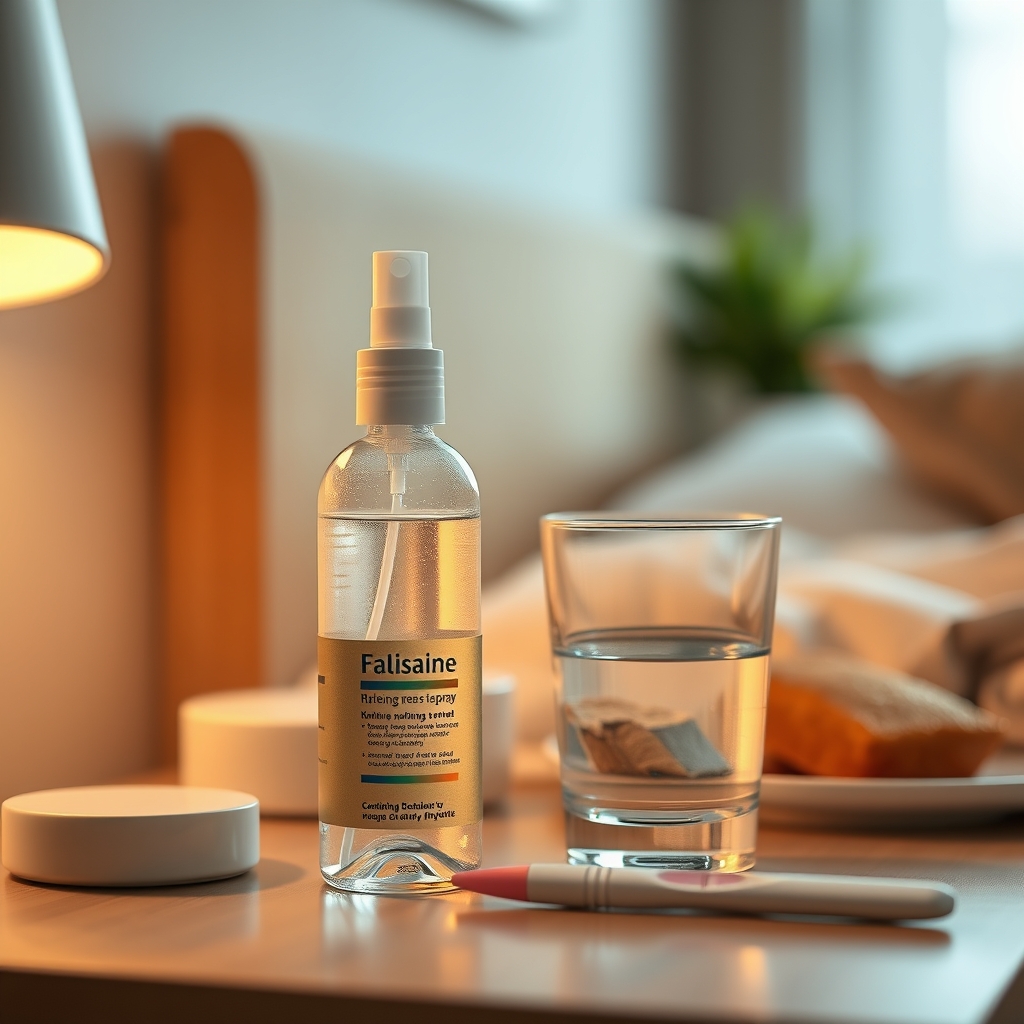
Safe: Short-term oxymetazoline (Afrin) is the safest nasal decongestant during pregnancy, but limit use to 3 days max in the first trimester to avoid rebound congestion.
By Shubhra Mishra — a mom of two who turned her own confusion during pregnancy into BumpBites, a global mission to make food choices clear, safe, and stress-free for every expecting mother. 💛
Check whether any food is safe during pregnancy with the BumpBites Food Safety Checker.
Download the Complete Pregnancy Food Guide (10,000 Foods) 📘
Instant PDF download • No spam • Trusted by thousands of moms
💡 Your email is 100% safe — no spam ever.
Quick verdict: ⚠️ Safe with limits. Most over‑the‑counter nasal decongestants can be used during pregnancy when you follow the recommended dosage and avoid certain vasoconstrictors in the first trimester. Choose saline sprays, humidifiers, or menthol rubs for first‑trimester relief, and talk to your provider before using oxymetazoline or phenylephrine later in pregnancy.
It’s 2 a.m., the house is quiet, and a sudden stuffy nose wakes you up. You reach for the nearest nasal spray, then wonder: “Is this safe for my baby?” You’re not alone—many expecting parents grapple with the same question, especially when a congestion‑relief product sits on the nightstand. This guide gives you a clear answer on the safe nasal decongestant for pregnancy and walks you through dosage limits, trimester‑specific guidance, and gentler alternatives that keep both you and your developing baby comfortable.
In this article we’ll break down the most common over‑the‑counter (OTC) decongestants, evaluate the evidence from ACOG, NHS, and the FDA, and list the safest options—including saline mist, humidifiers, and menthol rubs. We’ll also answer the exact queries you might be typing into Google, such as “Is it safe to use oxymetazoline nasal spray during the first trimester?” and “How many sprays of saline nasal spray are safe for pregnant women?” By the end you’ll know exactly what you can use, how often, and when to call your provider.
Keep a saline spray handy for quick, gentle relief without medication.
Option
Verdict
Safe amount / frequency
Notes
Simply Saline Nasal Mist
✅ Generally safe
Up to 6 sprays per day
Isotonic solution; no medication.
Vicks VapoRub (menthol rub)
✅ Generally safe
Apply a thin layer to chest/neck; avoid face
Contains menthol, camphor (≤ 30 %); do not use on infants.
Breathe Right Nasal Strips
✅ Generally safe
One strip per nostril, up to 3 nights/week
Mechanical; no drug absorption.
NeilMed Neti Pot (saline irrigation)
✅ Generally safe
Once daily with isotonic saline
Use sterile or boiled water; ensure clean device.
Honeywell HCM‑350 Humidifier
✅ Generally safe
Maintain 30‑50 % humidity, run 8‑10 hrs/night
Prevents dry air irritation.
Xlear Nasal Spray (xylitol)
⚠️ Safe with limits
2 sprays per nostril, up to 4 times/day
Contains xylitol; avoid if you have a xylitol allergy.
Eucalyptus essential oil (aromatherapy)
⚠️ Talk to your doctor first
1–2 drops in diffuser, 30 min/night
Strong oil; some providers advise caution.
Steam inhalation (hot shower)
✅ Generally safe
10‑15 min per session, up to 2 times/day
Ensure water isn’t scalding to avoid burns.
What is a nasal decongestant?
Nasal decongestants are substances that shrink the swollen blood vessels inside the nasal passages, allowing air to flow more freely. They come in several forms—sprays, drops, ointments, strips, and inhalants—and work either by delivering a medication (like oxymetazoline or phenylephrine) that directly constricts blood vessels, or by providing a physical or humidifying effect that moistens the mucosa. Over‑the‑counter products are popular because they provide rapid relief from the congestion that many pregnant people experience due to hormonal changes, increased blood volume, and nasal mucosal edema. While they are effective, some decongestants also raise blood pressure or reduce blood flow to the placenta, making safety a key concern during pregnancy.
Is a nasal decongestant safe during pregnancy?
C
urrent guidance from the American College of Obstetricians and Gynecologists (ACOG) and the UK’s National Health Service (NHS) says that most non‑medicated decongestant options—such as saline sprays, humidifiers, and nasal strips—are safe throughout pregnancy when used as directed. The U.S. Food and Drug Administration (FDA) classifies oxymetazoline and phenylephrine as Category C, meaning animal studies have shown risk, but there are no well‑controlled human studies; they should be used only if the potential benefit outweighs the risk and preferably after the first trimester.
Vasoconstrictor sprays (oxymetazoline, phenylephrine) can raise systemic blood pressure, which is a concern for pregnant people who develop hypertension or preeclampsia. Because the first trimester is the period of organogenesis—the stage when the baby’s organs form—most clinicians advise avoiding these medications during weeks 1‑12 unless a provider explicitly recommends them. After the second trimester, occasional short‑term use (no more than three days in a row) is often considered acceptable, especially if the mother has severe congestion that interferes with sleep or nutrition.
Menthol rubs (e.g., Vicks VapoRub) are generally regarded as safe because the active ingredients act locally on the skin and are not absorbed in significant amounts. However, the NHS warns against applying menthol products directly inside the nostrils, as inhalation of concentrated camphor can be irritating. Non‑medicated methods—saline irrigation, humidifiers, steam inhalation—carry virtually no systemic risk and are endorsed by both ACOG and the CDC for routine use.
Is it safe to use oxymetazoline nasal spray during the first trimester?
Oxymetazoline is a potent vasoconstrictor that provides quick relief but is classified by the FDA as Category C for pregnancy. During the first trimester, ACOG recommends avoiding it unless a healthcare provider determines the benefit outweighs potential risks. The concern is that systemic absorption could raise maternal blood pressure, which, in early pregnancy, might affect placental blood flow. If you’ve already used a single spray, take a breath—most occasional, low‑dose exposures have not been linked to birth defects, but you should discuss it with your obstetrician.
How many sprays of saline nasal spray are safe for pregnant women?
Saline nasal sprays contain only sterile salt water, so they are considered non‑medicated and safe at any stage of pregnancy. Most manufacturers recommend up to six sprays per day (three per nostril), and this limit is echoed by the NHS and the ACOG. Using the spray more frequently than recommended may cause nasal irritation, but it does not pose a risk to the fetus. If you need more relief, combine saline spray with a humidifier or a short‑term, doctor‑approved vasoconstrictor.
What are the safest over‑the‑counter nasal decongestant brands for pregnancy?
When looking for a pregnancy‑friendly OTC product, choose brands that clearly label “non‑medicated” or “saline” and avoid those containing oxymetazoline or phenylephrine unless your provider has approved their use. Trusted options include Simply Saline Nasal Mist, NeilMed’s Neti Pot with isotonic saline packets, and Breathe Right Nasal Strips. Vicks VapoRub is also widely considered safe for external use. Always read the ingredient list; products with added decongestant drugs should be used only under medical guidance.
Can pregnant women use menthol rubs for nasal congestion without risk?
Menthol rubs such as Vicks VapoRub are generally safe for pregnant users when applied externally to the chest, back, or throat. The active ingredients—menthol, camphor, and eucalyptus oil—stay on the skin and are not absorbed in amounts that would affect the fetus. However, avoid applying the rub inside the nostrils or on broken skin, as concentrated camphor can be irritating. The NHS advises keeping the rub away from infants under three months, but it is fine for adult use during pregnancy.
Are there any risks associated with using phenylephrine nasal spray while pregnant?
Phenylephrine, like oxymetazoline, is a vasoconstrictor classified as FDA Category C. It can raise blood pressure and may reduce uteroplacental blood flow, especially concerning for women with pregnancy‑induced hypertension or preeclampsia. ACOG recommends limiting its use to short courses (no more than three days) after the second trimester and only if a provider deems it necessary. If you experience a pounding headache, dizziness, or elevated blood pressure after use, contact your obstetrician promptly.
What non‑medication alternatives can relieve nasal congestion safely during pregnancy?
Non‑medicated options are the cornerstone of safe relief. Saline nasal mist, nasal irrigation (Neti pot), humidifiers, steam inhalation, nasal strips, and menthol rubs provide mechanical or humidifying relief without systemic absorption. These methods are endorsed by the CDC, ACOG, and NHS for use at any gestational age. They also avoid the blood‑pressure‑raising effects of vasoconstrictor sprays, making them ideal for women with hypertension, gestational diabetes, or a history of preeclampsia.
How does nasal congestion affect sleep in each trimester and what remedies are safe?
Congestion often worsens as pregnancy progresses because hormonal changes increase blood flow to the nasal mucosa. In the first trimester, mild congestion may be manageable with saline spray and a humidifier. By the second trimester, swelling can disrupt sleep, and a short, doctor‑approved course of oxymetazoline (if needed) may be considered. In the third trimester, the combination of a humidifier, nasal strips, and steam inhalation is usually sufficient; many obstetricians advise against vasoconstrictor sprays at this stage because of the risk of elevated blood pressure. Prioritizing safe, non‑medicated strategies throughout pregnancy helps maintain restful sleep without compromising fetal health.
Humidifiers add moisture to the air, easing congestion without medication.
Safe dosage / amount / brands
Below is a quick reference for the most common products you may encounter. Always follow the manufacturer’s instructions and consult your provider if you have any underlying health conditions.
Product
Typical safe dosage / frequency
Pregnancy‑friendly brands
Brands/ingredients to avoid
Simply Saline Nasal Mist
Up to 6 sprays per day
Simply Saline, Arm & Hammer
Sprays containing oxymetazoline, phenylephrine
Vicks VapoRub
Thin layer on chest/neck, up to 3 times/day
Vicks, Walgreens
Products with >30% camphor or menthol
Breathe Right Nasal Strips
One strip per nostril, up to 3 nights/week
Breathe Right, NasalAid
Strip adhesives containing latex (if allergic)
NeilMed Neti Pot
Once daily with isotonic saline
NeilMed, Naväge (with sterile packets)
Any pot used with tap water without sterilization
Honeywell HCM‑350 Humidifier
30‑50 % humidity, 8‑10 hrs/night
Honeywell, LEVOIT
Cheap ultrasonic humidifiers with mineral buildup
Xlear Nasal Spray (xylitol)
2 sprays per nostril, up to 4 times/day
Xlear, Xymogen (if approved)
Sprays with added oxymetazoline or phenylephrine
Eucalyptus essential oil (diffuser)
1‑2 drops in diffuser, 30 min/night
Young Living (pure), doTERRA (pure)
Blended oils with unknown additives
Steam inhalation (hot shower)
10‑15 min per session, up to 2 times/day
None required
Very hot water causing burns
Side effects and risks
Non‑medicated methods (saline, humidifier, strips, steam) are low‑risk. Possible minor side effects include nasal irritation from over‑use of saline or a dry mouth from frequent steam. If you notice persistent nosebleeds, severe irritation, or a new headache, pause the product and discuss it with your provider.
Vasoconstrictor sprays (oxymetazoline, phenylephrine) can cause:
Elevated blood pressure or heart rate spikes.
Rebound congestion (rhinitis medicamentosa) after three consecutive days of use.
Rarely, dizziness or palpitations that may signal systemic absorption.
If any of these symptoms appear, stop the product and contact your obstetrician immediately. Menthol rubs are safe when used externally, but excessive application can cause skin irritation or, in rare cases, allergic reactions.
Safer alternatives
Saline nasal mist – hydrates nasal passages without medication.
Humidifier – adds ambient moisture, easing breathing especially at night.
Steam inhalation – simple hot‑shower technique that loosens mucus.
Nasal strips – mechanically open nasal passages without drugs.
Neti pot with isotonic saline – thorough irrigation for stubborn congestion.
Menthol rubs (e.g., Vicks) – provide a cooling sensation when applied to chest.
Eucalyptus essential oil (in a diffuser) – soothing aroma, but use sparingly.
Deep dives on top recommended options
Simply Saline Nasal Mist
Simply Saline is an isotonic (0.9 %) saline solution that mimics the body’s natural fluids. Because it contains no active medication, it can be used anytime, even in the first trimester. The mist gently moisturizes the nasal lining, loosening mucus and reducing the feeling of blockage. Most obstetricians advise up to six sprays per day, which is enough to keep the passages clear without causing irritation. It is also safe for use alongside other non‑medicated methods like humidifiers.
Vicks VapoRub
Vicks VapoRub combines menthol, camphor, and eucalyptus oil to create a cooling sensation that can help open nasal passages when applied to the chest or throat. The ingredients act locally and are not absorbed in clinically significant amounts, making it suitable for all trimesters. Apply a thin layer no more than three times per day, and avoid direct application inside the nostrils or on broken skin. Pregnant users with a history of asthma should test a small area first, as strong menthol can trigger bronchospasm in sensitive individuals.
Breathe Right Nasal Strips
These adhesive strips lift the outer nose, physically opening the airway. Because they contain no drug, they are safe for use at any stage of pregnancy and do not interact with blood pressure or other medications. Use one strip per nostril before bedtime; most users find relief for up to eight hours. The strips are disposable, making them convenient for travel, and they have no known side effects aside from possible skin irritation in those with adhesive allergies.
NeilMed Neti Pot
The Neti pot provides a gentle, gravity‑driven irrigation of the nasal passages using a sterile saline solution. This method removes mucus, allergens, and irritants, offering relief that can last several hours. Use once daily with isotonic saline; avoid tap water unless it has been boiled and cooled or purchased as sterile saline to prevent rare infections such as Naegleria fowleri. Proper cleaning after each use is essential to keep the device safe throughout pregnancy.
Honeywell HCM‑350 Humidifier
The HCM‑350 is a cool‑mist humidifier that adds moisture to the air without heating water, reducing the risk of burns. Maintaining indoor humidity between 30‑50 % can ease nasal dryness and congestion, especially in winter when indoor heating dries out the air. Clean the unit weekly to prevent mold growth. Humidifiers are a cornerstone of non‑medicated congestion management and are safe for pregnant users of any trimester.
Xlear Nasal Spray (xylitol)
Xlear combines xylitol with a mild saline base. Xylitol may inhibit bacterial adherence, offering a modest antibacterial effect while still being non‑vasoconstrictive. Because it contains a small amount of medication, ACOG recommends limiting use to two sprays per nostril, up to four times a day. Women with a known xylitol allergy should avoid this product. Otherwise, it serves as a middle ground between plain saline and stronger decongestant sprays.
Eucalyptus Essential Oil (Aromatherapy)
When diffused, eucalyptus oil releases a fresh, menthol‑like aroma that can help open nasal passages. However, essential oils are concentrated plant extracts, and the CDC advises caution during pregnancy because some oils can cross the placenta. Use only 1‑2 drops in a diffuser for a short period (no longer than 30 minutes) and ensure the room is well‑ventilated. Pregnant individuals with asthma or known oil sensitivities should consult their provider before use.
Steam Inhalation (Hot Shower)
Steam inhalation is a simple, drug‑free technique. A hot shower or a bowl of hot water (covered with a towel) creates moist air that loosens mucus. Limit each session to 10‑15 minutes to avoid overheating, and keep a safe distance from the water to prevent burns. This method can be used as often as needed, making it a flexible and safe option throughout pregnancy.
Myth vs. fact
Myth: All nasal sprays are safe because they’re over‑the‑counter. Fact: Only saline‑based sprays are considered safe at any gestational stage; sprays containing oxymetazoline or phenylephrine should be limited and used under medical guidance.
Myth: Menthol rubs can be applied inside the nostrils for faster relief. Fact: Applying menthol inside the nose can cause irritation and should be avoided; the rub is safe only when used on the chest, throat, or back.
Myth: If a product feels “natural,” it must be safe for pregnancy. Fact: Natural ingredients like essential oils can still pose risks; always verify safety with reputable health authorities.
Key takeaways
Saline nasal mist, humidifiers, and nasal strips are the safest first‑line options for any trimester.
Oxymetazoline and phenylephrine are Category C; avoid them in the first trimester and limit use after the second trimester.
Menthol rubs are safe when applied externally; never place them inside the nostrils.
Non‑medicated methods (steam, Neti pot, humidifier) carry virtually no systemic risk and are recommended for all pregnant people.
Always discuss any vasoconstrictor spray with your provider, especially if you have hypertension or preeclampsia.
Watch for red‑flag symptoms like persistent headache, high blood pressure, or severe nosebleeds and seek medical advice promptly.
Frequently asked questions
Can I use nasal spray while pregnant?
Yes, you can use a saline nasal spray while pregnant; it is considered safe at any stage and can be used up to six sprays per day. Vasoconstrictor sprays (oxymetazoline, phenylephrine) should be avoided in the first trimester and limited thereafter, only under a provider’s direction.
What are the safest nasal decongestants for pregnant women?
The safest options are non‑medicated products: Simply Saline Nasal Mist, Breathe Right Nasal Strips, a cool‑mist humidifier, and steam inhalation. These provide relief without affecting blood pressure or fetal development.
Is it okay to use Vicks VapoRub during pregnancy?
Yes, Vicks VapoRub is generally safe when applied externally to the chest, throat, or back. Avoid applying it inside the nostrils or on broken skin, and limit use to a thin layer three times per day.
How many times a day can I use saline nasal spray when pregnant?
Most manufacturers and health authorities recommend up to six sprays per day (three per nostril). This dosage is safe throughout pregnancy and helps keep nasal passages moist without risk to the baby.
Are there any risks of using oxymetazoline in the second trimester?
Using oxymetazoline after the first trimester can be considered if a healthcare provider deems the benefit outweighs the risk, but it should be limited to short courses (no more than three consecutive days) to avoid blood‑pressure spikes and rebound congestion.
What non‑drug methods relieve congestion safely during pregnancy?
Saline spray, humidifiers, nasal strips, Neti‑pot irrigation, steam inhalation, and external menthol rubs are all drug‑free methods that are safe for pregnant individuals and recommended by ACOG and the NHS.
Can nasal congestion cause complications in pregnancy?
Severe congestion can interfere with sleep and nutrition, which may indirectly affect pregnancy health, but it does not directly cause fetal complications. Managing congestion with safe methods helps maintain overall well‑being.
Should I avoid phenylephrine nasal spray while pregnant?
Phenylephrine is a Category C vasoconstrictor and should be avoided in the first trimester. After the second trimester, it may be used only under a provider’s guidance and for short periods, due to potential blood‑pressure effects.
When to call your doctor
If you experience any of the following, contact your obstetrician or midwife right away: persistent or severe headache, sudden increase in blood pressure, chest pain, rapid heartbeat, significant nosebleeds, or worsening congestion that interferes with sleep or eating. These symptoms may signal a complication that requires professional evaluation. Remember, this article provides general information and is not a substitute for personalized medical advice.
References
American College of Obstetricians and Gynecologists (ACOG). “Medication Use in Pregnancy.” Updated 2023.
National Health Service (NHS). “Pregnancy and Common Cold.” Retrieved 2024.
U.S. Food and Drug Administration (FDA). “Pregnancy Category C Drugs.” Accessed 2024.
Centers for Disease Control and Prevention (CDC). “Pregnancy and Medication Safety.” 2023.
World Health Organization (WHO). “Guidelines for the Management of Common Cold in Pregnancy.” 2022.
Mayo Clinic. “Nasal Congestion and Pregnancy.” Updated 2024.
British Committee for Standards in Haematology (BCSH). “Use of Vasoconstrictors in Pregnancy.” 2023.
Editor's pick for this topic
About the Author
When Shubhra Mishra was expecting her first child in 2016, she was overwhelmed by conflicting food advice — one site said yes, another said never. By the time her second baby arrived in 2019, she realized millions of mothers face the same confusion.
That sparked a five-year journey through clinical nutrition papers, cultural diets, and expert conversations — all leading to BumpBites: a calm, compassionate space where science meets everyday motherhood.
Her long-term vision is to build a global community ensuring safe, supported, and free deliveriesfor every mother — because no woman should face pregnancy alone or uninformed. 🌿
🌍 Stand with mothers, shape safer guidance
Join a small circle of experts who review BumpBites articles so expecting parents everywhere can decide with confidence.