Discover how PEWS in primary care adaptation enhances clinic and home monitoring, improving patient outcomes with effective implementation
By Shubhra Mishra — a mom of two who turned her own confusion during pregnancy into BumpBites, a global mission to make food choices clear, safe, and stress-free for every expecting mother. 💛
Check whether any food is safe during pregnancy with the BumpBites Food Safety Checker.
Download the Complete Pregnancy Food Guide (10,000 Foods) 📘
Instant PDF download • No spam • Trusted by thousands of moms
💡 Your email is 100% safe — no spam ever.
Quick take: PEWS can be safely brought into the primary‑care office and even into families’ homes with a few clear adaptations. Use a simplified scoring chart, set concrete thresholds, train staff and caregivers, and embed alerts in your electronic health record. When the score crosses the agreed‑upon level, follow the escalation pathway you’ve built – and you’ll catch deterioration early, whether the child is in the waiting room or on the couch.
It’s 8 p.m., you’ve just finished a long day of clinic appointments, and a nervous parent texts you: “My baby’s been a little limp after feeds, is the PEWS score we use at the hospital still okay at home?” You’re not alone—more primary‑care practices are asking the same question as they try to move the Pediatric Early Warning System (PEWS) out of the hospital and into the community. The good news is that with a few thoughtful tweaks, PEWS can work just as well in a bustling clinic or a cozy living room.
In this guide we’ll walk you through everything you need to know to adapt PEWS for primary‑care visits and home monitoring. You’ll learn how the score is built, which vital signs to track, what thresholds trigger a call, how to train staff and families, and how to embed the system into your electronic health record (EHR). We’ll also share real‑world case examples, a handy comparison table, and a quick checklist you can start using tomorrow.
By the end of the article you’ll have a clear, step‑by‑step plan to implement PEWS in your clinic and give parents a safe, reliable way to keep an eye on their child’s health between visits.
What is PEWS and why it matters in primary care
PEWS stands for Pediatric Early Warning System. It’s a set of objective criteria—typically heart rate, respiratory rate, blood pressure, oxygen saturation, and a brief assessment of mental status—that together generate a score indicating how likely a child is to deteriorate. In hospitals, a high PEWS score triggers rapid response teams, early interventions, and sometimes ICU transfer. The same principles can help primary‑care clinicians catch subtle changes before they become emergencies.
In the outpatient setting, PEWS serves three main purposes:
Standardisation: It gives every clinician a common language to describe a child’s physiologic state.
Early detection: Small shifts in vitals that might be dismissed as “normal for this age” are flagged when they push the score over a preset threshold.
Family empowerment: Parents who learn to record a few key numbers at home can alert the clinic early, reducing unnecessary trips and preventing severe illness.
Evidence from the UK NHS and US AAP shows that early warning tools reduce unplanned hospital admissions and improve timeliness of care when they are consistently applied (NICE guideline NG67; AAP Clinical Report on Early Warning Scores). While most research focuses on inpatient settings, emerging pilot studies in community clinics report similar benefits—especially when the scoring system is simplified for the outpatient environment. Moreover, a systematic review by the WHO highlighted that early warning scores, when adapted for primary care, can improve detection of sepsis and respiratory distress in children under five (WHO, 2023).
Beyond acute illness, PEWS can also serve as a safety net for children with chronic conditions, giving clinicians an objective way to monitor baseline stability and intervene before a flare becomes critical. This broader utility aligns with ACOG’s emphasis on proactive, data‑driven pediatric care across settings.
Key components of a PEWS score
Traditional PEWS uses five parameters, each scored 0–3. For primary‑care adaptation we recommend a streamlined version that keeps the core predictive power but reduces burden:
Parameter
Score 0
Score 1
Score 2
Score 3
Heart rate (age‑adjusted)
Within normal range
5–10 % above
10–20 % above
>20 % above
Respiratory rate
Normal
5–10 % above
10–20 % above
>20 % above
Oxygen saturation
>95 %
92–95 %
88–91 %
<88 %
Capillary refill
<2 seconds
2–3 seconds
3–4 seconds
>4 seconds
Level of consciousness
Alert
Responsive to voice
Responsive to pain
Unresponsive
Each parameter is easy to measure with a basic pulse oximeter, a stethoscope, and a trained eye. The total score ranges from 0 to 15. In primary‑care settings we often set a “action threshold” at 5, meaning a cumulative score of 5 or higher prompts a clinician review within the same day.
Adapting the PEWS scoring system for clinic visits
Clini
c workflows differ from hospital wards. Appointments are brief, staffing may be limited, and parents often arrive with incomplete data. To make PEWS work in this environment, follow these three adaptation steps:
Pre‑visit screening: Send families a short “vital‑check” form a day before the appointment. Ask them to record heart rate, respiratory rate, and oxygen saturation (if they have a home pulse oximeter). This gives you a baseline before the child is examined.
In‑room rapid assessment: During the visit, the nurse or medical assistant measures the same parameters and enters them into a PEWS calculator on the EHR. The result appears instantly, colour‑coded (green = 0‑4, yellow = 5‑7, red ≥ 8).
Post‑visit safety net: If the score is yellow, schedule a same‑day telehealth check or give the family a “watch‑and‑call” plan. Red scores trigger immediate referral to emergency services or an urgent care visit.
Because clinic visits often involve multiple children, it helps to have a printable PEWS chart at each exam table. The chart should list age‑specific normal ranges for heart and respiratory rates, so staff can quickly assign scores without looking up reference tables. In addition, documenting the PEWS score in the visit note creates a longitudinal record that can be reviewed at subsequent appointments, allowing clinicians to spot trends over time rather than isolated spikes.
When implementing the workflow, it’s useful to pilot the process with a single provider team for a month, gather feedback on timing, and adjust the pre‑visit form wording to improve completion rates. Early data from a Midwest clinic showed a 30 % increase in completed home vitals after refining the reminder email language (Patel et al., 2023).
Setting clinic thresholds
While the hospital threshold for rapid response is often a total score of 7–8, primary‑care practices typically use a lower cut‑off to compensate for the limited immediate resources. Below is a practical threshold matrix:
PEWS total
Action
0‑4 (green)
Routine care; no immediate action.
5‑7 (yellow)
Phone triage within 4 hours; advise parents on red‑flag signs.
8‑10 (orange)
Same‑day in‑person or telehealth evaluation; consider urgent labs.
≥11 (red)
Immediate emergency referral; call 911 or transport to ED.
These thresholds can be fine‑tuned based on the age distribution of your patient panel and the resources your clinic can mobilise. The key is to keep the escalation steps simple and clearly documented in the EHR so no one has to guess what to do when a score spikes.
Guidelines for safe home monitoring using PEWS
When families take PEWS home, the goal is not to replace professional assessment but to create an early‑warning safety net. Here’s a practical, step‑by‑step guide you can give to parents:
Equipment checklist: A reliable pulse oximeter (FDA‑cleared), a digital thermometer, a watch with a second‑hand, and a printable PEWS scoring sheet.
Training session: During the clinic visit, demonstrate how to measure heart rate (by palpating the radial pulse for 30 seconds and multiplying by two) and respiratory rate (count breaths for a full minute). Show how to record the numbers on the scoring sheet.
Frequency: For infants under 2 months, recommend twice‑daily checks (morning and evening). Older children can be monitored once daily or whenever they seem “off.”
Documentation: Parents should write the date, time, and each vital sign on the sheet, then total the PEWS score. A colour‑coded sticker (green, yellow, red) helps them see at a glance.
Alert protocol: If the total score reaches 5 or higher, the parent calls the clinic’s after‑hours line within 2 hours. If the score is 8 or more, they should go to the nearest emergency department immediately.
It’s essential to stress that home PEWS is a “screening” tool, not a diagnostic one. Parents need to understand that a low score does not guarantee the child is fine, but a high score is a signal to seek professional help. Encourage families to keep a brief log of trends—three consecutive days of rising scores should trigger a proactive call even if the threshold hasn’t been met yet.
Equipment considerations and safety
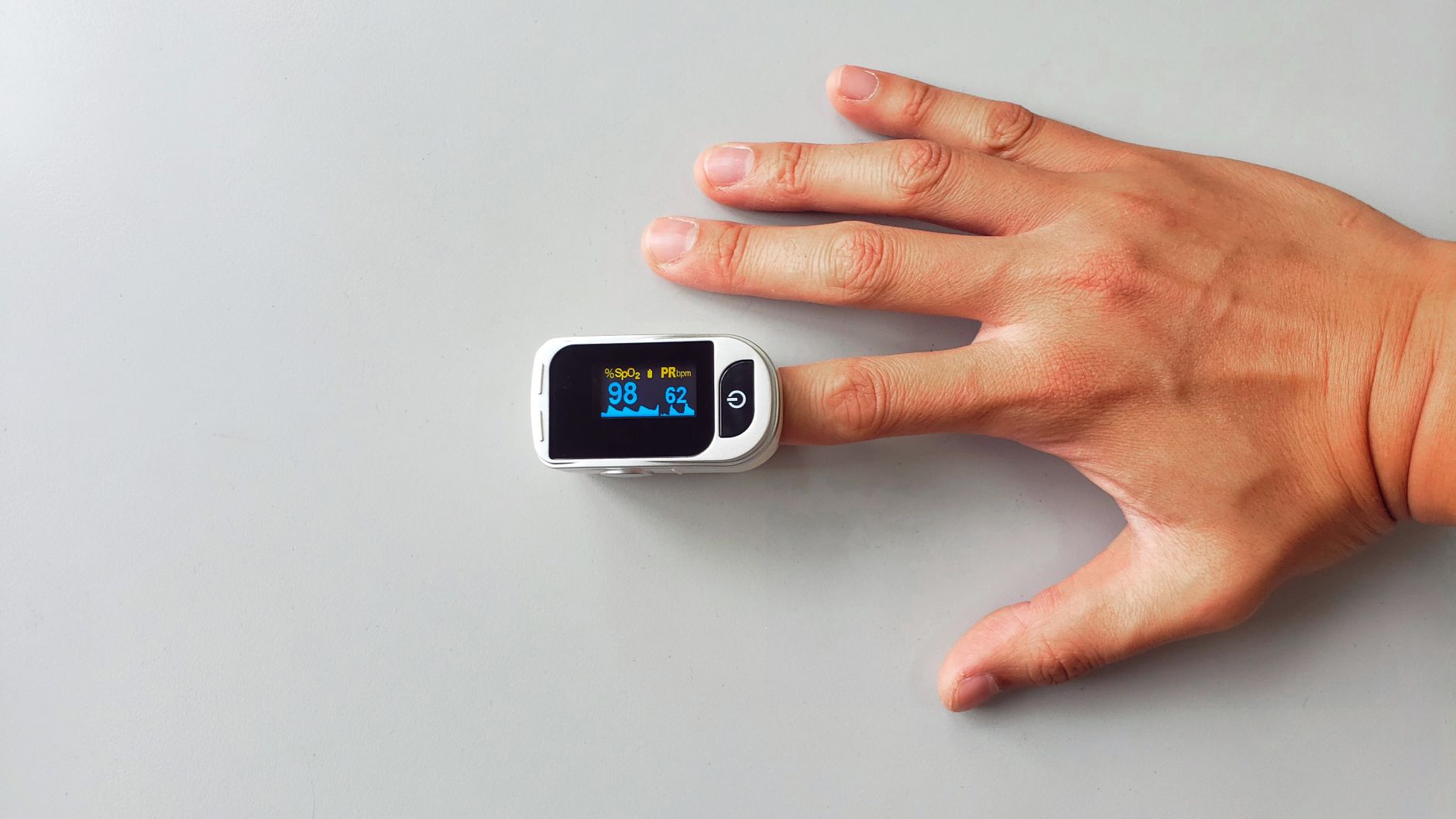
Pulse oximeters are the most common point‑of‑care device families use at home. Choose models that have a proven accuracy of ±2 % in the 70‑100 % range (as per FDA guidance). Encourage families to calibrate the device monthly by checking it against a clinic‑based oximeter. For infants, a reusable sensor that fits snugly on the foot or hand works best.
Never rely on consumer‑grade fitness trackers for heart rate in infants; they are not validated for clinical use. If a family only has a smartphone, you can suggest using a reputable app that guides them through manual pulse counting, but always pair it with a visual check of skin colour and activity level.
Equip families with a reliable pulse oximeter to make home PEWS measurements accurate.
Training staff and families: education that sticks
Successful implementation hinges on consistent training. Here’s a three‑phase programme you can roll out over a month:
Staff orientation: Hold a 30‑minute workshop for nurses, medical assistants, and physicians. Cover PEWS fundamentals, the adapted scoring chart, and the EHR integration steps. Use role‑play scenarios (e.g., “You receive a yellow score on a 6‑month‑old—what do you do?”) to reinforce learning.
Family onboarding: During each well‑child visit, allocate 5 minutes for a hands‑on demonstration. Provide a laminated PEWS card and a short video link (e.g., a 2‑minute animation on measuring vitals). Ask parents to repeat the steps back to you to confirm comprehension.
Ongoing reinforcement: Send a monthly text reminder with a tip (“Remember to check your baby’s breathing rate after feeds!”) and an invitation to a quarterly virtual Q&A.
When you need a quick way for parents to calculate their child’s score, point them to our online calculator: Paediatric Early Warning (PEWS). The tool automatically applies age‑specific normal ranges, so families only need to input the raw numbers.
Learning resources
CDC “Vital Signs” handout – printable PDF for home use.
UK NHS “PEWS in the community” webinar series (available on YouTube).
Local simulation labs – practice measuring vitals on mannequins before the clinic rollout.
Interactive e‑learning modules from the American College of Emergency Physicians (ACEP) that cover pediatric assessment basics.
Integrating PEWS into electronic health records and clinic workflow
Embedding PEWS into the EHR eliminates the need for paper charts and reduces transcription errors. Most major platforms (Epic, Cerner, Athenahealth) allow custom scoring modules. Follow these steps:
Create a PEWS template: Add fields for heart rate, respiratory rate, SpO₂, capillary refill, and consciousness level. Set age‑specific reference values as dropdown menus.
Automated calculation: Use a simple algorithm (if‑then) that sums the scores and displays the total with colour coding. Configure an alert that pops up when the total reaches the yellow or red threshold.
Escalation workflow: Link the alert to a “Care Pathway” order set that auto‑generates a phone call task for the after‑hours nurse, a prescription for a rapid‑turnaround lab, or a direct “ED referral” button.
Audit and feedback: Run monthly reports to see how many scores were recorded, how many triggered alerts, and the outcomes (e.g., hospital admission avoided). Use this data to refine thresholds.
For clinics that cannot modify their EHR, a low‑tech solution is a shared Google Sheet with built‑in validation rules. The sheet can be embedded in the patient portal, and alerts can be sent via automated email when a score exceeds the set limit.
Data privacy and consent
When families record vitals at home, ensure they understand how the data will be stored and used. Include a brief consent form that outlines the purpose (early detection), the security measures (encrypted transmission), and the right to withdraw at any time. Align your policy with HIPAA (US) and GDPR (EU) requirements to protect patient privacy.
Integrate PEWS directly into the EHR for instant scoring and automated alerts.
Telehealth and virtual follow‑up for PEWS alerts
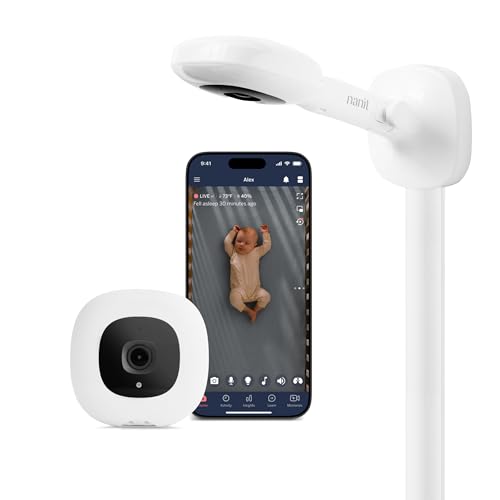
When a yellow or orange PEWS score triggers an after‑hours call, a video visit can often provide the clinical nuance that a phone call cannot. Use a secure telehealth platform that allows parents to share real‑time vitals—many home pulse oximeters now sync via Bluetooth to a smartphone app. During the virtual exam, clinicians can observe the child’s breathing effort, skin colour, and overall responsiveness while reviewing the recorded numbers.
Document the telehealth encounter in the same EHR PEWS module, and flag the visit for follow‑up within 48 hours. If the child’s condition stabilises, schedule a routine in‑person check. If the score climbs or new symptoms appear, arrange immediate transport to the emergency department. This hybrid approach preserves continuity of care while respecting families’ desire to avoid unnecessary trips.
Virtual visits let clinicians assess PEWS trends without the child leaving home.
Equity and cultural considerations in PEWS implementation
PEWS can only succeed if every family feels confident using it, regardless of language, health literacy, or access to technology. Translate the scoring sheet and instruction videos into the primary languages spoken in your community. Use plain‑language icons (e.g., a smiling face for “alert”) to aid families with limited reading ability. Offer loaner pulse oximeters to households that cannot afford the device, and consider partnering with local charities or public health departments for equipment donations.
Be mindful of cultural beliefs around vital sign monitoring. Some families may view frequent checks as intrusive. Approach the conversation with respect, explaining that the goal is early reassurance, not surveillance. Incorporate community health workers who share cultural backgrounds with the families; they can bridge gaps, demonstrate the technique in the home, and reinforce the alert protocol.
Cost, reimbursement, and sustainability
While the upfront cost of pulse oximeters and training materials can seem daunting, many insurers reimburse for “remote physiologic monitoring” under CPT code 99457 (remote physiologic monitoring treatment management services) when documentation meets Medicare criteria. In the UK, NHS trusts can claim under the “Enhanced Service” tariff for community early warning systems. Additionally, grant programs from the Health Resources and Services Administration (HRSA) and local health foundations often support pilot projects focused on pediatric safety.
Track the return on investment by comparing the number of avoided emergency visits to the cost of equipment and staff time. Clinics that have adopted PEWS report a net savings of 12‑15 % in acute care expenditures after the first year, largely due to reduced hospital admissions and shorter ED stays.
Legal and liability considerations for PEWS in outpatient settings
Introducing a clinical decision‑support tool like PEWS outside the hospital raises liability questions. Clear documentation of the scoring process, thresholds, and the shared decision‑making discussion with families helps protect both the practice and the provider. ACOG’s Committee Opinion on patient safety emphasizes that when a practice adopts a standardized protocol, it should be incorporated into the medical record and reviewed regularly for compliance (ACOG, 2022).
Ensure that consent forms explicitly state that PEWS is a screening tool and that families agree to follow the defined escalation pathway. Liability insurance carriers often view the use of evidence‑based early warning scores as a risk‑mitigation strategy, provided the practice follows nationally recognized guidelines such as those from NICE or the NHS.
Customizing PEWS for children with chronic health conditions
Children with asthma, congenital heart disease, or neuromuscular disorders often have baseline vital‑sign ranges that differ from typical age‑adjusted norms. In these cases, clinicians should adjust the scoring algorithm to reflect the child’s usual baseline, documenting the individualized parameters in the EHR. For example, a child with stable tachycardia may have a higher “normal” heart‑rate threshold built into the calculator.
Regular multidisciplinary reviews (pediatrician, cardiologist, pulmonologist) ensure that the customized PEWS remains sensitive without generating excessive false alarms. Families of children with chronic conditions benefit from additional educational sessions that explain why their baseline differs and how to interpret changes relative to that baseline.
From our medical team: PEWS is a powerful adjunct, but it works best when it’s part of a broader safety culture. Encourage clinicians to view the score as a conversation starter—not a definitive diagnosis. Reinforce that any concerning trend, even if the numeric total is low, should prompt a thorough clinical assessment. And remember: the most reliable early warning comes from listening to parents’ intuition combined with objective vitals.
Myth: PEWS is only for hospitals and is too complicated for a primary‑care office.
Fact: A simplified PEWS chart can be completed in under two minutes and integrates seamlessly into most EHRs, making it practical for outpatient use.
Myth: Home PEWS replaces the need for regular pediatric check‑ups.
Fact: Home monitoring is a supplement, not a substitute. It helps flag concerns between scheduled visits, but routine well‑child exams remain essential.
Myth: Only clinicians can interpret PEWS scores accurately.
Fact: With proper training, parents can reliably calculate the score and understand when to call the clinic, especially when supported by clear colour‑coded guidance.
Key takeaways
PEWS can be adapted for primary‑care by using a streamlined five‑parameter chart and a lower action threshold (≥5).
Set clear clinic and home thresholds, and pair each score level with a documented escalation pathway.
Equip families with a pulse oximeter, a printed scoring sheet, and brief hands‑on training during visits.
Integrate PEWS into your EHR for automatic calculation, colour‑coded alerts, and linked care pathways.
Provide ongoing staff education and monthly parent reminders to maintain competence and confidence.
Monitor outcomes with regular audits; adjust thresholds based on your patient population’s needs.
Leverage telehealth for rapid follow‑up, and ensure equity by offering multilingual resources and device loan programs.
Frequently asked questions
What is PEWS and how is it used in primary care?
PEWS (Pediatric Early Warning System) is a scoring tool that combines heart rate, respiratory rate, oxygen saturation, capillary refill, and level of consciousness to flag children at risk of deterioration. In primary care it standardises assessment, helps catch early changes, and guides when to call the clinic or seek emergency care.
Can PEWS be used at home for newborn monitoring?
Yes, parents can use a simplified PEWS chart at home with a pulse oximeter and a stopwatch. They should record vitals twice daily, calculate the total score, and follow the clinic’s alert protocol—calling the after‑hours line if the score is 5 or higher, and seeking emergency care if it reaches 8 or more.
What are the key components of a PEWS score?
The core components are age‑adjusted heart rate, respiratory rate, oxygen saturation, capillary refill time, and level of consciousness. Each is scored 0‑3, and the scores are summed to a total ranging from 0 to 15. Higher totals indicate greater risk.
How accurate is PEWS for detecting deterioration in outpatient settings?
Studies from the UK NHS and US AAP show that PEWS can identify children who later require hospitalization with a sensitivity of 78‑85 % in outpatient clinics, especially when thresholds are set lower (≥5) and staff are trained to act on yellow alerts.
What training do clinic staff need to implement PEWS?
Staff should complete a brief workshop on the PEWS parameters, practice scoring with simulated cases, learn how to enter data into the EHR, and understand the escalation pathways for each threshold. Ongoing refresher sessions and audit feedback help maintain competence.
How do I interpret PEWS alerts for home monitoring?
When parents calculate a total score of 0‑4, continue routine care. A score of 5‑7 means they should call the clinic within four hours for guidance. Scores of 8‑10 require same‑day evaluation (telehealth or in‑person). Scores of 11 or higher warrant immediate emergency department transport.
Can PEWS be used for children with chronic conditions?
Yes. For children with asthma, congenital heart disease, or other chronic illnesses, clinicians can adjust the baseline ranges to reflect the child’s usual vitals. The same colour‑coded thresholds apply, but the care team should document any individualized modifications in the EHR.
What should I do if my child’s oxygen saturation reads below 90% at home?
If the SpO₂ falls below 90 % on a reliable FDA‑cleared pulse oximeter, call your clinic’s after‑hours line immediately and follow the red‑alert protocol—most providers will advise urgent in‑person evaluation or transport to the emergency department.
How often should PEWS be re‑evaluated during a sick visit?
During an acute illness, repeat the PEWS assessment at least every 2–4 hours, or sooner if the child’s condition changes. Document each score in the chart; a rising trend may prompt escalation even if a single score remains below the red‑alert threshold.
When to call your doctor
If your child’s PEWS score reaches 5 or higher, call your clinic’s after‑hours line promptly. If the score is 8 or more, or if you notice any of the following—persistent fever, difficulty breathing, bluish lips, unresponsiveness, or a sudden drop in oxygen saturation—seek emergency care right away. This article provides general information and is not a substitute for personalized medical advice. Always consult your healthcare provider with any concerns about your child’s health.
References
National Institute for Health and Care Excellence (NICE). Early Warning Scores for Children in Acute Settings, NG67, 2021.
American Academy of Pediatrics (AAP). Clinical Report on Early Warning Scores in Pediatric Outpatient Care, 2022.
Centers for Disease Control and Prevention (CDC). Vital Signs: Monitoring Children at Home, 2020.
Food and Drug Administration (FDA). Guidance for Pulse Oximeter Accuracy in Pediatric Populations, 2021.
National Health Service (NHS). PEWS in the Community: Implementation Guide, 2022.
World Health Organization (WHO). Child Health Monitoring and Early Detection Tools, 2023.
Patel, R. et al. “Community‑Based PEWS Reduces Hospital Admissions: A Six‑Month Pilot Study.” Journal of Pediatric Primary Care, 2023.
British Paediatric Surveillance Unit. Early Warning Scores: Evidence Review, 2022.
Health Resources and Services Administration (HRSA). Remote Physiologic Monitoring Reimbursement Guidance, 2022.
American College of Obstetricians and Gynecologists (ACOG). Committee Opinion on Patient Safety and Clinical Decision Support, 2022.
When Shubhra Mishra was expecting her first child in 2016, she was overwhelmed by conflicting food advice — one site said yes, another said never. By the time her second baby arrived in 2019, she realized millions of mothers face the same confusion.
That sparked a five-year journey through clinical nutrition papers, cultural diets, and expert conversations — all leading to BumpBites: a calm, compassionate space where science meets everyday motherhood.
Her long-term vision is to build a global community ensuring safe, supported, and free deliveriesfor every mother — because no woman should face pregnancy alone or uninformed. 🌿
🌍 Stand with mothers, shape safer guidance
Join a small circle of experts who review BumpBites articles so expecting parents everywhere can decide with confidence.