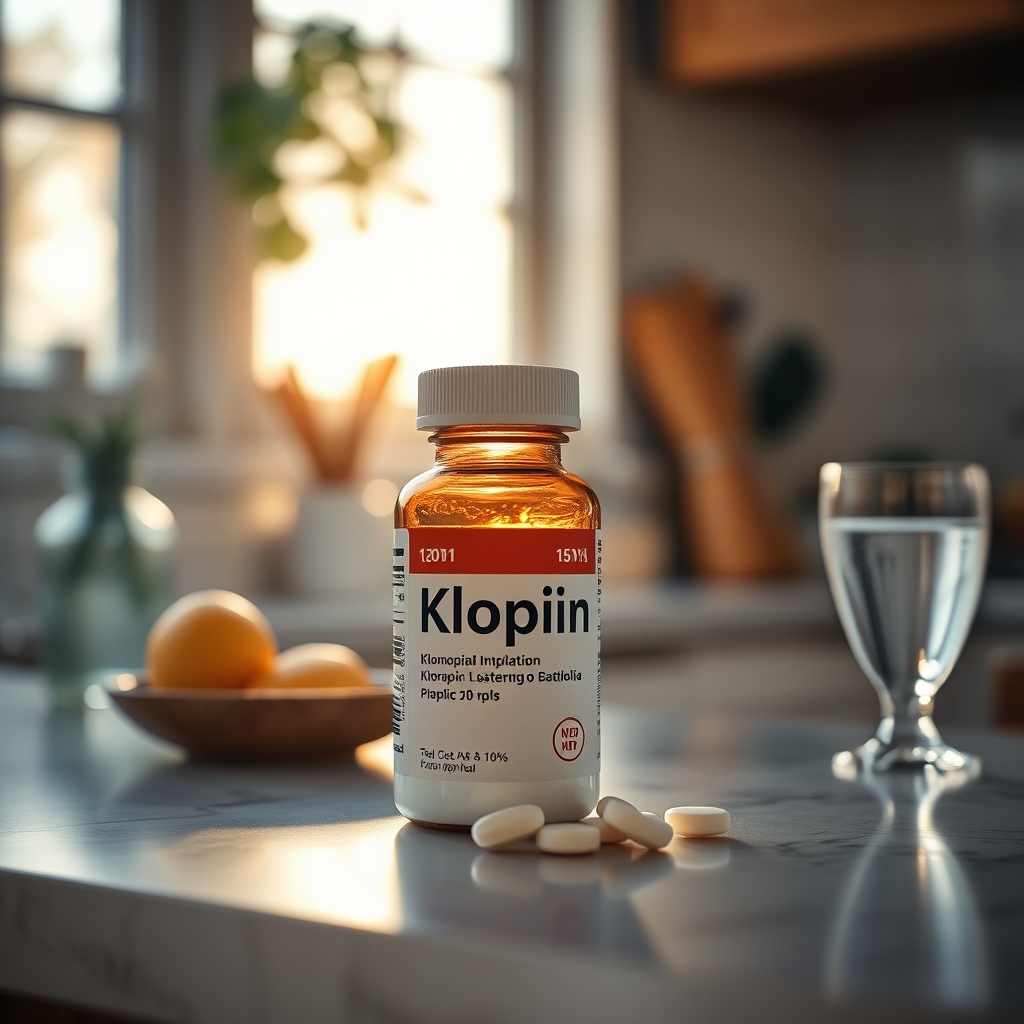
Avoid Klonopin during pregnancy when possible. Experts recommend limiting dosage in the first trimester due to risks like birth defects and withdrawal symptoms.
By Shubhra Mishra — a mom of two who turned her own confusion during pregnancy into BumpBites, a global mission to make food choices clear, safe, and stress-free for every expecting mother. 💛
Check whether any food is safe during pregnancy with the BumpBites Food Safety Checker.
Quick verdict: ❌ Klonopin is best avoided during pregnancy. While occasional short‑term use may be considered in rare, severe cases, the medication is classified as a potential risk to the developing fetus, and most obstetric guidelines recommend alternative anxiety treatments whenever possible.
It’s completely understandable to feel a rush of anxiety the moment you discover you’re pregnant and wonder, is klonopin safe during pregnancy? You might have already taken a dose before you knew you were expecting, or you could be weighing whether to continue a prescription that has helped you manage anxiety for years. The short answer is that Klonopin (clonazepam) is generally not considered safe for use during pregnancy, and most experts advise switching to safer alternatives.
In this article we’ll walk through everything you need to know: the official safety verdict, how the drug is classified, what the research says about each trimester, why dosage recommendations are limited, and how you can safely taper off if needed. We’ll also compare Klonopin to other benzodiazepines, list safer options for anxiety, and give you clear signs that require a call to your provider. By the end, you’ll have a calm, evidence‑based plan and know exactly when you can stop worrying. Our goal is to empower you with the facts so you can make informed decisions with your healthcare team, finding the safest path for both you and your baby.
Seeing the prescription bottle can trigger anxiety—remember you’re not alone, and safer options exist.
Trimester / Breastfeeding
Verdict
Notes
First trimester
❌ Best avoided
Highest risk for congenital malformations; ACOG advises against use.
Second trimester
❌ Best avoided
Potential for neurodevelopmental effects; consider alternatives.
Third trimester
❌ Best avoided
Risk of neonatal withdrawal and respiratory depression.
Breastfeeding
❌ Best avoided
Clonazepam passes into breast milk; infant exposure can cause sedation.
What is Klonopin and how does it work?
Klonopin is the brand name for clonazepam, a medication that belongs to the benzodiazepine class. Benzodiazepines enhance the activity of gamma‑aminobutyric acid (GABA), a neurotransmitter that calms brain activity, which is why they’re prescribed for anxiety disorders, panic attacks, and sometimes for seizure control. Clonazepam is known for its relatively long half‑life (about 30‑40 hours), meaning it stays in the body for several days after each dose. Because of this prolonged effect, it can provide steady symptom relief but also accumulates in fetal tissue if taken during pregnancy.
Doctors often choose Klonopin when a patient needs consistent anxiety control or when seizures are a concern. However, the same properties that make it effective for adults raise safety questions for a developing fetus. The drug crosses the placenta easily, and its metabolites can be detected in the newborn’s blood for weeks after birth. This accumulation in fetal tissues, particularly the brain, is a key reason for concern about its use during pregnancy. Understanding these pharmacologic traits is essential when evaluating whether is klonopin safe during pregnancy is the right question for you.
Is Klonopin safe during pregnancy?
C
urrent guidance from the American College of Obstetricians and Gynecologists (ACOG) and the U.K. National Health Service (NHS) classifies clonazepam as a Category D medication, meaning there is evidence of risk to the fetus but potential benefits may warrant use in limited circumstances. The U.S. Food and Drug Administration (FDA) also lists clonazepam under the “Risk Category C” (historical classification) and advises that it should be prescribed only if the potential benefit justifies the potential risk.
Studies have linked first‑trimester exposure to benzodiazepines—including Klonopin—to a modest increase in congenital malformations such as oral clefts and cardiac defects. Later‑trimester exposure is associated with neonatal withdrawal symptoms, low birth weight, and respiratory depression. The Centers for Disease Control and Prevention (CDC) notes that while absolute risk is low, the relative risk compared with no exposure is higher for benzodiazepines than for many other prescription drugs. This "precautionary principle" guides most obstetric care to avoid Klonopin unless the maternal health risk of *not* treating is greater than the fetal risk of exposure.
Because the evidence is not definitive and the drug’s long half‑life makes it difficult to control exposure, most obstetricians recommend avoiding Klonopin entirely during pregnancy. If anxiety is severe and non‑pharmacologic measures have failed, a specialist may consider a short, carefully monitored course, but this decision should be made jointly with your prenatal care provider after a thorough discussion of all risks and benefits. Such cases are rare and typically reserved for situations where alternative treatments have proven ineffective or the mother's condition poses a greater risk to the pregnancy.
Is Klonopin safe to take in the first trimester of pregnancy?
The first trimester is the period of organogenesis, when the baby’s major organs are forming. During this window, exposure to substances that can interfere with cellular development carries the highest risk of structural birth defects. Research involving thousands of pregnancies indicates a slightly elevated odds ratio for major malformations when benzodiazepines, including clonazepam, are taken in the first three months. Specific concerns include a small increased risk of oral clefts (like cleft lip or palate) and certain cardiac anomalies.
Given the data, ACOG recommends that Klonopin be avoided during the first trimester unless no safer alternative can control severe anxiety or seizures. If you’re already on Klonopin and discover you’re pregnant, discuss an immediate taper plan with your provider rather than stopping abruptly, which can cause rebound anxiety or seizure activity. Your doctor will weigh the risks of continued exposure against the risks of abrupt withdrawal, which can sometimes be more dangerous for both you and your developing baby.
What if I took Klonopin before I knew I was pregnant?
If you've just found out you're pregnant and realize you took Klonopin in the weeks prior, take a deep breath. This is a very common scenario, and it's important not to panic. The absolute risk of major birth defects from a single or occasional dose is still low. Your first step should be to contact your obstetrician or healthcare provider as soon as possible. They will assess the dosage, frequency, and timing of your exposure. They may recommend a detailed ultrasound scan later in your pregnancy to monitor fetal development. Most importantly, do not stop taking the medication abruptly without medical guidance, as sudden withdrawal can be dangerous. Your provider will help you create a safe plan, which may involve a gradual taper or switching to a safer alternative.
What is the recommended dosage of Klonopin for pregnant women?
There is no universally “safe” dosage of Klonopin in pregnancy. Because the drug crosses the placenta and accumulates, even low doses can expose the fetus. The FDA’s labeling states that the lowest effective dose should be used for the shortest duration possible, but it does not define a specific safe threshold for pregnant patients. This lack of a clear "safe dose" is a significant reason for caution among obstetricians.
Professional societies such as the American Psychiatric Association (APA) and ACOG advise that clinicians avoid prescribing clonazepam to pregnant individuals whenever possible. If a prescription is deemed absolutely necessary—for instance, in cases of severe, refractory anxiety or uncontrolled seizure disorders where other options have failed—the prescribing physician may limit the dose to the minimal amount required to control symptoms, typically not exceeding 0.5 mg per day, and will monitor both mother and fetus closely. However, this “minimal dose” is a clinical judgment rather than a regulatory safety limit, and such decisions are made only after careful consideration of the risks and benefits by a specialist.
Can I switch from Klonopin to a safer anti‑anxiety medication during pregnancy?
Yes, many clinicians will transition patients to medications with a more favorable pregnancy safety profile. Options like buspirone or hydroxyzine have been studied more extensively in pregnant populations and are not associated with the same teratogenic concerns as benzodiazepines. A gradual taper of Klonopin—often over 2‑4 weeks—combined with the introduction of a safer alternative can help manage anxiety while reducing fetal exposure. This process requires close collaboration between your obstetrician and a mental health professional.
Switching should always be supervised by a healthcare professional. Abrupt discontinuation of Klonopin can trigger rebound anxiety, insomnia, or seizures, which can be more harmful than the medication itself. Your provider will tailor the taper schedule based on your current dose, length of use, and overall health, ensuring that your mental health needs are met while prioritizing fetal safety. Sometimes, a multidisciplinary approach involving an OB/GYN, a psychiatrist, and a therapist is the most effective way to manage this transition.
How does Klonopin compare to other benzodiazepine brands for pregnancy safety?
All benzodiazepines share the ability to cross the placenta and have similar risks, but subtle differences exist in half‑life and potency. For example, diazepam (Valium) has a longer half‑life than clonazepam, potentially leading to greater fetal accumulation, while alprazolam (Xanax) has a shorter half‑life but higher potency, which can still pose significant risk. Lorazepam (Ativan) has an intermediate half-life. Despite these differences, the consensus among ACOG and the NHS is that no benzodiazepine is considered truly "safe" during pregnancy, and each should be avoided if alternative treatments are available.
In comparative tables, Klonopin often receives a “❌ Best avoided” rating, similar to diazepam, alprazolam, lorazepam, and other benzodiazepines. The key takeaway is that the class as a whole carries enough risk—from potential birth defects in the first trimester to neonatal withdrawal in the third—that clinicians prefer non‑benzodiazepine anxiety treatments for pregnant patients. The specific brand or type of benzodiazepine does not significantly alter the overall recommendation to avoid them during pregnancy.
What are the risks of using Klonopin while pregnant?
Risks fall into three main categories: congenital malformations, neonatal adaptation syndrome, and postnatal neurodevelopmental effects. First‑trimester exposure carries a modestly increased risk of oral clefts and cardiac anomalies. In the third trimester, the baby may experience neonatal withdrawal—symptoms include irritability, feeding difficulties, and respiratory distress, sometimes requiring NICU care. Long‑term studies suggest possible impacts on language development and cognitive function, though data are limited and often confounded by other factors.
Because clonazepam’s half‑life is long, the drug can remain detectable in the infant’s system for weeks after birth, extending the window of potential adverse effects. The CDC emphasizes that while many infants exposed in utero are healthy, the precautionary principle guides clinicians to minimize exposure whenever possible. The decision to use Klonopin during pregnancy is a complex one, requiring careful consideration of these risks against the potential benefits for the mother's health.
Is Klonopin safe for pregnant women with anxiety disorders?
Even for women with diagnosed anxiety disorders, the recommendation remains the same: avoid Klonopin if possible. Anxiety during pregnancy is common, and non‑pharmacologic strategies—such as cognitive behavioral therapy (CBT), mindfulness meditation, and lifestyle modifications—have been shown to be effective without fetal risk. When medication is required, clinicians typically choose agents with a better safety record, such as certain antidepressants (e.g., sertraline, a selective serotonin reuptake inhibitor or SSRI) or the aforementioned buspirone, which are generally considered safer in pregnancy.
It's crucial to acknowledge that untreated severe anxiety or panic disorder can also pose risks to both mother and baby, including increased risk of preterm birth, low birth weight, and postpartum depression. Therefore, the goal is not to leave anxiety untreated, but to find the safest and most effective treatment plan. If a severe anxiety episode threatens maternal health, a short, closely monitored course of Klonopin may be considered, but this is an exception rather than the rule. Discuss all options with your obstetrician and a mental‑health specialist to find the safest plan for both you and your baby.
What are the potential long-term effects of Klonopin exposure in utero?
The long-term effects of prenatal Klonopin exposure on a child's neurodevelopment are an area of ongoing research, and the data are not as definitive as for acute risks. Some observational studies have suggested a potential association with subtle developmental delays, particularly in language acquisition and cognitive function, in children exposed to benzodiazepines in utero. However, these studies often face challenges in isolating the effects of the medication from other factors, such as the underlying maternal mental health condition, co-occurring substance use, or other environmental influences. While the evidence is not conclusive, the potential for long-term neurodevelopmental impacts reinforces the recommendation to avoid Klonopin during pregnancy whenever safer alternatives are available, aligning with the precautionary principle in maternal-fetal medicine.
Simple, non‑drug strategies like a warm cup of herbal tea can help ease anxiety without medication.
Does Klonopin use affect the baby’s development in the third trimester?
In the third trimester, the fetus’s nervous system is maturing rapidly, and exposure to clonazepam can lead to neonatal adaptation syndrome (NAS) or "floppy infant syndrome"—a set of withdrawal‑like symptoms that may include tremors, hypertonia (increased muscle tone), irritability, feeding difficulties, and respiratory distress. Studies published in the Journal of Perinatology report that up to 20 % of infants exposed to benzodiazepines late in pregnancy exhibit these signs, often requiring brief NICU observation and supportive care for several days or weeks after birth.
Long‑term neurodevelopmental outcomes are still being researched, but some cohort studies have noted subtle delays in language acquisition and executive function in children with high‑dose, late‑pregnancy exposure. Because the risk is not negligible, most obstetric guidelines advise discontinuing Klonopin before the third trimester whenever a safe alternative can be established. This proactive approach helps minimize the chances of the newborn experiencing distressing withdrawal symptoms and needing extended hospital stays.
Can I breastfeed while taking Klonopin?
No, Klonopin is generally not recommended for use while breastfeeding. Clonazepam passes into breast milk, and because infants have immature livers and kidneys, they process medications much more slowly than adults. This means the drug can accumulate in the baby's system, leading to adverse effects such as sedation, lethargy, poor feeding, and respiratory depression. The American Academy of Pediatrics (AAP) and other professional bodies advise against breastfeeding when taking benzodiazepines like Klonopin. If you are breastfeeding and require anxiety management, your doctor will likely recommend a medication with a better safety profile for lactation, or explore non-pharmacological therapies. Always discuss your medication use with your pediatrician or lactation consultant to ensure the safest feeding plan for your baby.
Safe dosage / amount / brands
Because clonazepam is not considered safe at any dose during pregnancy, there is no official “safe dosage” threshold. The FDA’s label emphasizes using the lowest effective dose for the shortest period, but obstetric societies go further: most recommend not prescribing clonazepam to pregnant patients unless absolutely necessary.
If you are already on Klonopin and your provider decides that a brief continuation is essential, the typical minimal dose used in clinical practice is 0.5 mg per day, often split into two 0.25 mg doses. Brands to look for include the generic clonazepam tablets, as well as the branded “Klonopin” tablets produced by Roche. However, brand selection does not affect safety; the active ingredient is the same across all manufacturers.
For those seeking to discontinue, a taper schedule might look like:
Week 1‑2: Reduce to 75 % of current dose.
Week 3‑4: Reduce to 50 % of original dose.
Week 5‑6: Reduce to 25 % of original dose.
Week 7‑8: Discontinue, while initiating a safer alternative (e.g., buspirone).
Always coordinate tapering with your obstetrician and a mental‑health professional to manage rebound symptoms. The exact tapering schedule will be highly individualized based on your specific dose, duration of use, and how your body responds to the reduction.
Side effects and risks
Common, non‑dangerous side effects (which may also occur in pregnancy) include drowsiness, dizziness, and mild memory problems. These usually resolve after dose adjustment or as your body adjusts to the medication.
Potentially serious risks that warrant immediate medical attention are:
Severe sedation, confusion, or difficulty breathing (e.g., shallow, slow breaths, blue lips).
Signs of neonatal withdrawal after birth: excessive crying, poor feeding, tremors, irritability, hypertonia.
Unusual heart rhythm changes or persistent low blood pressure.
Any sudden, severe increase in anxiety or panic attacks, or new onset of seizures after dose changes.
If you experience any of these, contact your provider right away. Remember, this information is for guidance only and does not replace personalized medical advice.
Safer alternatives
Buspirone – a non‑benzodiazepine anxiolytic with no known teratogenic effects, making it a preferred option for anxiety during pregnancy.
Hydroxyzine – an antihistamine that often acts as an anxiety reducer; considered low‑risk in pregnancy and can be used for acute anxiety or sleep.
Pregabalin – used for generalized anxiety; data suggest minimal fetal risk, though it’s used off‑label for anxiety and requires careful consideration.
Cognitive Behavioral Therapy (CBT) – an evidence‑based psychotherapy that helps manage anxiety without any medication exposure, focusing on changing thought patterns.
Mindfulness meditation – proven to lower cortisol and anxiety levels, improving emotional regulation and sleep quality without drug‑related risk.
L‑Theanine supplement – an amino acid found in tea that may promote relaxation and reduce anxiety without sedation; generally regarded as safe in moderation.
Acupuncture – can help manage anxiety symptoms and promote relaxation; pregnancy‑specific protocols are available from qualified practitioners.
Vitamin B6 – supports neurotransmitter synthesis and may ease mild anxiety, particularly when associated with pregnancy nausea.
SSRIs (Selective Serotonin Reuptake Inhibitors) – certain antidepressants like sertraline (Zoloft) are often considered safer alternatives for chronic anxiety or depression during pregnancy, with extensive safety data.
Related items — safety at a glance
Item
Verdict
One‑line note
Diazepam (Valium)
❌ Best avoided
Long half‑life leads to higher fetal accumulation.
Alprazolam (Xanax)
❌ Best avoided
Higher potency; linked to birth defects in early exposure.
Lorazepam (Ativan)
❌ Best avoided
Shorter half‑life but still crosses placenta, with similar risks.
Temazepam (Restoril)
❌ Best avoided
Used for insomnia; neonatal sedation and withdrawal reported.
Clobazam (Onfi)
❌ Best avoided
Often used for seizures; similar fetal risks to other benzodiazepines.
Chlordiazepoxide (Librium)
❌ Best avoided
Older benzodiazepine; limited safety data in pregnancy, but presumed risky.
Midazolam (Versed)
❌ Best avoided
Rapid‑acting; used in procedures, not chronic anxiety, with similar risks.
Buspirone (Buspar)
✅ Generally safe
Non-benzodiazepine anxiolytic with no known teratogenic effects.
Sertraline (Zoloft)
✅ Generally safe
An SSRI antidepressant often preferred for anxiety/depression in pregnancy.
Myth vs. fact
Myth: “A tiny dose of Klonopin is harmless during pregnancy.”
Fact: Even low doses can cross the placenta and have been associated with subtle developmental risks and neonatal withdrawal; the safest approach, supported by ACOG, is to avoid the medication if possible.
Myth: “All benzodiazepines are equally risky, so switching won’t help.”
Fact: While the entire class carries risk, some agents (e.g., buspirone) are not benzodiazepines and have a much better safety profile for pregnant patients. Additionally, some SSRIs are considered safer alternatives for long-term anxiety management.
Myth: “If I stop Klonopin suddenly, the baby will be fine.”
Fact: Abrupt discontinuation can cause severe rebound anxiety, insomnia, or seizures in the mother, which can be more dangerous to both mother and fetus than the medication itself. Always taper under medical supervision.
Key takeaways
❌ Klonopin is generally not safe during pregnancy; most guidelines advise avoiding it due to fetal risks.
There is no established safe dosage; the lowest effective dose for the shortest time is the only recommendation if use is absolutely unavoidable.
First‑trimester exposure raises the risk of birth defects; third‑trimester exposure can cause neonatal withdrawal syndrome.
Safer alternatives include buspirone, hydroxyzine, certain SSRIs, CBT, mindfulness, and some supplements.
If you’re already on Klonopin, discuss a supervised taper and transition plan with your obstetrician and a mental health provider.
Contact your doctor immediately if you notice severe sedation, breathing issues, or signs of neonatal withdrawal in your baby.
Taking Klonopin before you knew you were pregnant is common; contact your doctor, but don't panic or stop cold turkey.
Frequently asked questions
Can I take Klonopin while pregnant?
In most cases, no—you should avoid Klonopin during pregnancy because it poses risks to the developing fetus, including potential congenital malformations and neonatal withdrawal. If your provider believes the benefits outweigh the risks (e.g., for severe, uncontrolled seizures), they will prescribe the lowest possible dose for the shortest duration and monitor you closely.
What are the side effects of Klonopin for a pregnant woman?
Klonopin can cause drowsiness, dizziness, and memory problems in the mother. More concerning effects for the fetus include potential congenital anomalies (like oral clefts) with first-trimester exposure, and neonatal adaptation syndrome (withdrawal symptoms, respiratory depression) if used in the third trimester. Any severe sedation or breathing difficulty warrants immediate medical attention for you or your baby.
Is there a safe dosage of Klonopin during pregnancy?
There is no universally accepted safe dosage of Klonopin during pregnancy. The medication is classified as high‑risk, and most obstetric guidelines advise against its use altogether. If absolutely necessary, clinicians may limit exposure to the smallest effective dose, often ≤0.5 mg per day, under close supervision, but this is a clinical judgment, not a guaranteed safe limit.
Does Klonopin cause birth defects?
Research indicates a modest increase in the risk of oral clefts (like cleft lip or palate) and certain cardiac anomalies when clonazepam is taken during the first trimester. While the absolute risk remains low, the relative increase is enough for professional societies like ACOG to recommend avoidance.
Can breastfeeding mothers use Klonopin?
No—clonazepam passes into breast milk and can cause sedation, lethargy, poor feeding, or respiratory depression in the nursing infant. Health authorities advise lactating mothers to avoid Klonopin and consider alternative anxiety treatments with a safer profile for breastfeeding.
Are there any non‑drug alternatives to Klonopin for anxiety in pregnancy?
Yes—options such as cognitive behavioral therapy, mindfulness meditation, acupuncture, and low‑risk supplements like L‑theanine or vitamin B6 have been shown to reduce anxiety without exposing the fetus to medication. Lifestyle changes like regular exercise and adequate sleep can also be very helpful.
How long does Klonopin stay in the system of a pregnant woman?
Clonazepam has a long half‑life of about 30‑40 hours, meaning it can remain in the bloodstream for several days and accumulate with repeated dosing. In pregnancy, due to altered metabolism and distribution, the drug and its metabolites may linger in both the mother's and the fetal system for an extended period, sometimes weeks after the last dose.
What should I do if I accidentally took Klonopin while pregnant?
Stay calm and contact your obstetric provider right away. They will assess the timing and dose, possibly order a fetal ultrasound, and discuss whether a taper or alternative treatment is needed. In most cases, a single low dose does not cause major harm, but professional guidance is essential. Do not stop taking the medication abruptly without speaking to your doctor.
What non-medication strategies can help with anxiety during pregnancy?
Many non-pharmacological approaches can effectively manage anxiety during pregnancy. These include cognitive behavioral therapy (CBT), mindfulness-based stress reduction techniques, regular light exercise (like walking or prenatal yoga), adequate sleep, maintaining a balanced diet, and engaging in relaxation techniques such as deep breathing exercises or meditation. Support groups and talking to trusted friends or family can also provide significant relief.
Is it safe to stop Klonopin cold turkey if I'm pregnant?
No, it is generally not safe to stop Klonopin cold turkey, especially if you have been taking it regularly. Abrupt discontinuation can lead to severe withdrawal symptoms for the mother, including rebound anxiety, panic attacks, insomnia, and potentially seizures, which can pose greater risks to both you and your developing baby than a controlled taper. Always consult your healthcare provider to create a safe, gradual tapering schedule.
When to call your doctor
If you experience any of the following, seek medical attention promptly:
Severe drowsiness, confusion, or difficulty breathing (e.g., shallow, slow breaths, blue lips).
Signs of neonatal withdrawal after birth—excessive crying, poor feeding, tremors, hypertonia, or respiratory distress.
Sudden increase in anxiety, panic attacks, or new onset of seizures.
Unusual heart rhythm changes or persistent low blood pressure.
Any concerns about your mental health worsening or difficulty coping with anxiety.
These symptoms may indicate that the medication is affecting you or your baby more than expected, or that your anxiety requires immediate attention. Remember, this article provides general information and is not a substitute for personalized medical advice. Always discuss any medication concerns with your healthcare provider.
References
American College of Obstetricians and Gynecologists. (2023). “Medication Use in Pregnancy.” ACOG Committee Opinion No. 807.
National Health Service (NHS). (2022). “Benzodiazepines in pregnancy.” NHS Clinical Knowledge Summaries.
U.S. Food and Drug Administration. (2021). “Clonazepam Labeling Information.” FDA Drug Database.
Centers for Disease Control and Prevention. (2020). “Prescription Drug Use During Pregnancy.” CDC Pregnancy & Birth Data.
American Psychiatric Association. (2022). “Practice Guideline for the Treatment of Patients with Anxiety Disorders.” APA Guidelines.
Journal of Perinatology. (2019). “Neonatal withdrawal syndromes associated with maternal benzodiazepine use.”
World Health Organization. (2023). “Medication Safety in Pregnancy.” WHO Technical Report Series.
American Academy of Pediatrics. (2022). “The Transfer of Drugs and Therapeutics Into Human Breast Milk: An Update on Selected Topics.” Pediatrics.
Not sure about the label on Is Klonopin Safe During Pregnancy products?
Snap the ingredients list (or paste it, or scan the barcode) and SafeFilter checks every ingredient against your stage of pregnancy — flagging what to avoid, what needs care, and what's fine.
When Shubhra Mishra was expecting her first child in 2016, she was overwhelmed by conflicting food advice — one site said yes, another said never. By the time her second baby arrived in 2019, she realized millions of mothers face the same confusion.
That sparked a five-year journey through clinical nutrition papers, cultural diets, and expert conversations — all leading to BumpBites: a calm, compassionate space where science meets everyday motherhood.
Her long-term vision is to build a global community ensuring safe, supported, and free deliveriesfor every mother — because no woman should face pregnancy alone or uninformed. 🌿
🌍 Stand with mothers, shape safer guidance
Join a small circle of experts who review BumpBites articles so expecting parents everywhere can decide with confidence.