Safe: Honey is generally safe during pregnancy when limited to 1‑2 teaspoons per day, especially after the first trimester. Learn dosage guidelines, trimester considerations, and safe alternatives.
By Shubhra Mishra — a mom of two who turned her own confusion during pregnancy into BumpBites, a global mission to make food choices clear, safe, and stress-free for every expecting mother. 💛
Check whether any food is safe during pregnancy with the BumpBites Food Safety Checker.
Download the Complete Pregnancy Food Guide (10,000 Foods) 📘
Instant PDF download • No spam • Trusted by thousands of moms
💡 Your email is 100% safe — no spam ever.
Quick verdict: ⚠️ Safe with limits – honey is generally considered safe for most pregnant people, but choose pasteurized honey and keep intake moderate (about 1–2 teaspoons per day). Raw honey is permissible if you’re comfortable with the very low botulism risk, and certain types like Manuka honey follow the same guidelines.
It’s 2 a.m., you’re scrolling through a grocery list, and a jar of golden honey catches your eye. “Is honey safe for pregnancy?” you wonder, feeling a rush of anxiety. You’re not alone—many expectant parents pause at the honey aisle, especially when they’ve already added a spoonful to their tea or plan to use it for a soothing cough.
In short, honey is generally safe for pregnant people when enjoyed in moderation, but there are a few nuances to consider. This article answers the most common questions about honey safety, from raw versus pasteurized varieties to how much you can safely consume each trimester, and it offers gentler sweet‑ener alternatives if you’d rather skip honey altogether.
We’ll walk through the evidence from trusted bodies like the American College of Obstetricians and Gynecologists (ACOG), the UK’s National Health Service (NHS), and the U.S. Food and Drug Administration (FDA). You’ll also learn about potential risks, recommended amounts, and what to do if you’ve already taken more than the suggested serving.
Take a breath—whether you’ve already drizzled honey over your oatmeal or are just curious, the guidance is straightforward and backed by solid research. Below we break down everything you need to know, from trimester‑specific advice to safer sweet‑ener swaps, so you can make confident choices for you and your baby.
Honey adds natural sweetness to tea, but keep portions modest to stay within safe limits.
Trimester / Breastfeeding
Verdict
Notes
First trimester
⚠️ Safe with limits
Prefer pasteurized honey; limit to ≤2 tsp daily.
Second trimester
⚠️ Safe with limits
Same guidance; raw honey acceptable if you trust the source.
Third trimester
⚠️ Safe with limits
Monitor sugar intake, especially if gestational diabetes is a concern.
Breastfeeding
✅ Generally safe
No known adverse effects on breastmilk; moderation still advised.
What is honey?
Honey is a thick, sweet liquid produced by bees from the nectar of flowers. Bees collect nectar, break it down with enzymes, and store the concentrated product in honeycomb cells, where it matures into the viscous syrup we enjoy. The composition varies by floral source, climate, and processing method. Raw honey is unheated and unfiltered, retaining pollen, enzymes, and natural antioxidants. Pasteurized honey is gently heated to kill yeast and extend shelf life, which also reduces the pollen content. Manuka honey, a specialty from New Zealand’s manuka tree, is prized for its higher concentration of methylglyoxal, a compound linked to antibacterial activity.
Beyond its sweet flavor, honey provides modest amounts of vitamins and minerals—particularly B‑vitamins, vitamin C, calcium, and iron—and a range of polyphenols that act as antioxidants. While it isn’t a nutrient‑dense food, those antioxidants can help counter oxidative stress, a factor that some researchers link to pregnancy complications. Still, its primary role in a prenatal diet is as a natural sweetener and soothing remedy.
Because honey is hygroscopic, it resists crystallization and can be stored at room temperature for months. However, exposure to heat or direct sunlight can degrade its enzymes and antioxidant capacity, so keeping the jar in a cool, dark pantry preserves its quality. For those concerned about pesticide residues, many beekeepers test their honey, and certified organic brands must meet strict standards.
Is it safe to eat honey during pregnancy?
C
urrent guidance from ACOG and the NHS indicates that honey is safe for most pregnant people when consumed in typical culinary amounts. The FDA classifies honey as a “generally recognized as safe” (GRAS) food, meaning it does not pose a direct risk to the mother or fetus when eaten as part of a balanced diet. The primary concern for honey is the potential presence of Clostridium botulinum spores, which can cause infant botulism. However, this risk is virtually exclusive to infants under one year old; healthy adults, including pregnant people, have a robust gut environment that prevents the spores from germinating.
Studies have not linked moderate honey consumption to adverse pregnancy outcomes. ACOG’s Committee Opinion on nutrition during pregnancy lists honey alongside other natural sweeteners as acceptable in moderation, emphasizing that overall sugar intake should stay below 10 % of total calories (roughly 12 tsp of added sugar per day). The NHS also reassures that “honey can be part of a healthy pregnancy diet” as long as you stay within the recommended sugar limits.
Large cohort studies from the United States and the United Kingdom have examined dietary patterns in pregnancy and found no statistically significant increase in preterm birth, low birth weight, or congenital anomalies among women who reported regular honey consumption. The consensus among nutrition experts is that honey’s benefits—flavor, modest antioxidant content, and cough‑relieving properties—outweigh any theoretical risks when intake stays within recommended limits.
In addition, the antioxidant profile of honey may help protect cells from oxidative damage, a factor linked to complications such as pre‑eclampsia. While the evidence is still emerging, no major obstetric organization has flagged honey as a concern, which reinforces its overall safety when used wisely.
Honey and gestational weight gain
Because honey is calorie‑dense (about 64 kcal per teaspoon), it can contribute to excess weight gain if consumed in large amounts. The Institute of Medicine recommends a total weight‑gain range of 25‑35 lb for a woman with a normal pre‑pregnancy BMI. Tracking honey as part of your overall added‑sugar budget helps keep calories in check while still enjoying its flavor. Pairing honey with high‑fiber foods like fruit or oatmeal can also promote satiety and reduce the likelihood of over‑eating.
Can pregnant women eat raw honey?
Yes—pregnant women can eat raw honey, but it’s a personal choice. Raw honey is not a contraindication in pregnancy, according to the CDC and NHS. The only caution is the theoretical botulism risk, which is significant only for infants. If you have a compromised immune system or a history of severe allergies to bee products, discuss raw honey with your provider. Otherwise, a modest amount (1–2 tsp daily) is considered safe.
Choosing raw honey from a trusted beekeeper who follows stringent hygiene standards reduces any lingering concerns. Laboratory testing of reputable raw honey brands consistently shows spore counts far below levels that would pose a risk to healthy adults. If you’re uncomfortable with raw honey, pasteurized honey offers the same flavor profile with an extra layer of safety, as the heating process destroys any potential bacterial spores.
Raw honey also retains more of its natural enzymes, such as diastase and invertase, which some people believe aid digestion. While the scientific benefit of these enzymes during pregnancy is modest, many expectant mothers appreciate the “less‑processed” label as part of a whole‑food approach.
Is honey safe in the first trimester of pregnancy?
The first trimester is a critical period of organ development, and many expectant parents scrutinize every food. ACOG’s nutrition guidelines do not single out honey as a high‑risk food in the first trimester. The main recommendation is to keep added sugars—including honey—within the 10 % daily limit. In practical terms, that translates to no more than about 2 tsp of honey per day during the first 12 weeks.
If you have a history of gestational diabetes or pre‑existing diabetes, you may need stricter sugar control. In those cases, the CDC advises monitoring blood glucose closely after any sweetened food, honey included. Otherwise, a small spoonful of honey poses no known teratogenic (birth‑defect‑causing) risk.
Early‑pregnancy nausea (often called morning sickness) sometimes leads women to seek quick energy sources. Honey’s gentle sweetness can be easier on the stomach than acidic fruit juices, and a teaspoon mixed with warm water may provide a calming effect without triggering reflux.
Honey and pre‑eclampsia risk
Pre‑eclampsia is linked to oxidative stress and inflammation. Some small‑scale studies have examined whether antioxidant‑rich foods, including honey, might modestly lower that risk. While the evidence is not yet strong enough for formal recommendations, the antioxidants in honey (such as flavonoids) are considered safe and may complement a diet rich in fruits, vegetables, and whole grains. Until larger trials confirm a protective effect, the safest approach remains to keep honey intake within the overall sugar limits and focus on a balanced, nutrient‑dense diet.
How much honey is safe to consume while pregnant?
Most health authorities agree on a safe upper limit of 1–2 teaspoons (≈5–10 g) of honey per day for pregnant people. This amount fits comfortably within the recommended added‑sugar ceiling of 12 tsp (≈50 g) per day set by the American Heart Association and echoed by ACOG. If you’re using honey as a sweetener in tea, oatmeal, or baked goods, aim for the lower end of that range.
Women with gestational diabetes should treat honey like any other sugar source—count it toward total carbohydrate intake and monitor blood glucose accordingly. The NHS recommends that pregnant people with diabetes limit honey to no more than 1 tsp per day, or substitute with low‑glycemic sweeteners.
Practically, measuring a teaspoon with a standard kitchen spoon helps avoid accidental over‑consumption. If you’re baking, consider reducing the honey amount by half and compensating with spices such as cinnamon or vanilla, which add flavor without extra calories.
Honey and calorie counting
One teaspoon of honey contains roughly 21 calories. For most pregnant people, this is a negligible addition, but when combined with other sweetened foods it can add up quickly. Using a food‑tracking app to log honey intake can keep you within your daily calorie goal and help you stay aligned with the recommended weight‑gain trajectory.
What are the risks of eating honey during pregnancy?
The primary risk associated with honey consumption in pregnancy is its sugar content, which can contribute to excessive caloric intake, weight gain, and potentially worsen gestational diabetes. Honey is about 82 % fructose and glucose, so it raises blood sugar similarly to table sugar. The CDC warns that high‑sugar diets can increase the risk of pre‑eclampsia and large‑for‑gestational‑age infants.
Another concern is the rare possibility of allergic reactions. People with a known allergy to bee stings or pollen may experience mild oral itching, swelling, or, in extreme cases, anaphylaxis. If you have a history of severe allergic reactions, discuss honey consumption with your obstetrician.
Infant botulism is the only condition directly linked to honey, but it affects babies under one year, not pregnant adults. Nonetheless, many providers advise pregnant people to avoid giving honey to their newborns for the first year.
Honey and dental health
Because honey is a sugar, frequent exposure can promote tooth decay, especially if oral hygiene is lacking. The American Dental Association recommends rinsing the mouth with water after consuming sweet foods and brushing twice daily. Using honey as a sweetener in a meal rather than as a standalone snack can reduce the time teeth are exposed to sugar.
Can honey help with a cough during pregnancy?
Yes—honey is a time‑tested remedy for coughs and sore throats. The CDC cites honey as an effective, non‑pharmacologic option for soothing coughs in adults, and this extends to pregnant individuals. A 2018 systematic review in the Journal of Alternative & Complementary Medicine found that honey reduced cough frequency and nighttime awakenings more effectively than placebo.
When using honey for a cough, combine 1 tsp with warm water, lemon, or ginger tea. This not only delivers the soothing effect of honey but also adds vitamin C and anti‑inflammatory compounds from lemon or ginger, which are both considered safe in pregnancy when used in moderation.
What are safe alternatives to honey for pregnant women?
If you prefer to avoid honey or simply want variety in your sweetening options, there are plenty of pregnancy‑friendly alternatives that provide similar flavor profiles without exceeding sugar limits. Most of these substitutes are low‑glycemic or calorie‑free, making them especially useful for those watching blood‑sugar levels.
Maple syrup – 100 % pure maple syrup provides a similar sweetness with a lower glycemic index than honey.
Agave nectar – Mildly sweet and low‑fructose, it’s a good substitute for drizzling over pancakes.
Stevia – A plant‑derived, zero‑calorie sweetener that doesn’t raise blood sugar.
Dates – Whole or blended, dates give natural sweetness plus fiber and potassium.
Glycerin lozenges – Provide soothing relief for a sore throat without added sugars.
Warm salt water gargle – Simple, sugar‑free method to ease throat irritation.
Lemon and ginger tea – Combines citrus vitamin C with ginger’s anti‑inflammatory effects.
Erythritol – A sugar alcohol that tastes sweet but is low‑calorie and safe for most pregnancies.
Does honey affect gestational diabetes?
Honey can affect blood glucose levels, so women with gestational diabetes should treat honey as a carbohydrate source. The American Diabetes Association (ADA) recommends counting honey toward total carbohydrate intake and monitoring glucose after consumption. Because honey’s glycemic index is similar to table sugar (around 55–65), it can cause a comparable rise in blood sugar.
If you have gestational diabetes, the safest approach is to limit honey to the smallest possible amount—often ½ tsp or less—and pair it with protein or fiber to blunt the glucose spike. Alternatively, opt for low‑glycemic sweeteners such as stevia or erythritol, which have minimal impact on blood sugar.
Is Manuka honey safe during pregnancy?
Manuka honey follows the same safety profile as regular honey. It is pasteurized in most commercial brands, removing any botulism‑related concerns. The unique antibacterial component, methylglyoxal, does not pose a risk to the fetus. ACOG does not list Manuka honey as a contraindication, and the NHS treats it as a regular honey variety.
Because Manuka honey can be more expensive, you might use it sparingly—perhaps a half‑teaspoon in a warm beverage. This still provides its potential health benefits without exceeding recommended sugar limits.
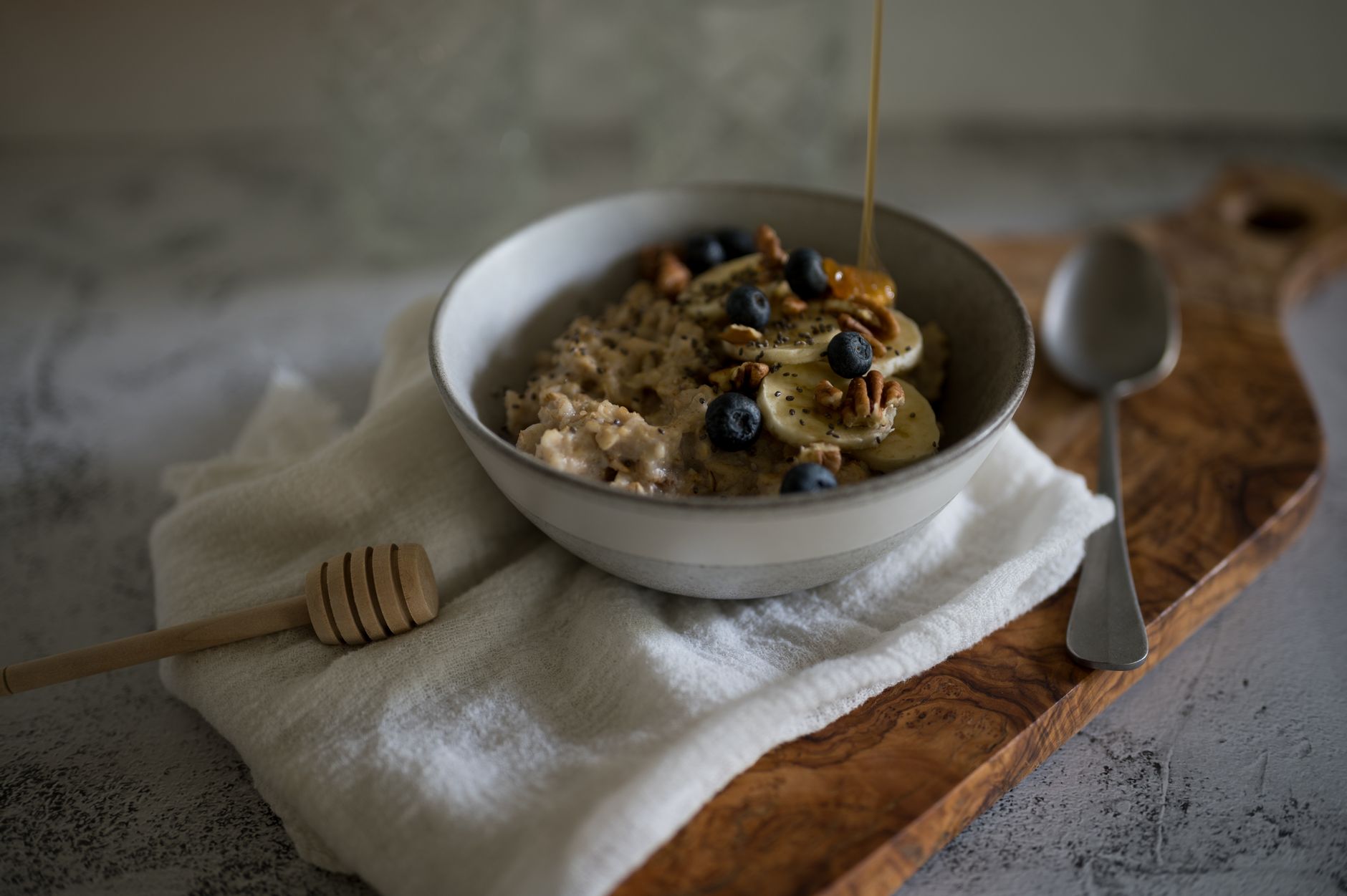
Enjoy honey in moderation—pair it with fruit for added nutrients.
Safe dosage / amount / brands
For most pregnant people, the sweet spot is 1–2 teaspoons (≈5–10 g) of honey per day. This amount stays well within the recommended added‑sugar limit and provides the soothing benefits honey is known for.
When selecting a honey brand, look for the following certifications:
USDA Organic – Guarantees no synthetic pesticides or GMOs.
Non‑GMO Project Verified – Confirms the floral source is non‑genetically modified.
UTZ or Fairtrade – Indicates ethical sourcing and quality control.
Popular reputable brands include:
Nature’s Bee (USDA Organic, raw)
Manuka Health MK MGO 400+ (pasteurized, high methylglyoxal)
Wedderspoon (raw, certified non‑GMO)
Bee Harmony (UTZ‑certified, unfiltered)
If you’re particularly concerned about botulism spores, choose a pasteurized option such as Local Honey Co. or any brand that explicitly states “heat‑treated” on the label.
Side effects and risks
High sugar intake – Excessive honey can contribute to gestational weight gain, increased triglycerides, and higher risk of gestational diabetes. Monitor your total added‑sugar intake and balance honey with nutrient‑dense foods.
Allergic reactions – Symptoms may include itching, swelling of the lips or throat, hives, or, in severe cases, difficulty breathing. If any of these occur, seek emergency care immediately.
Blood‑glucose spikes – For those with gestational diabetes, honey can raise blood glucose similarly to table sugar. Use a glucose monitor after consuming honey and adjust your diet accordingly.
Overall, the risks are modest when honey is used in moderation, but always consult your provider if you have pre‑existing conditions or notice any concerning symptoms.
Safer alternatives
Maple syrup – lower glycemic index and rich in minerals.
Agave nectar – mild sweetness with less fructose than honey.
Stevia – zero‑calorie, plant‑based sweetener safe for diabetics.
Dates – natural fruit sweetness plus fiber and potassium.
Glycerin lozenges – soothe sore throats without added sugars.
Warm salt water gargle – sugar‑free throat relief.
Lemon and ginger tea – combines citrus vitamin C with ginger’s anti‑inflammatory effects.
Erythritol – sugar alcohol that tastes sweet but has minimal impact on blood glucose.
Related items — safety at a glance
Item
Verdict
One‑line note
Maple syrup
⚠️ Safe with limits
Lower GI than honey but still high in sugar.
Agave nectar
⚠️ Safe with limits
Low fructose, but monitor total carbs.
Stevia
✅ Generally safe
Zero‑calorie, no impact on blood glucose.
Artificial sweeteners
⚠️ Talk to your doctor first
Safety varies; some (e.g., sucralose) are considered okay.
Peppermint tea
✅ Generally safe
Soothes nausea; avoid in large amounts if reflux is severe.
Chamomile tea
⚠️ Talk to your doctor first
Mild uterine stimulant; limited data for pregnancy.
Cinnamon
⚠️ Safe with limits
Spice is fine; high doses may affect blood sugar.
Ginger
✅ Generally safe
Helps with nausea; up to 1 g per day is acceptable.
Turmeric
⚠️ Talk to your doctor first
High doses may stimulate uterine activity.
Sushi
⚠️ Safe with limits
Choose cooked fish; avoid raw fish high in mercury.
Coconut sugar
⚠️ Safe with limits
Lower fructose than honey but still adds sugar.
Date syrup
⚠️ Safe with limits
Natural fruit sweetness; monitor portion size.
Myth vs. fact
Myth: “Honey can cause miscarriage because it’s a natural toxin.”
Fact: Honey does not contain toxins that affect fetal development. The only toxin‑related concern is infant botulism, which does not apply to pregnant adults.
Myth: “Raw honey is dangerous for pregnant women.”
Fact: Raw honey is safe for most pregnant people; the botulism risk applies only to infants under one year.
Myth: “Honey is a high‑calorie food you should avoid entirely during pregnancy.”
Fact: In moderation (1–2 tsp per day), honey fits within recommended added‑sugar limits and can provide antioxidants and soothing benefits.
Key takeaways
Honey is generally safe for pregnant people when limited to 1–2 teaspoons per day.
Prefer pasteurized honey if you’re uneasy about raw honey’s minimal botulism risk.
Watch total sugar intake, especially if you have gestational diabetes.
Honey can soothe coughs and sore throats, but alternatives like maple syrup or stevia are also safe.
Consult your provider if you have a honey allergy, severe diabetes, or notice any concerning symptoms.
Frequently asked questions
Is it safe to eat honey while pregnant?
Yes—honey is considered safe for most pregnant people when consumed in moderation (up to 2 tsp daily). The main caution is to keep total added sugar within recommended limits and choose pasteurized honey if you prefer extra peace of mind.
Can I have raw honey during pregnancy?
Raw honey is permissible for pregnant individuals; the botulism risk applies only to infants. If you have a bee‑product allergy or a weakened immune system, discuss raw honey with your obstetrician.
What are the benefits of honey for pregnant women?
Honey offers natural antioxidants, can soothe coughs and sore throats, and provides a quick source of energy. When used sparingly, it can be a comforting addition to tea or oatmeal without compromising nutritional goals.
Does honey help with morning sickness?
Honey may ease nausea when combined with ginger or lemon in a warm beverage. Its mild sweetness can make herbal teas more palatable, but it is not a standalone treatment for severe morning sickness.
Is honey safe for a cough during pregnancy?
Yes—studies show honey can reduce cough frequency and nighttime awakenings. A teaspoon mixed with warm water or tea is a simple, pregnancy‑friendly remedy.
Can pregnant women with gestational diabetes eat honey?
Women with gestational diabetes should treat honey as a carbohydrate source, limiting it to ≤½ tsp and counting it toward total carbs. Low‑glycemic alternatives like stevia are often a safer choice.
What are some safe sweeteners during pregnancy?
Stevia, erythritol, and modest amounts of maple syrup or agave nectar are considered safe sweeteners. All should still be used within the overall added‑sugar recommendations.
Can I use honey as a natural facial mask while pregnant?
Honey is a common ingredient in DIY skincare and is generally safe for external use during pregnancy. However, if you have a known allergy to bee products, avoid topical honey to prevent skin irritation or allergic reactions.
Is it okay to give honey to my newborn after birth?
Honey should not be given to infants younger than one year because of the risk of infant botulism. After the first birthday, a small amount (1 tsp) is considered safe, but you should still monitor total sugar intake.
Can I use honey in baked goods during pregnancy?
Yes—honey can be used in baked goods as a natural sweetener. Keep the total amount of honey in a recipe to 1–2 teaspoons per serving and balance it with whole‑grain flours and fruit to maintain a nutrient‑dense treat.
Is honey safe to add to smoothies or cold drinks?
Honey mixes well into both hot and cold beverages. When adding honey to smoothies, stick to the 1–2 tsp daily limit and consider pairing it with protein‑rich ingredients like Greek yogurt to moderate blood‑sugar spikes.
When to call your doctor
If you experience any of the following after consuming honey, contact your healthcare provider promptly:
Signs of an allergic reaction—hives, swelling, difficulty breathing.
Sudden spikes in blood glucose if you have gestational diabetes.
Persistent vomiting, severe abdominal pain, or unexplained weight loss.
Any unusual fetal movements or signs of pre‑eclampsia (severe headache, vision changes, swelling).
These guidelines are informational only and do not replace personalized medical advice. Always discuss your diet and any concerns with your obstetrician.
References
American College of Obstetricians and Gynecologists. Committee Opinion No. 804: Nutrition During Pregnancy. ACOG, 2020.
National Health Service (NHS). “Food safety and pregnancy.” NHS UK, 2022.
U.S. Food and Drug Administration (FDA). “Generally Recognized as Safe (GRAS) Notice: Honey.” FDA, 2021.
Centers for Disease Control and Prevention (CDC). “Infant Botulism.” CDC, 2023.
American Diabetes Association. “Gestational Diabetes Management.” ADA Standards of Care, 2023.
Journal of Alternative & Complementary Medicine. “Honey for cough relief: a systematic review.” 2018.
World Health Organization (WHO). “Guidelines on Food Safety and Natural Sweeteners.” WHO, 2022.
National Institutes of Health (NIH). “Honey and antioxidant activity.” NIH, 2021.
European Food Safety Authority (EFSA). “Evaluation of the safety of honey and its components.” EFSA Journal, 2020.
When Shubhra Mishra was expecting her first child in 2016, she was overwhelmed by conflicting food advice — one site said yes, another said never. By the time her second baby arrived in 2019, she realized millions of mothers face the same confusion.
That sparked a five-year journey through clinical nutrition papers, cultural diets, and expert conversations — all leading to BumpBites: a calm, compassionate space where science meets everyday motherhood.
Her long-term vision is to build a global community ensuring safe, supported, and free deliveriesfor every mother — because no woman should face pregnancy alone or uninformed. 🌿
🌍 Stand with mothers, shape safer guidance
Join a small circle of experts who review BumpBites articles so expecting parents everywhere can decide with confidence.