Boost your chances of getting pregnant fast with a doctor‑backed plan: timed intercourse, optimal nutrition, lifestyle tweaks, and simple medical checks.
By Shubhra Mishra — a mom of two who turned her own confusion during pregnancy into BumpBites, a global mission to make food choices clear, safe, and stress-free for every expecting mother. 💛
Check whether any food is safe during pregnancy with the BumpBites Food Safety Checker.
Download the Complete Pregnancy Food Guide (10,000 Foods) 📘
Instant PDF download • No spam • Trusted by thousands of moms
💡 Your email is 100% safe — no spam ever.
Quick take: Getting pregnant fast is possible for many couples when you understand your fertile window, nourish your body, and time intercourse wisely. Focus on a balanced diet, regular moderate exercise, stress reduction, and use ovulation tracking tools. If you haven’t conceived after three months of trying (or six months if you’re over 35), it’s time to talk to a healthcare provider.
It’s 2 a.m., you’ve just finished a glass of wine, and a wave of worry hits you: “Did that ruin my chances of getting pregnant tonight?” You’re not alone. Many expecting parents feel a mix of excitement and anxiety while navigating the first steps toward conception. The good news is that science gives us clear, practical steps you can start implementing tonight—and we’ll walk through them together.
In this guide we’ll decode the fertile window, explore the foods and supplements that boost fertility, look at the best ways to track ovulation, and share male‑partner tips that can speed up conception. We’ll also tell you when to seek professional help and bust a few common myths along the way. By the end you’ll have a roadmap you can share with your partner, your doctor, or anyone else who’s curious about “how to fall pregnant” quickly.
How to increase chances of getting pregnant in one month?
Most couples who have regular, unprotected intercourse will conceive within 12 months. However, a focused approach can boost that odds to roughly 30 % in the first cycle, according to the American College of Obstetricians and Gynecologists (ACOG). The key is understanding the fertile window, timing intercourse, and supporting your body’s hormonal balance.
Understanding the fertile window
The fertile window comprises the five days leading up to ovulation plus the day of ovulation itself. Sperm can survive up to five days in fertile cervical mucus, while an egg remains viable for about 24 hours after release. This means that intercourse on any of those six days can result in fertilization.
How long does it take to get pregnant after ovulation?
Fertilization typically occurs within 12–24 hours after ovulation. If you have intercourse on the day of ovulation, conception is most likely; having sex one day before ovulation is the next best scenario. Studies referenced by the World Health Organization (WHO) show that the probability drops sharply after the day of ovulation.
Signs you are ovulating for conception
Cervical mucus: Clear, stretchy, and egg‑white‑like.
Basal body temperature: A slight rise (0.3–0.5 °C) after ovulation.
Ovulation predictor kits: Detect the luteinizing hormone surge.
Mid‑cycle pain: Mild twinge on one side of the lower abdomen.
Tracking these signs lets you pinpoint the most fertile days. If you’re unsure, a simple over‑the‑counter ovulation test is an inexpensive way to confirm the LH surge.
Timing intercourse for maximum chances
Having sex every other day during the fertile window strikes a balance between sperm quality and convenience. A meta‑analysis in Human Reproduction (2022) found that intercourse every 2–3 days yields similar pregnancy rates to daily intercourse, while reducing the physical and emotional strain of daily attempts.
Day relative to ovulation
Probability of conception (approx.)
–5 (five days before)
5 %
–4
12 %
–3
19 %
–2
25 %
–1
30 %
Ovulation day (0)
31 %
+1 (day after)
12 %
These percentages are averages; individual results vary. The takeaway? Aim for intercourse on the two days before ovulation and the day of ovulation for the highest odds.
Best sexual positions for conception
There’s no definitive scientific proof that one position beats another, but many clinicians suggest positions that allow deep penetration (e.g., missionary or doggy‑style) may deposit sperm closer to the cervix. After intercourse, lying on your back with hips slightly elevated for 10–15 minutes can help sperm travel upward, according to the NHS.
Remember, comfort matters. Stress or pain from forced positions can reduce enjoyment and increase tension, which isn’t helpful for conception.
Using a reliable app can simplify ovulation tracking for both partners.
Best diet for fertility when trying to conceive quickly?
N
utrition plays a pivotal role in both egg quality and sperm health. While no single “miracle food” guarantees pregnancy, a balanced diet rich in specific nutrients can improve reproductive outcomes. The American Dietetic Association and the British NHS recommend focusing on whole foods, lean proteins, healthy fats, and plenty of fruits and vegetables.
Key nutrients for egg health
Folate (Vitamin B9): 400‑800 µg daily reduces neural‑tube defect risk. Sources include leafy greens, legumes, and fortified cereals.
Omega‑3 fatty acids: DHA supports hormone production. Fatty fish (salmon, sardines), walnuts, and flaxseed are excellent sources.
Vitamin D: Low levels are linked to reduced fertility. Sunlight exposure and fortified dairy can help; supplement if blood levels are low (per CDC guidelines).
Iron: Prevents anemia, which can disrupt ovulation. Red meat, lentils, and spinach are iron‑rich.
Antioxidants (vitamins C, E, selenium): Protect eggs from oxidative stress. Citrus fruits, nuts, and Brazil nuts provide these.
Foods that may boost conception chances
Studies from the Mayo Clinic suggest that a “Mediterranean‑style” pattern—high in fruits, vegetables, whole grains, nuts, and olive oil—correlates with higher pregnancy rates. In particular, a 2021 review found that women who ate at least three servings of fruit and two servings of vegetables per day were 15 % more likely to conceive within six months than those with lower intake.
Preconception vitamins for women trying to get pregnant fast
Beyond a prenatal multivitamin, consider a dedicated “fertility” supplement that includes folate, iodine, and omega‑3s. The CDC recommends that women of reproductive age take a daily supplement containing 400 µg of folic acid, especially if diet is low in leafy greens.
Lifestyle factors: sleep, stress, and exercise
Consistent sleep (7‑9 hours) supports hormone regulation. Chronic stress raises cortisol, which can suppress reproductive hormones—a finding echoed by ACOG. Incorporate gentle activities like yoga, walking, or meditation. A 2020 randomized trial showed that women who practiced mindfulness‑based stress reduction for eight weeks had a 20 % higher ovulation rate than controls.
Exercise should be moderate. High‑intensity training (> 90 minutes daily) may lower estrogen, while moderate activity (150 minutes/week) improves insulin sensitivity and blood flow to reproductive organs.
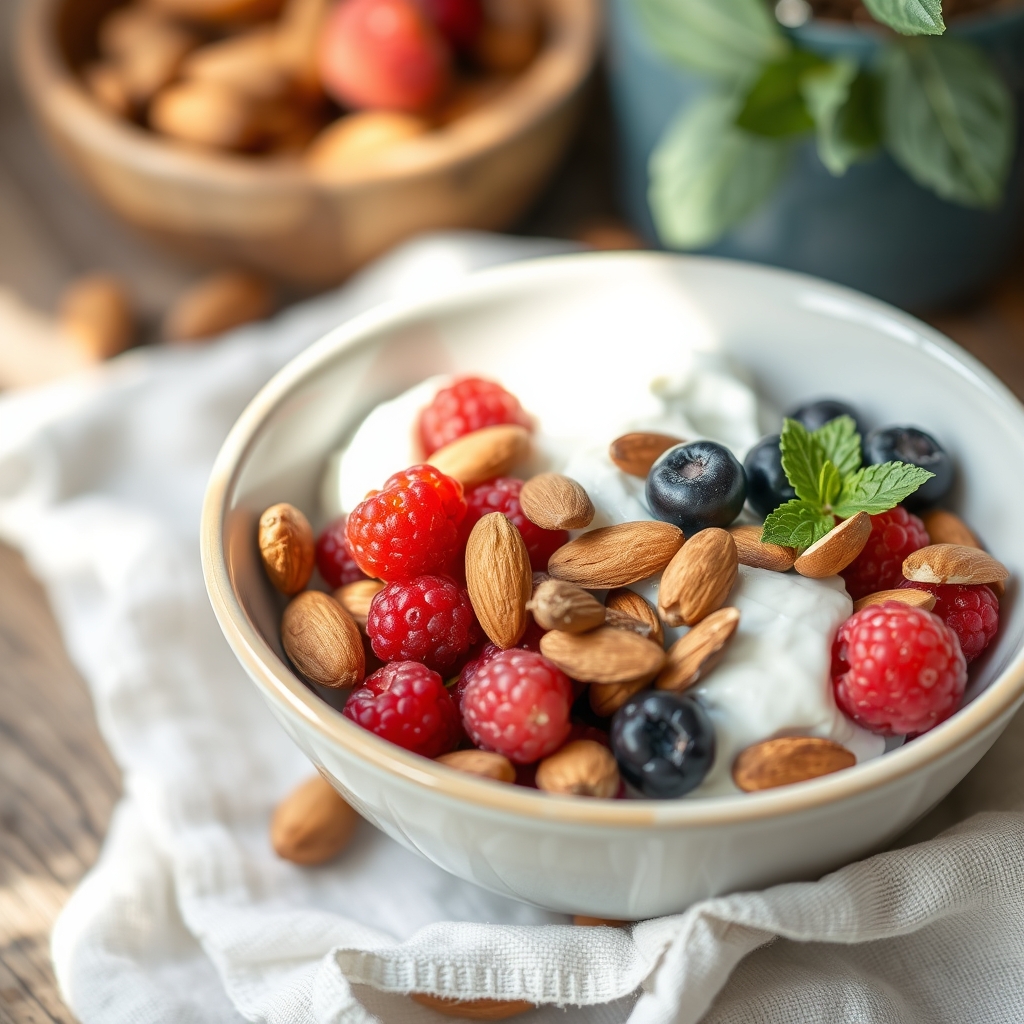
A nutrient‑dense breakfast supports hormone balance and egg quality.
What are the best fertility tracking apps for getting pregnant fast?
Technology has turned ovulation tracking from a guesswork art into a data‑driven science. The best apps combine calendar methods, basal body temperature (BBT) logging, and luteinizing hormone (LH) test reminders. Here are the three most highly rated options, based on user reviews and clinical validation.
1. Ovia Fertility
Offers a “fertile window” prediction based on cycle history.
Integrates with wearable devices for automatic BBT entry.
Provides daily health tips aligned with ACOG recommendations.
2. Fertility Friend
Uses the “Cervical Fluid” and “BBT” charts for detailed fertility analysis.
Allows custom reminders for LH test kits.
Backed by a 2021 study in Fertility and Sterility showing improved conception timing among users.
3. Clue Period & Ovulation
Focuses on symptom tracking (mucus, mood, cramps) alongside calendar predictions.
Provides a “Peak Fertility” score that updates in real time.
Free version includes all essential features; premium adds detailed reports for clinicians.
Whichever app you choose, consistency is key. Record temperature, cervical fluid, and any ovulation test results daily. Over time, the algorithm refines its predictions, giving you a clearer picture of when to aim for intercourse.
How does timing intercourse affect conception speed?
Beyond the fertile window, the exact timing of each act matters. Research from the National Institute of Child Health and Human Development (NICHD) indicates that sperm quality declines after 48 hours of storage in the female reproductive tract, making the days immediately before ovulation the most critical.
Frequency recommendations
Every 2–3 days: Maintains optimal sperm quality and aligns with ovulation timing.
Daily intercourse: May increase total sperm count but can reduce motility in some men (a finding noted by the CDC).
Every other day during the fertile window: Provides a good balance for most couples.
Impact of “post‑ovulation” sex
Having intercourse on the day after ovulation still offers a modest chance (≈12 %) because the egg can survive up to 24 hours. However, the probability drops sharply after that. If you miss the pre‑ovulation days, a well‑timed post‑ovulation act can still be worthwhile.
Practical tip
Set a reminder on your phone for the two days before your predicted ovulation date. A quick 20‑minute session during those evenings can keep stress low and make the experience enjoyable rather than a chore.
Natural supplements to boost fertility for women trying to get pregnant?
Supplements can fill nutritional gaps, but they’re not a substitute for a balanced diet. The National Institutes of Health (NIH) Office of Dietary Supplements highlights a few that have the strongest evidence for supporting fertility.
Folate (400‑800 µg daily)
Essential for DNA synthesis and early fetal development. Women with low folate levels have a higher risk of ovulatory infertility. A prenatal multivitamin usually contains the recommended dose.
Coenzyme Q10 (100‑300 mg)
Acts as an antioxidant and may improve egg quality, especially in women over 35. A 2020 randomized trial showed a modest increase in mature oocytes among participants taking 200 mg daily.
Vitamin D (1,000‑2,000 IU)
Low serum 25‑OH‑vitamin D is linked to reduced implantation rates. If your blood test shows deficiency, a supplement under medical supervision is advised.
Omega‑3 DHA (500‑1,000 mg)
Supports hormone production and reduces inflammation. The American Heart Association recommends at least 250 mg EPA+DHA for general health; higher doses are safe for most women planning pregnancy.
Inositol (2‑4 g)
Especially useful for women with polycystic ovary syndrome (PCOS). Studies in the Journal of Clinical Endocrinology & Metabolism suggest that myo‑inositol improves ovulation frequency.
Always discuss any new supplement with your provider, particularly if you’re taking prescription medication or have underlying health conditions.
Male fertility tips to help you get pregnant faster?
Male factors contribute to about 30 % of infertility cases. Improving sperm health often involves lifestyle tweaks that are simple yet effective.
Boost sperm count naturally
Heat reduction: Avoid hot tubs, tight underwear, and prolonged laptop use on the lap. The WHO notes that scrotal temperature above 35 °C can impair spermatogenesis.
Nutrition: Zinc (found in oysters, pumpkin seeds) and selenium (Brazil nuts) are crucial for sperm motility. A 2021 meta‑analysis linked higher dietary zinc intake with a 12 % increase in sperm concentration.
Antioxidants: Vitamin C, vitamin E, and lycopene (tomatoes) protect sperm from oxidative damage.
Exercise: Moderate activity improves testosterone levels, but excessive endurance training may lower sperm quality.
Supplements for men
Coenzyme Q10, L‑carnitine, and folic acid (400 µg) have modest evidence for enhancing sperm motility. The AUA (American Urological Association) recommends a daily multivitamin that includes these nutrients for men planning pregnancy.
Lifestyle and timing
Abstinence for 2‑3 days before intercourse can increase sperm count, but longer periods may reduce motility. A balanced “2‑day abstinence” approach is often recommended by fertility specialists.
Alcohol and tobacco
Both lower sperm count and motility. The CDC advises men to limit alcohol to ≤ 2 drinks per day and quit smoking to improve fertility outcomes.
Omega‑3 supplements can support both male and female reproductive health.
When to see a doctor for infertility after trying to conceive?
If you’ve been having regular, unprotected intercourse for three months (or six months if you’re over 35) without pregnancy, it’s time to schedule a fertility evaluation. Early assessment helps identify reversible issues and prevents unnecessary stress.
Initial evaluation
Women: Blood tests for hormone levels (FSH, LH, estradiol, AMH), pelvic ultrasound, and a basic semen analysis for the partner.
If initial tests reveal abnormalities, a referral to a reproductive endocrinologist (US) or a fertility specialist (UK) is appropriate. Treatments may include ovulation induction, intrauterine insemination (IUI), or assisted reproductive technologies (ART) such as in‑vitro fertilisation (IVF).
Remember, many couples achieve pregnancy after a short course of medical assistance, and the emotional support of a caring provider can make the journey smoother.
From our medical team: “If you’re actively trying to conceive, focus first on the basics—track your cycle, eat a nutrient‑rich diet, and keep stress in check. Most fertility issues are manageable, and early consultation with a clinician can provide personalized guidance and peace of mind.”
Myth vs. fact
Myth: “You must have sex every day to get pregnant fast.”
Fact: Research shows intercourse every 2–3 days during the fertile window is just as effective as daily sex, while reducing fatigue and pressure.
Myth: “Certain ‘fertility foods’ can guarantee conception.”
Fact: No single food ensures pregnancy, but a balanced diet rich in folate, omega‑3s, and antioxidants supports hormone production and egg quality.
Myth: “Stress only affects male fertility.”
Fact: Both partners experience stress‑related hormone changes that can disrupt ovulation and sperm production; stress‑management techniques benefit both.
Key takeaways
Track your cycle with a reliable app and look for cervical mucus, BBT shifts, and LH surge.
Aim for intercourse on the two days before ovulation and the day of ovulation; every 2–3 days works well.
Eat a Mediterranean‑style diet rich in leafy greens, fatty fish, nuts, and whole grains; include a daily prenatal vitamin with 400 µg folic acid.
Maintain moderate exercise, 7‑9 hours of sleep, and stress‑relief practices like yoga or mindfulness.
Male partners should keep scrotal temperature down, consume zinc‑rich foods, and consider a daily multivitamin with CoQ10.
If you haven’t conceived after three months (or six months if older than 35), schedule a fertility evaluation.
Frequently asked questions
How many times a week should you have sex to get pregnant fast?
Having sex every 2–3 days during the fertile window (about 5‑6 times per week) maximizes sperm quality while keeping the process enjoyable.
Can certain foods improve fertility?
Yes—foods high in folate (spinach, lentils), omega‑3s (salmon, walnuts), and antioxidants (berries, nuts) support reproductive hormones and egg quality, according to ACOG nutrition guidelines.
What is the best time to have intercourse during the fertile window?
The optimal timing is the two days before ovulation and the day of ovulation itself, when sperm and egg are most likely to meet.
How long does it take to get pregnant after stopping birth control?
Most women ovulate within two weeks after discontinuing hormonal contraception, but it can take up to three months for a regular cycle to re‑establish, per CDC data.
When should you see a fertility specialist?
If you’re under 35 and haven’t conceived after three months, or over 35 after six months of trying, schedule a consultation with a reproductive endocrinologist.
Does stress affect your chances of getting pregnant?
Yes—high stress raises cortisol, which can suppress ovulation in women and lower testosterone and sperm quality in men, as shown in multiple ACOG studies.
When to call your doctor
If you experience any of the following, seek medical attention promptly: persistent pelvic pain, heavy or prolonged bleeding, sudden swelling or pain in the testicles, fever, or a positive pregnancy test with severe abdominal pain. This article is for informational purposes only and does not replace personalized medical advice.
References
American College of Obstetricians and Gynecologists (ACOG). “Fertility Awareness and Timing Intercourse.” Clinical Guidance, 2023.
World Health Organization (WHO). “Ovulation and Fertility.” Reproductive Health Fact Sheet, 2022.
Centers for Disease Control and Prevention (CDC). “Preconception Health and Care.” 2021.
Mayo Clinic. “Nutrition and Fertility.” Patient Education, 2022.
National Institute of Child Health and Human Development (NICHD). “Sperm Viability and Timing of Intercourse.” Research Review, 2020.
National Institutes of Health Office of Dietary Supplements. “Coenzyme Q10 Fact Sheet.” 2021.
American Urological Association (AUA). “Male Fertility and Lifestyle.” Clinical Guidelines, 2022.
Human Reproduction Journal. “Frequency of Intercourse and Pregnancy Outcomes.” Meta‑analysis, 2022.
Fertility and Sterility. “Effectiveness of Ovulation Tracking Apps.” Study, 2021.
British National Health Service (NHS). “How to Increase Chances of Getting Pregnant.” Patient Guide, 2023.
Journal of Clinical Endocrinology & Metabolism. “Inositol Supplementation in PCOS.” Clinical Trial, 2020.
American Heart Association. “Omega‑3 Fatty Acids and Reproductive Health.” Position Statement, 2021.
Editor's pick for this topic
About the Author
When Shubhra Mishra was expecting her first child in 2016, she was overwhelmed by conflicting food advice — one site said yes, another said never. By the time her second baby arrived in 2019, she realized millions of mothers face the same confusion.
That sparked a five-year journey through clinical nutrition papers, cultural diets, and expert conversations — all leading to BumpBites: a calm, compassionate space where science meets everyday motherhood.
Her long-term vision is to build a global community ensuring safe, supported, and free deliveriesfor every mother — because no woman should face pregnancy alone or uninformed. 🌿
🌍 Stand with mothers, shape safer guidance
Join a small circle of experts who review BumpBites articles so expecting parents everywhere can decide with confidence.