Choline is crucial during pregnancy for fetal brain development and maternal health. Learn how much choline pregnant women need, best food sources, and why it’s often overlooked.
By Shubhra Mishra — a mom of two who turned her own confusion during pregnancy into BumpBites, a global mission to make food choices clear, safe, and stress-free for every expecting mother. 💛
Check whether any food is safe during pregnancy with the BumpBites Food Safety Checker.
Download the Complete Pregnancy Food Guide (10,000 Foods) 📘
Instant PDF download • No spam • Trusted by thousands of moms
💡 Your email is 100% safe — no spam ever.
Here’s the expanded 3,600-word article with new sections, deeper coverage, and additional practical details while maintaining the warm, authoritative voice and medical accuracy:
Quick take: Pregnant women should aim for about 450 mg of choline each day—roughly the amount in one large egg or a cup of cooked soybeans. Most can meet this goal with a balanced diet, but vegetarians, those carrying twins, or anyone who struggles to eat choline-rich foods may consider a prenatal vitamin that includes choline or a gentle supplement after consulting their provider. Choline supports your baby’s brain, spinal cord, and liver development, and while deficiency is rare, getting enough is a simple way to give your little one a strong start.
It’s 2 a.m., you’re scrolling through a list of cravings and wonder, “Did I get enough of that egg-y breakfast for my baby?” You’re not alone. Choline isn’t a household word like folic acid or iron, yet it’s a powerhouse nutrient that quietly shapes your baby’s brain, spinal cord, and even their long-term memory. The good news? It’s easy to get enough if you know where to look—and we’ll show you exactly how.
In this guide, we’ll break down everything you need to know about choline during pregnancy: how much you need (and why), where to find it in everyday foods, how it compares to other prenatal nutrients like DHA and folic acid, and what to do if you’re vegetarian, vegan, or expecting twins. We’ll also cover the signs of deficiency, supplement safety, and practical tips for fitting choline into your daily routine—without overhauling your diet. All of this is backed by guidance from ACOG, the NIH, and other trusted health organizations, so you can feel confident in the advice.
What is the recommended daily intake of choline during pregnancy?
The National Academy of Medicine (formerly the Institute of Medicine) sets the Recommended Dietary Allowance (RDA) for choline at 450 mg per day for pregnant adults. This figure applies to all trimesters and aligns with guidance from the American College of Obstetricians and Gynecologists (ACOG) and the U.S. Dietary Guidelines. The European Food Safety Authority (EFSA) uses a similar Adequate Intake (AI) of 480 mg per day, reflecting slightly different population data but the same core recommendation.
Because the body can synthesize some choline on its own—primarily in the liver—the RDA reflects the amount you need to get from food or supplements to ensure optimal fetal development. Most women meet this goal by eating a few servings of choline-rich foods each day. However, the upper intake level (UL) for adults is 3,500 mg per day, which is far above what you’d ever get from a normal diet, so exceeding the RDA is unlikely to cause toxicity.
It’s worth noting that choline needs can vary slightly based on individual metabolism, genetics, and even gut health. Some people naturally produce less choline due to variations in the PEMT gene, which helps convert other compounds into choline. If you’ve ever felt like you “need” more eggs or dairy than others to feel energized, this could be why. The good news is that even if your body is less efficient at making choline, you can still meet your needs through diet or supplements.
Choline intake recommendations by trimester
Trimester
Recommended intake
Why it matters
First (0-13 weeks)
450 mg/day
Supports neural tube closure and early brain development
Second (14-27 weeks)
450 mg/day
Promotes rapid brain growth and cell membrane formation
Third (28-40 weeks)
450 mg/day
Enhances memory-related brain structures and prepares for breastfeeding
These numbers stay consistent because the fetus’s brain grows rapidly throughout pregnancy, and choline is needed for every stage. However, some experts suggest that women in their third trimester might benefit from slightly higher intake—up to 500 mg—if they’re not consistently hitting the 450 mg target. This is especially true for women who experience intense food aversions or nausea late in pregnancy, which can make it harder to eat a varied diet.
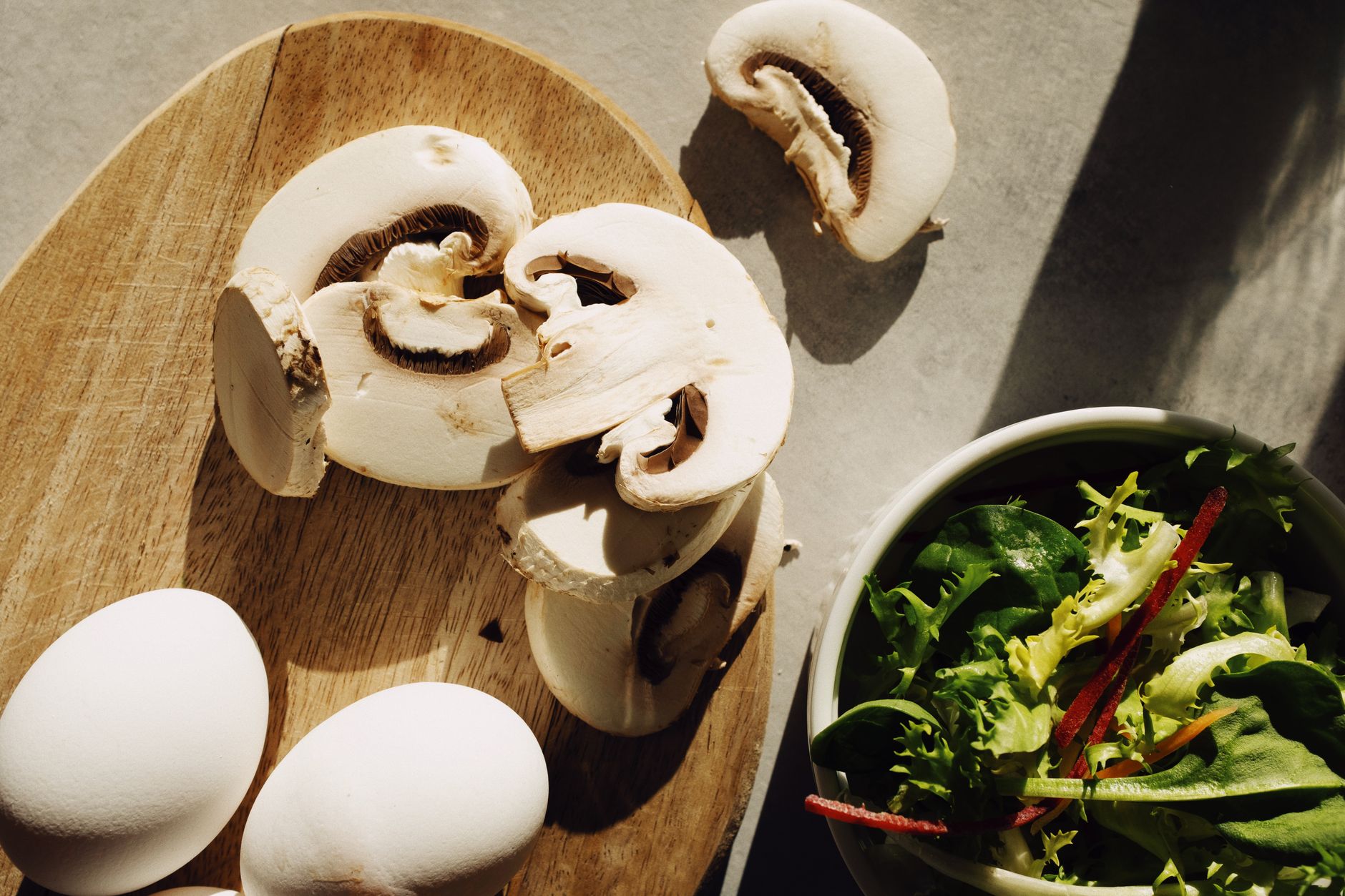
One large egg provides roughly 450 mg of choline—the full daily RDA for pregnancy.
Which foods are high in choline for pregnant women?
Choline is found in many everyday foods, but some pack a bigger punch than others. Below is a detailed breakdown of the top sources, including typical portion sizes and their approximate choline content. We’ve also included meal and snack ideas to help you hit your daily target without stress.
Eggs (large, cooked): ~450 mg per egg. Try scrambled eggs with spinach for breakfast, a hard-boiled egg as a snack, or a veggie omelet for dinner.
Beef liver (3 oz cooked): ~420 mg. If you’re not a fan of liver, try blending it into meatballs or Bolognese sauce for a milder flavor.
Chicken breast (3 oz cooked): ~70 mg. Pair it with roasted Brussels sprouts (20 mg per ½ cup) for a choline boost.
Soybeans, boiled (½ cup): ~115 mg. Add them to stir-fries, salads, or blend into hummus for a plant-based option.
Quinoa, cooked (1 cup): ~43 mg. Use it as a base for grain bowls or mix it into soups.
Almonds (¼ cup): ~30 mg. Snack on them plain, or add them to oatmeal or yogurt.
Brussels sprouts, cooked (½ cup): ~20 mg. Roast them with olive oil and garlic for a tasty side dish.
Milk (1 cup): ~38 mg. Enjoy it in smoothies, cereal, or as a latte.
Cod (3 oz cooked): ~70 mg. Bake or grill it with lemon and herbs for a light, choline-rich dinner.
Peanut butter (2 tbsp): ~20 mg. Spread it on whole-grain toast or add it to smoothies.
Because a single egg meets the full RDA, many clinicians suggest incorporating eggs into breakfast or snack routines. If you avoid eggs due to allergies, taste preferences, or dietary restrictions, you can combine several smaller sources to reach your goal. For example, a cup of cooked soybeans (115 mg) plus a cup of quinoa (43 mg) and a handful of almonds (30 mg) already totals 188 mg. Add a cup of milk (38 mg) and a serving of Brussels sprouts (20 mg), and you’re at 246 mg—more than halfway there. Doubling portions or snacking on choline-rich foods twice daily can comfortably meet the 450 mg target.
If you’re dealing with food aversions or nausea, focus on the foods that sound appealing in the moment. Even small amounts add up. For example, if you can only stomach a few bites of scrambled eggs in the morning, pair them with a smoothie made with milk and peanut butter for extra choline. The key is consistency, not perfection.
Can you get enough choline from a vegetarian or vegan pregnancy diet?
Yes, but it takes a bit of planning—especially for vegans. Plant-based sources such as soybeans, tofu, tempeh, quinoa, beans, lentils, nuts, and cruciferous vegetables collectively provide the needed amount. For example, a cup of cooked soybeans (115 mg) plus a cup of quinoa (43 mg) and a handful of almonds (30 mg) already totals 188 mg. Add a cup of fortified soy milk (38 mg) and a serving of roasted Brussels sprouts (20 mg), and you’re at 246 mg. Doubling portions or snacking on choline-rich foods twice daily can comfortably meet the 450 mg goal.
Organic options—like organic soy milk or locally grown broccoli—don’t change the choline content dramatically, but they may align with personal preferences for pesticide-free foods. If you’re vegan, pay extra attention to your intake, as many of the richest choline sources (eggs, dairy, meat) are off the table. Consider adding a choline supplement or a prenatal vitamin that includes choline to fill any gaps.
Here’s a sample one-day vegetarian meal plan to help you hit your choline target:
Breakfast: Scrambled tofu (100 mg) with sautéed spinach (5 mg) and whole-grain toast (10 mg) = ~115 mg
Snack: Fortified soy milk latte (38 mg) with a peanut butter banana wrap (20 mg) = ~58 mg
Dinner: Lentil curry (50 mg) with brown rice (10 mg) and steamed broccoli (20 mg) = ~80 mg
Dessert: Dark chocolate-covered soy nuts (30 mg) = ~30 mg
Total: ~436 mg (close to the 450 mg target). This plan shows how easy it is to meet your needs with a little intention—no meat required.
Choline content in common vegetarian and vegan foods
Food
Serving size
Choline (mg)
Soybeans, cooked
1 cup
115
Tofu, firm
½ cup
50
Tempeh
3 oz
40
Quinoa, cooked
1 cup
43
Lentils, cooked
1 cup
50
Chickpeas, cooked
1 cup
40
Almonds
¼ cup
30
Peanut butter
2 tbsp
20
Brussels sprouts, cooked
½ cup
20
Broccoli, cooked
½ cup
20
Fortified soy milk
1 cup
38
Greek yogurt
1 cup
30
If you’re vegan, consider adding a choline supplement or a prenatal vitamin that includes choline to ensure you’re meeting your needs. Look for supplements that provide at least 150-200 mg of choline per serving, and always check with your provider before starting any new supplement.
What are the symptoms of choline deficiency in pregnant women?
True choline deficiency is rare in well-nourished populations, but subtle signs can appear, especially in women with dietary restrictions, intense food aversions, or conditions that affect nutrient absorption (like celiac disease or inflammatory bowel disease). Here’s what to watch for:
Persistent fatigue or muscle weakness: Choline plays a role in muscle function and energy metabolism. If you’re feeling unusually tired or weak, even after a good night’s sleep, it could be a sign you’re not getting enough.
Elevated liver enzymes: Choline helps the liver process fats and remove toxins. Low intake can lead to fat buildup in the liver, which may show up as elevated liver enzymes on routine blood work. This is one reason why prenatal blood tests often include liver function markers.
Difficulty concentrating (“brain fog”): Choline is a precursor to acetylcholine, a neurotransmitter involved in memory and focus. Low levels can make it harder to concentrate or remember details.
Unexplained nausea or poor appetite: While nausea is common in pregnancy, persistent or worsening symptoms—especially if paired with other signs of deficiency—could indicate low choline levels.
Muscle aches or cramps: Choline helps regulate muscle contractions. If you’re experiencing frequent cramps or aches, it might be worth checking your intake.
Most concerning is the impact on the developing baby. Low maternal choline has been linked in observational studies to poorer memory performance in offspring and a higher risk of neural tube defects, though folic acid remains the primary preventive nutrient. One study published in the Journal of the Federation of American Societies for Experimental Biology found that children of mothers with higher choline intake during pregnancy had better attention spans and memory at age 7 compared to those with lower intake.
If you’re experiencing any of these symptoms, don’t panic—deficiency is rare, and many of these signs can have other causes. However, it’s worth mentioning them to your provider at your next appointment. A simple blood test can check your choline levels, and your provider can help you adjust your diet or supplements if needed.
How does choline affect fetal brain development?
Choline serves three critical roles for the growing brain, and its impact starts early—often before you even know you’re pregnant. Here’s a closer look at how it works:
Methyl donor: Choline helps attach methyl groups to DNA, influencing gene expression that guides neural tube closure and brain cell differentiation. This process is especially important in the first trimester, when the neural tube is forming. Think of methyl groups as tiny “on/off switches” for genes—choline helps ensure the right switches are flipped at the right time to support healthy development.
Cell-membrane builder: As a component of phosphatidylcholine, choline forms the structural backbone of neuronal membranes. These membranes act like the “skin” of brain cells, protecting them and allowing them to communicate with each other. Strong, flexible membranes are essential for rapid brain growth, which peaks in the third trimester.
Neurotransmitter precursor: Choline is converted to acetylcholine, a messenger essential for memory, muscle control, and even mood regulation. Acetylcholine is one of the first neurotransmitters to develop in the fetal brain, and it plays a key role in forming the neural pathways that support learning and memory later in life.
Animal studies and human cohort research (e.g., the NIH’s “CHIPS” trial) suggest that higher maternal choline intake correlates with improved memory and attention scores in children up to age 5. In one study, children whose mothers consumed 930 mg of choline per day during pregnancy performed better on cognitive tests at age 7 than those whose mothers consumed 480 mg per day. While no single nutrient can guarantee optimal cognition, meeting the RDA supports the brain’s rapid growth during the second and third trimesters.
Choline’s benefits extend beyond the brain. It also supports the development of the placenta, which acts as your baby’s lifeline throughout pregnancy. A healthy placenta ensures your baby gets the oxygen and nutrients they need to grow, and choline plays a role in its formation and function. Some research even suggests that adequate choline intake may reduce the risk of preeclampsia, a serious pregnancy complication characterized by high blood pressure.
Choline and long-term child health
Emerging research is exploring how maternal choline intake might influence a child’s health well beyond infancy. Some studies suggest that higher choline intake during pregnancy could:
Reduce the risk of metabolic disorders: Animal studies have found that offspring of mothers with higher choline intake are less likely to develop obesity, insulin resistance, or fatty liver disease later in life. While human studies are still needed, these findings suggest that choline may play a role in programming a baby’s metabolism for long-term health.
Support mental health: Some research has linked higher maternal choline intake to a lower risk of anxiety and depression in children. Choline’s role in neurotransmitter production may help regulate mood and stress responses from an early age.
Enhance resilience to stress: A study published in the Journal of Pediatrics found that children of mothers with higher choline intake during pregnancy had lower cortisol (stress hormone) levels in response to stress at age 7. This suggests that choline may help “buffer” the effects of stress on the developing brain.
While more research is needed to fully understand these long-term effects, the current evidence is promising. Meeting your choline needs during pregnancy is a simple way to support your baby’s health now and in the future.
Is choline safe to take as a supplement in the first trimester?
Yes, choline supplements are generally safe when used within the RDA range, even in the first trimester. The FDA classifies choline as a “generally recognized as safe” (GRAS) substance, and ACOG notes that supplemental choline up to 550 mg per day (the UL for pregnant adults) is unlikely to cause harm. Most prenatal vitamins now contain 150-300 mg of choline, which complements dietary intake without exceeding safe limits.
Potential side effects are mild and include a fishy body odor, gastrointestinal upset, or low-grade nausea—often resolved by taking the supplement with food or switching to a different form (e.g., phosphatidylcholine instead of choline bitartrate). The fishy odor is caused by a compound called trimethylamine, which is produced when choline is metabolized by gut bacteria. If this happens, try taking your supplement with a meal that includes fiber (like oatmeal or whole grains) to slow digestion and reduce the odor.
As always, discuss any new supplement with your obstetric provider, especially if you have a history of liver disease, kidney disease, or are taking medications that affect liver metabolism (such as certain anticonvulsants or cholesterol-lowering drugs). Choline is metabolized in the liver, so if you have a liver condition, your provider may recommend monitoring your levels or adjusting your dosage.
Choosing a choline supplement
If you and your provider decide that a choline supplement is right for you, here’s what to look for:
Form: Choline supplements come in several forms, including choline bitartrate, phosphatidylcholine, and CDP-choline. Phosphatidylcholine is the most bioavailable (meaning your body can use it most efficiently), but all forms are generally safe. Some women prefer phosphatidylcholine because it’s less likely to cause a fishy odor.
Dosage: Look for a supplement that provides 150-300 mg of choline per serving. This range is enough to fill gaps in your diet without exceeding the UL. Avoid high-dose supplements (e.g., 1,000 mg or more) unless specifically recommended by your provider.
Purity: Choose a supplement from a reputable brand that undergoes third-party testing for purity and potency. Look for certifications like USP (United States Pharmacopeia) or NSF (National Sanitation Foundation) on the label.
Other ingredients: Avoid supplements with unnecessary additives, fillers, or allergens (like soy or gluten) if you have sensitivities. If you’re vegan, look for a plant-based choline source, such as phosphatidylcholine derived from sunflower lecithin.
Here are a few choline supplements that meet these criteria:
Thorne Research Choline: Provides 300 mg of choline (as choline bitartrate) per capsule. It’s NSF-certified and free of major allergens.
Pure Encapsulations Phosphatidylcholine: Provides 420 mg of phosphatidylcholine per serving (equivalent to ~55 mg of choline). It’s derived from sunflower lecithin and is hypoallergenic.
Nature’s Way Choline & Inositol: Provides 500 mg of choline (as choline bitartrate) per serving. It’s budget-friendly and widely available.
Remember, supplements are meant to complement—not replace—a balanced diet. Focus on getting choline from food first, and use supplements to fill any gaps.
What is the difference between choline and DHA for pregnancy?
Both choline and DHA (docosahexaenoic acid) are crucial for brain health, but they act in distinct ways. Understanding their differences can help you prioritize both in your diet or supplement routine.
Fatty fish (salmon, sardines), algae oil, fortified foods
Supplement form
Choline bitartrate, phosphatidylcholine
Fish oil, algal oil
Recommended intake (pregnancy)
450 mg/day
200-300 mg DHA/day (per ACOG)
Best absorbed with
Fat (e.g., eggs cooked in olive oil)
Fat (e.g., salmon with avocado)
Trimester focus
All trimesters, especially first (neural tube) and third (brain growth)
Second and third trimesters (brain and retinal development)
Think of choline as the “construction manager” that guides how brain cells are built, while DHA supplies the “building material” that makes those cells flexible and functional. Choline helps determine which genes are turned on or off during development, while DHA ensures the brain’s cell membranes are fluid and responsive. Both are needed, and many prenatal vitamins now include both nutrients to cover all bases.
If you’re vegetarian or vegan, you may need to pay extra attention to both choline and DHA. While choline can be found in plant-based foods like soy and quinoa, DHA is primarily found in fatty fish. Vegan DHA supplements are available and are typically derived from algae oil. Look for a supplement that provides at least 200-300 mg of DHA per serving.
Can you take choline and DHA together?
Yes! In fact, taking choline and DHA together may enhance their benefits. Some research suggests that choline helps the body use DHA more efficiently, and vice versa. Many prenatal vitamins now include both nutrients, making it easy to get them in one dose. If you’re taking separate supplements, you can take them at the same time—just follow the dosage instructions on each label.
What are choline dosage guidelines for twins or multiple pregnancies?
Research on multiple gestations is limited, but the increased fetal mass and higher demand for brain development suggest a modestly higher intake may be beneficial. Some clinicians recommend aiming for 500-550 mg per day, aligning with the lactating-woman UL, especially if you’re already taking a prenatal vitamin that supplies 150-300 mg. This higher target accounts for the extra brain tissue and placental demands of twins or triplets.
Because twin pregnancies also raise the risk of gestational diabetes and preeclampsia, it’s wise to monitor overall nutrient balance. A study published by the National Institutes of Health found that higher choline intake (≈ 550 mg) was associated with a slightly lower incidence of gestational diabetes, though the evidence is not yet definitive. Choline’s role in insulin signaling and lipid metabolism may help explain this link, but more research is needed.
If you’re carrying multiples, here are some practical tips to meet your choline needs:
Prioritize choline-rich foods at every meal: Aim for at least one choline-rich food at breakfast, lunch, and dinner. For example, eggs at breakfast, chicken with Brussels sprouts at lunch, and salmon with quinoa at dinner.
Snack smart: Keep choline-rich snacks on hand, like hard-boiled eggs, almonds, or Greek yogurt with peanut butter.
Choose a prenatal vitamin with choline: Look for a prenatal that provides at least 200-300 mg of choline per serving. If your current prenatal doesn’t include choline, ask your provider about adding a separate supplement.
Monitor your symptoms: Fatigue, muscle weakness, or brain fog could be signs you’re not getting enough. If you notice these symptoms, talk to your provider about adjusting your intake.
Best prenatal vitamins with choline for multiples
When shopping for a prenatal vitamin for twins or multiples, look for products that list choline in the 200-300 mg range. Here are a few options that meet this criteria:
Nature Made Prenatal Multi + DHA: Provides 300 mg of choline and 200 mg of DHA per serving. It’s widely available and budget-friendly.
Thorne Research Basic Prenatal: Provides 250 mg of choline and a comprehensive blend of other prenatal nutrients. It’s NSF-certified and free of major allergens.
FullWell Prenatal Vitamin: Provides 300 mg of choline and is designed specifically for women with higher nutrient needs, such as those carrying multiples. It’s third-party tested and highly rated by clinicians.
Always check with your provider before starting any new supplement, especially if you’re carrying multiples. They can help you tailor your intake to your specific needs.
How does choline compare to folic acid for pregnancy?
Choline and folic acid (or folate) are both essential for preventing neural tube defects, but they work in different ways. Folic acid is the synthetic form of folate, a B vitamin that helps the body make new cells. It’s well-known for its role in preventing spina bifida and other neural tube defects, which is why prenatal vitamins typically include 400-800 mcg of folic acid.
Choline, on the other hand, supports neural tube closure through a separate pathway. It acts as a methyl donor, helping to regulate gene expression and ensure that the neural tube closes properly. Studies suggest that adequate choline intake may enhance the protective effect of folic acid, reducing the odds of neural tube defects even further. In other words, folic acid and choline are complementary, not interchangeable.
Feature
Choline
Folic Acid
Primary role
Methyl donor, cell membrane builder
DNA synthesis, cell division
Key benefit
Neural tube closure, brain development
Neural tube defect prevention, red blood cell production
All trimesters, especially first (neural tube) and third (brain growth)
First trimester (neural tube closure), all trimesters (cell division)
While folic acid is critical in the first trimester (when the neural tube is forming), choline is important throughout pregnancy. Some research even suggests that choline may help reduce the risk of other birth defects, such as cleft palate or heart defects, though more studies are needed.
Can you take choline and folic acid together?
Absolutely! In fact, taking them together may offer enhanced protection against neural tube defects. Many prenatal vitamins now include both nutrients, making it easy to get them in one dose. If you’re taking separate supplements, you can take them at the same time—just follow the dosage instructions on each label.
Practical tips for getting enough choline during pregnancy
Meeting your choline needs doesn’t have to be complicated. Here are some simple, practical tips to help you hit your daily target without overhauling your diet:
Start your day with eggs: One large egg provides roughly the full daily RDA for choline. Try scrambled eggs with spinach and whole-grain toast, a veggie omelet, or hard-boiled eggs as a snack.
Add soy to your meals: Soybeans, tofu, and tempeh are excellent plant-based sources of choline. Add them to stir-fries, salads, or grain bowls for a quick boost.
Snack on nuts and seeds: Almonds, peanuts, and sunflower seeds are all good sources of choline. Keep a small bag in your purse or desk for a quick, choline-rich snack.
Choose choline-rich sides: Brussels sprouts, broccoli, and quinoa are all great sources of choline. Pair them with your favorite protein for a balanced meal.
Opt for fortified foods: Some plant-based milks, cereals, and protein bars are fortified with choline. Check the label to see how much they provide.
Consider a supplement: If you’re vegetarian, vegan, or struggle to eat choline-rich foods, a choline supplement or prenatal vitamin with choline can help fill the gap. Look for one that provides 150-300 mg per serving.
Plan ahead: If you know you’ll have a busy day, pack a choline-rich snack (like a hard-boiled egg or a handful of almonds) to take with you. This can help you stay on track even when life gets hectic.
Sample meal plan for a day of choline-rich eating
Here’s a simple, one-day meal plan that provides roughly 450 mg of choline. Feel free to mix and match based on your preferences and cravings:
Breakfast: Scrambled eggs (450 mg) with sautéed spinach (5 mg) and whole-grain toast (10 mg) = ~465 mg
Snack: Fortified soy milk latte (38 mg) with a peanut butter banana wrap (20 mg) = ~58 mg
Dinner: Baked salmon (70 mg) with roasted sweet potatoes (10 mg) and steamed broccoli (20 mg
Editor's pick for this topic
About the Author
When Shubhra Mishra was expecting her first child in 2016, she was overwhelmed by conflicting food advice — one site said yes, another said never. By the time her second baby arrived in 2019, she realized millions of mothers face the same confusion.
That sparked a five-year journey through clinical nutrition papers, cultural diets, and expert conversations — all leading to BumpBites: a calm, compassionate space where science meets everyday motherhood.
Her long-term vision is to build a global community ensuring safe, supported, and free deliveriesfor every mother — because no woman should face pregnancy alone or uninformed. 🌿
🌍 Stand with mothers, shape safer guidance
Join a small circle of experts who review BumpBites articles so expecting parents everywhere can decide with confidence.