A century egg starts as a regular duck or chicken egg. During curing, alkaline ingredients raise the pH, causing profound protein and lipid changes: the “white” becomes a dark, jelly-like gel, and the yolk turns creamy, developing umami and sulfurous notes. The resulting food is consumed sliced on congee, minced into sauces, or paired with fresh aromatics like ginger and scallion.
The key safety variable is the curing chemistry and process control. Regulated producers use food-grade alkalis with documented quality systems and testing; labeling should explicitly state “lead-free” and “food-grade alkali only.” Unregulated products have, at times, used shortcut chemicals (e.g., lead oxide, copper sulfate) to speed curing—these heavy metals can migrate into the egg. [3] [1]
Why Some Century Eggs Are Not Pregnancy-Safe
- Heavy metals (lead, copper): Lead exposure in pregnancy is linked to impaired fetal neurodevelopment, lower birth weight, and pregnancy complications. There is no safe level of lead exposure in pregnancy; even small amounts matter. [1] [3] [2]
- Microbial risks: Preservation is not sterilization. If the starting eggs or environment are contaminated, pathogens (e.g., Salmonella) may survive handling/storage—especially if served cold and not reheated. [4] [5]
- Sodium load: Century eggs are often high in sodium from curing, adding to daily intake and potentially aggravating edema or blood pressure concerns if eaten frequently.
- Supply chain opacity: Street-market or unlabeled products may bypass testing, lack traceability, and use legacy methods.
Taken together, century eggs from unknown sources are a risk-reward mismatch in pregnancy. When a safer protein (like fully cooked, pasteurized eggs) provides equal or better nutrition with far fewer hazards, most clinicians advise choosing the safer option. [4]
Buying Guide — Red Flags & Safe-Label Checklist
- Red flags: No brand or address; no batch/lot or expiry; no “lead-free” claim; poor packaging; off odors or seepage.
- Prefer: Sealed, branded packs with “lead-free,” “food-grade alkali only,” clear manufacturer info, and valid dates. [3]
- Storage: Follow label guidance (room temp vs. chilled); after opening, refrigerate sealed containers and use promptly.
Handling, Hot Service & Leftovers
In pregnancy, treat preserved eggs like other ready-to-eat items: clean hands and tools, keep raw and cooked prep separate, and when feasible, serve hot. If slicing onto cold dishes, consider brief reheating within a hot meal (e.g., hot congee) to reduce general microbial risk. [5] [4]
Leftovers: Refrigerate within 2 hours (or 1 hour if ambient >32 °C / 90 °F), store ≤4 °C/40 °F, and reheat to steaming hot before eating again. When in doubt, throw it out. [6]
Nutrition — Protein vs. Sodium vs. Heavy-Metal Risk
A century egg contains roughly 7–8 g protein, comparable to a boiled egg, with moderate fat and very little carbohydrate. However, the sodium content can be substantial (brand-dependent). If a product is contaminated with lead or copper, any potential protein benefit is outweighed by the toxicity risk in pregnancy. [3] [1]
- Protein parity: You can obtain equal protein from a fully cooked, pasteurized egg with a safer profile. [4]
- Sodium strategy: If you do include a verified lead-free century egg, keep the rest of the plate fresh and low-salt to balance intake (e.g., greens, cucumber, citrus). [5]
Safer Alternatives & Similar Flavor Paths
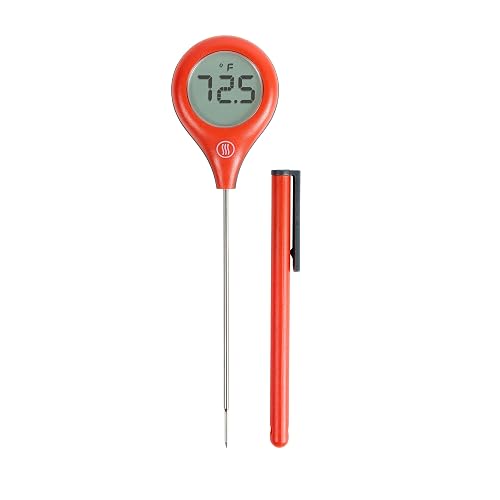
- Fully cooked eggs: Boiled or scrambled to 71 °C/160 °F; excellent protein and choline source. [4]
- Soy-marinated eggs: Use pasteurized eggs, chill promptly, and enjoy as an umami-forward side.
- Tofu: Protein-rich, versatile, and pairs well with ginger/scallion/soy for a familiar profile.
- Umami stocks: Seaweed (kombu) or mushroom broths enhance congee flavor without heavy sodium or risk.
Myths & Facts
- Myth: “All century eggs are dangerous.”
Fact: Regulated, lead-free products exist—but verifying authenticity and safe handling is crucial in pregnancy. [3]
- Myth: “Curing kills all bacteria.”
Fact: Curing is not sterilization; improper hygiene can still introduce pathogens. [4] [5]
- Myth: “It’s the best way to eat eggs during pregnancy.”
Fact: Fully cooked pasteurized eggs are nutritionally comparable and safer overall. [4]
When to Pause or Personalize
If you have a history of elevated blood pressure, pre-eclampsia risk, or concern about environmental toxins, most clinicians would steer you toward safer protein sources. If cultural or appetite reasons draw you to century eggs, discuss your specific brand and habits with your clinician/dietitian and consider limiting to occasional servings only—and only when verified as lead-free. [1] [2]
Pregnancy FAQ — Century Egg
Is it safe to eat century egg while pregnant?
Only if lead-free, from a reputable brand, and handled safely (ideally eaten hot). Otherwise, avoid. [1] [3]
How do I check that it’s lead-free?
Look for “lead-free” and “food-grade alkali only,” plus manufacturer name, batch/lot, and expiry date on sealed packaging. [3] [2]
Is sodium an issue?
Yes—many preserved eggs are salty. Keep portions small and balance with fresh, low-salt sides.
What’s a safer substitute?
Fully cooked pasteurized eggs, tofu, or soy-marinated eggs (handled safely) deliver protein/umami without heavy-metal risk. [4]
Cold slices okay?
Cold, ready-to-eat eggs carry higher general risk. Prefer serving hot (e.g., in steaming congee). [4] [5]