Avoid: Can you drink red wine while pregnant? Experts advise against any alcohol consumption during pregnancy, as even small amounts can pose risks to fetal development throughout all trimesters.
By Shubhra Mishra — a mom of two who turned her own confusion during pregnancy into BumpBites, a global mission to make food choices clear, safe, and stress-free for every expecting mother. 💛
Check whether any food is safe during pregnancy with the BumpBites Food Safety Checker.
Download the Complete Pregnancy Food Guide (10,000 Foods) 📘
Instant PDF download • No spam • Trusted by thousands of moms
💡 Your email is 100% safe — no spam ever.
Quick verdict: ❌ Best avoided. Medical experts, including the ACOG and CDC, recommend completely avoiding red wine and all other alcoholic beverages throughout pregnancy, as no amount has been proven safe.
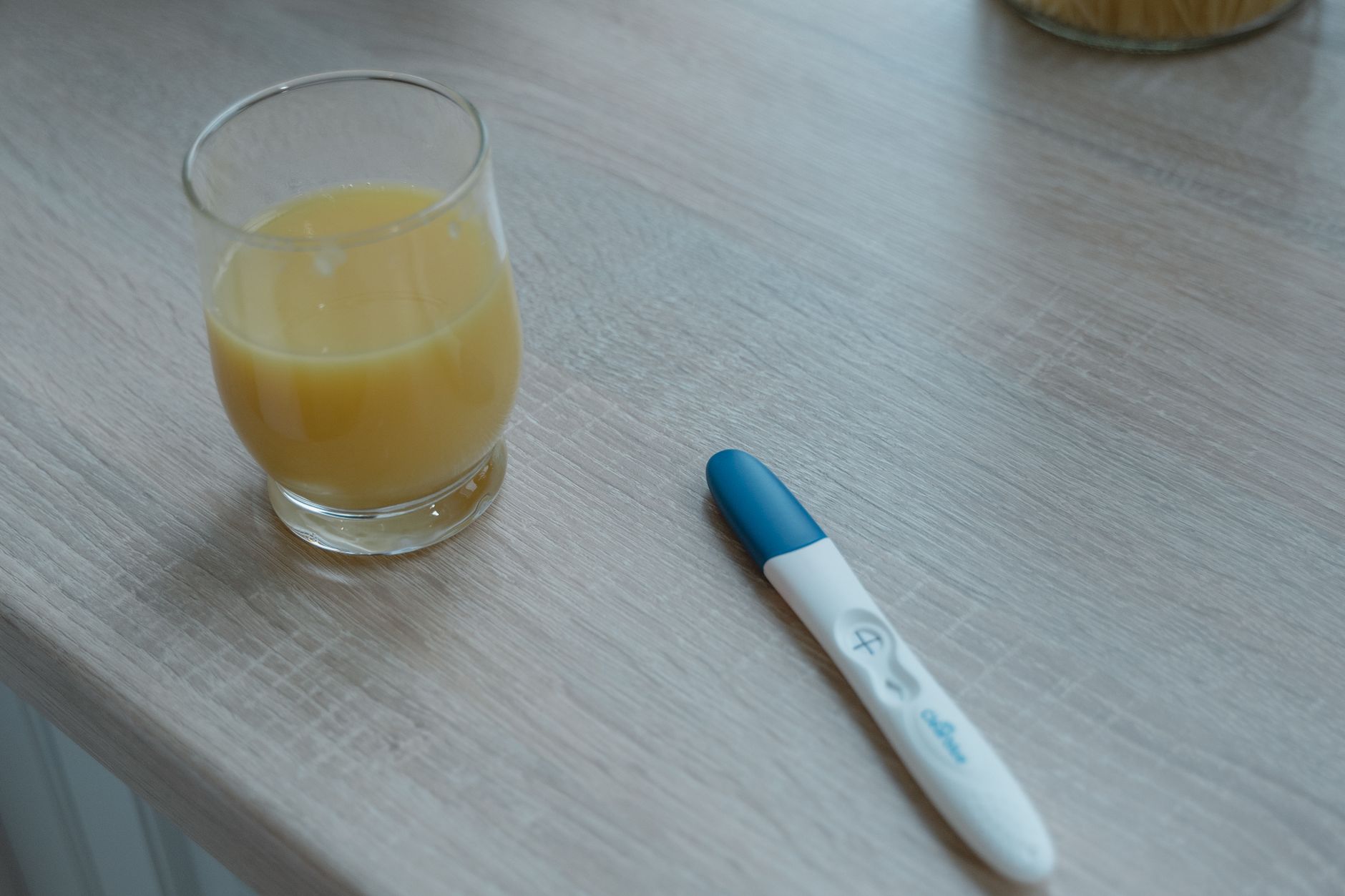
The moment you see those two lines on a pregnancy test, a whole new world of questions opens up. Suddenly, every bite, every sip, every activity comes under intense scrutiny. If you've found yourself staring at a glass of red wine, wondering, "can you drink red wine while pregnant?" you're not alone. Many expecting parents grapple with this question, especially given conflicting social messages or outdated advice. We understand that worry, and we're here to give you clear, evidence-based answers so you can make informed choices for your health and your baby's.
The short answer, backed by leading health organizations worldwide, is that it's best to avoid red wine entirely while pregnant. There is no known safe amount of alcohol consumption during any stage of pregnancy. Even a small amount of alcohol, including red wine, carries potential risks for your developing baby. Let's dive into why this recommendation is so strong, what the risks truly are, and what delicious, safe alternatives you can enjoy instead.
Discovering you're pregnant often brings a wave of questions about what's safe to consume.
Red Wine Safety Snapshot During Pregnancy and Breastfeeding
Stage
Verdict
Notes
First Trimester
❌ Avoid
Critical period for organ development; highest risk for severe birth defects. No safe amount.
Second Trimester
❌ Avoid
Ongoing brain development and growth; continued risk of Fetal Alcohol Spectrum Disorders (FASDs) and other complications.
Third Trimester
❌ Avoid
Brain continues to develop rapidly; risk of FASDs, preterm birth, and growth restrictions.
Breastfeeding
⚠️ Safe with limits / Best avoided
Alcohol passes into breast milk. Best to avoid. If consuming, wait 2-3 hours per standard drink before feeding.
What is Red Wine?
R
ed wine is an alcoholic beverage made from dark-colored grape varieties. The process involves crushing grapes and fermenting them with their skins on, which gives red wine its distinctive color and contributes to its flavor profile. The skins also contain compounds like tannins and resveratrol, often touted for their antioxidant properties. However, it's the alcohol content, typically ranging from 12% to 15% by volume (ABV), that is the primary concern during pregnancy.
Different types of red wine, such as Merlot, Cabernet Sauvignon, Pinot Noir, and Zinfandel, vary in flavor, body, and alcohol concentration, but they all share the fundamental characteristic of containing ethanol. It's this ethanol, the alcohol itself, that poses risks to a developing fetus, regardless of the grape varietal or the perceived health benefits of other compounds present in the wine. For an anxious pregnant person wondering "can you drink red wine while pregnant?", understanding that all red wines contain alcohol is key to making safe choices.
Is any amount of red wine safe to drink during pregnancy?
This is perhaps the most crucial question for many expecting parents, and the answer from major health organizations is clear and unequivocal: no amount of red wine, or any other type of alcohol, has been proven safe to drink during pregnancy. Both the American College of Obstetricians and Gynecologists (ACOG) and the Centers for Disease Control and Prevention (CDC) strongly advise against consuming alcohol at any point during pregnancy. The UK's National Health Service (NHS) and the World Health Organization (WHO) echo this sentiment, recommending complete abstinence.
The reason for this strict guideline is that alcohol, including the ethanol found in red wine, crosses the placenta easily and directly enters your baby's bloodstream. Your baby's liver is not fully developed and cannot process alcohol as efficiently as an adult's liver can. This means that when you drink red wine, your baby is exposed to the same concentration of alcohol as you are, and it stays in their system for longer. This exposure can have serious and permanent consequences for your baby's development, leading to a range of lifelong physical, behavioral, and intellectual disabilities known as Fetal Alcohol Spectrum Disorders (FASDs).
Despite some historical beliefs or anecdotal stories suggesting that "a little bit" of red wine might be okay, current scientific evidence and medical consensus firmly state otherwise. There is no "safe threshold" or "safe trimester" for alcohol consumption during pregnancy. Therefore, if you're asking "can you drink red wine while pregnant?", the safest and most recommended approach is to avoid it entirely.
What are the risks of drinking red wine in the first trimester?
The first trimester (weeks 1-12) is a profoundly sensitive period for fetal development. During these initial weeks, your baby's major organs, including the brain, heart, and spinal cord, are forming rapidly. This process, known as organogenesis, makes the first trimester a time of heightened vulnerability to harmful substances, including alcohol.
Consuming red wine or any alcohol during the first trimester carries the highest risk for severe birth defects and early pregnancy complications. Alcohol exposure during this critical window can disrupt the intricate processes of cell division, migration, and differentiation that are essential for healthy organ formation. Specific risks associated with first-trimester alcohol exposure include:
Miscarriage: Alcohol consumption, particularly heavy drinking, has been linked to an increased risk of miscarriage.
Major Birth Defects: Alcohol can interfere with the development of the heart, brain, kidneys, and other crucial organs, potentially leading to structural abnormalities.
Facial Abnormalities: Distinctive facial features associated with Fetal Alcohol Syndrome (FAS), such as a smooth philtrum (the groove between the nose and upper lip), thin upper lip, and small eye openings, are often a result of alcohol exposure during early pregnancy.
Brain Damage: Even early exposure can cause damage to the developing brain, leading to lifelong intellectual and developmental disabilities.
Because the first trimester is when many people may not even realize they are pregnant, accidental exposure can occur. However, the medical guidance remains consistent: once you know you are pregnant, or if you are trying to conceive, it's best to stop all alcohol consumption immediately to minimize any potential risks.
Red Wine Safety in the Second Trimester
While the first trimester is critical for organ formation, the second trimester (weeks 13-27) is a period of rapid growth and continued development, particularly for the brain. Alcohol exposure during this time can still cause significant harm. The brain continues to develop complex structures, and alcohol can interfere with the formation of neurons and their connections, impacting cognitive function and behavior.
Risks in the second trimester include:
Continued Brain Development Issues: Alcohol can still cause damage to the developing brain, affecting areas responsible for learning, memory, attention, and executive function.
Growth Restriction: Chronic alcohol exposure can impede fetal growth, leading to babies who are smaller than expected for their gestational age.
Increased Risk of Miscarriage: While the risk decreases after the first trimester, heavy alcohol consumption can still contribute to later miscarriages.
Fetal Alcohol Spectrum Disorders (FASDs): The full range of FASDs, from mild to severe, can result from alcohol exposure throughout pregnancy, including the second trimester.
So, if you're wondering "can you drink red wine while pregnant" in the middle months, the answer remains a firm no. The baby is still growing and developing rapidly, and alcohol continues to pose a threat to their healthy progress.
Is drinking red wine in the third trimester more or less risky?
Some people mistakenly believe that alcohol consumption in the third trimester (weeks 28 to birth) is less risky because the baby's organs are fully formed. However, this is a dangerous misconception. The third trimester is a crucial period for the final stages of brain development, lung maturation, and overall growth. The brain, in particular, undergoes significant growth and complex organization during these final months, making it highly vulnerable to alcohol's effects.
Risks associated with drinking red wine in the third trimester include:
Neurodevelopmental Damage: Alcohol can specifically impact the development of the cerebral cortex, hippocampus, and cerebellum during the third trimester, leading to cognitive and behavioral problems that may not be apparent until childhood. These can manifest as difficulties with learning, attention, impulse control, and social skills.
Preterm Birth: Alcohol consumption, especially heavy drinking, has been linked to an increased risk of delivering your baby prematurely.
Low Birth Weight: Alcohol can impair fetal nutrition and growth, potentially leading to babies born with a lower birth weight.
Breathing Problems: Alcohol can affect the development of the baby's lungs and respiratory system, potentially leading to breathing difficulties after birth.
Therefore, whether you're asking "can you drink red wine while pregnant" in your first, second, or third trimester, the consistent medical advice is to avoid it completely. There is no stage of pregnancy where alcohol consumption is considered safe.
Can you drink red wine while breastfeeding?
When it comes to breastfeeding, the guidance on alcohol, including red wine, is slightly different but still leans towards caution. Alcohol passes from your bloodstream into your breast milk. The concentration of alcohol in your breast milk will generally mirror the concentration of alcohol in your blood.
While occasional, moderate alcohol consumption by a breastfeeding parent is generally not considered harmful to the baby, the safest option is to avoid it. If you do choose to have a standard drink (which is about 5 ounces of red wine), it's recommended to wait at least 2-3 hours per drink before breastfeeding or pumping. This allows your body enough time to metabolize the alcohol so that less of it reaches your breast milk. Pumping and dumping does not speed up the process of clearing alcohol from your milk; only time does.
The CDC advises that avoiding alcohol is the safest option for breastfeeding parents. If you choose to drink, limit intake to an occasional single drink and avoid breastfeeding for at least 2 hours afterwards. Heavy or regular alcohol consumption while breastfeeding can impact your baby's sleep patterns, motor development, and potentially milk supply. Always consult with your healthcare provider or a lactation consultant for personalized advice on alcohol and breastfeeding.
Are certain types of red wine considered safer during pregnancy?
This is a common question, as some people might think that lighter red wines, or those with lower alcohol content, could be a safer option. However, the answer is a resounding no. There are no specific types of red wine, whether it's a light Pinot Noir, a robust Cabernet Sauvignon, or any other varietal, that are considered safe to drink during pregnancy.
The risk comes from the ethanol (alcohol) itself, not from the specific type of grape or the perceived "quality" of the wine. Even wines with a slightly lower alcohol by volume (ABV) still contain ethanol, and that ethanol can cross the placenta and affect your developing baby. The ACOG, CDC, NHS, and other leading health authorities do not differentiate between types of alcoholic beverages when issuing their guidance; their recommendation is to avoid all alcohol.
Similarly, there is no "safe amount" or "safe dosage" of red wine during pregnancy. Even a small glass, or a sip, introduces alcohol into your system and subsequently to your baby. Since individual responses to alcohol and fetal vulnerabilities can vary, and because no research has established a safe lower limit, the most responsible and medically sound advice is complete abstinence. When you're asking "can you drink red wine while pregnant?", remember that the type of wine doesn't change the fundamental risk of alcohol exposure.
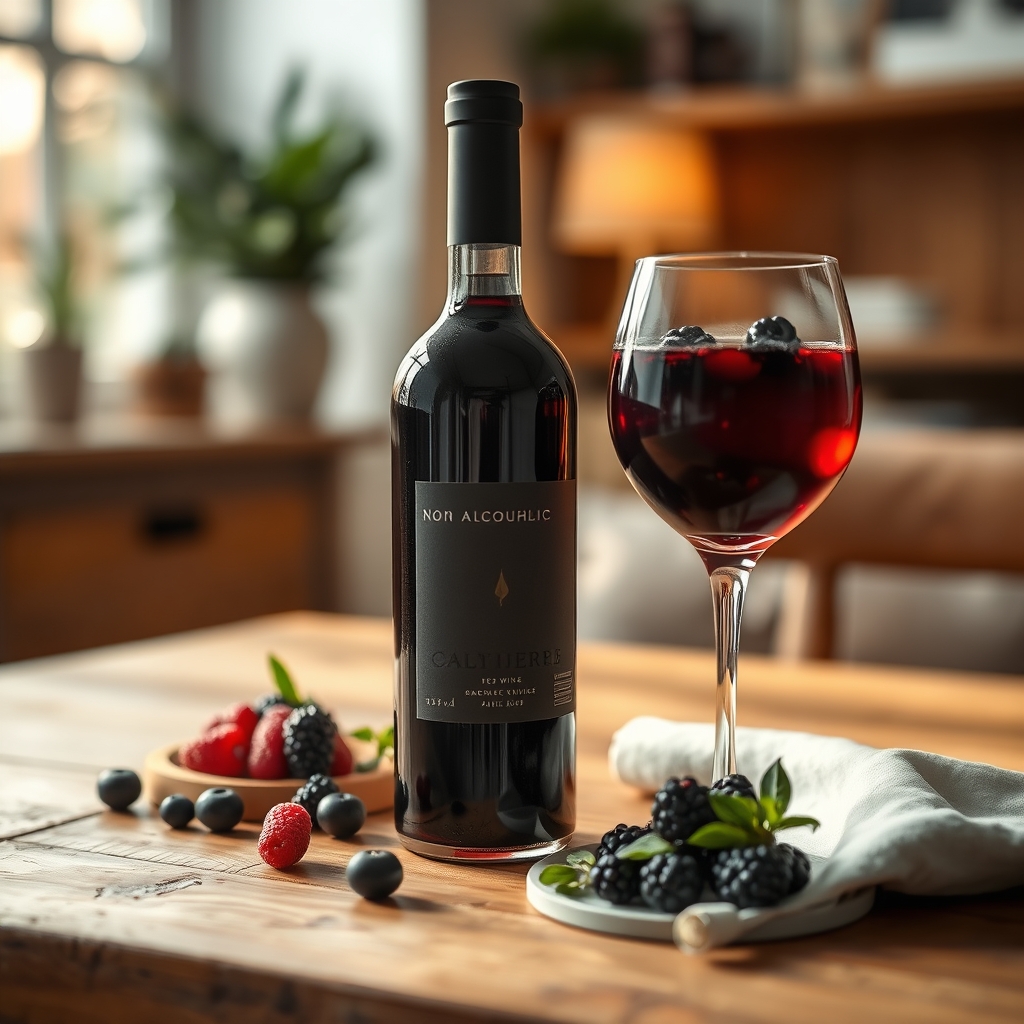
Non-alcoholic alternatives offer the flavor and ritual of red wine without any of the risks during pregnancy.
Can red wine consumption cause Fetal Alcohol Spectrum Disorders?
Yes, consuming red wine or any alcoholic beverage during pregnancy can cause Fetal Alcohol Spectrum Disorders (FASDs). FASDs are a group of conditions that can occur in a person whose mother drank alcohol during pregnancy. These effects are permanent and can range from mild to severe, impacting a child's entire life.
FASDs are not a single diagnosis but a spectrum, meaning they present in different ways and to varying degrees of severity. The most severe form is Fetal Alcohol Syndrome (FAS), characterized by a combination of:
Abnormal Facial Features: Such as a smooth philtrum (the ridge between the nose and upper lip), thin upper lip, and small eye openings.
Growth Problems: Being smaller than average, both before and after birth.
Central Nervous System Problems: Including brain damage, intellectual disabilities, learning disabilities, memory problems, attention deficits, hyperactivity, and difficulties with judgment and impulse control.
Other FASDs include Alcohol-Related Neurodevelopmental Disorder (ARND), which involves intellectual and behavioral problems without the facial abnormalities, and Alcohol-Related Birth Defects (ARBD), which involves problems with the heart, kidneys, bones, or hearing. The critical point is that any amount of alcohol, including red wine, at any point in pregnancy, can potentially contribute to these conditions because alcohol is a known teratogen—a substance that can cause birth defects.
What are the potential long-term effects of prenatal alcohol exposure?
The effects of prenatal alcohol exposure are not just limited to birth defects visible at birth. The damage caused by alcohol to the developing brain can lead to a wide range of lifelong challenges, collectively falling under the umbrella of Fetal Alcohol Spectrum Disorders (FASDs). These long-term effects can significantly impact a child's development and their ability to function successfully in life.
Potential long-term effects include:
Learning Disabilities: Children may struggle with academic performance, particularly in subjects like math, reading, and writing.
Memory Problems: Difficulty recalling information, both short-term and long-term.
Attention Deficits and Hyperactivity: Similar to ADHD, children may have trouble focusing, staying organized, and controlling impulses.
Executive Functioning Challenges: Difficulties with planning, problem-solving, decision-making, and understanding consequences.
Social and Behavioral Issues: Problems with social skills, understanding social cues, managing emotions, aggression, and difficulties with judgment. This can lead to challenges in forming friendships and maintaining relationships.
Mental Health Problems: Increased risk of anxiety, depression, and other mental health disorders in adolescence and adulthood.
Legal and Employment Issues: Due to difficulties with judgment and impulse control, individuals with FASDs may face higher rates of legal troubles and challenges maintaining employment.
These effects underscore why medical professionals so strongly advise against drinking red wine while pregnant. The damage is not reversible, and early intervention and support are crucial for individuals living with FASDs.
What are safe non-alcoholic red wine alternatives for pregnant women?
Giving up your favorite red wine during pregnancy doesn't mean you have to miss out on sophisticated, flavorful beverages or the ritual of a relaxing drink. Thankfully, there's a growing market of delicious and safe alternatives that can satisfy your craving without any alcohol. Here are some excellent options:
Non-alcoholic red wine: These beverages are made from real wine that has had the alcohol removed through processes like reverse osmosis or vacuum distillation. They offer a similar taste profile and mouthfeel to traditional red wine, making them an excellent choice for special occasions or daily enjoyment. Always check the label to ensure it's truly 0.0% ABV.
Sparkling grape juice: A classic and festive choice, sparkling grape juice offers the sweetness and fizz of a celebratory drink. It's readily available and comes in red or white varieties.
Cranberry spritzer: Mix cranberry juice with sparkling water or seltzer and a squeeze of lime for a refreshing and tart drink. You can also add a sprig of rosemary or mint for an elevated touch.
Ginger ale: A go-to for many, ginger ale is refreshing and can also help soothe an upset stomach, a common complaint during pregnancy.
Herbal iced tea: Many herbal teas are safe during pregnancy (check with your doctor about specific herbs) and can be brewed strong, chilled, and served over ice with lemon or honey for a soothing and flavorful drink.
Sparkling water with lime: Simple, elegant, and hydrating. Add a few berries or a cucumber slice for an extra touch.
Shirley Temple: A nostalgic favorite, this mix of ginger ale, grenadine, and a maraschino cherry offers a sweet, bubbly, and festive option.
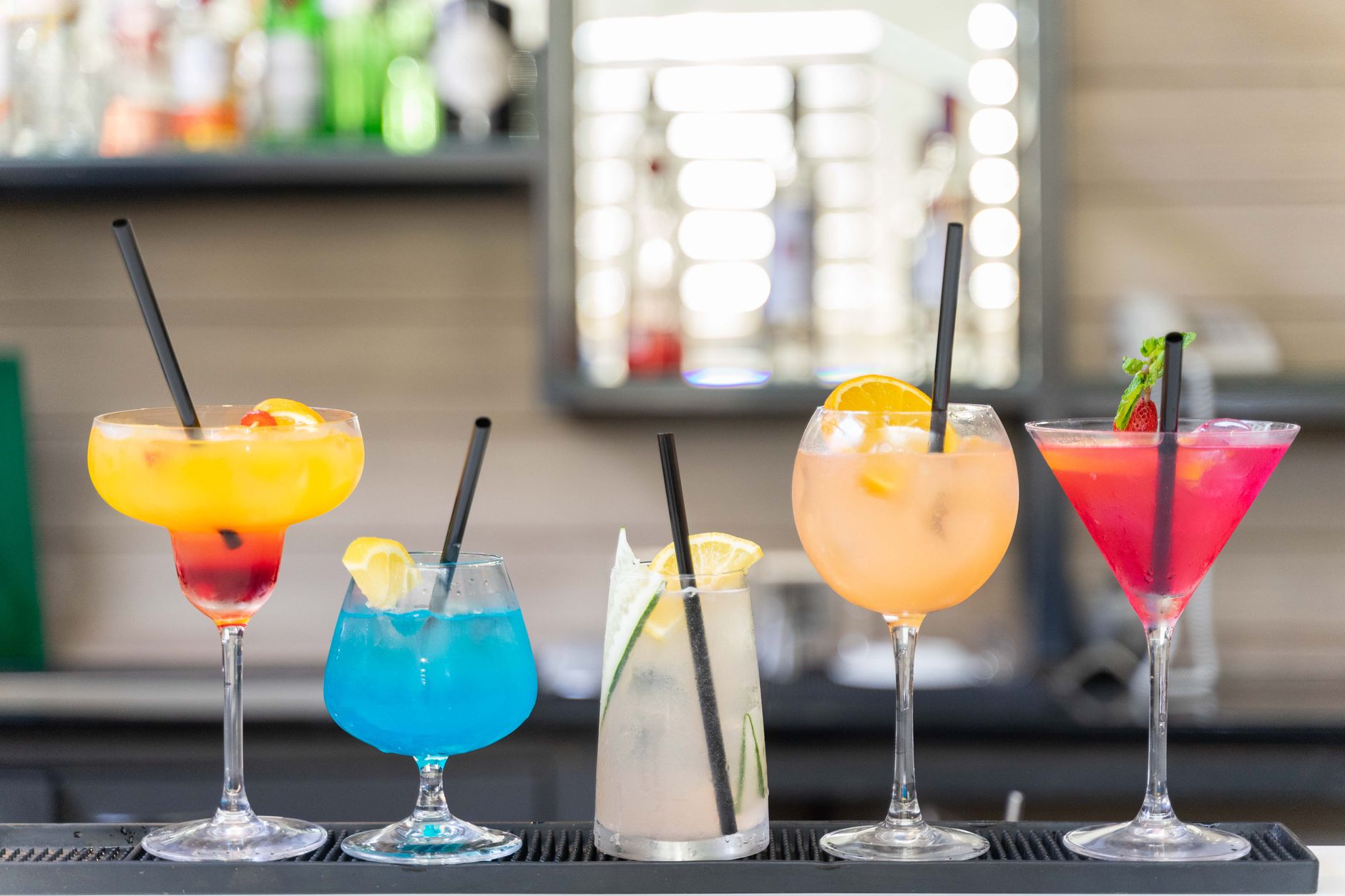
Mocktails: The world of mocktails is vast and creative! From virgin mojitos to alcohol-free margaritas, you can find or create a mocktail for almost any flavor preference. Many restaurants and bars now offer dedicated mocktail menus.
These alternatives allow you to enjoy a special drink without having to worry about the question, "can you drink red wine while pregnant?"
Related Items: Alcohol Safety at a Glance
Beyond red wine, many other alcoholic beverages raise questions for expecting parents. Here's a quick look at the safety of related items during pregnancy:
Item
Verdict
Note
White wine
❌ Avoid
Contains ethanol, just like red wine. No safe amount during pregnancy.
Beer
❌ Avoid
All types of beer (lager, ale, stout, etc.) contain alcohol and should be avoided.
Sparkling wine, contains alcohol. Not safe for consumption during pregnancy.
Wine coolers
❌ Avoid
Flavored alcoholic beverages. While they may taste less alcoholic, they still contain ethanol.
Sake
❌ Avoid
Japanese rice wine, contains alcohol. Avoid during pregnancy.
Hard cider
❌ Avoid
Fermented apple juice, contains alcohol. Avoid during pregnancy.
Cocktails
❌ Avoid
Mixed drinks containing spirits or other alcoholic bases. Avoid all cocktails.
Explore the exciting world of mocktails for delicious and safe pregnancy beverages.
Myth vs. Fact About Red Wine and Pregnancy
There are many myths and misconceptions surrounding alcohol consumption during pregnancy. Let's clear up some common ones:
Myth: A small amount of red wine, like one glass occasionally, is fine and even beneficial for the baby.
Fact: This is false. Leading health organizations worldwide, including ACOG, CDC, and NHS, state that no amount of alcohol, including red wine, has been proven safe during pregnancy. Because every pregnancy and every baby's development is unique, and because alcohol can cause harm at any stage, the safest choice is complete abstinence. There is no evidence of any benefits to drinking red wine while pregnant, only potential risks.
Myth: It's okay to drink red wine in the third trimester because the baby's organs are already formed.
Fact: This is also false. While major organs form in the first trimester, the brain continues to develop rapidly throughout all trimesters, especially in the third. Alcohol exposure during the third trimester can still cause significant damage to the developing brain, leading to long-term neurodevelopmental problems, as well as increasing the risk of preterm birth and low birth weight. The question "can you drink red wine while pregnant?" should always be answered with caution, regardless of trimester.
Myth: Red wine is safer than other types of alcohol because of its antioxidants or "health benefits."
Fact: While red wine contains antioxidants like resveratrol, these potential benefits are far outweighed by the risks posed by its alcohol content during pregnancy. The ethanol in red wine is the same harmful substance found in beer, spirits, and other alcoholic beverages. Any perceived health benefits of red wine for adults do not apply to a developing fetus, for whom alcohol is a toxin.
Key Takeaways for Red Wine During Pregnancy
Complete Avoidance: The safest choice is to completely avoid red wine and all other alcoholic beverages throughout your entire pregnancy.
No Safe Amount: There is no known safe amount of alcohol consumption during pregnancy, according to major health authorities like ACOG, CDC, and NHS.
Trimester Matters, But Not for Safety: While the first trimester carries the highest risk for major birth defects, alcohol can cause harm at any stage of pregnancy, affecting brain development and growth in the second and third trimesters.
Risk of FASDs: Drinking red wine can lead to Fetal Alcohol Spectrum Disorders (FASDs), which are permanent, lifelong physical, behavioral, and intellectual disabilities.
Consider Alternatives: Many delicious non-alcoholic wines, mocktails, and other beverages are available to enjoy safely.
Breastfeeding Caution: If breastfeeding, moderate occasional consumption requires waiting 2-3 hours per drink before feeding to minimize alcohol transfer to breast milk. Avoidance is still the safest option.
Frequently Asked Questions About Red Wine and Pregnancy
Can one glass of red wine harm a pregnancy?
Medical experts advise that no amount of alcohol, including one glass of red wine, has been proven safe during pregnancy. Since individual susceptibility and fetal development vary, even a single drink could potentially pose risks to the developing baby. The safest approach is complete abstinence.
What happens if you drink wine in early pregnancy?
Drinking wine in early pregnancy, especially during the first trimester, carries the highest risk for severe birth defects, miscarriage, and damage to the baby's developing brain and organs. Alcohol is a teratogen that can disrupt critical developmental processes during this sensitive period.
Is non-alcoholic wine safe during pregnancy?
Yes, non-alcoholic wine (typically labeled 0.0% ABV or very close to it) is generally considered safe during pregnancy. It allows you to enjoy the flavor and ritual of wine without the risks of alcohol. Always check the label to confirm the alcohol content is truly negligible.
What are the signs of fetal alcohol syndrome?
Signs of Fetal Alcohol Syndrome (FAS), the most severe form of FASD, include distinct facial features (smooth philtrum, thin upper lip, small eye openings), growth problems (low birth weight/height), and central nervous system problems (intellectual disabilities, learning difficulties, behavioral issues).
Can I drink wine while breastfeeding?
While complete avoidance is the safest option, if you choose to drink wine while breastfeeding, limit it to an occasional single standard drink and wait at least 2-3 hours per drink before breastfeeding or pumping. This allows your body to metabolize the alcohol, reducing its presence in breast milk.
Does red wine help with labor?
No, there is no scientific evidence or medical recommendation that suggests red wine helps with labor. In fact, alcohol consumption during the third trimester can pose risks such as preterm labor or complications for the baby. Always follow your medical provider's advice regarding labor preparation.
Are there any benefits to drinking red wine during pregnancy?
No, there are no known benefits to drinking red wine during pregnancy. While red wine contains antioxidants, any potential benefits for the pregnant person are outweighed by the significant and irreversible risks that alcohol poses to the developing fetus.
Is it safe to drink alcohol in the third trimester?
No, it is not safe to drink alcohol in the third trimester. Alcohol can still cause significant harm to the baby's rapidly developing brain and lungs, increase the risk of preterm birth, and lead to neurodevelopmental problems that may manifest later in childhood.
What should I do if I drank red wine before I knew I was pregnant?
If you drank red wine before you knew you were pregnant, take a deep breath. Many people do. The most important step is to stop drinking alcohol immediately upon discovering your pregnancy. Inform your healthcare provider at your first prenatal appointment; they can discuss any concerns, provide reassurance, and guide you on healthy pregnancy practices moving forward.
When to Call Your Doctor
If you have any concerns about alcohol consumption during pregnancy, or if you are struggling to stop drinking, please reach out to your healthcare provider. They are there to support you without judgment. You should also contact your doctor if:
You are finding it difficult to stop drinking alcohol.
You have consumed alcohol and are worried about potential effects on your baby.
You need resources or support for alcohol cessation during pregnancy.
Remember, this information is for educational purposes only and is not a substitute for professional medical advice. Always consult your healthcare provider for any health concerns or before making any decisions related to your health or the health of your baby.
Not sure about the label on Can You Drink Red Wine While Pregnant What The Science Says products?
Snap the ingredients list (or paste it, or scan the barcode) and SafeFilter checks every ingredient against your stage of pregnancy — flagging what to avoid, what needs care, and what's fine.
When Shubhra Mishra was expecting her first child in 2016, she was overwhelmed by conflicting food advice — one site said yes, another said never. By the time her second baby arrived in 2019, she realized millions of mothers face the same confusion.
That sparked a five-year journey through clinical nutrition papers, cultural diets, and expert conversations — all leading to BumpBites: a calm, compassionate space where science meets everyday motherhood.
Her long-term vision is to build a global community ensuring safe, supported, and free deliveriesfor every mother — because no woman should face pregnancy alone or uninformed. 🌿
🌍 Stand with mothers, shape safer guidance
Join a small circle of experts who review BumpBites articles so expecting parents everywhere can decide with confidence.