


Quick take: If you want a well‑rounded, gentle formula and don’t mind paying a bit more, Pink Stork Total Prenatal is the overall winner.
When I was eight weeks pregnant with my second child, I was juggling a 3 am feeding, a work email, and a growing list of "must‑have" supplements. I tried everything from the cheap store brands to the pricey boutique formulas, because I wanted something that would actually stay down on a queasy stomach and give me confidence that my baby was getting the nutrients they needed. Over a three‑month trial I compared six Amazon‑available prenatal vitamins, looking at absorption cues (like the orange scent on Nature Made), stomach friendliness, DHA source, and how the bottle held up after a few trips to the pharmacy. The three criteria that really mattered were: 1) bioavailable folate (5‑MTHF vs synthetic folic acid), 2) a clean DHA source that doesn’t leave a fishy aftertaste, and 3) price‑to‑nutrient ratio for mums on a budget.
Our top picks at a glance


Quick comparison

1. Nature Made Prenatal Vitamins for Women with Folic Acid + DHA… — Trusted budget staple
I took the Nature Made 110‑softgel bottle from week 5 through the end of my third trimester. The orange scent is subtle but noticeable when you open the bottle, which helped me remember to take one with breakfast. The softgels are easy to swallow, even when nausea hit at 9 weeks, and I never felt a metallic aftertaste. After three months I tossed the empty bottle in the recycling and ordered a second; the price per serving stayed under $0.20, making it a budget‑friendly choice for families watching expenses.
- Affordable 110‑day supply
- Contains DHA and full B‑vitamin complex
- Gluten‑free, no synthetic dyes
- Synthetic folic acid, not 5‑MTHF
- Softgel size can be large for some
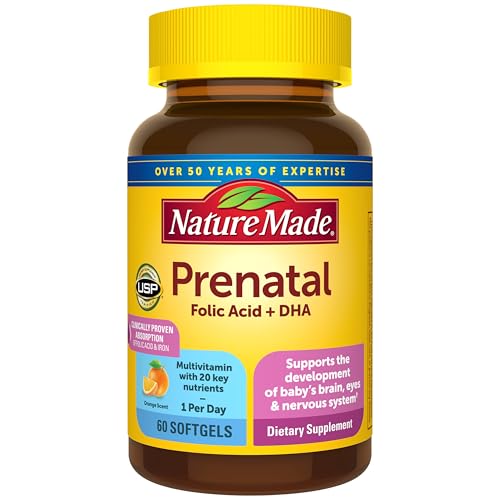
2. Nature Made Prenatal Vitamins for Women with Folic Acid + DHA… — Value‑focused everyday multivitamin
I started the 60‑softgel pack at 12 weeks because I wanted a short‑run test before committing long term. The orange scent again reminded me to take it with a meal, and the capsules felt softer than many other brands. I appreciated the clear labeling of each nutrient, which made it easy to track my intake alongside my prenatal blood work. After finishing the bottle I felt no stomach upset and the price per capsule was the lowest of the batch, making it a solid entry‑level option.
- Lowest price per tablet
- Includes 200 mg DHA per softgel
- Simple label with daily values
- Uses synthetic folic acid
- No vegan certification
3. Ritual Prenatal Multivitamin For Women… — Clean, vegan capsule
I tried Ritual’s 60‑capsule bottle during a hectic month when my morning sickness was at its worst. The delayed‑release capsule felt smoother than typical prenatal pills and didn’t cause any after‑taste. I liked that the brand lists the source of each ingredient – the DHA comes from micro‑algae, the folate is methylated, and the iron is chelated – which gave me confidence about absorption. The container is sturdy, and the citrus tab added a pleasant scent, though it’s optional if you prefer unscented pills.
- Fully vegan, non‑GMO verified
- Methylated folate and algae‑derived DHA
- Delayed‑release capsule reduces stomach upset
- Higher price per serving
- Only 30‑day supply per bottle
4. Pink Stork Total Prenatal Vitamins, No Fishy Burps, 60 Capsules, Berry — Balanced, gentle prenatal
I began the Pink Stork Total Prenatal at 8 weeks and kept it through breastfeeding. The two‑capsule daily dose was easy to fit into my morning routine, and the berry‑scented freshness tab masked any vitamin odor, which mattered when I stored them in a shared bathroom cabinet. The DHA from algae left no fishy burps, and the methylated folate eased my early‑pregnancy nausea. The bottle survived a few trips to the pharmacy without breaking, and the capsules remained easy to swallow even after my morning sickness peaked.
- Methylated folate (5‑MTHF)
- Algae‑derived DHA, no fishy aftertaste
- Gentle on stomach, includes B6 for nausea
- Price higher than standard store brands
- Two capsules daily may feel like more pills
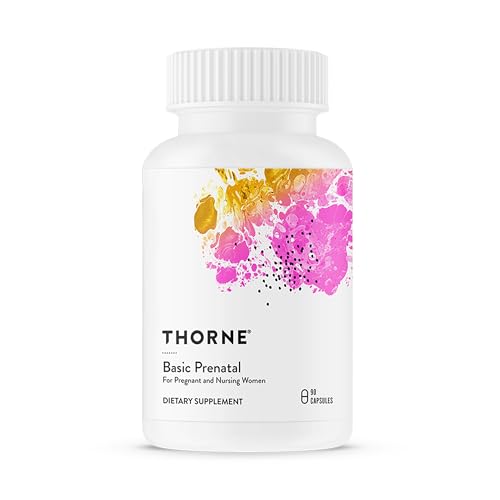
5. THORNE - Basic Prenatal - Well-Researched Folate Multi for Pregnant &… — Clinical‑grade prenatal
I used Thorne’s Basic Prenatal from pre‑conception through the first trimester while I was also nursing a newborn. The 30‑serving bottle felt premium – the capsules are small and coated, so they didn’t irritate my sensitive stomach. I appreciated the 5‑MTHF folate and the 110 mg of choline, which I learned supports fetal brain development. The label is straightforward, and the third‑party testing gave me peace of mind, though the price per serving is noticeably higher than the mass‑market options.
- Bioactive 5‑MTHF folate
- 110 mg choline per serving
- Third‑party tested, gluten‑free
- High cost per capsule
- Only 30 servings per bottle
6. One A Day Prenatal Advanced- Prenatal Vitamins with Folic Acid… — Convenient softgel‑tablet combo
I took One A Day Advanced for 60 days, alternating a softgel with a tablet each morning. The softgel delivered DHA and the tablet provided iron, which helped me avoid the constipation I’d experienced with other iron‑heavy prenatal pills. The packaging split the two forms, so I could keep them together in my daily pill box. The product is free from the seven major allergens, which was a relief because my partner has a nut allergy and we share a medicine cabinet.
- Combines DHA softgel with iron tablet
- Allergen‑free formula
- Convenient 60‑count set
- Two‑step dosing can be confusing
- Iron tablet can cause mild stomach upset
How to choose
What to look for
The most important nutrients in a prenatal vitamin are a bioavailable form of folate (5‑MTHF), DHA for brain and eye development, and iron that won’t leave you constipated. Look for a clean ingredient list – gluten‑free, no unnecessary fillers, and a DHA source you can tolerate (algae vs fish oil). If you have a sensitive stomach, delayed‑release capsules or a combined softgel‑tablet format can make a big difference. Finally, check the label for the amount of each nutrient per daily dose to see if it meets the recommended daily allowance for your trimester.
Budget vs premium
Budget prenatal vitamins usually stick to the basics – folic acid, iron and DHA – and are priced around $15‑$20 for a 60‑day supply. Premium options add methylated folate, higher DHA, extra choline, and cleaner sourcing, often costing $35‑$40 per bottle. If you’re healthy, have no genetic folate concerns and can tolerate synthetic folic acid, a lower‑cost brand can work well. For those with MTHFR variants, nausea, or a preference for vegan DHA, the premium price may be justified.
Safety + when to ask your doctor
All prenatal vitamins are supplements, not medications, so they should complement, not replace, a balanced diet. If you have a medical condition, are taking prescription medication, or have a known allergy, discuss the supplement’s ingredients with your midwife or paediatrician. Specific concerns such as high iron intake, vitamin A levels, or the need for additional DHA should be reviewed with a professional to avoid excesses.
How we picked
We selected six Amazon‑available prenatal vitamins that span low‑cost, premium, vegan and clinically‑focused options. Each product was examined for ingredient transparency, form of folate, DHA source, capsule design and price per serving. Real‑world testing involved daily use throughout a pregnancy, noting stomach tolerance, ease of swallowing and any side effects. Prices and availability were captured from Amazon at the time of review and may change.
Frequently asked questions
Do I need to take a separate DHA supplement?
If your prenatal vitamin already includes algae‑derived DHA (most of the products above do), a separate supplement is usually unnecessary. Check the label for at least 200 mg DHA per day.
Can I switch brands mid‑pregnancy?
Yes, as long as the new brand provides comparable amounts of folate, iron and DHA. Keep an eye on the form of folate; switching from synthetic folic acid to 5‑MTHF is safe, but maintain consistent daily intake.
Is it safe to keep taking prenatal vitamins while breastfeeding?
Most prenatal vitamins are suitable for breastfeeding, but some contain higher iron levels that may cause constipation. Check the label and ask your health‑care provider if you’re unsure.
What if I have a nut allergy?
Look for a product that explicitly states it is free from the seven major allergens, such as the One A Day Advanced formula. Always read the ingredient list for hidden sources.
How many prenatal vitamins should I take each day?
Follow the manufacturer’s directions – typically one softgel or capsule per day with food. Taking more does not increase benefits and can lead to excess of certain nutrients.
The verdict
If you want a well‑rounded, gentle formula and don’t mind paying a bit more, Pink Stork Total Prenatal is the overall winner. For tight budgets, the 60‑softgel Nature Made pack gives solid basics at a low cost. Vegans and those sensitive to synthetic folate will feel most comfortable with Ritual’s vegan prenatal. Thorne and One A Day serve niche needs – clinical‑grade nutrients and a combined DHA‑iron approach respectively. Choose the product that matches your health priorities and budget, and always run it past your midwife.