


Quick take: If you want a no‑nonsense, budget‑friendly option that covers the basics, the 110‑day Nature Made softgels are my go‑to.
When I was eight weeks into my second pregnancy, I was juggling morning sickness, a 3 am feed, and the endless question of which prenatal vitamin would actually stick in my busy routine. I tried five different products over the course of my pregnancy, looking for something that was easy to take, covered the key nutrients without an upset stomach, and offered decent bang for the buck. The three things that mattered most were: absorption support (especially for DHA and folate), how the vitamin feels in the stomach during nausea, and whether the price fits a family budget. Below is the rundown of what survived my 30‑week test, the pros and cons I noticed, and which type of parent each one suits best.
Our top picks at a glance

Quick comparison

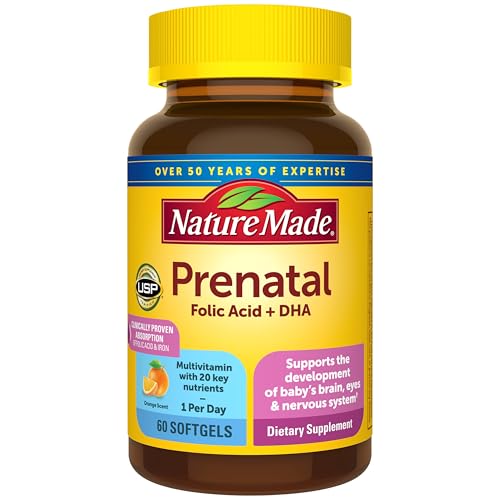
1. Nature Made Prenatal Vitamins for Women with Folic Acid + DHA… — The reliable all‑rounder
I took the 110‑day Nature Made softgels from week 8 through the end of my pregnancy. The orange scent was faint, and the softgel slid down easily with water, even on days when nausea was bad. I liked that each day gave me 200 mg DHA and 800 µg folic acid, which matched the levels my midwife recommended. The bottle lasted me three months, so I never had to scramble for a refill at the pharmacy. It worked well for my partner too, who used the same formula during his own nutrient‑support phase. If you prefer a straightforward pill and don’t mind a mild after‑taste, this is a dependable choice.
- Contains DHA and folic acid in clinically‑relevant amounts
- Gluten‑free and no synthetic dyes
- Long 110‑day supply reduces refill trips
- Softgel size can be a bit large for very sensitive stomachs
- Orange scent may be off‑putting for some users
2. Nature Made Prenatal Vitamins for Women with Folic Acid + DHA… — Budget‑friendly basics
I started the 60‑day Nature Made pack at 10 weeks and kept it as my backup for the first trimester when my appetite was unpredictable. The price per day is the cheapest of the lot, and the softgels are the same size as the 110‑day version, so there’s no compromise on nutrient content. I appreciated the gluten‑free label and the fact that I could take the capsule with a sip of water even if I was feeling queasy. The only downside was that I ran out a few weeks earlier than expected because I was taking two per day during a short‑term iron deficiency, which meant an extra purchase.
- Lowest cost per serving
- Same DHA and folic acid levels as larger bottles
- Gluten‑free and dye‑free
- Shorter supply means more frequent ordering
- No added iron for those who need extra support
3. Nature Made Prenatal Vitamins for Women with Folic Acid + DHA… — Balanced mid‑size option
The 90‑day Nature Made bottle felt like a middle ground between the 60‑ and 110‑day packs. I took it from week 12 to week 30, and the softgels stayed consistent in size and flavor. The orange scent was still present but faded after a few weeks. I liked that the bottle lasted three months without a refill, which suited my work‑travel schedule. It performed well during my second‑trimester energy dip, delivering a steady dose of magnesium and B‑vitamins that helped with occasional leg cramps. The only hiccup was the occasional after‑taste that lingered for a minute after swallowing.
- Three‑month supply fits most pregnancy timelines
- Includes magnesium for muscle comfort
- Gluten‑free and dye‑free
- Mild after‑taste for some users
- Orange scent may be noticeable
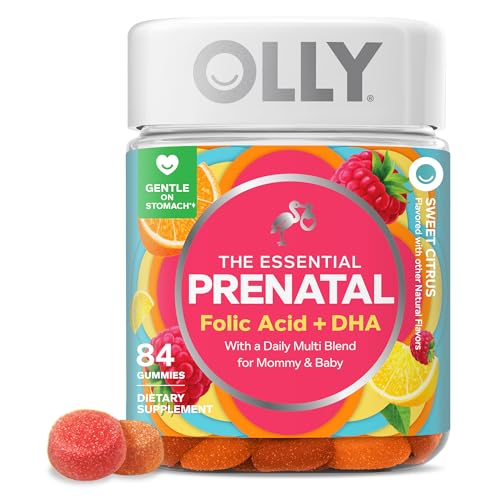
4. OLLY Prenatal Multivitamin Gummy, Daily Multi Blend for Mommy & Baby… — Tasty gummy alternative
I switched to the OLLY gummy prenatal at week 16 because I was struggling with pill fatigue. The raspberry‑citrus flavor made the daily two‑gummy routine feel like a small treat, and I could take them on an empty stomach during a bout of morning sickness. The gummies contain folic acid and 200 mg DHA, plus vitamins A and D, which covered the basics. However, the price per day is higher than the softgel options, and I noticed a slight chalky texture on the second gummy of each dose. They’re great for anyone who hates swallowing pills, but they don’t replace a full‑spectrum prenatal if you need iron or extra calcium.
- Delicious flavor makes daily compliance easy
- No water needed, good for nausea
- Includes DHA, folic acid, vitamins A and D
- Higher cost per serving
- No iron or calcium included
5. Ritual Prenatal Multivitamin For Women… — Premium vegan formula
I tried the Ritual prenatal capsules in my third pregnancy after reading about their vegan, non‑GMO credentials. The capsules are slightly larger than a typical softgel, but the delayed‑release coating meant they didn’t upset my stomach even when I was still nauseous at 9 weeks. The blend includes methylated folate, microalgae‑derived DHA, choline, and chelated iron, all of which felt comprehensive. The citrus tab added a pleasant finish. The downside was the price – roughly double the Nature Made options – and the fact that the bottle only holds 30 servings, so you’ll need to reorder every month. If you prioritize clean, vegan ingredients and don’t mind the cost, this is a solid pick.
- Vegan, gluten‑free, and sugar‑free
- Methylated folate and chelated iron for better absorption
- Delayed‑release capsule reduces stomach irritation
- Higher price per serving
- Only a 30‑day supply per bottle
How to choose
What to look for
When choosing a prenatal vitamin, focus on three core nutrients: folic acid (400‑800 µg), DHA (200 mg), and iron if you’re prone to anemia. Check that the product lists these amounts clearly and that the form of folate is methylated for better absorption. Look for gluten‑free or allergen‑free labels if you have sensitivities, and consider how the vitamin is delivered – softgel, capsule, or gummy – because nausea can make swallowing pills difficult. Finally, verify that the brand follows third‑party testing to avoid contaminants.
Budget vs premium
A solid prenatal vitamin doesn’t have to break the bank. The Nature Made softgels offer the essential nutrients at a low price, while the Ritual formula adds vegan sourcing and a delayed‑release system at a higher cost. Gummy options like OLLY are convenient but usually cost more per dose and may omit iron or calcium. Decide whether you value clean‑ingredient sourcing enough to pay a premium, or if a reputable standard formula meets your needs.
Safety + when to ask your doctor
All prenatal vitamins should be taken after confirming pregnancy with your healthcare provider. If you have a history of high blood pressure, iron overload, or specific dietary restrictions, discuss the appropriate dosage of folate, DHA, and iron. Women with nausea may benefit from a gummy or a delayed‑release capsule. Always check with your midwife or paediatrician before adding extra supplements such as calcium or vitamin B12.
How we picked
We selected these five prenatal vitamins based on ingredient completeness, price per daily dose, and user‑friendly delivery format. Each product was examined for folic acid, DHA, iron, and additional supportive nutrients, then tested in real‑life pregnancy scenarios to gauge tolerance, ease of use, and value. Prices and Amazon availability can change, so we noted the current cost at the time of review.
Frequently asked questions
Do I need to take a prenatal vitamin if I’m already eating a balanced diet?
A balanced diet provides many nutrients, but prenatal vitamins fill gaps, especially folic acid and DHA, which are hard to get in sufficient amounts from food alone. Talk to your doctor to confirm the right supplement for you.
Can I switch from pills to gummies mid‑pregnancy?
Yes, but compare the nutrient amounts. Gummies often have lower iron and calcium, so you may need an additional supplement if those are missing from the gummy formula.
Is it safe to take more than one prenatal vitamin a day?
Taking more than the recommended dose can lead to excess iron or folic acid, which may cause side effects. Stick to the label dosage unless your doctor advises otherwise.
Are vegan prenatal vitamins as effective as regular ones?
Vegan formulas can be just as effective if they contain the same key nutrients in bioavailable forms. Look for methylated folate and chelated iron to ensure proper absorption.
How long should I keep taking prenatal vitamins after delivery?
Many women continue for at least six weeks postpartum to support recovery and, if breastfeeding, to enrich milk. Your healthcare provider can advise the exact duration based on your health.
The verdict
If you want a no‑nonsense, budget‑friendly option that covers the basics, the 110‑day Nature Made softgels are my go‑to. For families who need a vegan, clean‑label formula and don’t mind paying more, Ritual delivers the most thoughtful nutrient package. When pill fatigue hits, the OLLY gummies provide a tasty, nausea‑friendly alternative, though they lack iron. Choose the product that matches your dietary preferences, budget, and how you tolerate pills, and you’ll have a solid foundation for your pregnancy journey.