Discover the best eating plan while pregnant with this trimester-by-trimester guide. Learn what to eat for optimal health, energy, and baby development during each stage.
By Shubhra Mishra — a mom of two who turned her own confusion during pregnancy into BumpBites, a global mission to make food choices clear, safe, and stress-free for every expecting mother. 💛
Check whether any food is safe during pregnancy with the BumpBites Food Safety Checker.
Download the Complete Pregnancy Food Guide (10,000 Foods) 📘
Instant PDF download • No spam • Trusted by thousands of moms
💡 Your email is 100% safe — no spam ever.
Quick take: A balanced, trimester‑specific eating plan—rich in folate, iron, calcium, omega‑3s, and whole foods—keeps you and your baby thriving. Focus on nutrient‑dense meals, stay hydrated, and adjust portions as your body changes. If you have a condition like gestational diabetes, tailor the plan with guidance from your provider.
It’s 3 a.m., you’re curled up in bed, a wave of nausea hits, and you wonder, “Did that slice of pizza ruin my baby?” You’re not alone. Many expectant parents wrestle with cravings, aversions, and the endless “what should I eat?” questions. The good news is that a well‑structured eating plan while pregnant can be simple, flexible, and delicious.
In this guide we walk through a trimester‑by‑trimester eating plan, spotlight essential nutrients, and share practical tips for busy days, gestational diabetes, vegetarian choices, and those inevitable cravings. You’ll also find a quick‑reference table, snack ideas, and a checklist of red‑flag symptoms that warrant a call to your provider.
Let’s turn the mystery of “what to eat” into a clear, confidence‑building roadmap—so you can focus on feeling good and watching your little one grow.
Healthy eating plan for first trimester of pregnancy
The first trimester is a time of rapid cell division, and your body needs a solid foundation of folic acid, iron, and vitamin B6 to support neural tube development and reduce morning‑sickness symptoms. During these early weeks, many women experience heightened sense of smell and food aversions, so keeping meals simple and soothing can make a big difference.
Key nutrients and why they matter
Folate (400 µg daily): Prevents neural tube defects. Sources include fortified cereals, leafy greens, and lentils (ACOG).
Iron (27 mg daily): Supports the increase in blood volume. Pair iron‑rich foods with vitamin C to boost absorption.
Vitamin B6 (1.9 mg daily): Helps ease nausea; found in bananas, potatoes, and chickpeas.
Sample breakfast
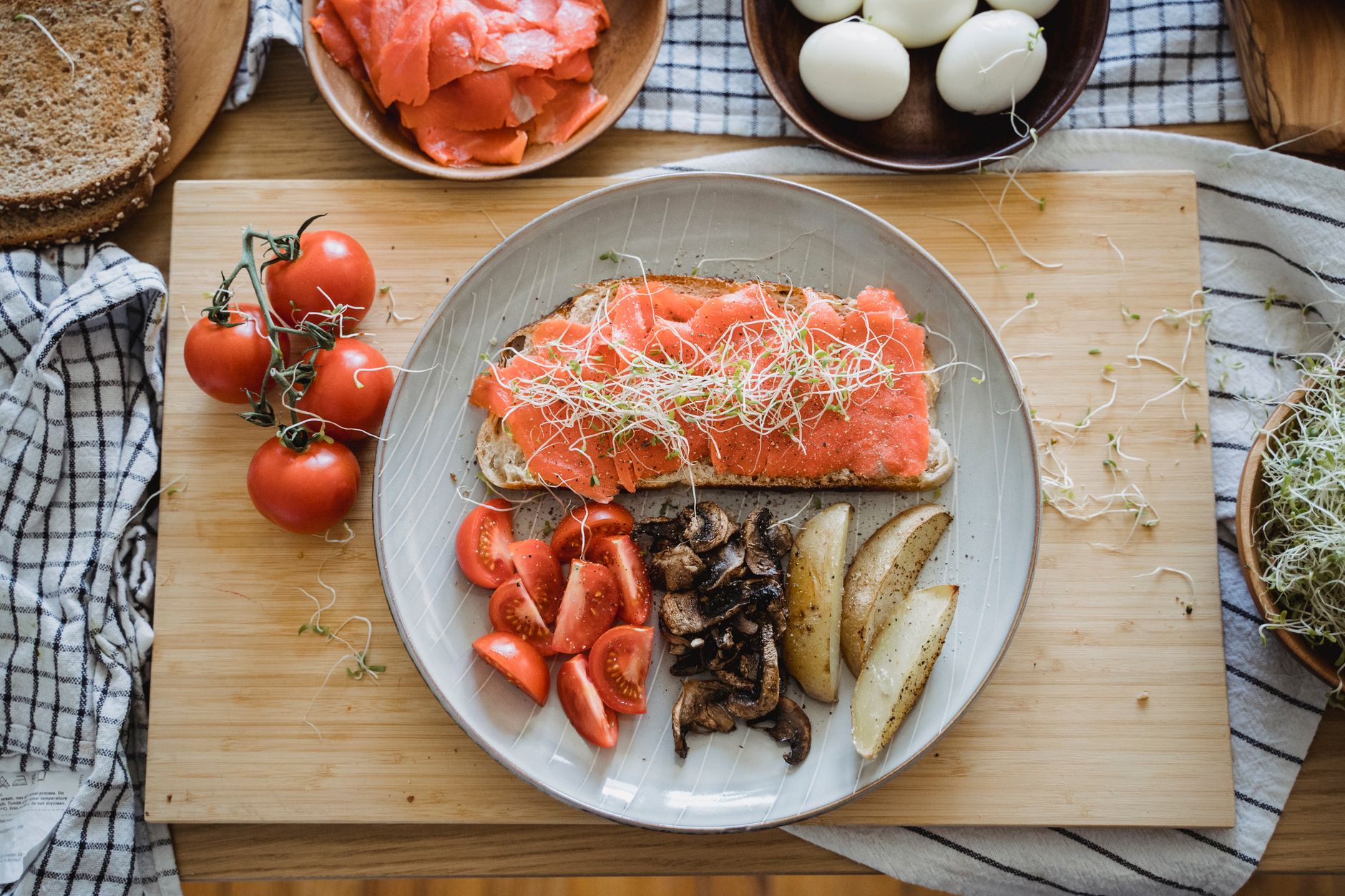
Whole‑grain toast topped with avocado, a poached egg, and a side of orange slices provides folate, healthy fats, and vitamin C—all in one bite.
Managing morning sickness
Ginger tea, plain crackers, and cold fruit smoothies can settle the stomach. A study from the NHS recommends small, frequent meals rather than three large ones.
Hydration tip
Aim for 8–10 cups of water daily. Adding a splash of lemon or cucumber can make it more appealing without excess sugar.
Reading food labels
Look for “no added sugars” and “fortified with folic acid.” Avoid “high‑fructose corn syrup” and “artificial colors,” which provide empty calories.
Quick snack ideas
Greek yogurt with a drizzle of honey and a sprinkle of chia seeds.
Apple slices with almond butter.
Mini rice cakes topped with cottage cheese and sliced tomato.
Meal‑prep for busy mornings
Batch‑cook a batch of quinoa and roasted vegetables on Sunday; portion into containers for quick reheating. Add a hard‑boiled egg for protein.
When cravings hit
Swap salty chips for roasted sea‑weed snacks or a handful of pistachios. The salty crunch satisfies the urge while delivering magnesium and healthy fats.
Because the first trimester also sets the tone for later nutrient needs, consider keeping a simple food diary. Recording what you eat and how you feel can help you spot patterns—like a particular snack that consistently eases nausea—so you can repeat those successes throughout pregnancy.
Start the day with a folate‑rich breakfast that also eases nausea.
Best foods to eat during second trimester pregnancy
The second trimester brings a surge in fetal growth, making protein, calcium, and omega‑3 fatty acids especially important. This is also the period when many women start to feel a genuine increase in appetite, so it’s a good time to fine‑tune portion sizes and focus on quality rather than quantity.
Protein power
Aim for 71 g of protein daily (RDA). Include lean meats, poultry, fish, tofu, and beans. A study by the CDC confirms that adequate protein reduces the risk of low birth weight.
Calcium for bones
About 1,000 mg of calcium per day supports the baby’s skeletal development. Dairy, fortified plant milks, and leafy greens like kale are top sources.
Omega‑3 fatty acids
EPA and DHA, found in low‑mercury fish (e.g., salmon, sardines) and algae‑based supplements, are linked to better brain development (WHO). Aim for 200–300 mg DHA daily.
Sample lunch
Grilled salmon salad with mixed greens, cherry tomatoes, quinoa, and a lemon‑tahini dressing delivers protein, omega‑3s, and calcium from the tahini.
Snack ideas
Cheese sticks with whole‑grain crackers.
Hummus and carrot sticks.
Trail mix with almonds, pumpkin seeds, and dried apricots.
Managing aversions
If you’re turned off by dairy, try fortified soy milk or calcium‑rich tofu. If fish smells off, opt for canned sardines in olive oil—still low in mercury.
Staying hydrated
Second‑trimester fluid needs rise to about 2.5 L per day. Herbal teas like rooibos are safe and add variety.
Meal‑prep tip
Cook a batch of salmon on a sheet pan with lemon slices; store in airtight containers for quick lunches.
Because iron stores built in the first trimester start to be tapped during the second, keep an eye on iron‑rich meals and consider a mid‑pregnancy check‑up to verify your hemoglobin levels. If you feel unusually fatigued, a simple blood test can guide whether you need an iron supplement.
Third trimester pregnancy diet plan for a healthy baby
In the final three months, the baby gains the most weight, so iron, fiber, and vitamin D become critical to support both maternal health and fetal growth. This stage also brings common issues like swelling (edema) and heartburn, which can be mitigated with strategic food choices.
Iron focus
The RDA climbs to 27 mg daily. Red meat, lentils, and iron‑fortified cereals are staples. Pair with vitamin C‑rich foods like bell peppers to improve absorption.
Fiber to prevent constipation
Aim for 28 g of fiber. Whole grains, fruits, and vegetables keep things moving, reducing hemorrhoid risk.
Vitamin D for bone health
600 IU daily (US) or 10 µg (UK) supports calcium absorption. Fatty fish, fortified dairy, and safe sunlight exposure are key sources.
Sample dinner
Lean beef stir‑fry with broccoli, red bell pepper, and brown rice, finished with a squeeze of lime for vitamin C.
Snack ideas
Fresh berries with a dollop of ricotta.
Whole‑grain toast topped with avocado and a sprinkle of sesame seeds.
Warm oatmeal with cinnamon, apple slices, and a splash of fortified almond milk.
Hydration and swelling
Elevated fluid intake (about 3 L) helps reduce edema. Adding a pinch of sea salt to water can maintain electrolyte balance.
Meal‑prep for the final stretch
Prepare freezer‑ready portions of lean protein (chicken breast, turkey meatballs) that can be reheated in minutes.
Monitoring weight gain
Typical third‑trimester gain is 0.5–1 lb per week. Track with a weekly weigh‑in and adjust portions if needed, always under provider guidance.
Because the uterus is now pressing on the stomach, many women experience heartburn after meals. Opt for smaller plates, chew slowly, and avoid lying down for at least an hour after eating. A dab of almond butter on a slice of whole‑grain toast can soothe the acid while still delivering healthy fats.
Importance of folic acid in pregnancy diet
Folic acid is the cornerstone of a safe pregnancy diet. It reduces the risk of neural tube defects (NTDs) by up to 70 % when taken before conception and during the first 12 weeks (CDC).
How much and when
The recommended daily intake is 400 µg for most women, rising to 600 µg if you have a personal or family history of NTDs (ACOG).
Food sources
Fortified breakfast cereals (often 100–200 µg per serving).
Dark leafy greens like spinach and collard greens.
Legumes—especially lentils and chickpeas.
Citrus fruits, strawberries, and avocado.
Supplementation safety
Most prenatal vitamins contain the appropriate folic acid dose. Excessive intake (>1 mg) is not recommended because it may mask vitamin B12 deficiency (WHO).
Tips for absorption
Combine folate‑rich foods with a little healthy fat—olive oil on a spinach salad helps your body use the nutrient more efficiently.
Folate vs. folic acid
Natural folate (found in foods) is less stable during cooking, so lightly steaming vegetables preserves more of the vitamin.
Monitoring adequacy
Blood tests for serum folate are rarely needed unless you have risk factors; your provider will advise if testing is appropriate.
Because many prenatal vitamins also contain iron and vitamin D, reviewing the label with your provider can prevent accidental excess of any single nutrient. If you’re already meeting your folate needs through diet, discuss whether a separate supplement is still beneficial.
Foods to avoid during pregnancy for a healthy baby
While many foods are safe, a few can pose risks to fetal development or your own health. Knowing the “no‑go” list lets you enjoy meals without anxiety.
High‑mercury fish
Avoid shark, swordfish, king mackerel, and tilefish. The FDA advises limiting albacore tuna to 6 oz per week.
Unpasteurized dairy and soft cheeses
These can harbor Listeria, which may cause miscarriage or severe newborn infection (CDC). Choose pasteurized cheeses like cheddar, mozzarella, or goat cheese that’s been heated.
Raw or undercooked eggs and meat
Risk of Salmonella and Toxoplasma. Ensure eggs are cooked until yolks are firm and meats reach internal temperatures of 165 °F (74 °C).
Alcohol
No safe level has been identified. The ACOG recommends complete abstinence to prevent fetal alcohol spectrum disorders.
Caffeine limits
Up to 200 mg per day (about one 12‑oz cup of coffee) is considered safe (Mayo Clinic). Higher intake may increase miscarriage risk.
Processed meats
Limit hot dogs, deli meats, and bacon unless heated to steaming hot, as they may contain nitrites and Listeria.
Artificial sweeteners
Most are considered safe in moderation, but some (like saccharin) should be limited. Check FDA’s “food additive” list for guidance.
Practical avoidance tip
When dining out, ask for “no raw fish” and “pasteurized cheese” to stay safe without sacrificing flavor.
Remember that occasional indulgences are usually fine when balanced with nutrient‑dense meals. If you’re unsure about a specific ingredient, a quick phone call to your provider can clear up any confusion.
Pregnancy meal plan for gestational diabetes
Gestational diabetes (GDM) affects about 7 % of pregnancies in the U.S. (CDC). Managing blood sugar hinges on balanced meals, consistent carbohydrate timing, and fiber.
Core principles
Distribute carbs evenly across three meals and two snacks.
Foods with a low GI raise blood glucose more slowly, helping keep levels within target ranges (NICE guidance).
Hydration
Water, herbal teas, and infused water (cucumber‑mint) are ideal. Avoid sugary drinks that can cause rapid spikes.
Meal‑prep for GDM
Batch‑cook quinoa, portion into containers, and add pre‑washed veggies for quick assembly.
Exercise complement
Gentle walking 30 minutes most days improves insulin sensitivity (ACOG).
Because stress can also affect blood sugar, consider brief mindfulness practices—like a five‑minute breathing exercise before meals. This can help you stay calm, eat slower, and better gauge satiety.
How to manage pregnancy cravings with a healthy diet
Cravings are a real, hormonally driven part of pregnancy, but they don’t have to derail nutrition goals.
Identify the trigger
Often cravings signal a need for a missing nutrient. Sweet cravings may point to low iron; salty urges can indicate magnesium deficiency.
Swap smartly
Craving chocolate? Choose a small piece of dark chocolate (70 % cocoa) paired with a handful of almonds.
Longing for chips? Try roasted chickpeas seasoned with paprika.
Want ice cream? Blend frozen banana with a splash of fortified soy milk for a creamy treat.
Portion control
Use the “hand‑size” rule: a palm of protein, a fist of veggies, and a thumb of healthy fats per meal.
Timing matters
Eat a balanced snack before a big craving hits; this steadies blood sugar and reduces impulsive over‑eating.
Mindful eating practice
Take a moment to ask, “Am I really hungry, or am I bored, stressed, or thirsty?” Often a glass of water satisfies the urge.
Sample “craving‑satisfying” snack
Whole‑grain toast topped with ricotta cheese, a drizzle of honey, and a sprinkle of cinnamon—a sweet‑salty combo that hits multiple taste buds.
When cravings feel overwhelming
Talk to your provider; extreme cravings can sometimes signal gestational diabetes or nutrient deficiencies that need monitoring.
In addition to the snack swaps above, keep a small stash of “go‑to” foods—like a pre‑packed container of mixed nuts or a single‑serve portion of dried fruit—so you’re prepared when the urge strikes.
Vegetarian diet plan during pregnancy for a healthy baby
Vegetarian diets can provide all the nutrients needed for a healthy pregnancy, but careful planning ensures adequate iron, B12, DHA, and protein.
Protein sources
Include beans, lentils, tofu, tempeh, Greek yogurt, and eggs (if lacto‑ovo). Aim for 71 g daily; a cup of cooked lentils delivers about 18 g.
Iron and B12
Plant iron is non‑heme and less absorbable. Boost it with vitamin C‑rich foods. Vitamin B12 supplementation (250 µg daily) is recommended (NHS).
Omega‑3 DHA
Algae‑derived DHA supplements provide the same benefits as fish oil without mercury concerns (WHO).
Sample day
Breakfast: Overnight oats with fortified soy milk, chia seeds, and berries.
Lunch: Spinach and quinoa salad with roasted chickpeas, pumpkin seeds, and lemon‑tahini dressing.
Snack: Cottage cheese with sliced peach.
Dinner: Stir‑fried tofu, broccoli, bell peppers, and brown rice, seasoned with ginger.
Calcium intake
Fortified plant milks, calcium‑set tofu, and leafy greens (bok choy, collard greens) supply the needed 1,000 mg daily.
Meal‑prep tip for vegetarians
Cook a large batch of quinoa and beans on Sunday; combine with fresh veggies throughout the week for quick, balanced meals.
Monitoring nutrients
Ask your provider for a mid‑pregnancy blood test to check iron, B12, and DHA levels, adjusting supplements as needed.
Because some vegetarians avoid all animal products, it’s especially important to verify that fortified foods provide enough vitamin D and calcium. A daily fortified cereal paired with fortified plant milk can bridge any gaps.
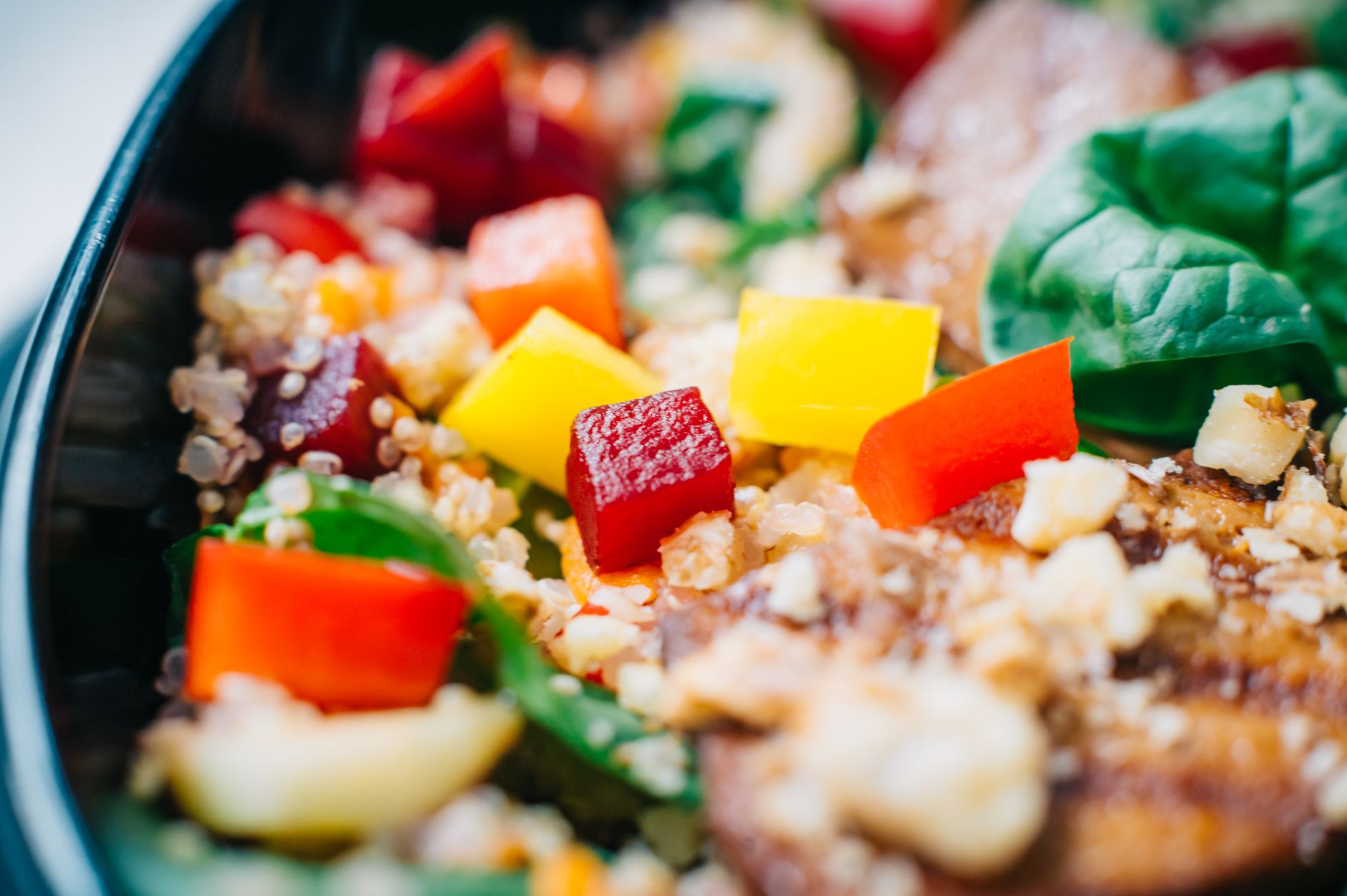
A nutrient‑dense vegetarian plate that supports both mom and baby.
Nutrition for multiples: eating plan when expecting twins or more
Carrying more than one baby amplifies nutrient demands. Energy needs increase by roughly 300 kcal per day in the second trimester and 450 kcal in the third (ACOG). Protein, iron, calcium, and omega‑3s become even more critical to support two developing bodies.
Key adjustments
Calories: Add 300 kcal/day (second trimester) and 450 kcal/day (third trimester) to your baseline intake.
Protein: Aim for 80–100 g daily, focusing on lean meats, legumes, and dairy.
Iron: Target 30 mg/day; consider a prenatal iron supplement if labs show low ferritin.
Calcium & Vitamin D: Maintain 1,200 mg calcium and 600–800 IU vitamin D daily.
Sample meal ideas
Breakfast: Whole‑grain pancakes topped with Greek yogurt, berries, and a drizzle of almond butter.
Lunch: Lentil‑rich vegetable stew with kale, served over brown rice.
Snack: Cottage cheese with pineapple chunks and a sprinkle of chia seeds.
Dinner: Baked salmon with quinoa, roasted sweet potatoes, and steamed asparagus.
Because weight gain can be faster with multiples, regular check‑ins with your obstetrician are essential. They’ll monitor both your health and the growth of each baby, adjusting the nutrition plan as needed.
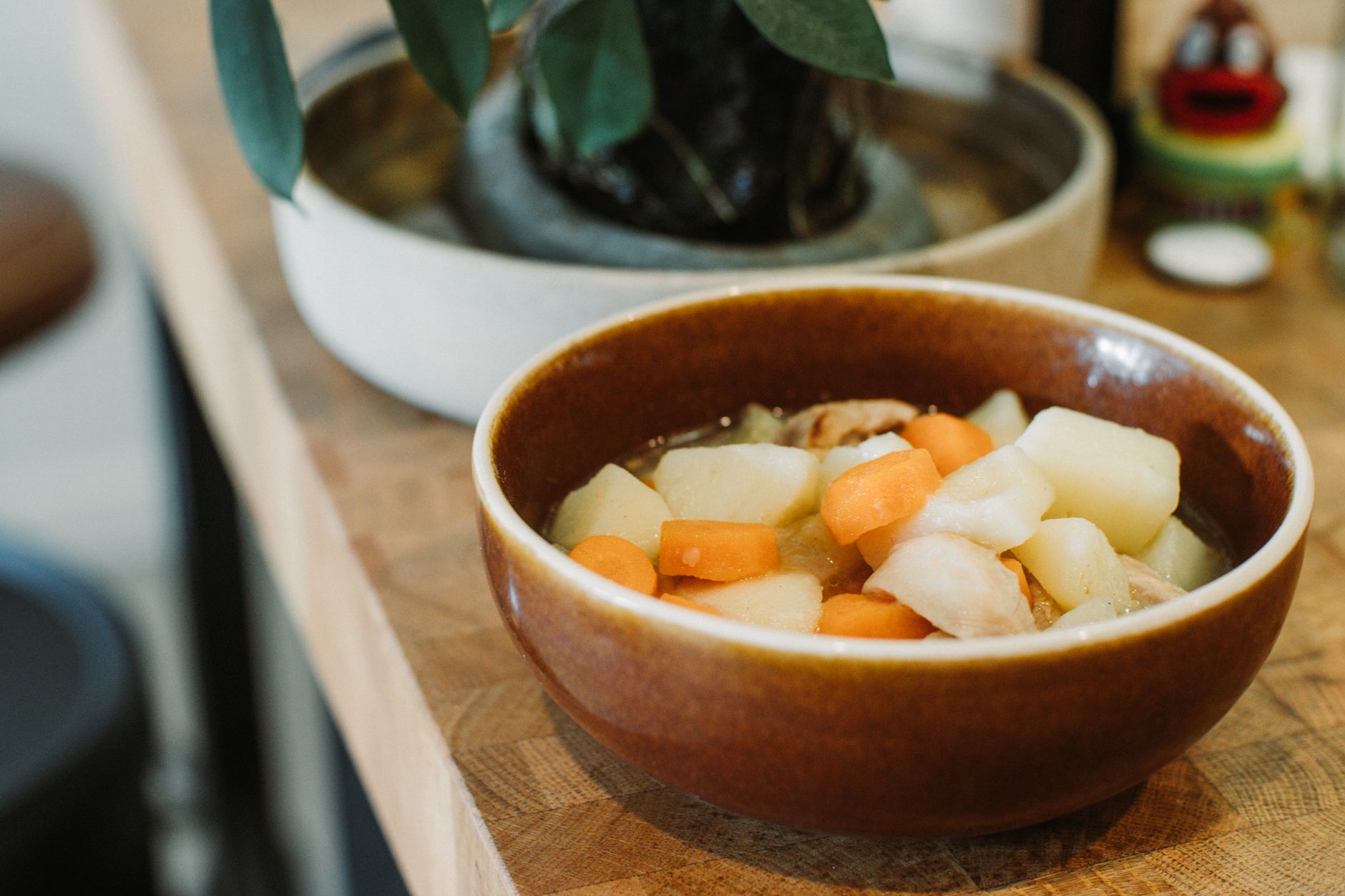
Protein‑packed lentil stew helps meet the higher demands of a twin pregnancy.
Supplement guide: prenatal vitamins and when they’re needed
While a well‑balanced diet supplies most nutrients, prenatal supplements fill inevitable gaps. Not every pregnant person needs the same formula, so understanding the core components helps you choose wisely.
Iodine (150 µg): Crucial for thyroid function and brain development.
Omega‑3 DHA (200–300 mg): Supports fetal brain and eye growth.
When extra supplementation is recommended
Women with vegetarian or vegan diets often need separate B12 and DHA supplements. Those with a history of anemia may require higher‑dose iron. If you’re diagnosed with gestational diabetes, a low‑dose chromium supplement might be discussed, though evidence is still emerging (ACOG).
Choosing a reputable brand
Look for products that have undergone third‑party testing (USP, NSF) and list exact amounts of each nutrient. Avoid “megadose” formulas that exceed the Recommended Dietary Allowance without medical supervision.
Always start a new supplement after discussing it with your provider. They can order blood work to confirm deficiencies and tailor the dosage, ensuring you get just what you need.
Doctor’s note
From our medical team: “Every pregnancy is unique. While this guide offers evidence‑based recommendations, always discuss any dietary changes, supplement use, or health conditions with your obstetrician or midwife. They can tailor advice to your specific needs, especially if you have gestational diabetes, anemia, or are carrying multiples.”
Myth vs. fact
Myth: “You must eat for two, doubling your calories from the start.”
Fact: Calorie needs increase modestly—about 300 extra calories per day in the second trimester and 450 in the third (ACOG). Overeating can lead to excessive weight gain and gestational diabetes.
Myth: “All fish are dangerous during pregnancy.”
Fact: Low‑mercury fish like salmon, sardines, and trout are safe and provide essential omega‑3s. Avoid only high‑mercury species.
Myth: “If you’re vegetarian, you can’t get enough iron.”
Fact: Iron‑rich plant foods combined with vitamin C (e.g., lentils with tomato) meet needs, especially with a B12 supplement.
Key takeaways
Focus on nutrient‑dense foods each trimester—folate early, protein and calcium mid‑pregnancy, iron and fiber later.
Stay hydrated: 8–10 cups water daily, more if active or in hot climates.
Read labels for added sugars, unpasteurized dairy, and high‑mercury fish warnings.
If you have gestational diabetes, spread carbs evenly and choose low‑GI options.
Manage cravings with healthier swaps and mindful portion sizes.
Vegetarians should supplement B12 and consider algae‑based DHA for fetal brain development.
When expecting twins or multiples, increase calories and protein modestly and monitor weight gain with your provider.
Choose a third‑party‑tested prenatal vitamin that matches your dietary gaps.
Frequently asked questions
What are the best foods to eat during pregnancy for a healthy baby?
Lean proteins, leafy greens, fortified cereals, low‑mercury fish, dairy or fortified plant milks, and whole grains provide the vitamins and minerals essential for fetal growth.
How can I manage my weight during pregnancy with a healthy diet?
Follow trimester‑specific calorie guidelines, prioritize high‑fiber foods, keep protein at each meal, and pair carbs with protein or healthy fats to avoid spikes.
What are some healthy snack options during pregnancy?
Greek yogurt with fruit, hummus and veggie sticks, a handful of nuts, whole‑grain toast with avocado, or a small piece of dark chocolate with almond butter are balanced choices.
Can I eat seafood during pregnancy?
Yes, choose low‑mercury options such as salmon, sardines, and shrimp, limiting albacore tuna to 6 oz per week and avoiding shark, swordfish, and king mackerel.
How much caffeine is safe to consume during pregnancy?
Up to 200 mg per day (about one 12‑oz cup of coffee) is considered safe; higher amounts may increase miscarriage risk, so monitor all sources including tea and chocolate.
What are some signs of nutrient deficiencies during pregnancy?
Persistent fatigue, pale skin, hair loss, tingling in hands or feet, and frequent muscle cramps can indicate iron, vitamin D, or magnesium shortfalls—consult your provider for testing.
How should I adjust my diet if I’m expecting twins?
Increase daily calories by roughly 300 kcal in the second trimester and 450 kcal in the third, boost protein to 80–100 g, and ensure iron, calcium, and DHA are sufficient—regular monitoring with your provider is essential.
Do I need a prenatal vitamin if I eat a balanced diet?
Even with a balanced diet, most providers recommend a prenatal vitamin to guarantee adequate folate, iron, iodine, and DHA; discuss any specific needs with your clinician.
When to call your doctor
If you notice any of the following, seek medical attention promptly: severe abdominal pain, persistent vomiting, high fever, sudden swelling of hands or face, decreased fetal movement after 24 weeks, or signs of dehydration.
This article provides general information and is not a substitute for personalized medical advice. Always discuss dietary changes with your health care provider.
References
American College of Obstetricians and Gynecologists (ACOG). “Nutrition During Pregnancy.” 2023 clinical guidance.
Centers for Disease Control and Prevention (CDC). “Folic Acid and Pregnancy.” Updated 2022.
National Health Service (NHS). “Food safety for pregnant women.” 2023.
World Health Organization (WHO). “Omega‑3 fatty acids in pregnancy.” 2021.
U.S. Food and Drug Administration (FDA). “Guidance for Industry: Food Safety.” 2022.
National Institute for Health and Care Excellence (NICE). “Gestational Diabetes.” 2022 guideline.
Mayo Clinic. “Caffeine: How much is safe during pregnancy?” 2023.
Food Standards Agency (FSA). “Food labeling and allergens.” 2022.
Royal College of Obstetricians and Gynaecologists (RCOG). “Guidelines on iron supplementation in pregnancy.” 2023.
Harvard T.H. Chan School of Public Health. “Vegetarian Diets and Pregnancy.” 2022.
American College of Obstetricians and Gynecologists (ACOG). “Nutrition Recommendations for Twin Pregnancies.” 2023.
National Institutes of Health (NIH). “Prenatal Vitamins Fact Sheet.” 2022.
Editor's pick for this topic
Not sure about the label on Best Eating Plan During Pregnancy Trimester By Trimester Guide products?
Snap the ingredients list (or paste it, or scan the barcode) and SafeFilter checks every ingredient against your stage of pregnancy — flagging what to avoid, what needs care, and what's fine.
When Shubhra Mishra was expecting her first child in 2016, she was overwhelmed by conflicting food advice — one site said yes, another said never. By the time her second baby arrived in 2019, she realized millions of mothers face the same confusion.
That sparked a five-year journey through clinical nutrition papers, cultural diets, and expert conversations — all leading to BumpBites: a calm, compassionate space where science meets everyday motherhood.
Her long-term vision is to build a global community ensuring safe, supported, and free deliveriesfor every mother — because no woman should face pregnancy alone or uninformed. 🌿
🌍 Stand with mothers, shape safer guidance
Join a small circle of experts who review BumpBites articles so expecting parents everywhere can decide with confidence.