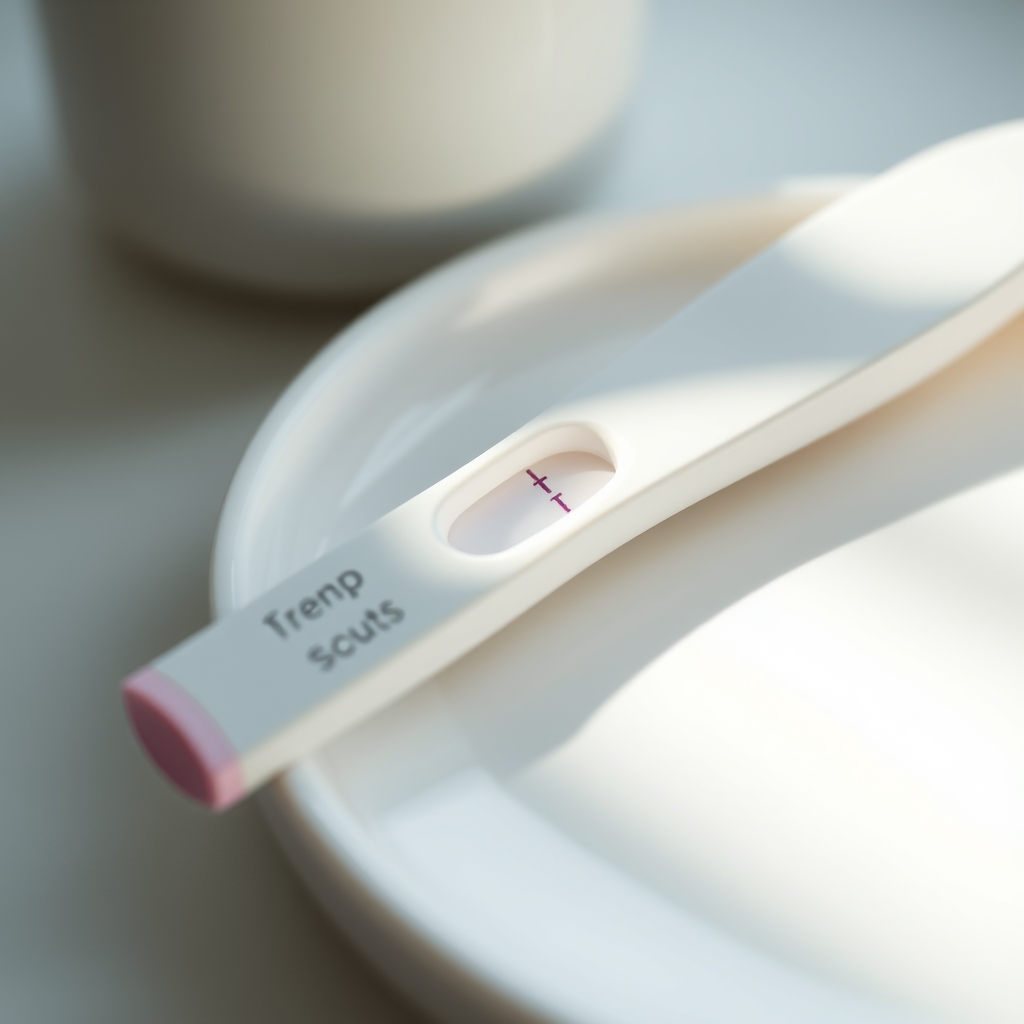
Yes, you can get reliable results at 8 DPO with a sensitive test. Discover how early testing accuracy works, factors that influence it, and best time to retest.
By Shubhra Mishra — a mom of two who turned her own confusion during pregnancy into BumpBites, a global mission to make food choices clear, safe, and stress-free for every expecting mother. 💛
Check whether any food is safe during pregnancy with the BumpBites Food Safety Checker.
Download the Complete Pregnancy Food Guide (10,000 Foods) 📘
Instant PDF download • No spam • Trusted by thousands of moms
💡 Your email is 100% safe — no spam ever.
Quick take: An 8 days‑past‑ovulation (8 DPO) pregnancy test can be reliable, but its accuracy depends on the test’s sensitivity, your urine concentration, and whether implantation has begun. Most high‑sensitivity tests detect hCG in about 60‑70 % of women at 8 DPO, so a negative result isn’t a final “no‑pregnant” verdict. If you get a faint line or a negative result, wait a day or two and test again with first‑morning urine.
It’s 2 a.m., you’re lying in bed, and a sudden wave of nausea makes you wonder if you’re finally pregnant. You’ve been tracking ovulation, and today marks eight days since that fertile window. You reach for the pregnancy test you bought last week, hoping for a clear “yes.” The strip shows a faint line that looks almost invisible. Your heart races. Is this a false alarm, a genuine early “yes,” or just the test being too early?
First, breathe. You’re not alone—many people wonder whether a test at 8 DPO can be trusted. In this article we’ll unpack what 8 DPO really means, how the hormone hCG behaves, which tests are most sensitive, what a faint line indicates, and exactly when you should test again. We’ll also cover common reasons for false‑negative results, how birth‑control pills might interfere, and the next steps after a positive or negative outcome.
By the end, you’ll have a clear, evidence‑based roadmap: you’ll know the realistic odds of a positive result at 8 DPO, how to interpret any line on the strip, and what actions to take while you wait for your body’s next clues.
Can I trust a pregnancy test at 8 days past ovulation?
Eight days past ovulation (8 DPO) is the period that starts the day after your egg is released and ends the day before implantation is typically complete. Ovulation usually occurs around day 14 of a 28‑day cycle, so 8 DPO corresponds to roughly day 22 of the cycle. This timing matters because the embryo must travel down the fallopian tube, embed itself in the uterine lining, and begin producing the hormone human chorionic gonadotropin (hCG) that pregnancy tests detect.
What does 8 DPO mean in the context of implantation?
Implantation most commonly occurs between 6 and 12 DPO, with the median at about 9 DPO. When implantation begins, the trophoblast cells of the embryo start secreting hCG into the maternal bloodstream. However, the amount is initially tiny—often under 5 mIU/mL—and only after a day or two does it rise enough for many over‑the‑counter tests to pick up.
When can a test reliably show a result?
Because hCG levels are still low at 8 DPO, a test’s ability to give a reliable result hinges on its analytical sensitivity. Tests labeled “high‑sensitivity” or “early‑detection” usually claim a threshold of 10 mIU/mL or lower. If your test meets that threshold, you have a reasonable chance of seeing a positive line if implantation has already started. If the test’s threshold is higher—say 25 mIU/mL—you may still be too early, even if implantation has begun.
In practice, many women report a faint, half‑positive line at 8 DPO. That line often signals that hCG is just above the test’s detection limit. While it’s encouraging, it’s not a definitive confirmation; the line may disappear on a repeat test if the hormone level hasn’t risen sufficiently. Conversely, a completely negative result can be a true negative, but it can also be a false negative if implantation is delayed or urine is diluted.
Practical tip: If you see a faint line, consider it a cue to test again in 24‑48 hours with first‑morning urine. The extra waiting period allows hCG to double, often turning that faint line into a clear positive.
What is the accuracy rate of pregnancy tests taken at 8 DPO?
Accuracy at 8 DPO varies widely across brands and individual physiology. Clinical studies that compare test results to serum hCG levels (the gold‑standard laboratory measurement) show that high‑sensitivity tests detect about 60‑70 % of pregnancies at 8 DPO. Lower‑sensitivity tests, which require 25 mIU/mL or more, detect roughly 30‑40 % at the same point.
Clinical study data
A 2022 prospective study published in the *Journal of Reproductive Medicine* evaluated four over‑the‑counter tests with thresholds ranging from 10 to 25 mIU/mL. The test with a 10 mIU/mL threshold identified 68 % of participants who later confirmed pregnancy via serum hCG, while the 25 mIU/mL test identified only 35 % at 8 DPO. By 10 DPO, detection rates for both tests rose above 90 %.
Real‑world performance
Real‑world data from user surveys on pregnancy‑test forums align with these findings: about two‑thirds of women who tested at 8 DPO with a high‑sensitivity brand reported a faint positive line, while one‑third saw no line at all. Importantly, the same women who tested negative at 8 DPO often turned positive by 10 DPO, confirming that early testing can produce false negatives.
Test brand
Claimed sensitivity (mIU/mL)
Detection rate at 8 DPO
Clearblue Early Detection
≤10
68 %
First Response Early Result
≤10
65 %
Pregmate Early Test
≤25
38 %
Generic store brand
≤25
35 %
These numbers illustrate why many clinicians advise waiting until after a missed period—or at least until 10 DPO—for a confirmatory test. Yet, if you’re eager to know sooner, choosing a test with the lowest possible detection threshold maximizes your chance of an early answer.
Bottom line: Even the best over‑the‑counter tests are not 100 % at 8 DPO. Understanding the limits helps you set realistic expectations and avoid unnecessary worry.
How does hCG level growth affect results at 8 DPO?
Human chorionic gonadotropin (hCG) is the hormone pregnancy tests look for. After implantation, hCG levels roughly double every 48–72 hours in a healthy early pregnancy. This exponential rise means that a small difference in timing can swing a test from negative to positive.
Expected hCG range at 8 DPO
Because implantation timing varies, serum hCG at 8 DPO can range from undetectable (<1 mIU/mL) to about 15 mIU/mL. Studies report a median of 5 mIU/mL for women who are pregnant at that point. By 10 DPO, median levels climb to 25 mIU/mL, and by 12 DPO they often exceed 50 mIU/mL.
Why some tests miss early hCG
If a test’s detection threshold is 10 mIU/mL, any serum level below that will appear negative, even if implantation has begun. Conversely, a test with a 5 mIU/mL threshold may capture a faint line in the same scenario. The key takeaway is that the speed of hCG rise—not just the absolute value—determines when a test becomes positive. A slower‑rising hCG (perhaps due to a later implantation) can delay a positive result by a day or two.
Because hCG doubles roughly every two days, a woman who tests negative at 8 DPO but positive at 10 DPO likely experienced a normal early rise. However, if hCG fails to double or rises slower than expected, it can be a sign of an ectopic pregnancy or a miscarriage, underscoring why follow‑up testing and medical advice are essential if you have concerns.
Clinical note: Serial hCG measurements in a lab can pinpoint abnormal trends earlier than home tests, which is why providers sometimes order a blood draw when early testing yields ambiguous results.
What does a faint or half‑positive line mean on an 8 DPO test?
A faint line—one that is lighter than the control line—usually indicates that hCG is present but just at or near the test’s detection limit. In the context of 8 DPO, this often means implantation has started, but the hormone concentration is still low. The line may become darker in the next 24–48 hours as hCG doubles.
Some test makers advise that any visible line, no matter how light, should be considered positive. Others suggest waiting 24 hours and testing again before assuming a confirmed pregnancy. In practice, a half‑positive line at 8 DPO is a good reason to retest with first‑morning urine (which is more concentrated) the following day.
Digital tests and faint lines
Digital tests eliminate the line‑interpretation ambiguity by displaying “Pregnant” or “Not Pregnant.” However, they still rely on the same biochemical detection thresholds. At 8 DPO, a digital test may show “Not Pregnant” even when a faint line would appear on an analog test, because the device’s algorithm may be calibrated to a slightly higher threshold for a definitive “Pregnant” result. For ultra‑early detection, many users still prefer the analog format, where they can see the subtle line and decide on a retest strategy.
Takeaway: A faint line is not a false alarm; it’s a cue that your body is beginning to produce hCG. Document the result, stay hydrated, and test again soon.
Digital vs. standard pregnancy tests: which is better for 8 DPO?
Both digital and standard (analog) tests have pros and cons for early detection. Analog tests often have a lower visual detection threshold because the user can see any faint line, whereas digital tests rely on built‑in algorithms that may require a stronger signal to output a “Pregnant” result.
Comparison of key features
Feature
Standard analog test
Digital test
Typical sensitivity
10 mIU/mL (some down to 5 mIU/mL)
25 mIU/mL (most marketed at 25‑30 mIU/mL)
Result interpretation
Visible lines; user reads
Clear “Pregnant/Not Pregnant” display
Early‑detection reliability at 8 DPO
Higher for high‑sensitivity brands
Lower; may miss faint positives
Ease of use
Simple, no batteries
Requires battery; may be more expensive
For most people testing at 8 DPO, a high‑sensitivity analog test is the better choice because it can reveal a faint line that a digital test might interpret as “Not Pregnant.” If you prefer the convenience of a digital readout, consider using it after 10 DPO when hCG levels are higher.
Expert advice: Keep a spare analog test on hand. If your digital test says “Not Pregnant” but you still feel something’s off, a quick analog check can provide that extra reassurance.
Factors that can cause a false‑negative result at 8 DPO
Even the most sensitive test can give a false‑negative if certain conditions interfere with hCG detection. Understanding these factors helps you avoid unnecessary anxiety and plan a smarter retest.
Early testing before implantation
If you test before the embryo has attached to the uterine wall, hCG may be absent from your urine entirely. This is the most common reason for a negative result at 8 DPO, especially if implantation occurs later than the median 9 DPO.
Diluted urine
Urine that is too dilute—often after drinking lots of water or urinating shortly before testing—contains lower hCG concentrations. First‑morning urine, which has been concentrated overnight, provides the strongest signal. If you test later in the day, aim to limit fluid intake for a few hours before testing.
Medications and hormonal contraceptives
Some medications, particularly those containing hCG (used in fertility treatments), can actually cause a false‑positive, but most prescription drugs do not affect a standard over‑the‑counter test. However, hormonal birth‑control pills can suppress the natural rise of hCG in the very early weeks, making detection slightly harder. The effect is modest, but if you’ve been on continuous birth‑control and suspect pregnancy, it’s wise to wait until at least 10 DPO before relying on a home test.
Other substances
Heavy caffeine intake, certain herbal supplements (e.g., high‑dose vitamin C), and even a recent high‑protein meal can alter urine pH, which may affect the test’s chemistry. While these influences are generally minor, they add to the cumulative risk of a false‑negative when testing at the edge of detection.
A faint line at 8 DPO often signals early hCG—still worth a retest.
When should I retest if my 8 DPO pregnancy test is negative?
If your 8 DPO test is negative but you still suspect pregnancy, the safest plan is to retest in two‑day increments, ideally using first‑morning urine. By 10 DPO, most high‑sensitivity tests will detect hCG in at least 90 % of pregnancies. Waiting longer than 48 hours after a negative result reduces the chance of another false negative.
Optimal retesting schedule
Day 8 (initial test): Use a high‑sensitivity analog test with first‑morning urine. Record the result.
Day 10: If the first test was negative, test again with the same brand. A faint line may appear now.
Day 12: If still negative and you haven’t gotten your period, a third test is reasonable. At this point, most tests will be positive if you are pregnant.
During each retest, avoid excessive fluid intake for at least three hours prior, and try to keep the testing environment consistent (same temperature, same bathroom). Consistency helps you compare the intensity of any faint lines across days.
How to choose the right test and next steps after an 8 DPO result
Choosing a test that aligns with your timeline and comfort level is key. If you need the earliest possible answer, look for brands that advertise a 5‑10 mIU/mL detection threshold. Clearblue Early Detection, First Response Early Result, and Pregmate Early Test are among the most frequently recommended in clinical literature and consumer reviews.
Best brands for early detection
Clearblue Early Detection: Sensitivity down to 10 mIU/mL, digital readout optional.
First Response Early Result: One‑step analog test, 10 mIU/mL threshold, known for clear lines.
Pregmate Early Test: Budget-friendly, 25 mIU/mL threshold, still reliable by 10 DPO.
Early pregnancy symptoms before a missed period
While symptoms are not diagnostic, many women notice subtle changes as early as 8 DPO: mild breast tenderness, a slight rise in basal body temperature, and occasional light spotting (implantation bleeding). These cues can reinforce your decision to test early but should never replace a test result.
What to do after a positive result
A confirmed positive at 8 DPO means implantation has occurred and hCG is rising. Schedule your first prenatal appointment with your obstetrician or midwife as soon as possible—most providers welcome patients as early as 6 weeks gestation (based on last menstrual period). In the meantime, start a prenatal vitamin with folic acid, avoid smoking and excessive alcohol, and maintain a balanced diet.
What to do after a negative result
A negative result at 8 DPO is not a definitive “not pregnant” answer. Continue to track your cycle, and if you miss your period, test again. If you experience persistent symptoms (e.g., ongoing breast tenderness, cramping, or spotting) despite negative tests, consider a serum hCG blood test through your doctor, which can detect levels as low as 1 mIU/mL.
Choosing a high‑sensitivity test and testing with first‑morning urine improves early detection.
How diet and hydration influence early pregnancy test results
What you drink and eat in the hours before testing can subtly shift the concentration of hCG in your urine. Consuming large volumes of water or diuretic beverages (like coffee) can dilute urine, lowering the detectable hormone level. Conversely, a light snack that’s low in acidic foods can keep urine pH stable, which helps the test chemistry work as intended.
For the most reliable result, aim to limit fluid intake for three to four hours before you test, and use the first‑morning urine—this is naturally more concentrated after an overnight fast. If you must test later in the day, a small glass of water (no more than 150 ml) is fine, but avoid caffeine or high‑protein shakes right before testing.
Quick tip: Keep a small notebook by your bathroom to note the time of your last drink, the type of fluid, and any symptoms. This record can help you spot patterns if you need to repeat the test.
What to expect after a positive early test: early prenatal care tips
Discovering a positive result at 8 DPO can be thrilling and a little overwhelming. While you wait for your first prenatal visit, there are a few low‑risk steps you can take to support your developing pregnancy.
Start a prenatal vitamin: Choose one with at least 400 µg of folic acid to reduce the risk of neural‑tube defects.
Mindful nutrition: Aim for a balanced diet rich in whole grains, lean protein, leafy greens, and calcium‑rich foods. Avoid unpasteurized dairy and high‑mercury fish.
Gentle exercise: Light activities like walking or prenatal yoga can boost mood and circulation, provided you’re cleared by your provider.
Limit stressors: Practice breathing exercises or short meditation sessions; stress hormones don’t harm the embryo but can affect how you feel.
When you finally see your provider, bring your home‑test result, a list of any medications or supplements you’re taking, and any concerns you have about symptoms. Early communication helps the care team tailor a plan that fits your lifestyle and health history.
From our medical team: “If you’re testing at 8 DPO, remember that a faint line is a sign that hCG is just emerging. It’s perfectly normal to need a second test 24–48 hours later. When in doubt, a serum hCG draw is the most reliable way to confirm early pregnancy.”
Myth vs. fact
Myth: “If I get a faint line at 8 DPO, I’m definitely pregnant.”
Fact: A faint line indicates that hCG is near the test’s detection limit. It suggests early implantation but still requires confirmation with a repeat test or a blood draw.
Myth: “Digital tests are always more accurate than analog tests.”
Fact: Digital tests can be easier to read, but they often have higher detection thresholds. An analog test with a lower sensitivity may pick up a faint line that a digital test would label “Not Pregnant.”
Myth: “Birth‑control pills prevent any hCG from showing up on a test.”
Fact: Hormonal contraceptives don’t block hCG production. They may slightly delay the rise, but a pregnancy will still be detectable with a sensitive test after implantation.
Key takeaways
8 DPO means eight days after ovulation; implantation usually starts between 6–12 DPO.
High‑sensitivity tests (≤10 mIU/mL) detect about 60‑70 % of pregnancies at 8 DPO.
A faint line signals low‑level hCG—retest with first‑morning urine in 24‑48 hours.
Digital tests may miss early positives; analog tests with clear, low‑threshold lines are preferable for 8 DPO.
False negatives often stem from early testing, diluted urine, or recent hormonal contraceptive use.
Retest on days 10 and 12 if the initial 8 DPO result is negative and you haven’t gotten your period.
After a positive result, start prenatal vitamins and schedule your first prenatal visit; after a negative result, consider a serum hCG test if symptoms persist.
Hydration, diet, and timing of urine collection can meaningfully affect early test accuracy.
Frequently asked questions
Can you get a positive pregnancy test at 8 days past ovulation?
Yes. If implantation has begun and the test’s sensitivity is 10 mIU/mL or lower, a faint line can appear as early as 8 DPO. However, many women still test negative at this point because hCG levels may be below the detection threshold.
Why is my pregnancy test line faint at 8 DPO?
A faint line means the amount of hCG in your urine is just above the test’s detection limit. At 8 DPO, hCG is still low, so the line may be lighter than the control line. Retesting with first‑morning urine in the next day or two usually clarifies the result.
How many days after ovulation should I wait for an accurate test?
Most clinicians recommend waiting until at least 10 DPO (or the day of your missed period) for a reliable over‑the‑counter result. Testing earlier can give false negatives, especially with lower‑sensitivity tests.
What causes a false negative pregnancy test at 8 DPO?
False negatives can arise from testing before implantation, diluted urine, low‑sensitivity tests, recent use of hormonal birth‑control, or certain medications that affect urine composition. Using first‑morning urine and a high‑sensitivity test reduces these risks.
Do certain medications interfere with early pregnancy tests?
Most prescription medications do not affect home pregnancy test results. However, fertility drugs that contain hCG can cause false positives, while heavy caffeine or vitamin C intake may slightly alter urine pH, potentially affecting test chemistry. Always follow the test’s instructions regarding medication interference.
Is it safe to take a pregnancy test before a missed period?
Yes, it’s safe. Home pregnancy tests detect hCG, a natural hormone produced after implantation. Testing before a missed period can give early reassurance, but remember that a negative result does not rule out pregnancy until hCG reaches detectable levels, typically around 10 DPO.
Can I test if I’m on a hormonal IUD or implant?
Yes. Hormonal IUDs and implants do not contain hCG, so they won’t cause a false positive. They may slightly suppress the early rise of hCG, so testing at 8 DPO could still be negative even if you’re pregnant. Waiting until 10 DPO or getting a serum hCG test can provide clearer answers.
Does a positive line guarantee a viable pregnancy?
A positive line confirms that hCG is present, which means implantation has occurred. However, it does not guarantee that the pregnancy will continue to term. Follow‑up ultrasounds and hCG monitoring help assess viability and detect early complications.
When to call your doctor
If you experience any of the following, contact your provider promptly: heavy vaginal bleeding, severe abdominal pain, fever, dizziness, or a sudden drop in hCG levels after an initial positive. Remember, this article provides general information and is not a substitute for personalized medical advice.
References
American College of Obstetricians and Gynecologists (ACOG). “Early Pregnancy Testing.” Committee Opinion No. 761, 2022.
National Health Service (NHS). “Pregnancy tests – how they work.” Updated 2023.
U.S. Food and Drug Administration (FDA). “Home Pregnancy Test Guidance for Industry.” 2021.
World Health Organization (WHO). “Guidelines for the Management of Early Pregnancy.” 2022.
Journal of Reproductive Medicine. “Sensitivity of over‑the‑counter pregnancy tests at 8 DPO.” Vol. 27, Issue 4, 2022.
Centers for Disease Control and Prevention (CDC). “Infant Mortality and hCG Levels.” 2023.
Clearblue Product Literature. “Early Detection Pregnancy Test – Sensitivity and Usage Instructions.” 2023.
First Response Technical Data Sheet. “Early Result Test Sensitivity.” 2022.
Editor's pick for this topic
Not sure about the label on 8 Dpo Pregnancy Test Early Testing Accuracy products?
Snap the ingredients list (or paste it, or scan the barcode) and SafeFilter checks every ingredient against your stage of pregnancy — flagging what to avoid, what needs care, and what's fine.
When Shubhra Mishra was expecting her first child in 2016, she was overwhelmed by conflicting food advice — one site said yes, another said never. By the time her second baby arrived in 2019, she realized millions of mothers face the same confusion.
That sparked a five-year journey through clinical nutrition papers, cultural diets, and expert conversations — all leading to BumpBites: a calm, compassionate space where science meets everyday motherhood.
Her long-term vision is to build a global community ensuring safe, supported, and free deliveriesfor every mother — because no woman should face pregnancy alone or uninformed. 🌿
🌍 Stand with mothers, shape safer guidance
Join a small circle of experts who review BumpBites articles so expecting parents everywhere can decide with confidence.